Story audio is generated using AI
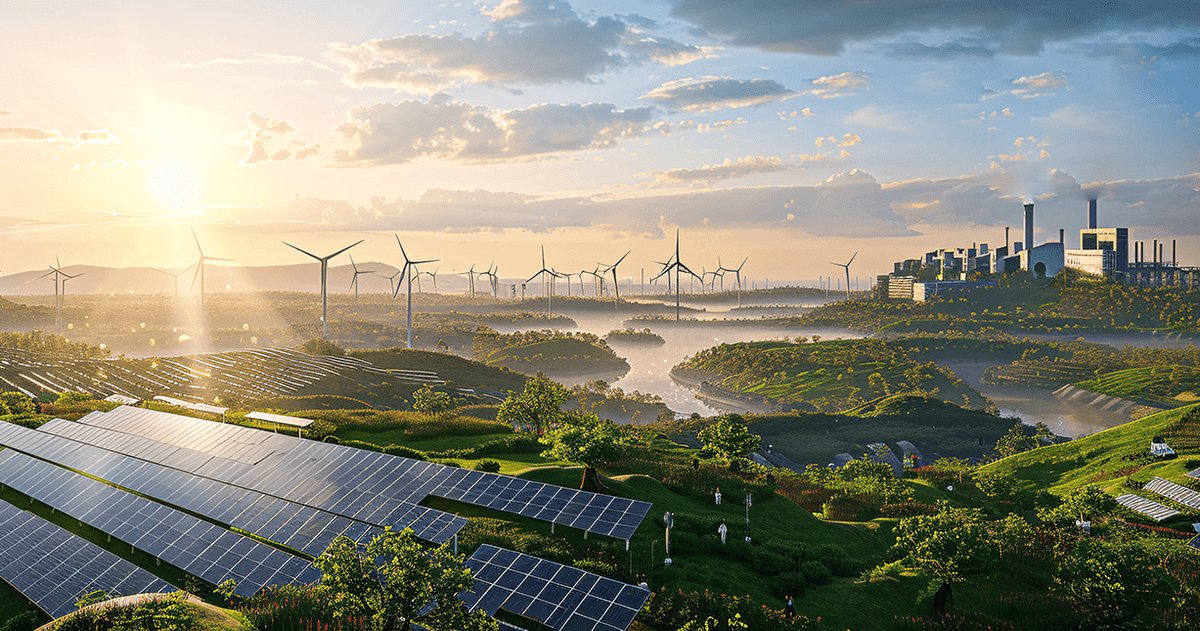
The rapid expansion of renewable energy is increasing pressure on electricity grids, with concerns that the pace of deployment for equipment and infrastructure needed to keep power supply stable does not match new generation capacity, global energy technology company GE Vernova says.The issue is becoming more pronounced as wind and solar power are added to the grid alongside conventional power stations that help keep the electricity supply stable, said the company, which builds and maintains electricity generation and delivery networks.The grid was originally designed to carry a certain amount of electricity from large, traditional power stations. As wind and solar power are added to the system, the same network has to handle more variable and additional flows of electricity.Traditional power stations also provide what is known as grid inertia — a natural stabilising effect created by large spinning turbines in generators. This spinning motion helps resist sudden changes in the frequency of the electricity system, giving the grid time to adjust when supply or demand shifts quickly.These rotating turbines are important because they act like a physical buffer in the system, helping to keep electricity flowing at a steady and predictable level when conditions change.“We are effectively adding large amounts of wind and solar to the system, which changes how traditional power stations operate in supporting a stable electricity grid,” said Kenneth Oyakhire, GE Vernova’s Gas Power business MD of services in Sub-Saharan Africa.In this context, the “system” refers to the electricity grid and all the infrastructure that enables the generation, transmission and distribution of electricity to homes, businesses and industry.“As more wind and solar power are added to the grid, electricity networks must rely more on dedicated infrastructure and technology to manage fluctuations in power supply across the system,” Oyakhire said. “Without this supporting infrastructure and technology, grids can struggle to respond quickly to sudden changes in electricity output, particularly as wind and solar make up a larger share of generation at a particular time.” As more wind and solar power are added to the grid, electricity networks must rely more on dedicated infrastructure and technology to manage fluctuations in power supply across the system— Kenneth Oyakhire, GE Vernova’s Gas Power business MD of services in Sub-Saharan AfricaWhen wind and solar output is high, conventional power stations are often scaled back to make room for renewable electricity within the limits of the grid. But when conditions change quickly — for example, when cloud cover reduces solar generation or wind speeds drop — those conventional power plants cannot always increase output fast enough to immediately replace the electricity shortfall, which can create sudden imbalances in electricity supply. The challenge is not only about adding new generation capacity, but also about maintaining a stable and reliable electricity grid by ensuring the infrastructure needed to move and manage electricity keeps pace, Oyakhire said. “The primary challenge is not the pace of renewable deployment itself, but rather the imbalance between generation capacity and the infrastructure required to move and manage that energy,” he said.Grid constraints have become a major limit on new electricity projects, as transmission capacity and network upgrades are not keeping up with new generation. This means that even when new renewable energy power plants are built, there are often delays or restrictions in getting electricity from where it is produced to where it is needed.At the same time, investment in the sector is shifting beyond traditional power generation projects towards wider electricity infrastructure, including transmission lines and upgrades to the grid. This is based on a growing view that building a new power supply alone is not enough unless the network that carries electricity is also expanded and improved.Oyakhire said electricity system planning and regulation will be key to addressing the gap between new generation capacity being added and the grid infrastructure needed to deliver and stabilise electricity, particularly in how reliability and grid-support services are valued in electricity markets.