Story audio is generated using AI
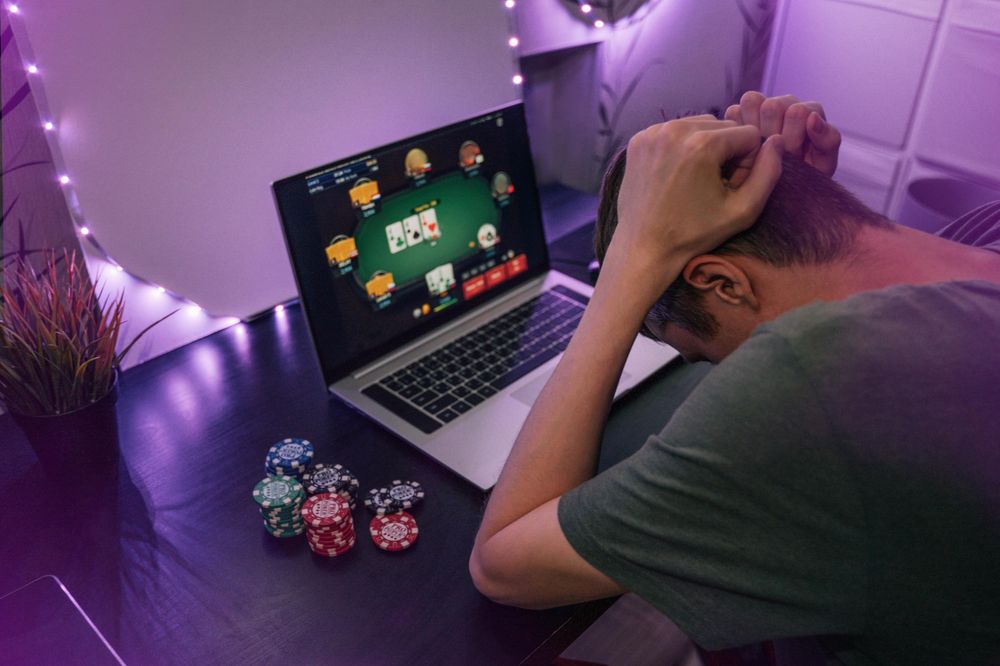
A new report has blown the lid on the human cost of online gambling in South Africa, with players often sacrificing household groceries, debt repayments and transport money to fund their fix.The study by Yazi, an AI-powered consumer research platform with about 29-million active monthly users in the country which enables organisations to conduct large-scale research through WhatsApp, was conducted in May among 1,028 South Africans who had gambled online in the previous 30 days.It found that 57% of participants had sacrificed essentials, including airtime and rent funds, while 29% borrowed money to pay for their gambling.Some 59% of them admitted to chasing losses by placing another bet on the same day after losing, and 28% were unaware that gambling operators provide limit-setting tools designed to manage spending.The study found that 61% of respondents were women, challenging traditional assumptions that online gambling is predominantly a male behaviour, while 5% of those surveyed said they could not stop gambling, even when they tried to. In addition, 26% spent more than 10% of their monthly income on gambling.“The real story that needs to be told here isn’t simply about online gambling. It’s about what happens when you give people a space to tell the truth,” Yazi CEO Tim Treagus said.“That is what our research unlocked ... The technology we’ve built is helping us understand human behaviour more accurately while measuring the human impact more effectively — specifically in sectors of our economy where such data was not previously available.”One respondent in the study admitted: “I had my last R200 for transport for the week, and I decided to play slots — and I lost all of it. “Last time I was playing with Sassa (national social grant) money. I lost all that money. I won’t forget that day. Too much pain,” another said.A third respondent made the stark admission: “I am addicted to gambling. I think I need help.”South Africa is grappling with an explosion in online betting, with millions of low-income, unemployed youths placing bets on digital platforms where the odds are overwhelmingly high against them. Earlier this month, Mr Price Group, South Africa’s biggest listed value fashion retailer, raised concerns that the rapid rise of online gambling was competing with retailers for consumer spending.Bookmakers have proposed measures such as barring social grant and National Student Financial Aid Scheme (NSFAS) recipients from channelling such taxpayer assistance towards online betting, among possible solutions to the scourge.Industry data last year showed that for the 12 months to March, the total value of gambling turnover in all gambling modes amounted to R1.5-trillion, including recycled funds (money wagered, won back and wagered again). South Africa’s gambling industry issues more than 3,000 licences a year, with the number of operators, particularly bookmakers, expanding sharply in recent years, raising concerns about gaps in enforcement and whether licensed operators are being adequately monitored. This emerged from a written parliamentary reply to Rise Mzansi MP Makashule Gana earlier this year, which showed 3,135 licences were issued to gambling and betting operators in 2024/2025 compared with 3,174 in 2023/2024 and 3,186 in 2022/2023. According to the South African Bookmakers Association, illegal platforms make up about 62% of the country’s online gambling market, with more than R50bn in gross gambling revenue flowing offshore each year. An estimated 16-million South Africans have used these platforms in the past year. The study by Yazi showed that many South Africans continued to view themselves as responsible gamblers while engaging in behaviours that suggested otherwise, with respondents admitting to using transport money and social grants to fund their gambling. The findings formed the basis of what it calls the “self-image dilemma”, a contradiction where gamblers overwhelmingly view themselves as responsible and in control, while simultaneously reporting behaviours commonly associated with gambling harm. “What concerns me most is not that people are gambling. It’s that so many appear to be gambling while under financial strain,” said Khaya Dlanga, an award-winning author who has been an outspoken advocate for greater accountability in the gambling industry after his brother, who had an online gambling addiction, committed suicide.“When people start sacrificing essentials, borrowing money, or believing the next bet might solve a cash-flow problem, we’re no longer talking about entertainment. We’re talking about vulnerability.”