Get the latest news and updates from Dawn
This year’s National Economic Survey notes that Pakistan ranks among the most severely climate-affected countries despite contributing less than one per cent of global emissions. Yet the country bears a disproportionately high burden of global climate change.
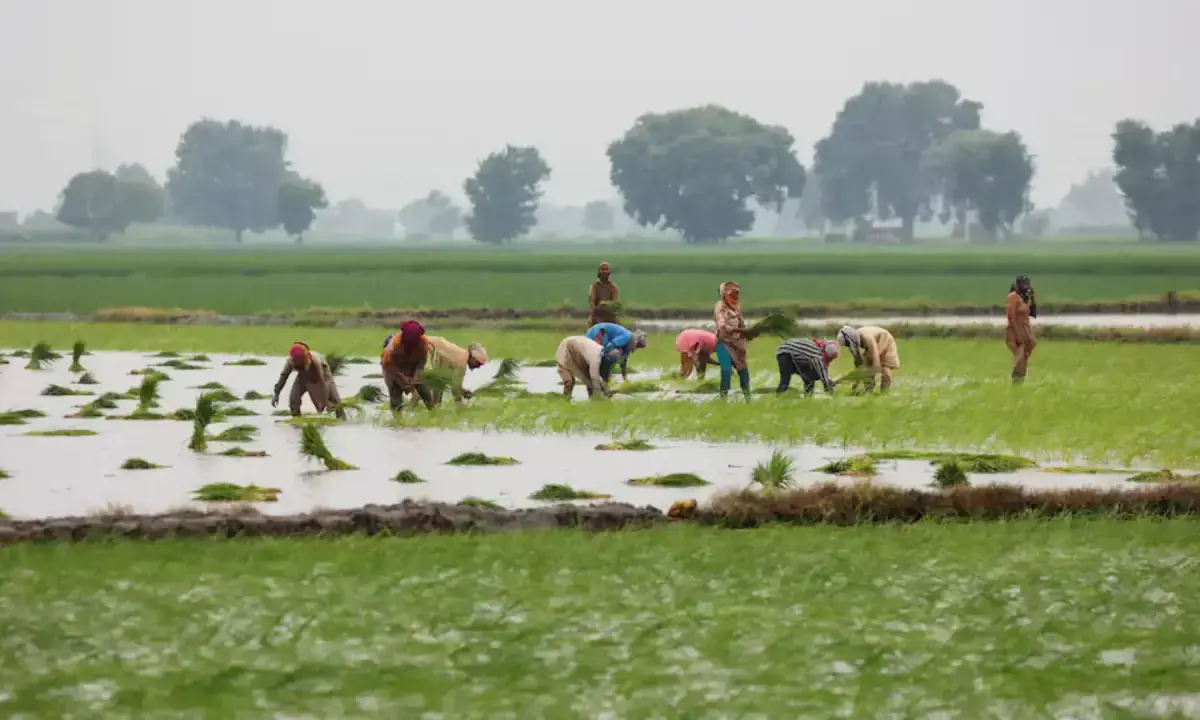
The Economic Survey of Pakistan 2025-26 pegs agriculture at 23.4pc of GDP and 33.1pc of total employment, underlining its centrality to livelihoods and food security. Sectoral growth is estimated at 2.89pc. Sindh accounts for 35–40pc of national rice output, 30–35pc of cotton, 25–30pc of sugarcane and 12–15pc of wheat, according to the chief minister’s budget speech.
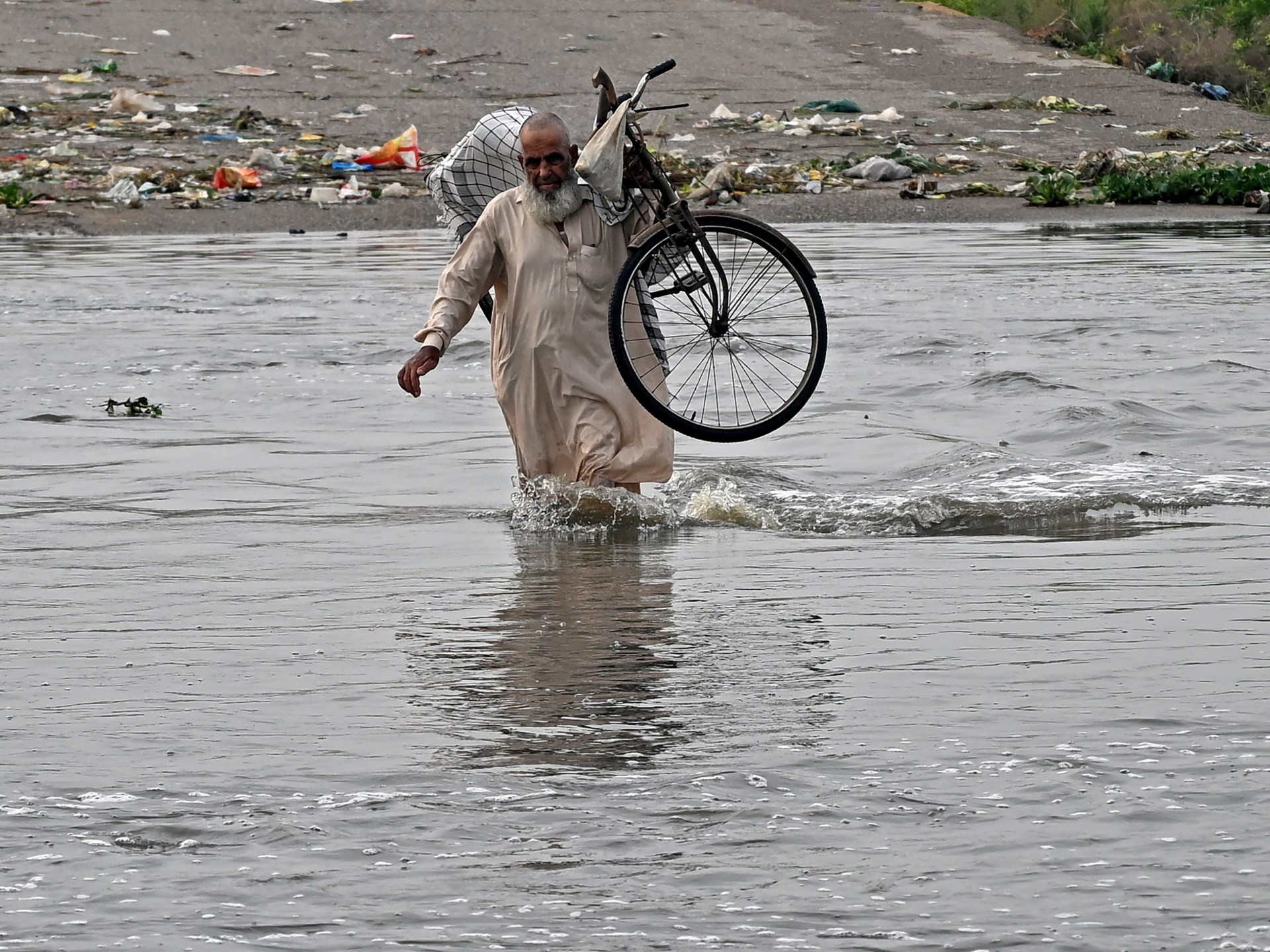
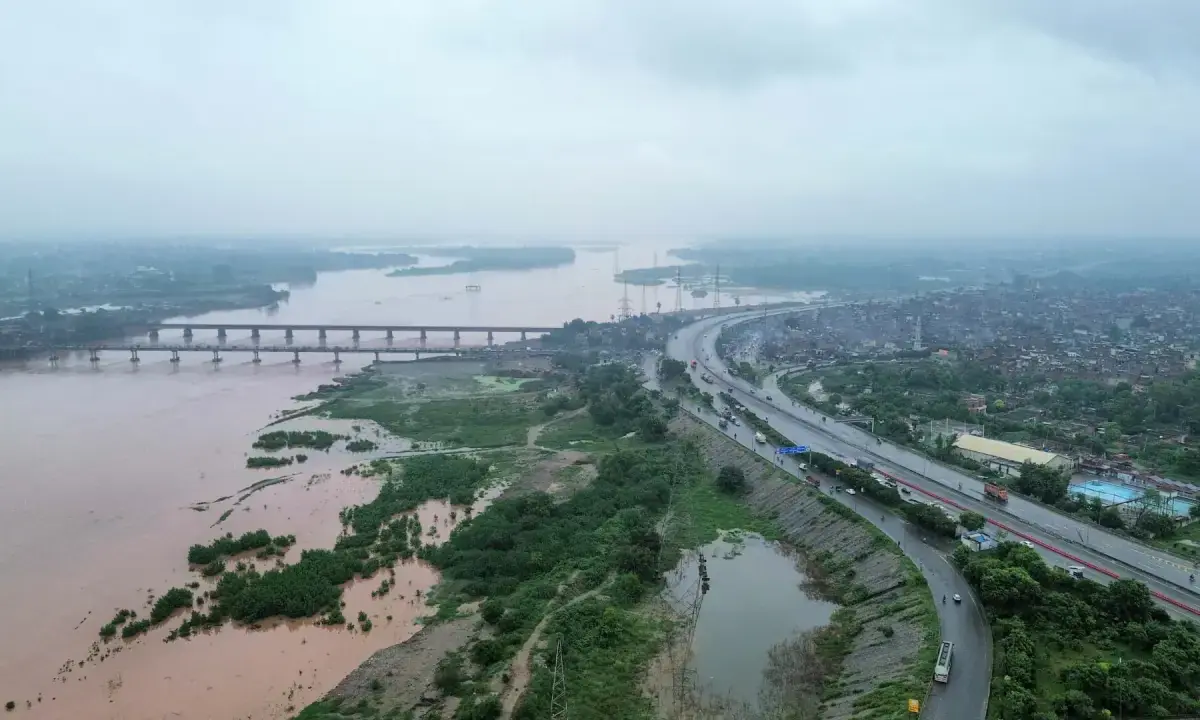
However, Sindh is prone to extreme weather events. The super floods of 2010, followed by devastating rains in 2011, 2020, 2022 and 2023, repeatedly inflicted heavy losses on standing crops and damaged water infrastructure. As a lower-riparian province, Sindh also faces recurring water stress — at times man-made due to contested interprovincial distribution — which directly undermines kharif output. Soil degradation compounds these pressures.
With this agricultural landscape, development in the research sector is far from satisfactory. Research understandably holds the key to agricultural growth. At a time when climate change-driven weather patterns have become a regular phenomenon that threatens crops, research-oriented measures have become inevitable.