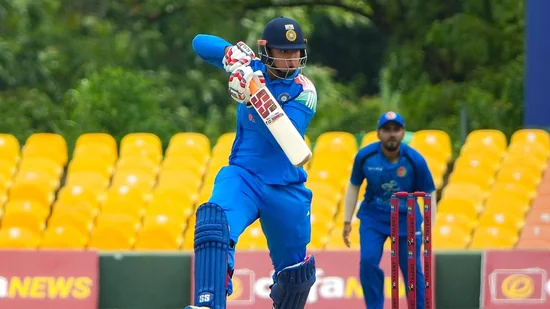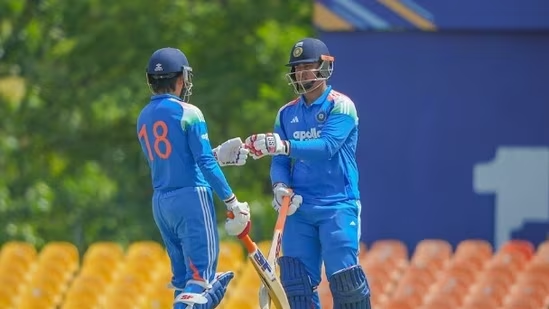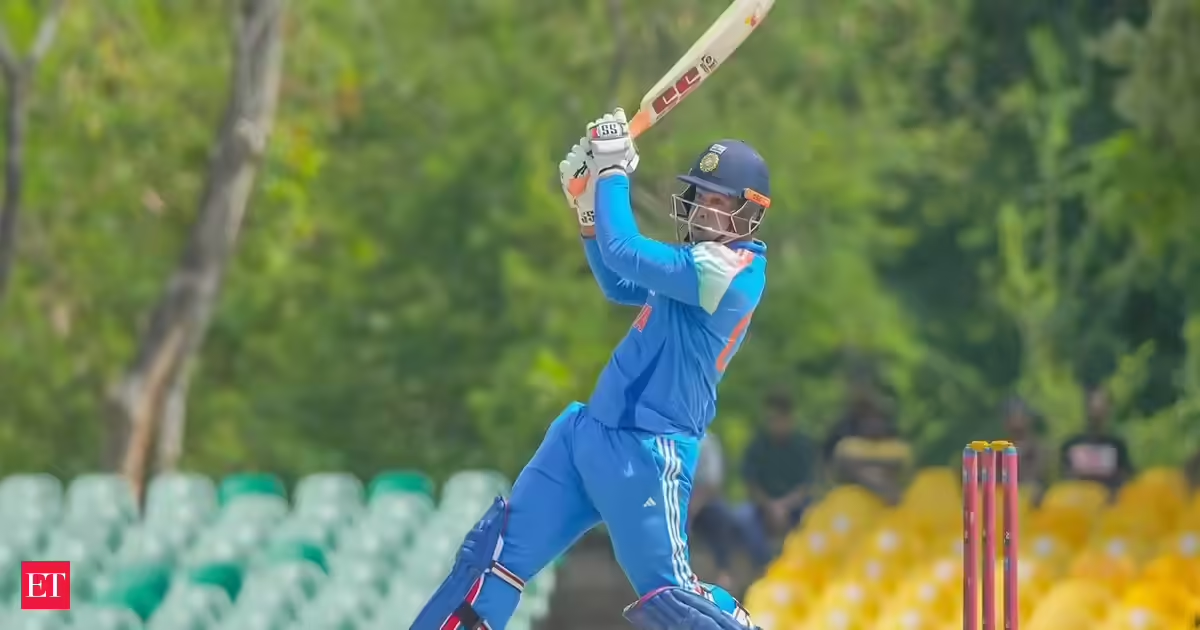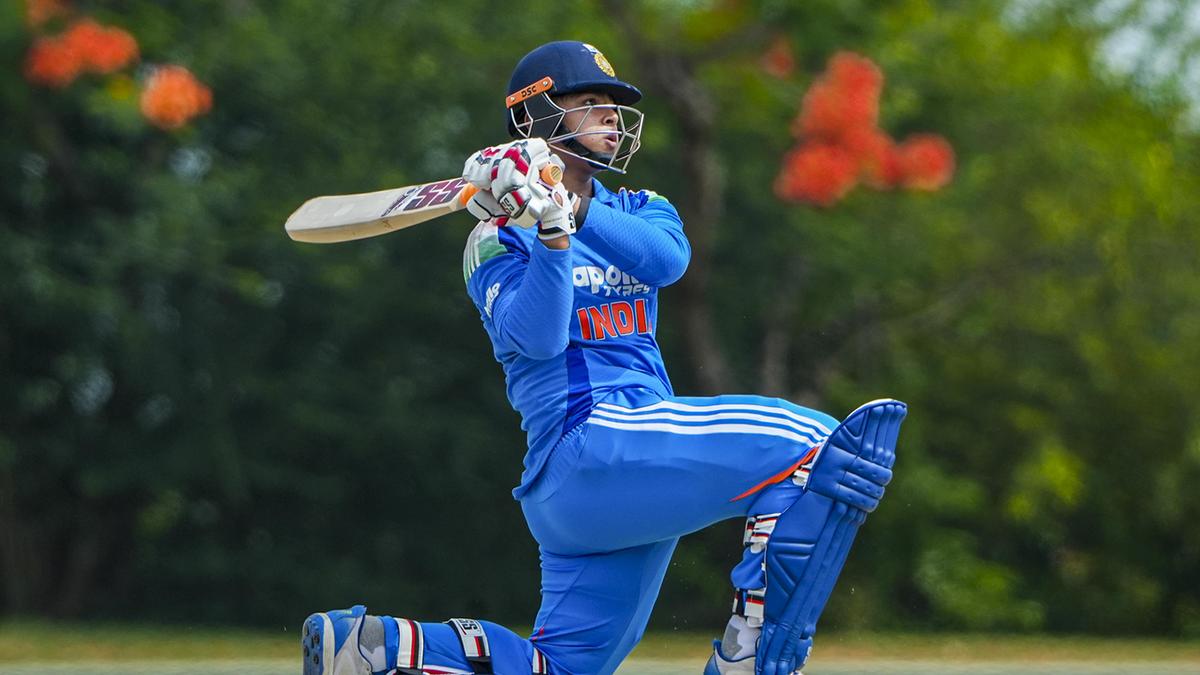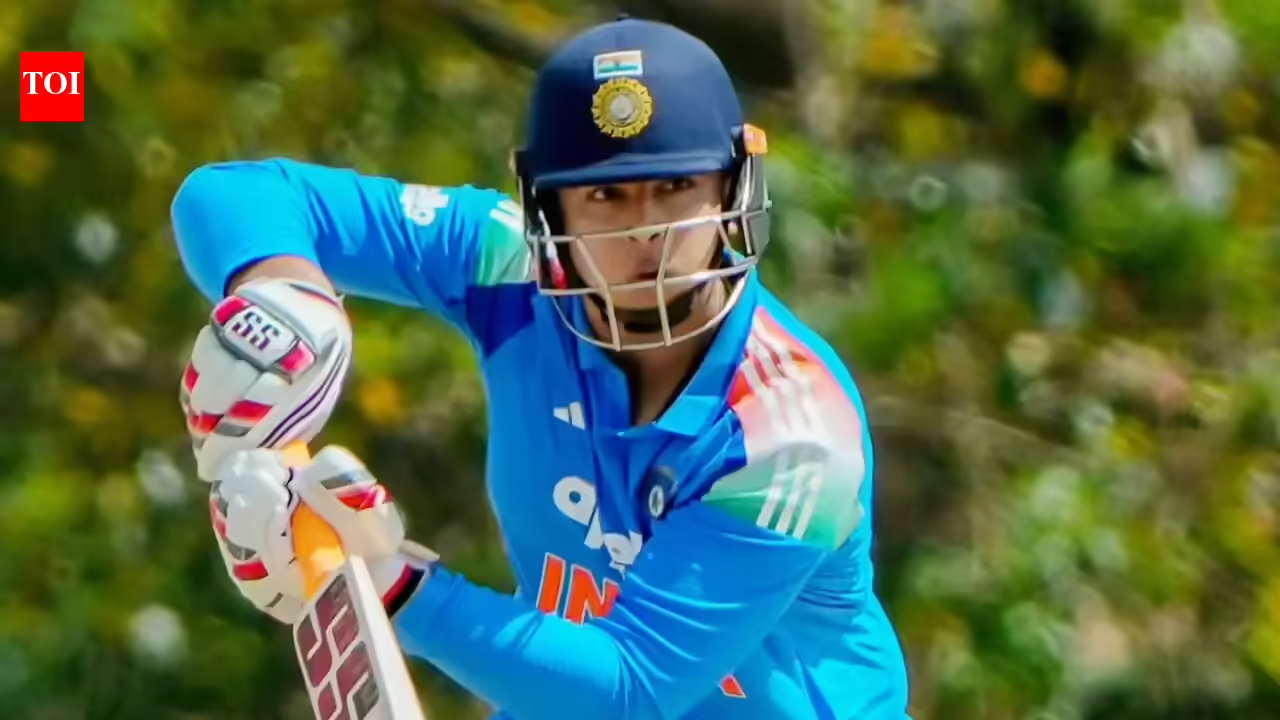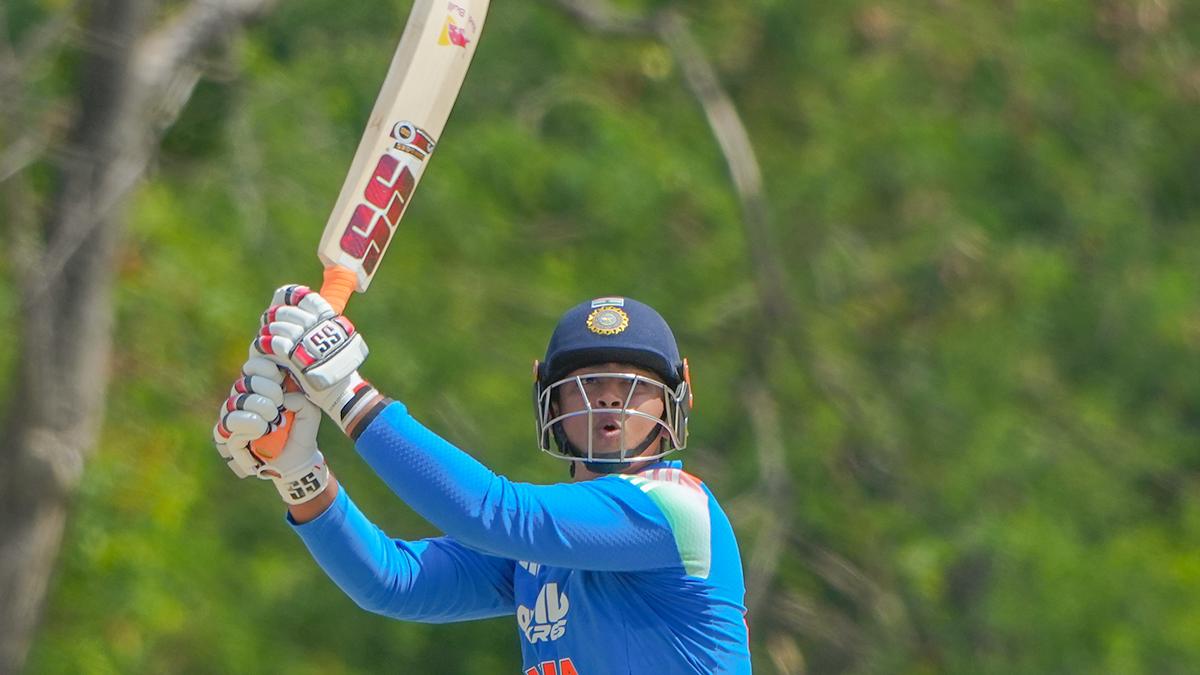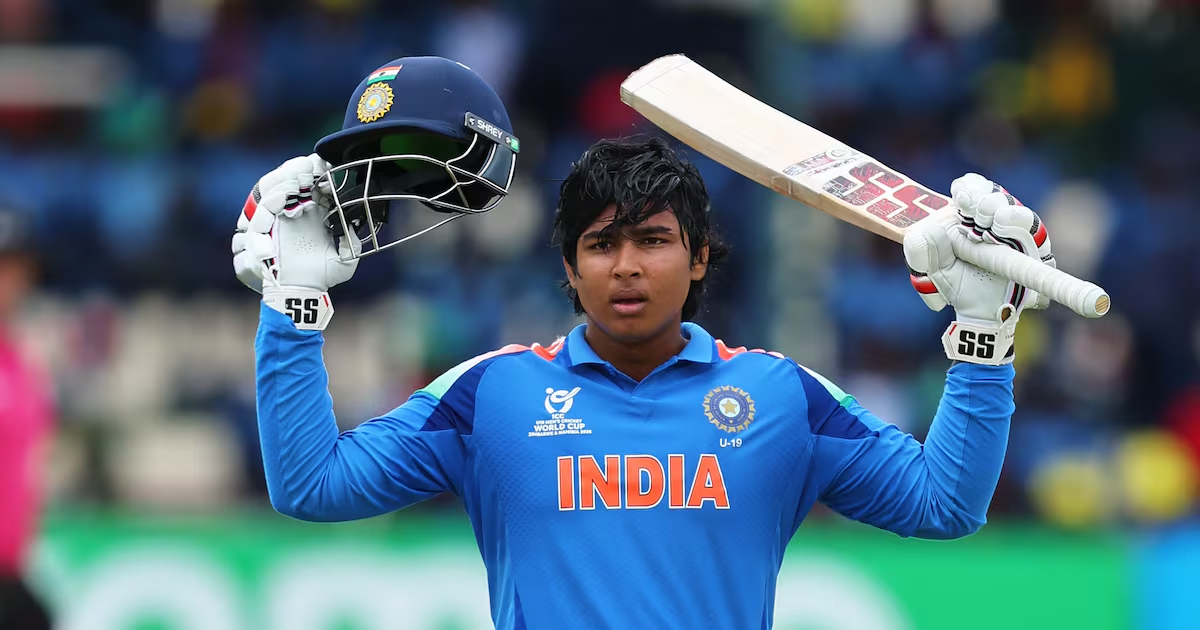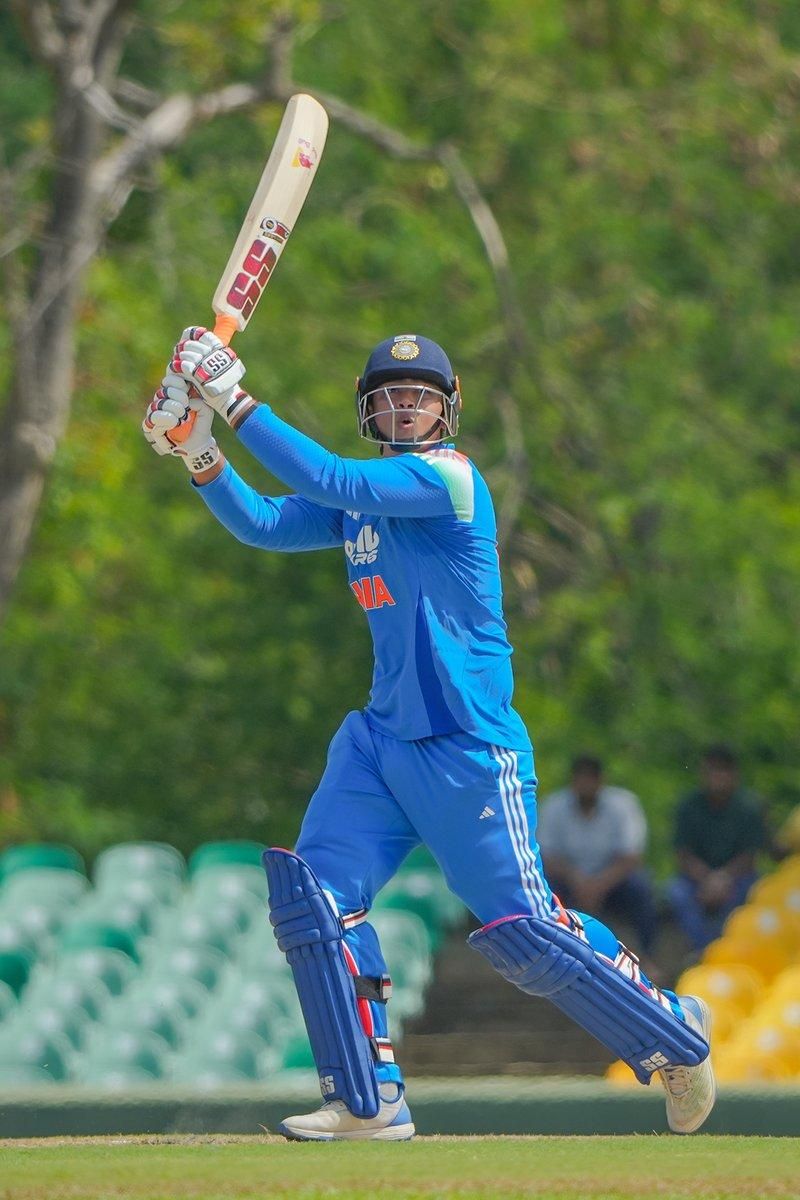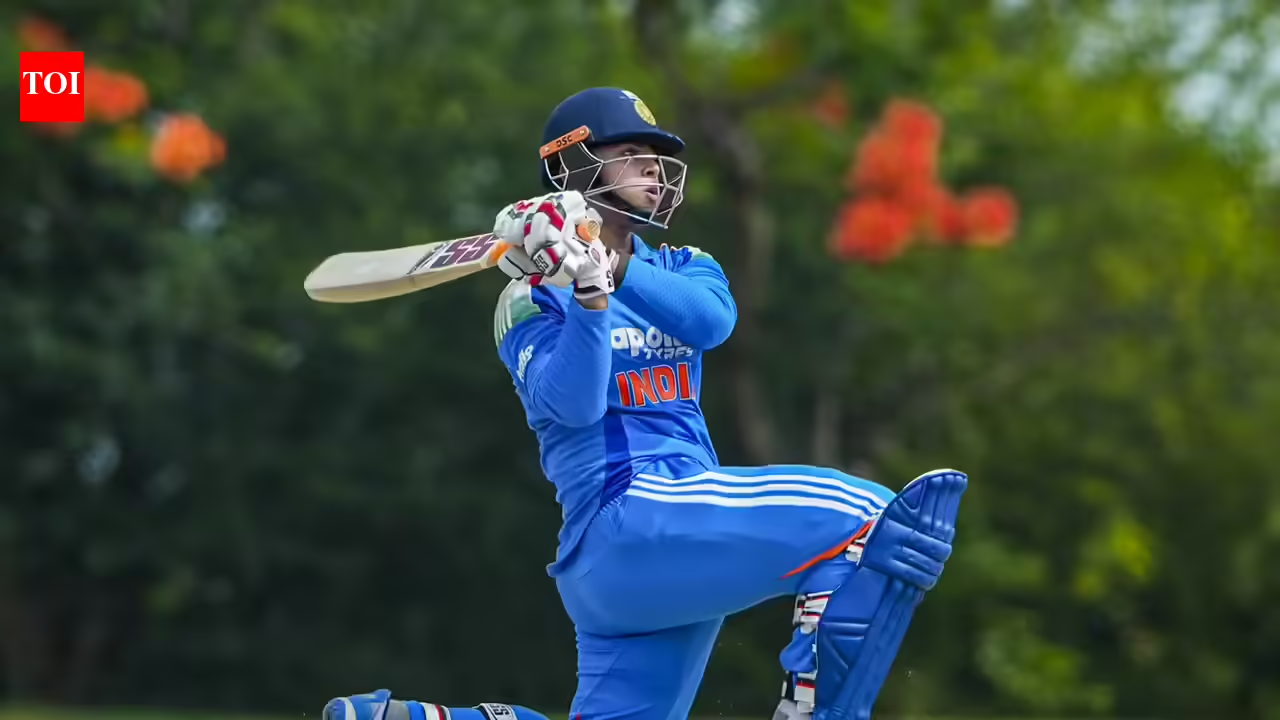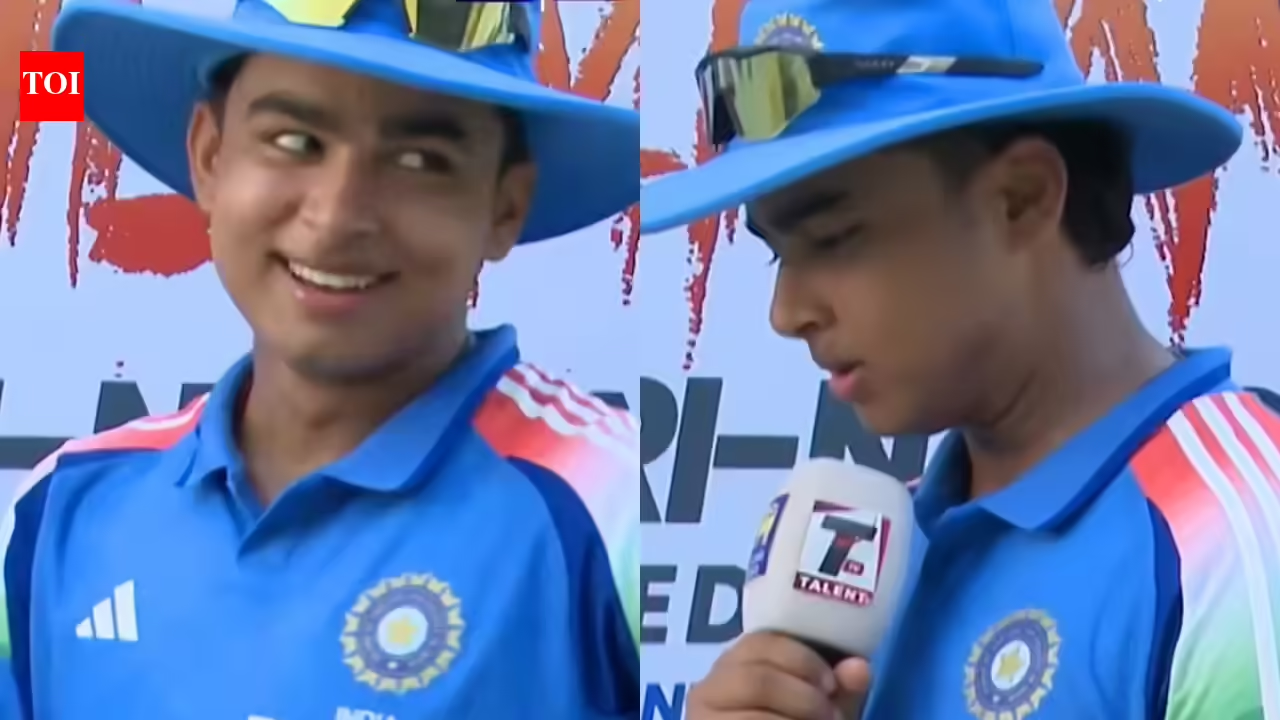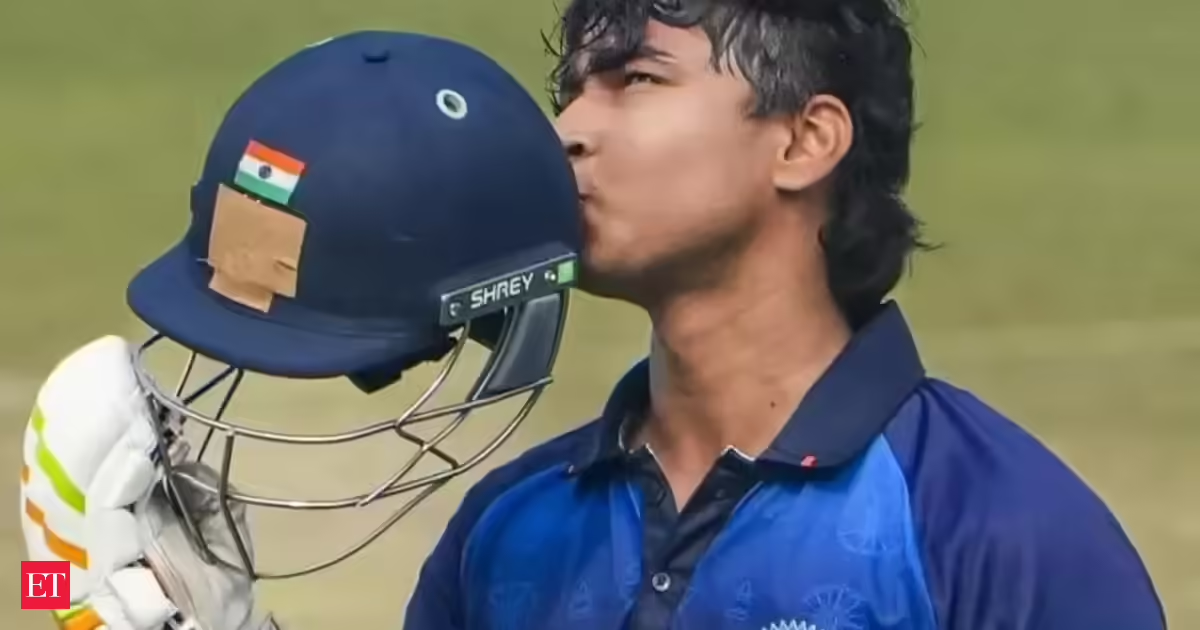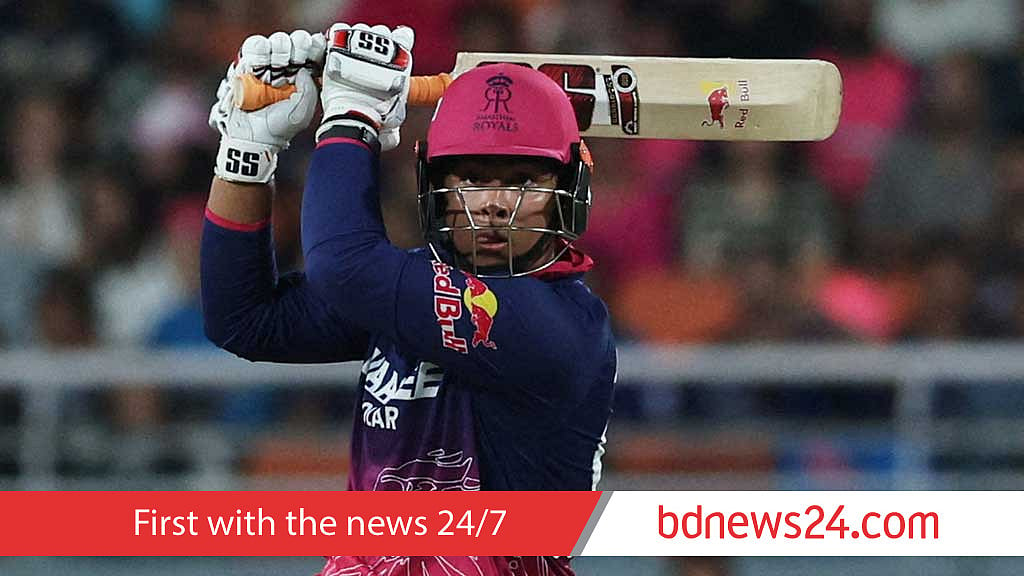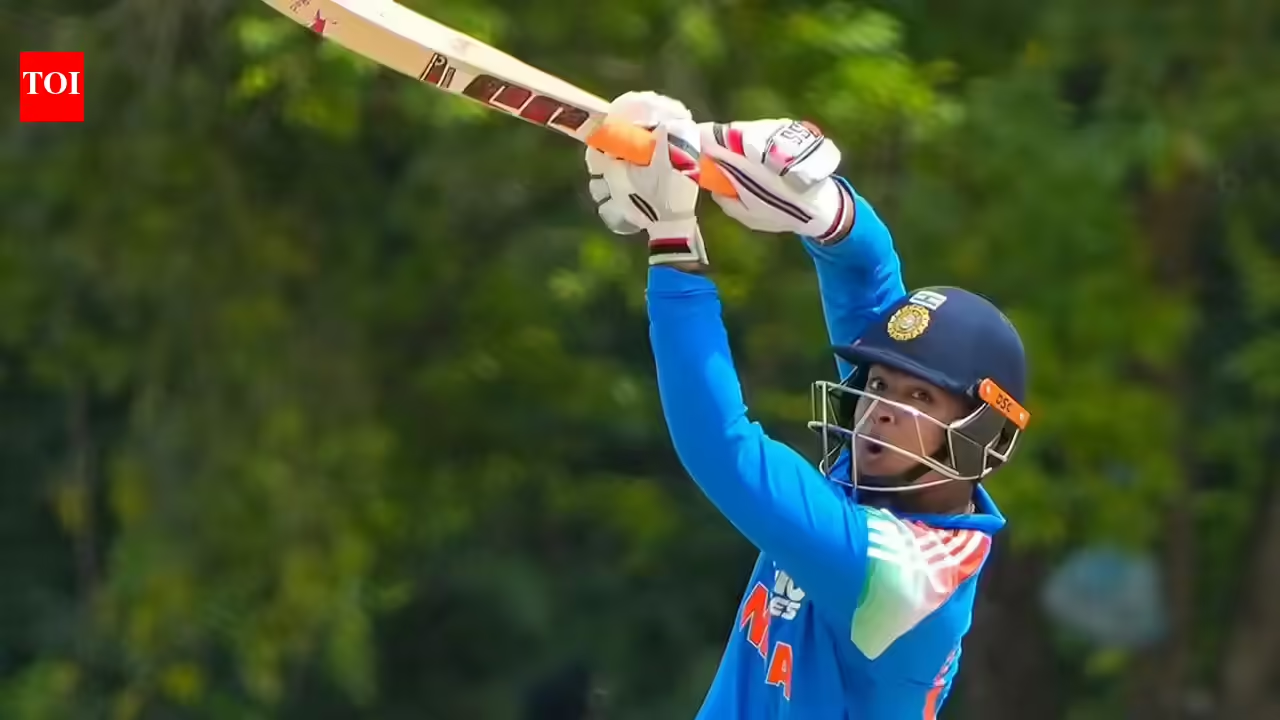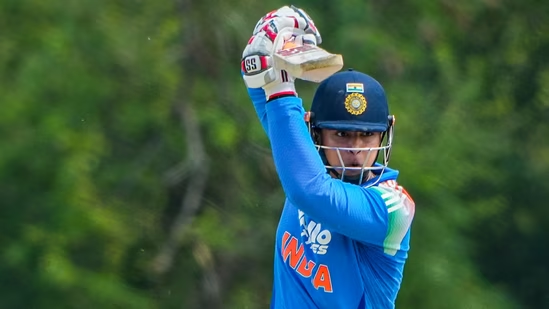
Vaibhav Sooryavanshi did not merely play a stunning innings in the Tri-Nation A Series final. He added another entry to a pattern that is becoming harder to dismiss.Vaibhav Sooryavanshi in the final vs Sri Lanka A. (SLC)The bigger the match gets, the more dangerous he seems to become.On Sunday, in the final against Sri Lanka A in Dambulla, the 15-year-old left-hander smashed 94 off just 29 balls, with 10 fours and eight sixes, as India A posted 377/9 and went on to beat Sri Lanka A by 66 runs to lift the title. His fifty came off only 11 balls, the fastest half-century in List A cricket, but the larger story was not merely the speed of the innings. It was the timing of it.This was a final. This was after a tournament where he had not fully dominated the league stage. This was against a Sri Lanka A side that had already pushed India A hard. This was a day that asked for control, composure and clarity. Vaibhav responded by turning the first ten overs into a personal assault.That is why this knock should not be treated as just another entry in the growing book of his freakish ball-striking. The more interesting reading is this: Vaibhav is starting to show the temperament of a player who does not shrink under pressure. He does not merely handle the occasion. He appears to feed off it.The final was not an isolated explosionThe numbers from this series make the argument stronger. Before the final, Vaibhav had made 117 runs in four innings. He had not been poor, but he had not fully imposed himself either. There had been starts, flashes and moments of violence, but not the defining innings that a player of his hype is expected to produce every time he walks in.Then came the final: 94 in 29 balls.That means 44.5 per cent of his series runs came in the title match. Even more strikingly, he hit eight sixes in the final after having managed only three in the first four innings. In other words, 72.7 per cent of his sixes in the tournament came in one innings, in the biggest game of the series.That is not a normal progression. That is escalation.India A were 132 in just nine overs because of his early assault. Even though the innings slowed down after his dismissal, the damage had already been done. Sri Lanka A were chasing 378 before they had even settled into the final. The psychological effect of such an innings is often as important as the scoreboard effect. A final can become a long game of calculation and nerves. Vaibhav turned it into a chase against panic.The real gift may be appetite, not just powerThe easiest thing to say about Vaibhav is that he hits the ball a long way. That is obvious. The more important question is whether his game holds when the pressure rises.So far, the early evidence is fascinating.A lot of young hitters can look outrageous when conditions are flat, the game is loose or the opposition has already been broken. Vaibhav’s early career is beginning to offer something more valuable: evidence that he can enter a high-stakes game carrying noise, expectation and scrutiny, and still produce his most extreme version.The final was also not just instinctive hitting. It came after a tournament where he had not quite found his most destructive rhythm. That makes the innings more revealing. He was not simply continuing form. He was correcting course on the biggest day of the competition.That is an important marker for a young player. Talent gives you the range. Temperament tells you when you can access it.Vaibhav’s current pattern suggests that pressure does not make him safer. It makes him more committed to attack.The pattern is now becoming difficult to ignoreThis is not the first time Vaibhav has stamped himself on a major game.Earlier this year, in the Under-19 World Cup final against England, he made 175 off 80 balls, with 15 fours and 15 sixes, as India went on to win the title by 100 runs. It was the highest individual score in an Under-19 World Cup final. Again, the stage was not small. Again, the output was not cautious. Again, Vaibhav did not merely contribute; he bent the match around himself.Then came the IPL knockouts. In the Eliminator against Sunrisers Hyderabad, he made 97 off 29 balls for Rajasthan Royals, an innings that helped knock SRH out and took RR to Qualifier 2. Two days later, against the Gujarat Titans in Qualifier 2, he followed it with 96 off 47 balls. Rajasthan lost, but Vaibhav again stood out in a pressure game where most young players would have been forgiven for simply trying to survive.Put those four innings together - 175 off 80 in the Under-19 World Cup final, 97 off 29 in the IPL Eliminator, 96 off 47 in IPL Qualifier 2 and 94 off 29 in the A-series final - and the picture becomes loud.Across those four high-pressure innings, Vaibhav has made 462 runs off 185 balls. That is a strike rate of 249.73.For a 15-year-old, the number is absurd. But the more telling part is not even the strike rate. It is the setting. These are not random league-stage assaults stitched together to manufacture a narrative. These are finals and knockouts. These are games that carry consequences. These are matches where one bad shot can quickly become a character judgment.With Vaibhav, the instinct appears inverted. Pressure does not seem to make him retreat. It seems to pull him further into attack.Also Read: ‘Why are people surprised?’ Vaibhav Sooryavanshi after record-breaking knock steals the show in India A’s tri-nation winWhy this matters for India’s long-term pictureIndia have produced plenty of teenage batting hype before. Some of it has translated. Some of it has faded. That is why any sweeping conclusion about Vaibhav still needs caution. He is only 15. Bowlers will study him harder. Conditions will become tougher. Expectations will become heavier. The same aggression that makes him thrilling will also invite scrutiny when it fails.But that caution should not become denial.What separates this phase of Vaibhav’s rise is that he is not just making runs. He is making them in the games everyone remembers. Finals. Eliminators. Qualifiers. Title matches. These are the stages where reputation starts changing into evidence.The ball-striking is already elite for his age. The fearlessness is visible. But the emerging big-match record gives his story another layer. It suggests he is not only a gifted young batter with rare hand speed and power. He may also have the emotional appetite required to impose that gift when the stakes are highest.That is the part India will watch most closely.Because many players have talent. Fewer players have timing. And the rarest ones have the instinct to make the biggest day feel like the best day to attack.The verdictVaibhav Sooryavanshi should not yet be stamped permanently as a big-match player. That label needs years of evidence, not months. Cricket is too cruel, too layered and too unpredictable to crown a teenager so early.But the evidence is no longer soft.A 175 in an Under-19 World Cup final. A 97 in an IPL Eliminator. A 96 in an IPL Qualifier 2. A 94 in an A-series final. Four high-pressure innings, 462 runs, strike rate touching 250.That is not a loose collection of highlights. It is the beginning of a pattern.For now, the label should still carry an asterisk. But the trend is unmistakable. Vaibhav Sooryavanshi is not just building a reputation as India’s next outrageous batting prodigy. He is beginning to build something rarer: a record of turning big matches into personal statements.When the lights get brighter, Vaibhav does not appear to blink. He swings harder.
Vaibhav Sooryavanshi has a new reputation: The bigger the match, the more brutal he becomes
Vaibhav Sooryavanshi shone in the Tri-Nation A Series final, scoring 94 off 29 balls. | Cricket
TL;DRAI
Questo articolo è **fuori scope** per Warptech News. Tratta unicamente di cricket (performance del giocatore Vaibhav Sooryavanshi) senza alcun angolo tech, business, AI, economia, o trend rilevante per manager IT/CTO. Sports+Culture in Warptech copre notizie con implicazione strategica per il pubblico tech, non cronaca sportiva pura. Se l'articolo avesse riguardato es. computer vision per l'analisi tattica, AI negli sport analytics, o accordi media sportivi, avrebbe senso includerlo.
1,293 words~6 min read