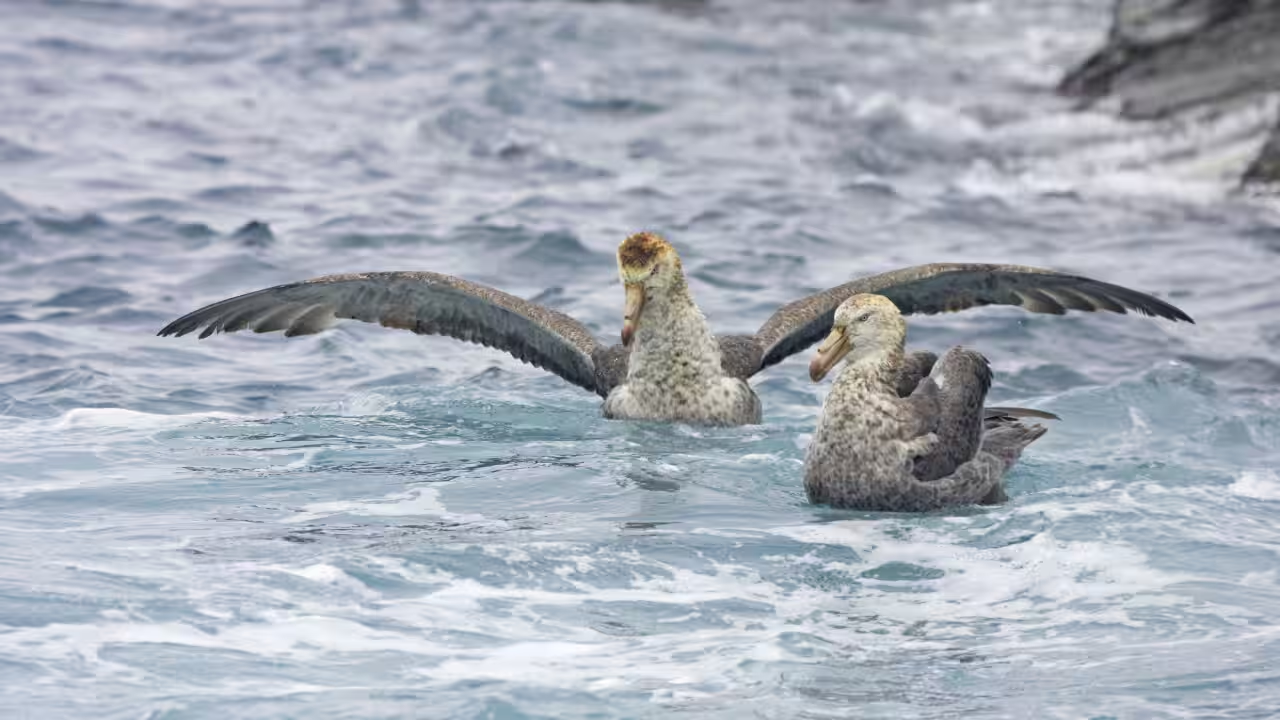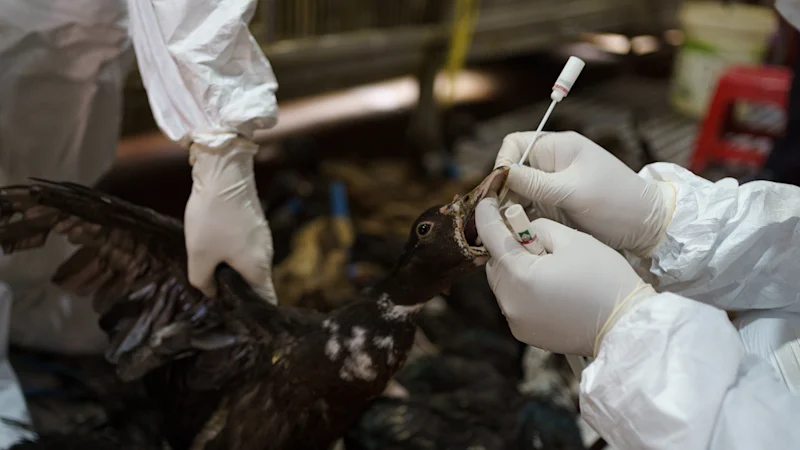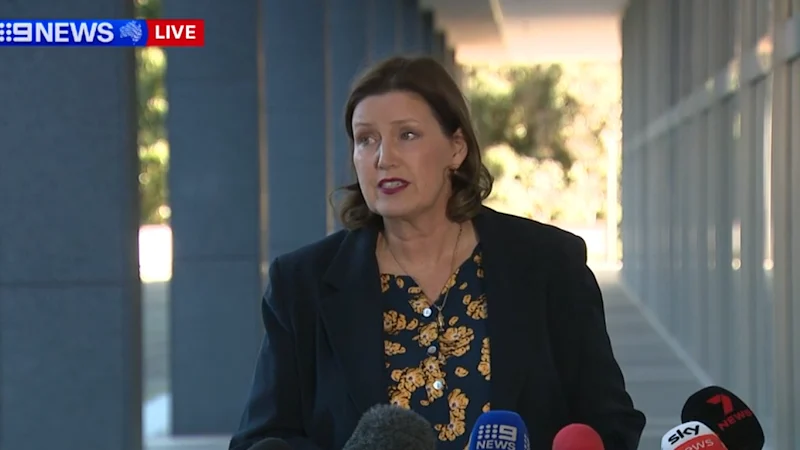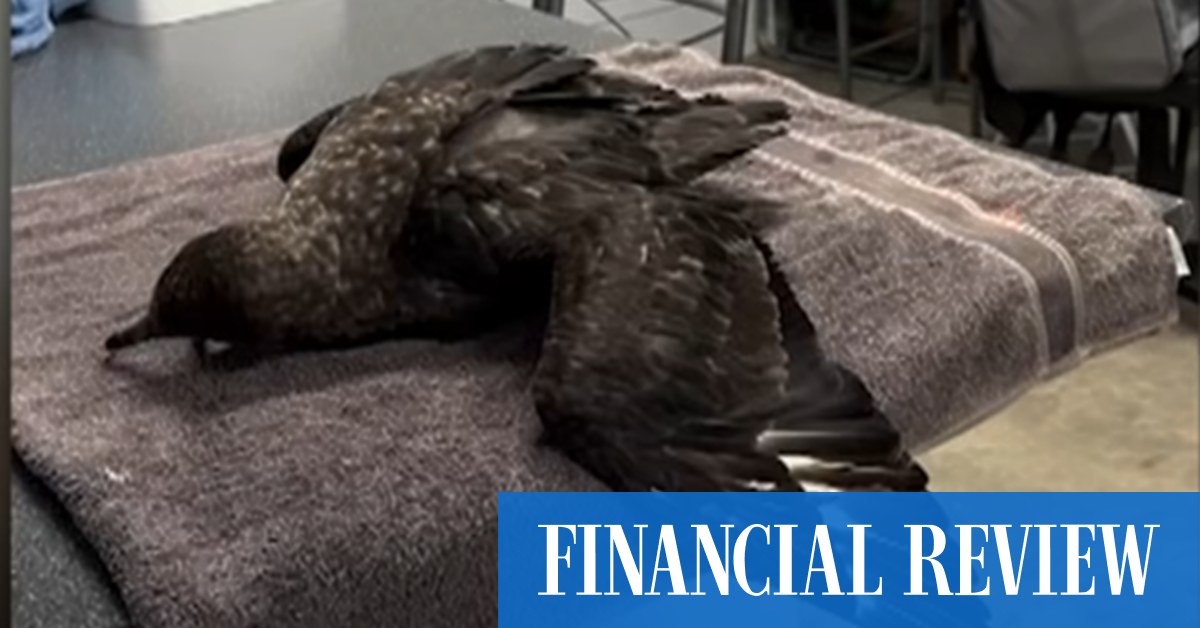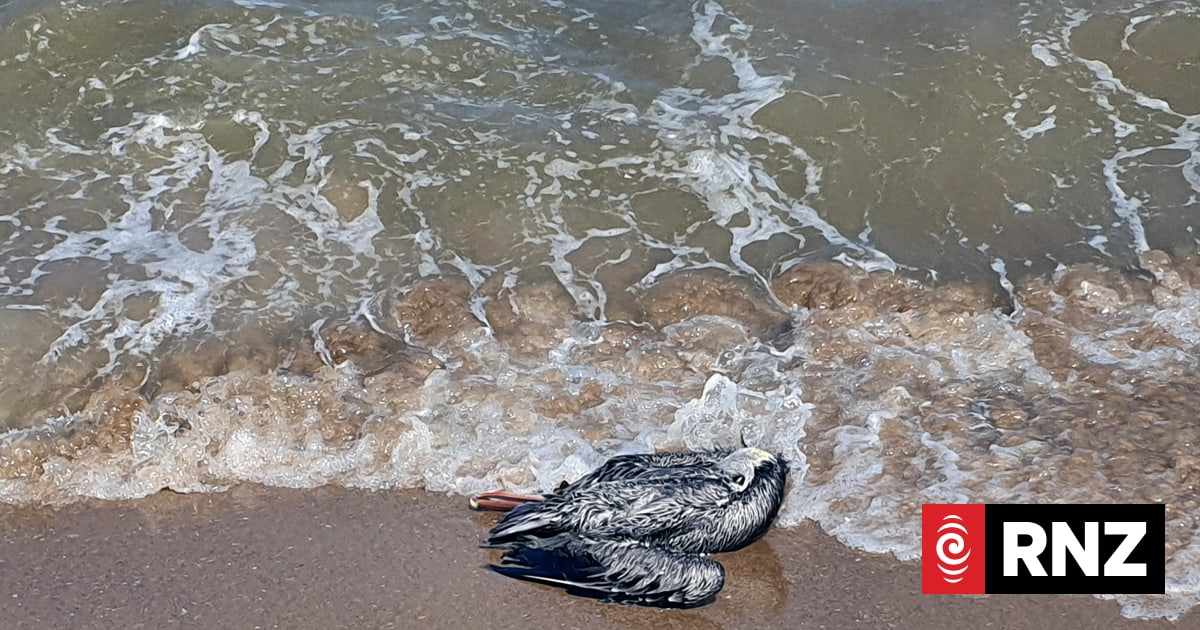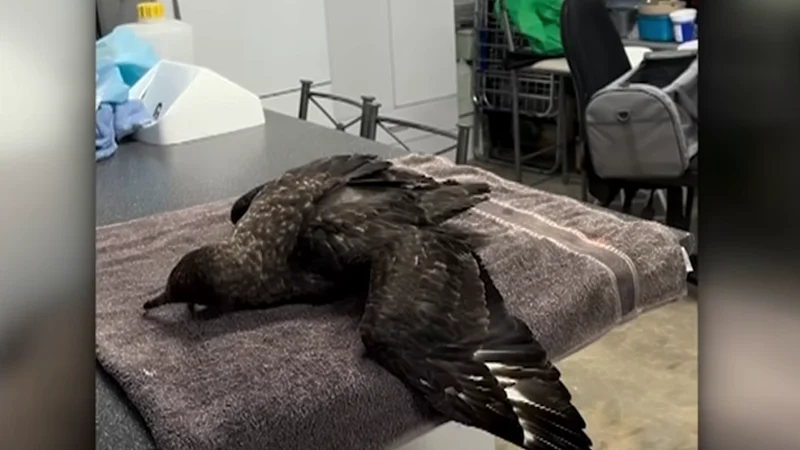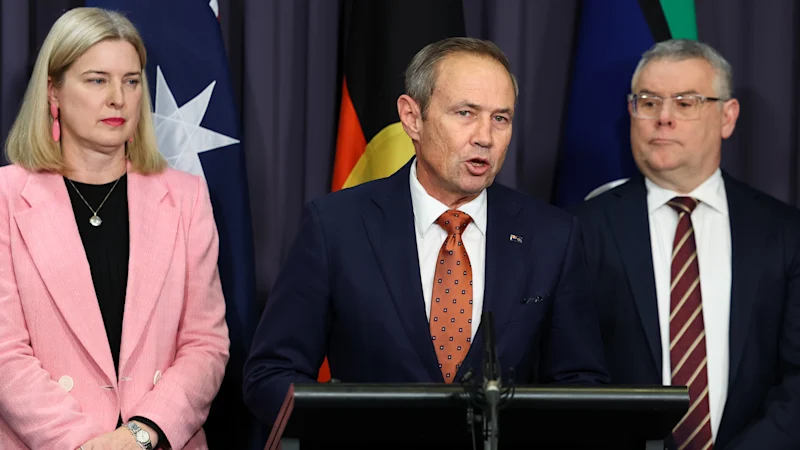
Updated June 22, 2026 — 2:53pm,first published 10:27amWestern Australia is “hoping for the best” but “preparing for the worst” after a second case of highly contagious bird flu was confirmed in a giant petrel found near Esperance, along the state’s southern coast.Premier Roger Cook urged “absolute vigilance” on Monday after testing confirmed Australia’s second case of H5N1 avian influenza.Minister for Agriculture, Fisheries and Forestry Julie Collins, WA Premier Roger Cook and Minister for the Environment and Water Murray Watt address the media during a press conference at Parliament House in Canberra on Monday. Alex EllinghausenThe nation’s chief veterinary officer, Dr Beth Cookson, said while there was currently no indication that the disease has been spread to other populations, there had been a lift in the number of reports coming through the emergency animal disease hotline.In a press conference alongside Cookson, federal Agriculture Minister Julie Collins and Environment Minister Murray Watt, Cook commended WA’s efforts in remaining alert to any outbreaks.“Western Australia has a vast coastline, one that’s very exposed, particularly to migratory birds, and so from that point of view absolute vigilance is key for that early detection to make sure that we can stay on top of any outbreaks of the disease,” he said.“Hoping for the best, preparing for the worst, and being over-prepared here is obviously key to making sure that we can respond to any biosecurity threat.A giant petral found near Esperance, on WA’s southern coast, was the second confirmed case of H5N1 avian influenza - or, bird flu.Esperance Wildlife Hospital and Sanctuary“My government has stood up a hotline for people to report any concerns or activity they see in local wildlife or agricultural animals, just to make sure that we’ve got the very best opportunity to continue to early detection, and we want people to be vigilant.“This is obviously a very concerning situation, but it’s one that we’re prepared for.”Cookson said she had been advised by WA’s chief veterinary officer Dr Michelle Rodan there were currently no indications of mass mortality in the state.The brown skua, pictured, was found sick on a beach near Esperance in WA. It was later confirmed as the first Australian case of the deadly H5N1 variant.Esperance Wildlife Hospital“We would expect a baseline level of deaths in wild populations at any time,” she said.“What we’re trying to do now, in the early days of the investigation, is to understand that what’s being reported through the public hotline is associated with that normal baseline, or whether there has been any indication of spread.“I have no information that would suggest that there is a suspect laboratory result or a situation of multiple mass mortalities that would indicate a high level of suspicion, that’s all I can say at this stage.”Cookson said authorities were prioritising the investigation of the two reported birds to see whether there was any evidence the disease had spread to other susceptible species.“So far, we don’t have any indication that it has spread to other populations, but that’s the first step that we need to take to establish whether these two individual migratory seabirds that have tested positive have been able to spread it to other birds,” she said.Shares in Australia-listed chicken producer Inghams dropped as much as 14 per cent in early Monday trading after the company said it had locked down its WA operations following the detection of the H5N1 avian influenza in the state.The company has implemented a “complete lock-down” with no non-essential access to its farms and processing operations in the state, which are all more than 690 kilometres from where the infections were detected, Inghams said in a statement.There have been no cases in commercial poultry, it said.Monday’s slide was the biggest in four months and Inghams shares are down more than 23 per cent in the year to date. The company continues to supply poultry to the market as usual, it said.The H5N1 variant of the virus was first confirmed in a sick brown skua found on a remote beach near Esperance, about 700 kilometres southeast of Perth.The giant petrel was the second migratory bird to return a positive result.Esperance Poultry Association president Gavin Millard told 6PR that the group’s committee had decided to cancel its 39th annual poultry show to minimise the risk of spreading the virus.“The fact that Esperance is a coastal town, a lot of people have got backyard chooks with their own egg needs, and the fact that it is right there is a bit of a worry,” he said.“We’ve just got to keep our birds away from the wild population as much as possible.“That might mean keeping them locked up a bit more than usual but it is just something we need to do to try and get through this without spreading it around too much.”Millard said he had heard reports that more birds had been found, but nothing has been confirmed with the virus at this stage.“I’m a reasonable distance off the coast, but the guys on the coast have definitely got more chance of interaction with wild birds and that’s how it’s going to spread,” he said.“The less we can have of our own poultry running around outside, messing with the wild birds, the better off and safer we will be.”Watt said while the federal government was aware of numerous reports of sick and dead birds, it wasn’t clear whether they related to bird flu, or the “many other reasons birds die every single day”.“At this point, there’s no need for alarm that this has become a more widespread incident beyond those two birds,” Mr Watt told ABC Radio on Monday.He said if Australia was to have a widespread outbreak, it would have a very significant impact on native wildlife, rather than poultry stocks.The strain was previously detected on Heard Island in October, where an estimated 13,359 southern elephant seal pups died.Australia has been preparing for the arrival of H5N1 for years as the only continent yet to be impacted by the strain.The federal government has developed more than 100 response plans for key sites and vulnerable species and invested about $100 million in preparedness.The discovery has fuelled fears among scientists, conservationists and agricultural groups, who point to mass mortality events and species-level population reductions in overseas outbreaks.Birdlife Australia director and ornithologist Mandy Bamford told 6PR that Australia was in a fortunate situation that it could learn lessons from how the virus has been managed in other parts of the world.“That virus has been circulating in the northern hemisphere the last couple of years. So we do know some things,” she said.“We know that some particular birds are particularly susceptible … we know that we need to keep poultry away.“Populations in the northern hemisphere that are in protective reserves, where they’ve controlled predators, have recovered more quickly than areas where they’re under stress.“What everyone can do is to be vigilant, help with the surveillance, but then also look after what we can control.”with AAPFrom our partners
WA ‘hoping for best, preparing for worst’ as second case of deadly bird flu confirmed
Testing has confirmed a second case of H5N1 in a giant petrel found near Esperance. Meanwhile, shares in Inghams dropped as much as 14 per cent as the company revealed it had locked down its WA operations.
1,158 words~5 min read