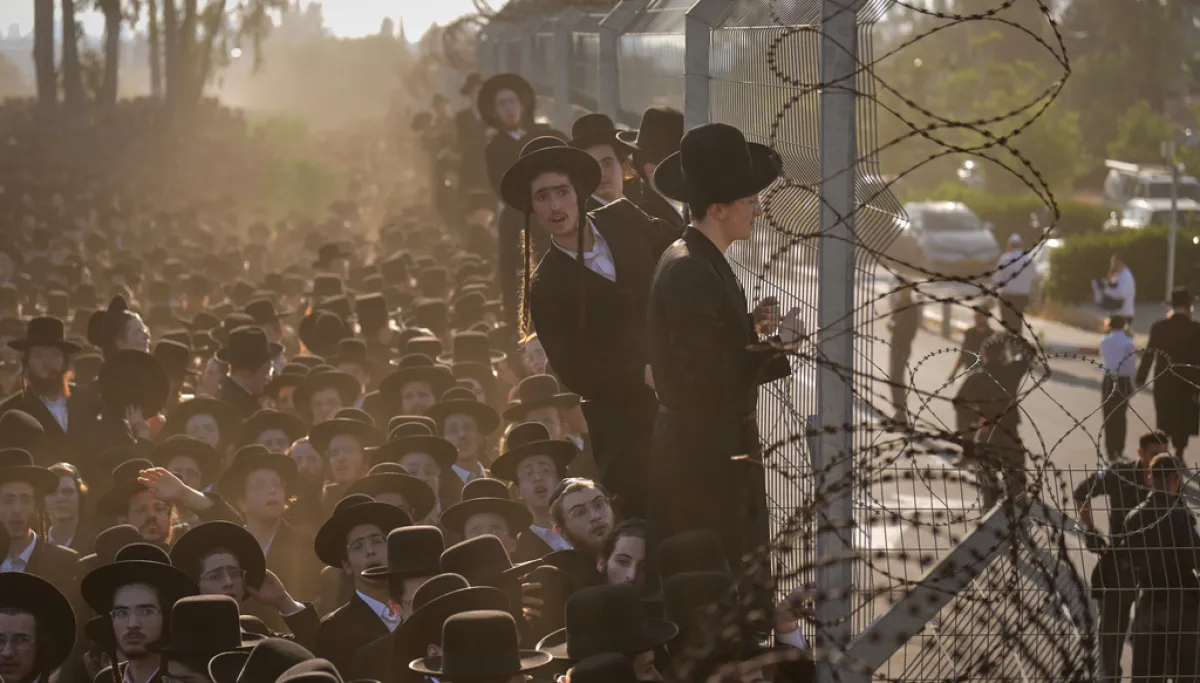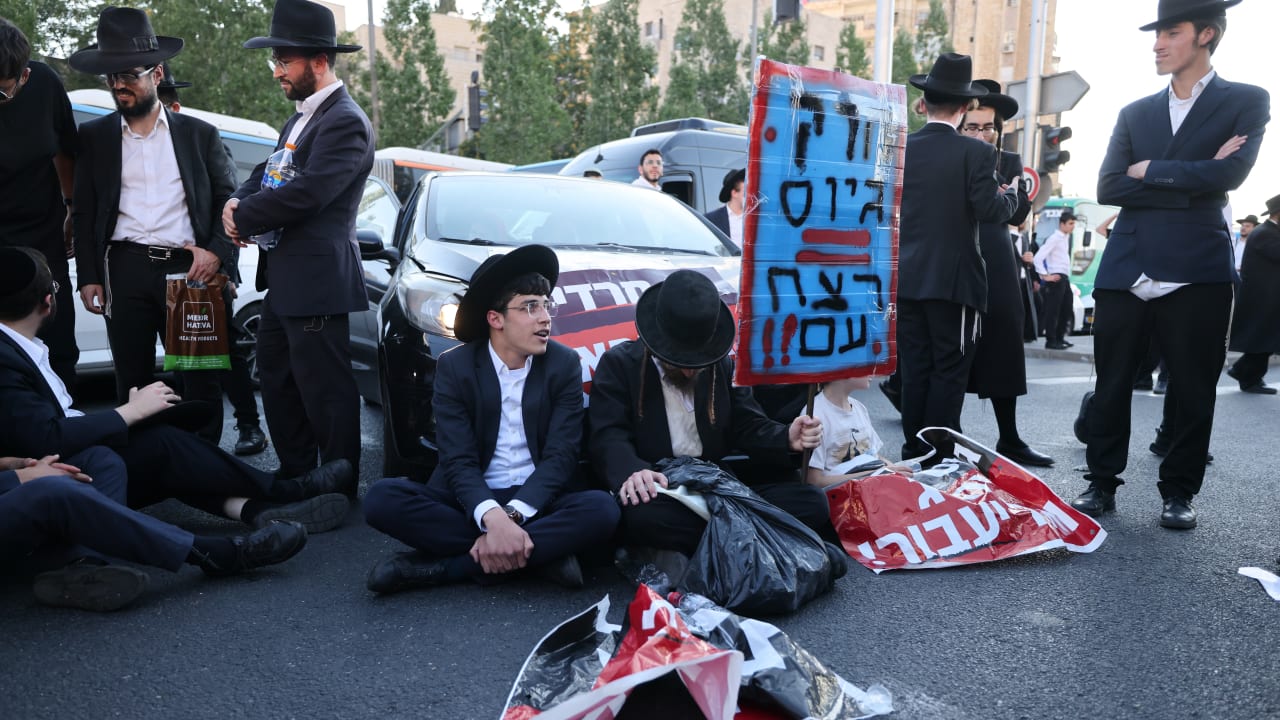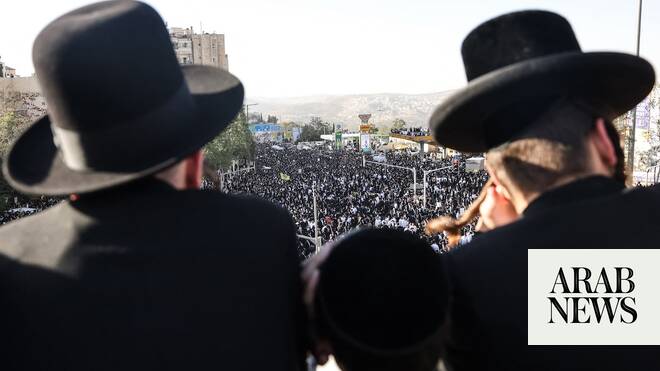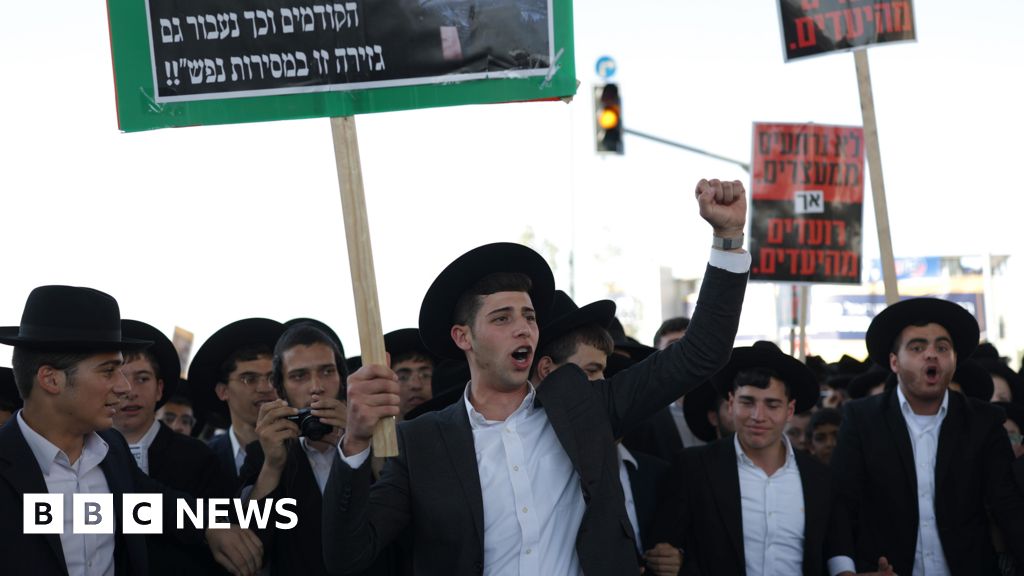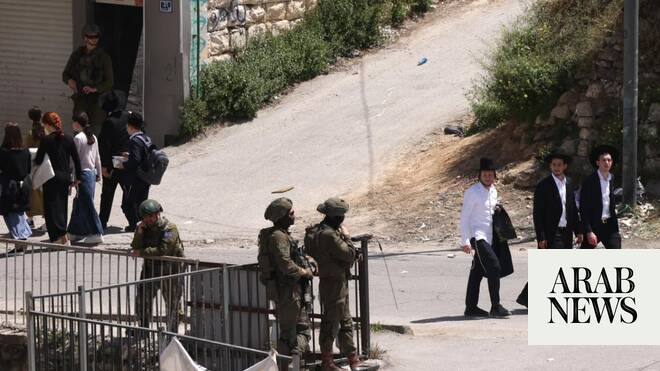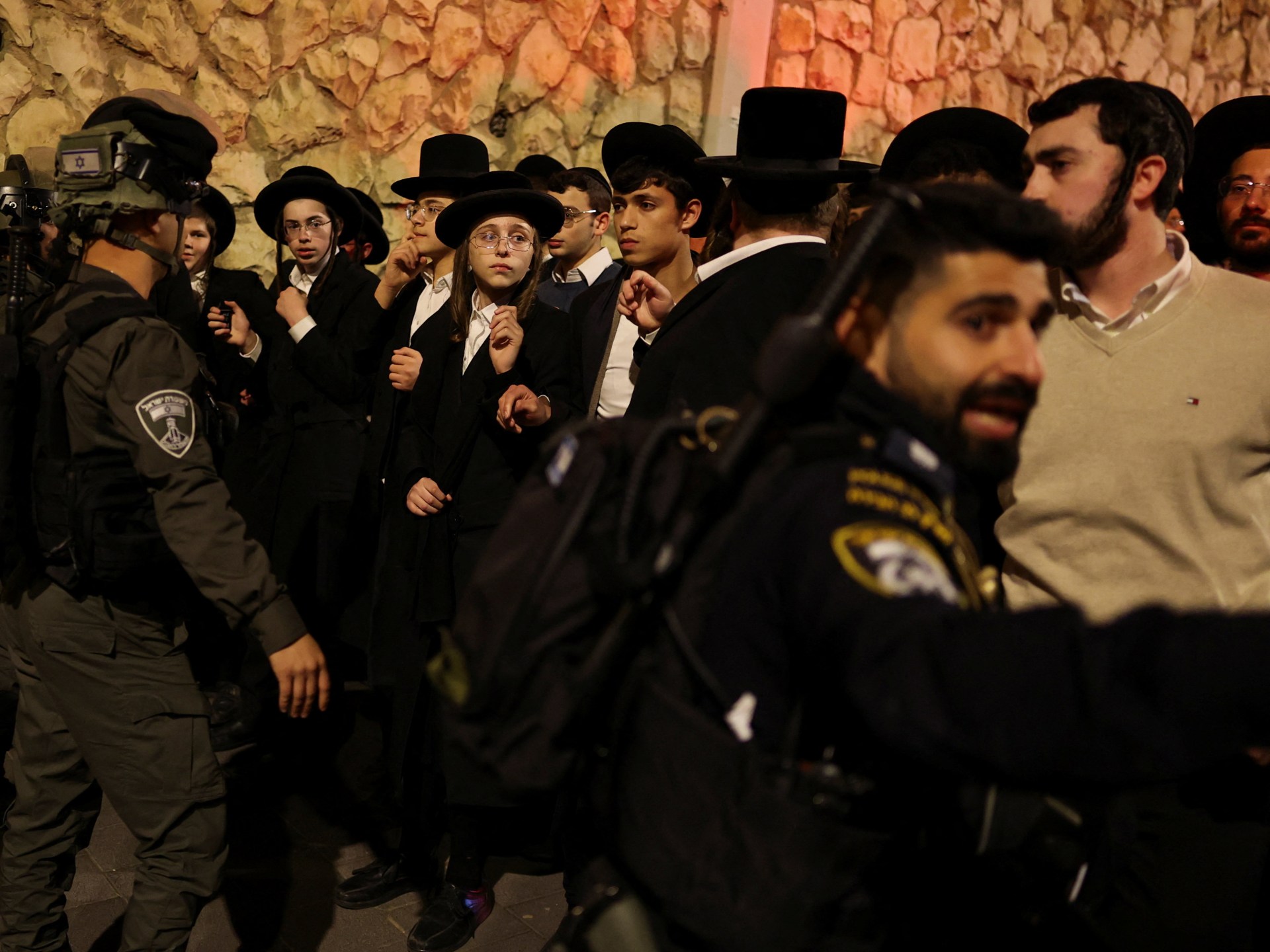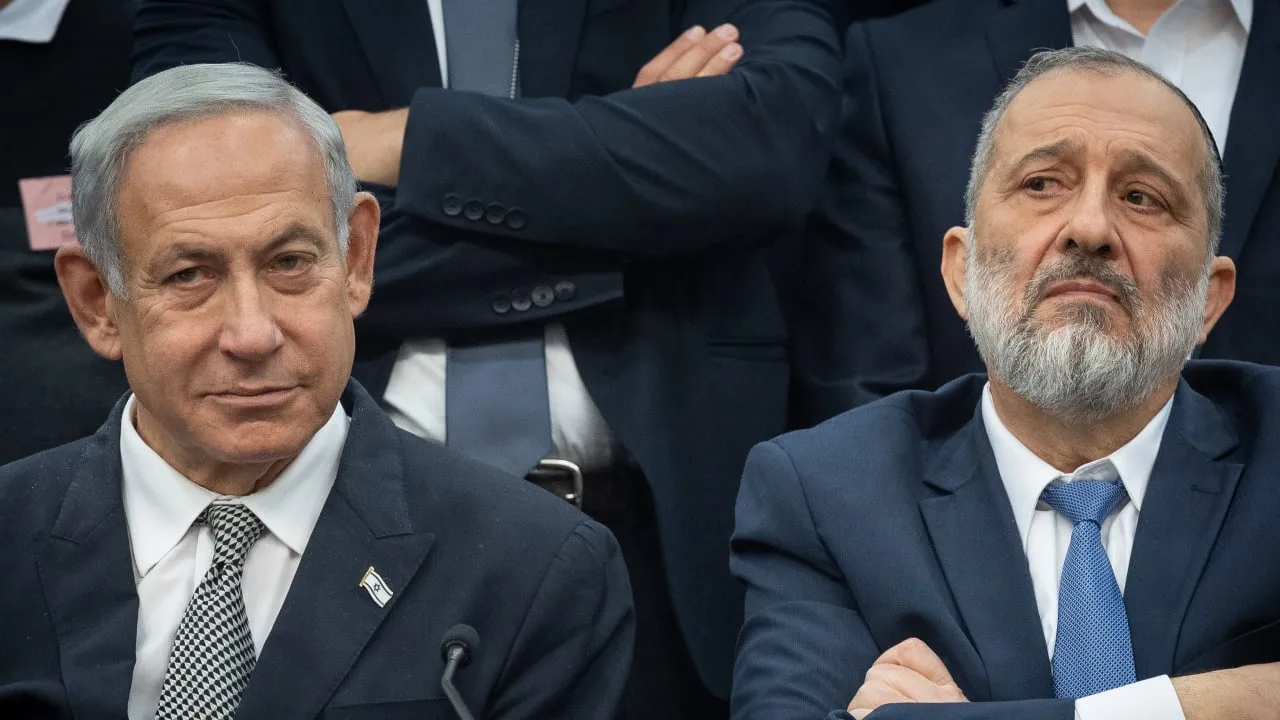
ByURI REGEVJUNE 22, 2026 03:14“Even if Netanyahu tells me that one plus one equals two, I won’t believe him.”These words didn’t come from an opposition leader – though they feel exactly the same way.They came from Rabbi Dov Lando, the preeminent figure of the Ashkenazi haredi (ultra-Orthodox) yeshiva world, who recently declared that the time has come to bring down the government over its failure to pass the draft-exemption legislation promised to the haredi parties.A wartime government is being threatened with collapse – not over the failure to influence the Iranian-US deal, not over the economy, or any of the genuine crises consuming the country since October 7 – but because it has not (yet) delivered a law designed to keep over 100,000 young men out of uniform while their non-haredi peers are fighting on multiple fronts.The haredi world holds that immersion in Torah study is the real source for Israel’s security and should be viewed as a higher form of national service. Ultra orthoodx jewish men block a road and clash with police during a protest against the jailing of yeshiva students who failed to comply with an army recruitment order, in Jerusalem, June 1, 2026. (credit: YONATAN SINDEL/FLASH90)So, in the midst of wartime, there are 100,000 men evading the draft, defying Supreme Court rulings, while their leaders call for tax revolts against the state if the draft dodgers are arrested.Diaspora Jews have long treated Israel’s religion-state tensions as a background grievance – serious, but somehow always deferred. But the last few years have shown that anti-pluralism policies and rhetoric have escalated, with close collaboration between Likud and their ultra-Orthodox and far-right coalition partners.Working hand in hand with the ultra-Orthodox parties, the government is imposing Orthodox control over marriage and divorce, conversion, kashrut, burial, and Jewish education, as well as expanding the authority of the rabbinical courts and the Chief Rabbinate.The result is religious coercion, harm to gender equality, marginalization of non-Orthodox Judaism in Israel and the Diaspora, and the systematic and deliberate neglect of hundreds of thousands of children in ultra-Orthodox schools that do not teach mathematics, English, or civic literacy; these children are being prepared, in effect, for a life of dependence rather than contribution.And then there is the money.For decades, Diaspora Jewish leaders and philanthropists have responded generously to Israel’s appeals for support, under the belief that the state cannot fund its social and educational needs alone.But three studies published in recent months are telling.The Israel Democracy Institute puts direct and indirect state subsidies to the ultra-Orthodox sector at a conservative NIS 35 to 37 billion for 2025 alone.The Aaron Institute for Economic Policy at Reichman University finds that a non-haredi Jewish family in the middle socioeconomic brackets pays the state roughly NIS 1,500 net per month, while a haredi family at the same income level receives NIS 1,350 from the state.And a study by the conservative Kohelet Policy Forum calculated that an ultra-Orthodox household receives a net average of NIS 5,983 per month from the state, while a non-ultra-Orthodox Jewish household pays a net NIS 8,842 per month – a gap of nearly NIS 15,000.What we are looking at is not a welfare safety net stretched beyond its means.It is a parallel economy, underwritten by political extortion and a government that manufactures gaps rather than confronting them. Leading Israeli economists warn that Israel will collapse into a third-world economy if nothing is done.Chief Justice Sohlberg's home attackedThe price isn’t only financial. A few weeks ago, dozens of extremist ultra-Orthodox men attacked the home of Deputy Chief Justice Noam Sohlberg – smashing windows, damaging his car, and uprooting bushes – while the justice, his family, and grandchildren were inside. His wife emerged crying, saying it felt like a pogrom. Like Kristallnacht. That is what years of rabbinic incitement produce: a community taught that the law does not apply to it.Haredi participation in Israeli democracy is now largely transactional – a vehicle for extracting resources, with no genuine identification with democratic norms, the rule of law, or Zionism.Across the political spectrum, this has been understood and quietly accepted for years in exchange for coalition arithmetic.But October 7 may have changed that calculus. The ongoing war, mounting casualties, expanding fronts, and the army’s desperate need for additional soldiers have exhausted the public’s patience with mass draft evasion.If this growing reckoning is not translated into clear political expression – both at the Israeli ballot box and in Diaspora engagement – the future of the Zionist enterprise can no longer be taken for granted.When Israelis go to the polls later this year, they will be voting, among other things, on whether the promises of the Declaration of Independence – freedom of religion and equality regardless of gender or religion – remain operative.Those promises have been steadily eroded, with Diaspora Jewry watching from the sidelines.Diaspora Jews cannot vote. But the religion-state crisis does not politely stop at Ben-Gurion Airport. It shapes Jewish identity, Diaspora-Israel relations, and the long-term success of the Zionist project that the Diaspora has long championed. The urgency of this moment belongs to all of us.Seventy-eight years after Israel’s founding, the gap between what was promised and what exists is steadily growing. This year’s elections are a chance to begin closing that gap – but only if the people who love this country, wherever they live, speak up for the values they cherish.The writer is one of Israel’s most prominent advocates for religious freedom. He currently serves as -resident and CEO of Hiddush - For Religious Freedom and Equality.Follow us on Google
Israel faces growing backlash over haredi military exemptions | The Jerusalem Post
Israel’s wartime unity is strained as ultra-Orthodox draft exemptions fuel a deepening political crisis and public backlash.
924 words~4 min read