June 22, 2026
Grazing land
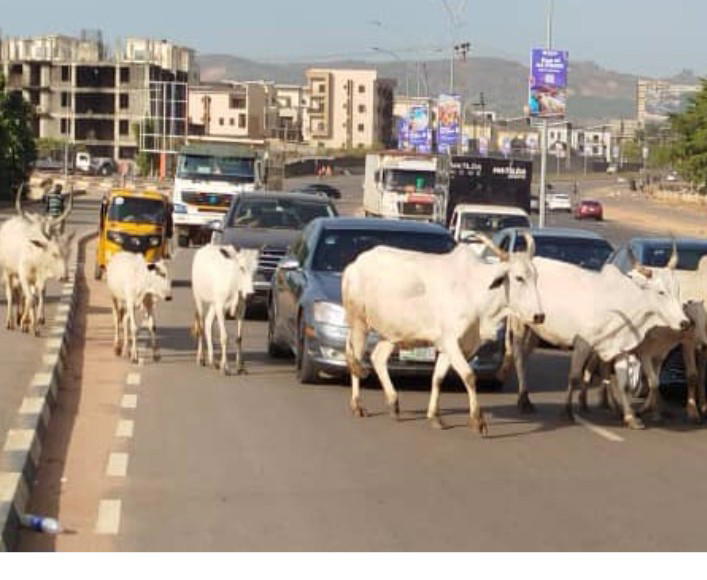
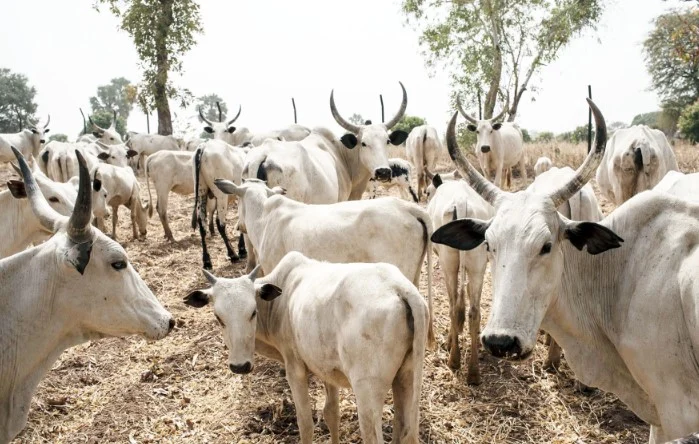
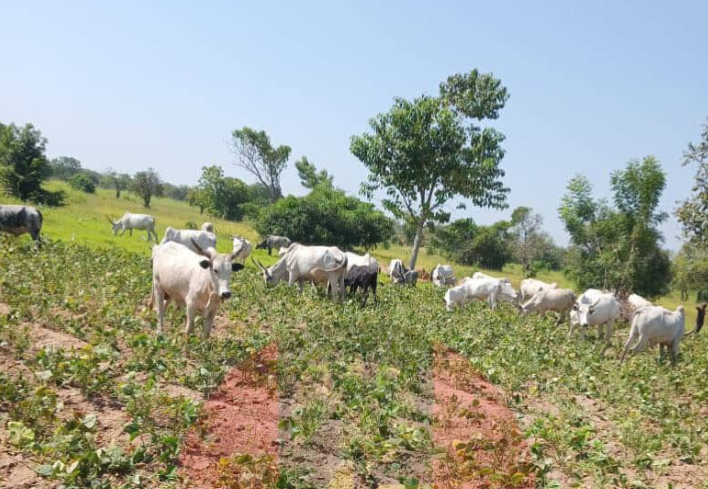
The renewed push by the Federal Government to end open grazing and activate the so-called 470 gazetted grazing reserves is a deeply troubling return to a policy that has already generated fierce controversy, failed to win public confidence, and proved impossible to implement smoothly in the past. Nigerians were told for years that open grazing would be phased out through orderly transition, yet the idea has repeatedly resurfaced in different guises, each time provoking the same anxieties about land, security, and fairness. It is therefore disappointing that a government which promised renewed hope and inclusion now appears willing to breathe life into a discredited scheme that could heighten tension nationwide.
The central problem is not whether livestock production should be modernised. It should. The problem is the repeated assumption that the burden of adjustment must fall on communities that did not invite it, did not consent to it, and may already have planned their land for other lawful uses. If the Federal Government is serious about these so-called legally gazetted grazing reserves, then it must publish their locations, ownership status, size, current use, and legal basis immediately. State governments, communities, and private landowners have a right to know whether any part of their land has truly been set aside for this purpose, and whether there was lawful consultation and consent before such designation was made.