In Part 5 we gave the model a list of tools and let it pick one. Ask the time, it calls the clock. Ask about the AI Club, it calls the retriever. That's already an agent — but a shallow one. Every question got answered in a single tool call.
Real questions aren't like that. "How many days until the next AI Club meeting?" has no single tool that answers it. The model has to search the knowledge base to learn the club meets on Thursday, then do date math on "Thursday" to count the days. Two tools, in order, where the second one can't run until the first one comes back.
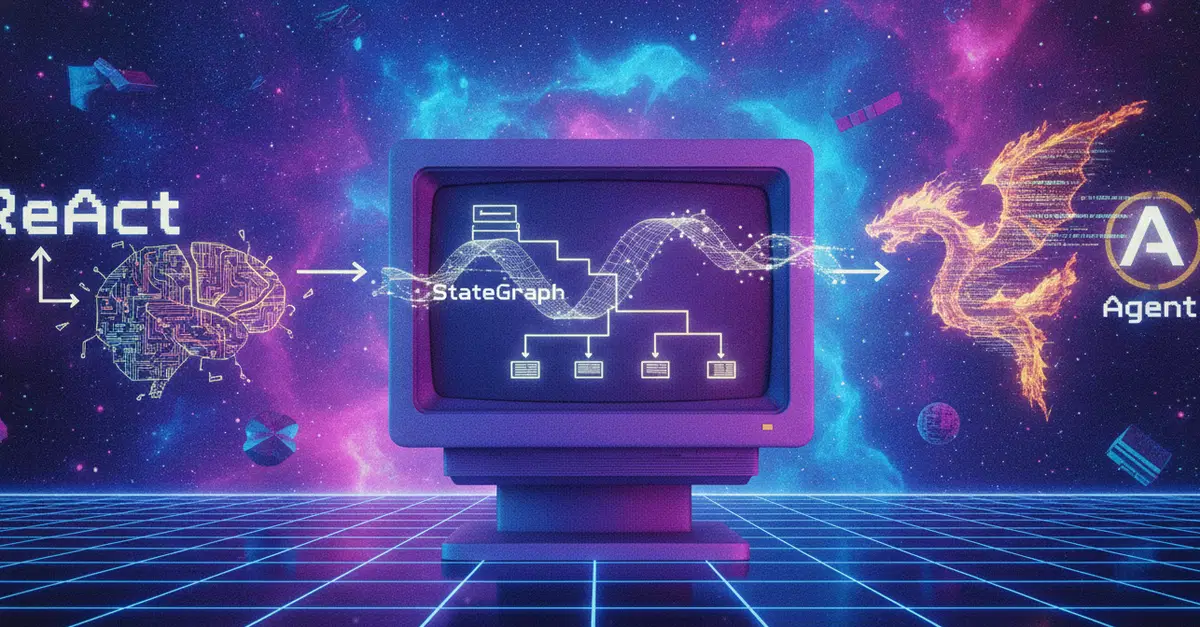
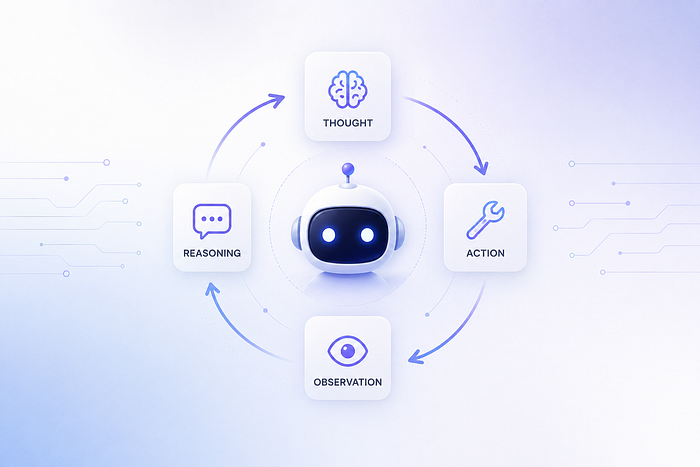
That's the jump this post makes: from picking a tool to running a plan. The pattern has a name — ReAct, for Reason + Act — and it's the loop underneath almost every agent framework you'll meet later. We build it in plain Python on the same hosted NIM endpoint, and we print the trace so you can watch the model think.
I'm B Torkian, NVIDIA Developer Champion at USC. Part 6 of the series.
What you're adding