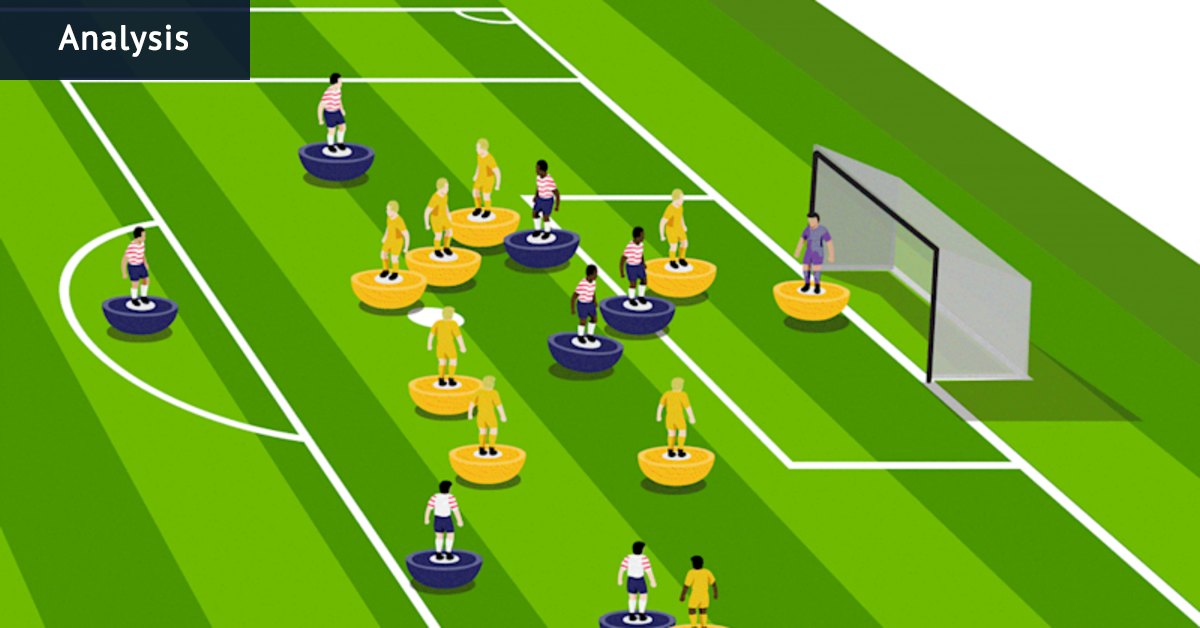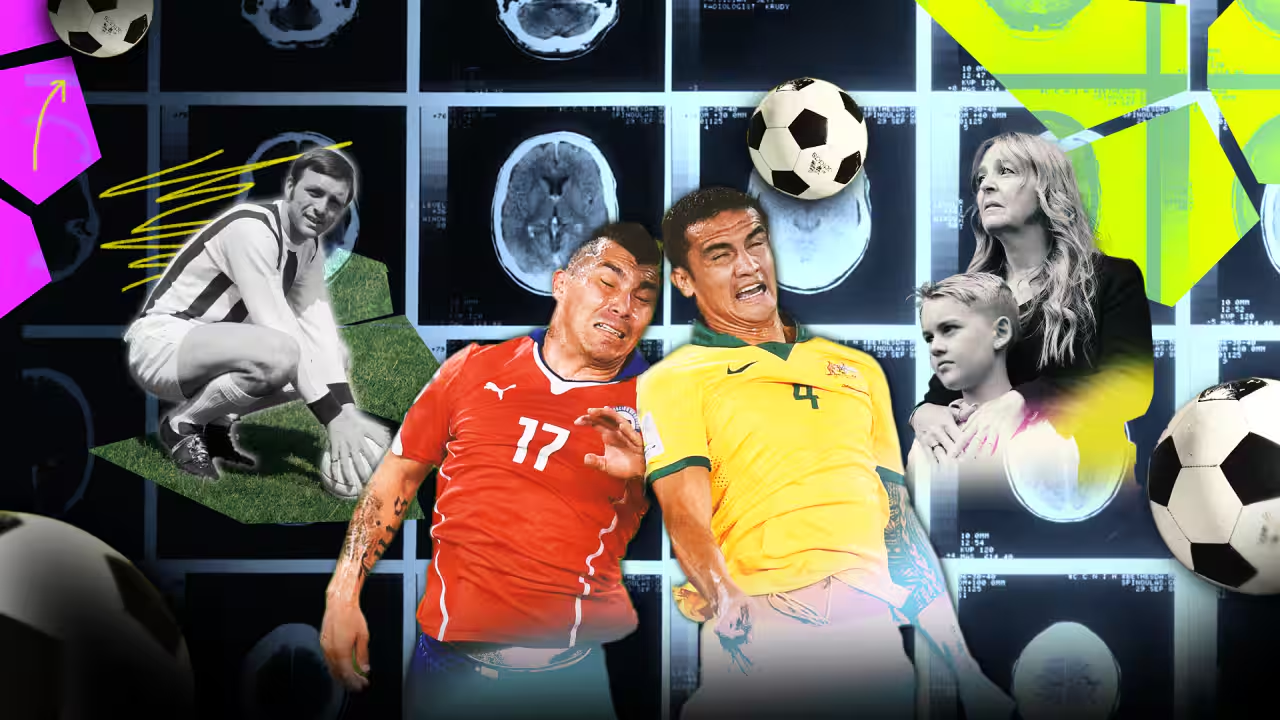
The atmosphere in the stadium was miserable.With just seven minutes left on the clock, an 80,000-strong crowd at Sydney's Stadium Australia huddled under ponchos, watching the Socceroos struggle in the rain against Iraq.Australia desperately needed to score. At stake was a spot in the 2014 FIFA World Cup finals.Then it happened.In the 83rd minute, midfielder Mark Bresciano clipped in a cross and striker Josh Kennedy rose between two defenders to head the ball into the net. It delivered the game's only goal and booked the team's ticket to Brazil.News that makes senseYour trusted source for staying up-to-date with the world around you. Get free daily news updates and analysis, straight to your inbox.That euphoric moment is one of the many times Australian footballers have put their bodies on the line to deliver crucial wins for the country.Josh Kennedy's headed goal booked Australia's ticket to the 2014 FIFA World Cup finals. Source: SBS, Supplied / Football Australia/Rosemary Vásquez-BrownBut the act of heading in football has come under increasing scrutiny in recent years, since several former players were diagnosed with dementia, including chronic traumatic encephalopathy (CTE).Click to view an interactive version of this storyIn 2002, former England striker Jeff Astle became the first British footballer found to have died from "industrial disease", following an inquest into his death. The decision was a landmark verdict linking heading the ball with brain trauma.The centre-forward — one of West Bromwich Albion's top scorers and known for his heading ability in a career spanning the late 50s to the late 70s — was diagnosed with dementia when he was 55. He died just four years later.Jeff Astle was known for being a prolific header of the ball. Source: Getty / Rosemary Vásquez-BrownHis daughter, Dawn Astle, describes how the condition affected him."One week he'd be fine, the next minute he was acting so strangely," Astle tells SBS News.Her father was originally presumed to have Alzheimer's disease — a form of dementia — but the inquest shed new light on the diagnosis.We knew then that his job had actually killed him.Twelve years after Jeff Astle's death, he was diagnosed with CTE, a progressive, degenerative brain disease caused by repeated head trauma, commonly associated with boxers.Astle says her dad was a prolific header of the ball and believes he would have practiced up to hundreds of times a day, particularly during training."[Some say] he scored more goals with his head than his feet," she says."We just knew that he would have [CTE], and he did."As the 2026 FIFA World Cup continues, the beloved but controversial move is again in the spotlight.All the FIFA World Cup 2026 coverage on our World Cup pageHow to watch the FIFA World Cup 2026 on SBSWatch all 104 matches of the FIFA World Cup 2026 at our On Demand hubWhen the Socceroos matches startAerial artistry comes at a costJeff Astle was known for his aerial ability, something many consider a crucial but sometimes overlooked part of a game, in which fancy footwork and swift passing tend to grab the attention of fans.Former A-League player Dean Heffernan says headers are common in both defence and attack.Defenders regularly head the ball clear of other players, and plenty of goals are also scored by headers received from corner kicks and crosses – a medium or long-range pass aimed at the centre of the field, close to a goal."It's very difficult to see the game without heading," Heffernan says.Former professional footballer Dean Heffernan says heading is an important part of the game. Source: SBS, Getty, AAP / Rosemary Vásquez-BrownRadim Mokrohajsky is the technical director of Balmain & District Football Club in Sydney, one of Australia's largest community football clubs with more than 3,000 players ranging from under-5s to over-50s. He says if headers weren't a part of the game, players would need to let the ball drop to the ground, which could lead to more high-speed chases and collisions.If you ban heading, what would then stop players jumping to a head height … and trying to kick the ball?"It would probably become quite ugly."But John Moriarty Football (JMF) program manager Jen Wicks, one of the few female coaches in Australia with a UEFA A Licence, says she believes banning headers could shift player selection away from "birth bias" that favours the biggest, strongest and most athletic kids."If we can keep the ball out of the air ... and keep the ball at feet, we ultimately by design create much more creative players, instinctive players, players that can make better decisions, players with better spatial awareness, players who want to play the game with some flair and creativity and want to look at being agile and being skilful."Debate over the role of headers comes as a growing number of studies show that the cumulative impact of heading the ball can be deadly.Jen Wicks believes a ban on heading could lead to more creative players. Source: SBS News / Rosemary Vásquez-BrownFootballers more likely to die of dementiaSustained advocacy from Jeff Astle's family and fans led to the commissioning of a landmark University of Glasgow study, which assessed the long-term health outcomes of professional footballers.Results of the Football's InfluencE on Lifelong health and Dementia risk (FIELD) study were published in the New England Journal of Medicine in 2019 and found that former professional players were 3.5 times more likely to die of neurodegenerative disease than others in the population.A follow-up Scottish study published in the journal JAMA Neurology in 2021 found male professional footballers with the longest careers had a five-fold increase in risk for neurodegenerative disease. It also found defenders, who are often required to head the ball in games, carried higher risk than other positions — almost five times that of the average population."The evidence is clear that the standout risk factor for neurodegenerative disease in football is exposure to head injury and head impacts," lead author Dr Willie Stewart of Glasgow University said in 2021."As such, a precautionary principle approach should be adopted to reduce, if not eliminate, exposure to unnecessary head impacts and better manage head injuries in football and other sports."Goalkeepers had the highest risk of neurodegenerative disease according to a study in Scotland. Source: SBS News / Rosemary Vásquez-BrownSome have theorised the old leather balls, which became heavier when wet, may have increased the risk for former players, but footballers in the study had careers from around 1930 to the late 1990s. Balls coated with wax and other waterproof coatings began circulating in the 1950s and 60s, while fully synthetic balls were introduced from the 1980s onward.Astle says her father described heading the older-style balls in the rain as "heading a bag of bricks". While this is less of an issue with modern balls, she notes they can travel faster and have a greater impact. Top professional players can kick balls at speeds exceeding 120km/h in normal play."The modern-day ball may actually be more of a problem than the old leather one."Scans show impacts on the brainEven when a head knock doesn't result in a concussion, a growing body of evidence shows that it can cause sub-concussive (also called non-concussive) impacts to the brain.Concussion is usually diagnosed due to symptoms such as nausea, imbalance, ringing in the ears and double vision.Michael Lipton is a professor of radiology at Columbia University in the US. He says concussion symptoms are a sign of brain injury, and people should stop playing and wait until they return to normal.However, sub-concussive impacts do not result in clinical symptoms, making them harder to detect. They can be identified using specialist magnetic resonance imaging (MRI) scans.Last year, Lipton published research in the journal Neurology that found amateur soccer players who reported heading the ball the most — with a median of 3,152 headers per year — were more likely to have more microstructural damage in the deepest folds of the cerebral cortex, the outermost layer of the brain.A MRI scan shows areas analysed by a study on the impacts of heading in blue. Source: SBS, SuppliedPlayers with the most disruption to these areas performed worse on verbal learning and memory tests, although the difference was not significant enough to substantially impact their lives, Lipton says."The question is: where would they be if they didn't have this effect and where might they end up in the future?"The brains of players who reported infrequent heading looked similar to those who had never played a collision sport.The greatest predictor of the effects of heading is really the number of headers.The research was based on surveys of amateur footballers, who estimated how much heading they did, but the immediate physical impacts of heading a ball have also been studied.Neuroinformatics fellow and PhD candidate Hugh McCloskey completed research at Cardiff University in Wales that assessed the effects of heading on six adult university-level male players after they headed a football 10 times.The research, published in Neurotrauma Reports last year, found a link between the magnitude of the head impact and MRI markers of structural change to white matter in the brain , such as the corpus callosum, which is located in the centre of the brain and connects its two hemispheres.Differences in MRI scans were observed among six men after they headed the ball 10 times. Source: SBS, SuppliedMcCloskey says the changes were in line with what you would expect to see in someone who had experienced a concussion or brain injury, although at a much lower level.He says the study was done on a small number of players, and a much larger sample size would be needed to confirm that the changes were indicative of injury.McCloskey is now working in Australia with a team of researchers at Adelaide University to assess microstructural brain changes in amateur rugby and Australian rules football players.Footage from a Cardiff University study that assessed the impacts of heading on six men. Source: SuppliedThe University of Sydney has also measured the impact of heading on 15 male amateur footballers, who were asked to perform 20 headers in 20 minutes.The research published last year in the journal Sports Medicine — Open scanned the men's brains after the exercise using MRI and also performed other blood and cognitive function tests.Clinical researcher Dr Nathan Delang, who led the study and now works at the University of Queensland, says the MRI scans showed "subtle" changes to brain chemistry in the motor cortex — responsible for controlling movements in the body —and increases to two types of chemicals involved in metabolism.A University of Sydney study scanned the brains of 15 men after they performed 20 headers. Source: SBS, SuppliedThe findings suggest people should exercise caution when performing repeated non-concussive head impacts in sport, but Delang says there may be potential for safe limits."That's something that we're going to keep searching for in our research."Women are more susceptible to concussionNeuropathologist Michael Buckland is the founder and director of the Australian Sports Brain Bank, the only national brain bank that diagnoses CTE, which is done posthumously.He says the driving risk for CTE is the cumulative exposure to repeated head impacts, which could include tackles and knocks to the ground in addition to heading.Michael Buckland is the director of the Australian Sports Brain Bank. Source: SBS News / Jack Giam/Rosemary Vásquez-BrownA professional footballer could be exposed to thousands, if not tens of thousands, of these impacts over the course of their career, without necessarily showing any symptoms.Buckland likens it to the risk of getting skin cancer from sunbaking.It's not that you can't enjoy the beach, but you've got to be sun safe, and you want to reduce your exposure to that sun in the middle of the day.In Australia, Buckland says CTE has been most often found among former players of high-contact sports such as Australian rules football, rugby league and rugby union. He adds that this may, in part, mirror the popularity of these sports.CTE has also been found in those who played soccer and who engaged in activities such as motocross, skiing, horse jumping and rodeo.In 2023, Buckland helped diagnose former Australian Army soldier and AFLW player Heather Anderson with the world's first case of CTE in a female professional contact sports athlete, in research published in Acta Neuropathologica.Anderson died by suicide in army barracks in Perth in November 2022, aged 28. A routine coronial investigation and a Defence inquiry were held into her death. Her CTE diagnosis was considered by both the defence inquiry and the coronial investigation.Changes in mood, including depression, anxiety, paranoia and suicidal ideation, are common symptoms reported in those who are found to have CTE at autopsy; however, the severity and presentation of symptoms vary significantly between individuals and with the degree to which CTE is present.Former AFLW player Heather Anderson was the first female professional contact sports athlete in the world to be diagnosed with CTE. Source: SBS, AAP / Rosemary Vásquez-BrownFootball is already the most popular team-participation sport in Australia, played by 21 per cent of five to eight-year-olds, and 5.6 per cent of adults, according to the latest AusPlay data for 2025.Buckland believes that with the growing popularity of women's sport – energised by the success of teams like the Matildas – more female players will be found to have CTE."Give it another 10 or 15 years and you're going to start seeing a lot of it."Matildas captain Sam Kerr heads a ball during a 2021 game against the US in Newcastle. Source: Getty / Brad Smith/ISI Photos/Rosemary Vásquez-BrownBuckland says research has found that women athletes are more susceptible to concussion, and the impacts tend to linger for longer."I've heard some people say it's because of neck strength differences and other people say it's because of female hormones."Recently, I've heard someone say that it could actually just be due to the fact that women are more honest with their symptoms, whereas men tend to hide them, so men are underreporting."It all sounds plausible … what that means for CTE risk, we don't yet know."Overseas clubs take action but Australia laggingIn recent years, football associations in the UK and US have introduced laws banning heading for young players and limiting it among older cohorts, but Australia has yet to act.The US has banned heading the ball in training for young children. Source: SBS News / Rosemary Vásquez-BrownThe UK has introduced guidelines on heading the ball during training for both professionals and amateur leagues. Source: SBS News / Rosemary Vásquez-BrownFootball Australia, which is responsible for regulating football in the country, has not introduced any similar recommendations.A spokesperson for Football Australia told SBS News it has established an expert project team to "look at strategies to reduce the incidence, magnitude and burden of heading in youth football commencing with a comprehensive literature review".Other codes in Australia, which have higher rates of concussion, have introduced guidelines for professional players to address concerns about CTE. The National Rugby League (NRL) recently limited the minutes of contact between players during training."The training load guidelines are designed to enhance player safety, and have been developed following extensive research," the NRL told SBS News in a statement.Similarly, Rugby Australia mandates contact time limits during training, in line with World Rugby's player welfare guidelines, which cap contact at 15 minutes per week for full contact, 40 minutes for controlled contact and 30 minutes for set-piece training.Rugby Australia and the National Rugby League (NRL) have introduced guidelines to limit the minutes of contact between professional players during training. Source: AAP / Francesco Minghetti/Just Pictures/Sipa USAFootball NSW, which oversees football at a state level, considered a ban on heading in training in 2020 after football associations in England, Scotland and Northern Ireland introduced new training rules for children.A spokesperson for Football NSW says it is taking a risk-reduction and education-led approach to heading, in alignment with Football Australia, rather than implementing an outright ban."Current guidance focuses on making heading safer through appropriate coaching and player development practices."This includes limiting repetitive heading in training environments for younger players, particularly those under 12, and ensuring any introduction to heading is done progressively and with proper technique.Coaches are encouraged to emphasise correct body positioning and may utilise lighter or smaller balls where appropriate.The Football NSW spokesperson says there is a strong focus on physical preparation, including simple neck-strengthening exercises, which can help reduce the impact associated with heading."More broadly, junior development frameworks promote a ground-based style of play in small-sided games, which naturally reduces the frequency of aerial challenges and heading in younger age groups."Importantly, player welfare remains the top priority. Any suspected concussion is managed under strict return-to-play protocols, in line with national standards, ensuring players only return when medically cleared."Football NSW continues to monitor emerging research and works closely with Football Australia to ensure policies and guidelines reflect best practice. As such, these areas are kept under ongoing review."Is a ban necessary?Many of the experts that SBS News spoke with say research suggests there could be safe levels of heading, and a complete ban may not be necessary.Delang doesn't support a complete ban at this stage, while acknowledging research shows caution is needed around the amount of heading people are doing.He says there are many benefits to playing football, including physical activity, social connection and mental wellbeing.Research shows that parents are concerned about the risks of concussion and nearly one in three children has been stopped from playing a contact sport because of this, according to a peer-reviewed study published by the CSIRO this year.Delang advises parents to speak to coaches about how often children are performing headers if they are worried.He acknowledged more caution was needed with children because their brains are still developing and there could be a greater risk.Delang also understands why some countries have taken the precaution of banning heading for younger age groups, but says more research is needed to understand the potential damage.Former footballer Dean Heffernan says he was taught to hit a football on his forehead, with his eyes open and shoulders down to reduce the risk of injury. He says Cristiano Ronaldo demonstrates these concepts well. Source: SBS News / Rosemary Vásquez-BrownRather than instituting a ban, Lipton says it may be more feasible and effective to create "mobile-based cognitive assessments" to monitor the impact of heading when it exceeds certain levels. Players can then pare back if affected.In practice, Mokrohajsky says Balmain does not encourage heading for under-10s and notes players in the youngest age groups rarely head the ball because most are not yet strong enough to kick the ball in the air. Smaller balls are also used, lessening the impact if one did inadvertently hit a child's head.At age levels where headers are more likely, such as in the under-13s and above, Mokrohajsky believes it's better to prepare players through limited training in age-appropriate doses, so the body knows how to react.'We want Australia to be a world leader'There is some disagreement about the safe threshold for heading, however. The Concussion Legacy Foundation Australia believes children under 14 years old should not be heading the ball at all, and that these skills can be learned later."If everyone's waiting until 14 then they're all developing those skills at the same age," executive director Annitta Siliato says.The foundation is encouraging children under 14 to play futsal, which uses a heavier ball – meaning there's less heading – or indoor soccer, which uses a lighter and softer ball. Both are played on small courts, which also reduces the likelihood of heading.Siliato welcomes the NRL's caps on contact in training and says football needs to do the same with heading, as a formal recommendation helps changes filter down to the grassroots level and be taken more seriously.FIFA World Cup balls used to be made of leather but they are now mainly plastic. This year's ball features motion sensors to help with umpiring. Source: SBS News / Rosemary Vásquez-BrownFormer footballer and Professional Footballers Australia (PFA) chief executive Beau Busch says there's "significant room for improvement" in developing protocols around heading, and Australia needs to "catch up" with places like the UK.While Busch believes A-League clubs have made progress in reducing the number of headers in training, "what's really missing is some key minimum requirements to make sure that players are protected regardless of the views of a coach, football director, et cetera".What we want to ensure is that Australian football is the safest sport in Australia … and addressing the challenges around heading in football is going to be a key part of that.The PFA is currently in collective bargaining negotiations with the organisers of Australia's men's and women's A-League competitions about player salaries and insurance, as well as health and safety issues."Since the last CBA [collective bargaining agreement] was done five years ago, the science has moved forward significantly, so we need to make sure any new agreement reflects absolute best practice around issues such as heading," Busch says."Our intent is to make some real progress in that space and really ensure that in Australia we can become a world leader around this issue."Managing the riskAlthough heading remains a common part of the game, Heffernan says it could easily be banned or limited among under-11s or in community settings."I played over 45s on the weekend; I probably had three times where I could have headed the ball and I just didn't," he says."It's over 45s, who really minds what happens?"During a stint as technical director of a club on the NSW Central Coast, Heffernan says he made a silent decision to ban the move and did not offer training sessions for young children.He believes there is already a lot of common sense at play in how clubs are handling headers.I definitely feel like there's a lot of football clubs that have unofficial policies [that they're] not going to do that because it just doesn't seem right.For players wishing to progress, Heffernan says there remains a need to learn the correct way to head the ball, and this could be done with a lightweight ball on a case-by-case basis.It's one of the reasons Heffernan designed a ball in 2018 specifically for heading practice so players could build their confidence and technique while reducing the risk of injury.The former player believes referees and local associations should be more mindful of the equipment children are using, pointing to instances he's seen of footballs bouncing high off the ground because they are overinflated."That could actually hurt someone … it literally can feel like a brick if it's pumped up too much."Heffernan says heading could easily be banned or limited among under-11s or in community settings but it is still important for aspiring professional players to learn correct techniques. Source: SuppliedMore research neededBiomedical engineer at Adelaide University Ryan Quarrington agrees that further research is needed to develop evidence-based guidelines, including proper techniques and modifications to mitigate the impact of a football.But he says this requires more data and funding, as well as cooperation and buy-in from sporting organisations, players and the parents of young athletes.We've got the right tools and the right people to be able to do this, but what we need now is support.His research with the South Australian Health and Medical Research Institute (SAHMRI), is using smart mouthguards and brain imaging scans to improve the detection of concussion and brain impacts.So far, they have only monitored a small group of rugby and Australian rules players, with results yet to be published, but Quarrington believes mouthguards and other wearables and monitoring techniques could one day help to identify negative impacts.He says the research will be relevant to other contact sports, including football, as well as settings not related to sport."A head impact is a head impact, whether it's from the ground, from someone's elbow, from a soccer ball or from a stick."Brain damage must never be seen as acceptableAlthough Astle has welcomed the changes made in the UK, she believes the ban should go further and the age at which children start heading the ball should be raised."We know the best way to prevent eventual CTE is to take away the thing that's causing it, and that's head impacts," she says."We can't do that at the end of a player's career when they're at the top of the game."So, we should do it at the beginning when it doesn't matter as much … and perhaps it will mean that children can focus more on how they play football with their feet.What happened to my dad was just horrific [and] I think the only thing that would be worse for me, [is] if it was my children or my grandchildren.With the FIFA World Cup underway, she is concerned that countries outside the UK, including Australia, have been slower to act."It's like [CTE] doesn't happen anywhere else, and that can't possibly be right."Dawn Astle's father died of CTE and she wants to see changes to the amount of heading done during training. Source: Getty / Adam Fradgley/West Bromwich Albion FC/Rosemary Vásquez-BrownShe says she has been contacted by hundreds of families of players who have died or are caring for former players with neurodegenerative conditions."This is huge. We all know the benefits of sports participation, but brain damage must never, ever, be seen as an acceptable consequence."Astle says her father should have been protected from known risks just like anybody else in any other job."But it seems like, because it's sports, and because it's football —the beautiful game —it just doesn't matter. And it does matter."For the latest from SBS News, download our app and subscribe to our newsletter.
When the 'beautiful game' turns ugly. Debate over controversial football move in Australia
Headers can play a magical role in football, but growing dementia concerns may force this manoeuvre back down to earth.
4,247 words~19 min read