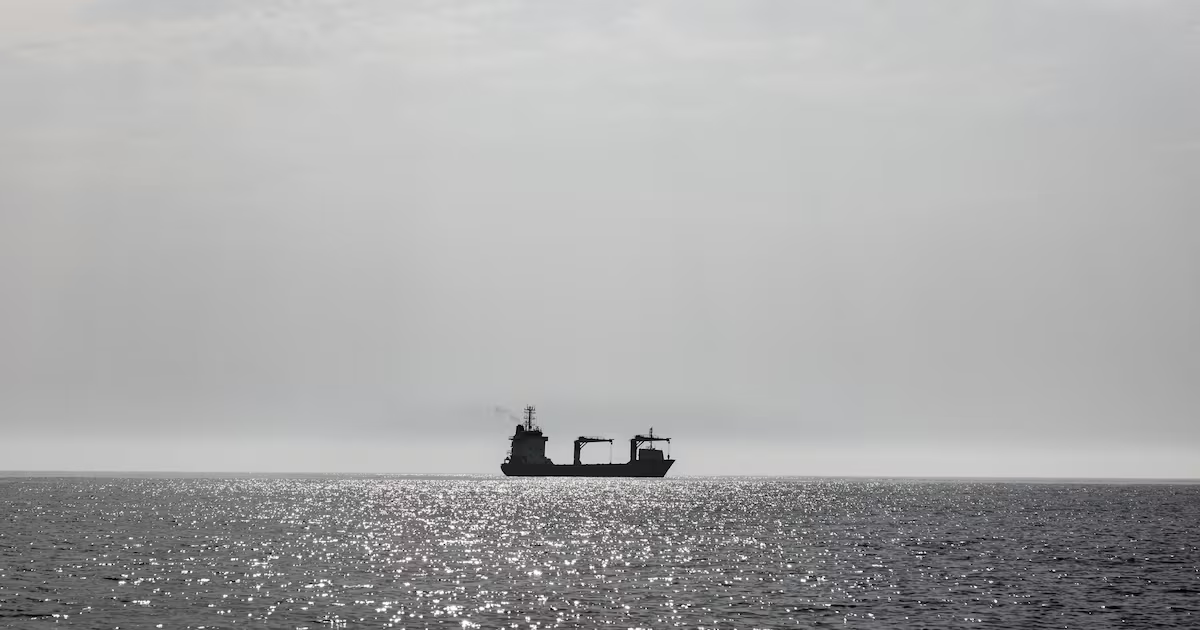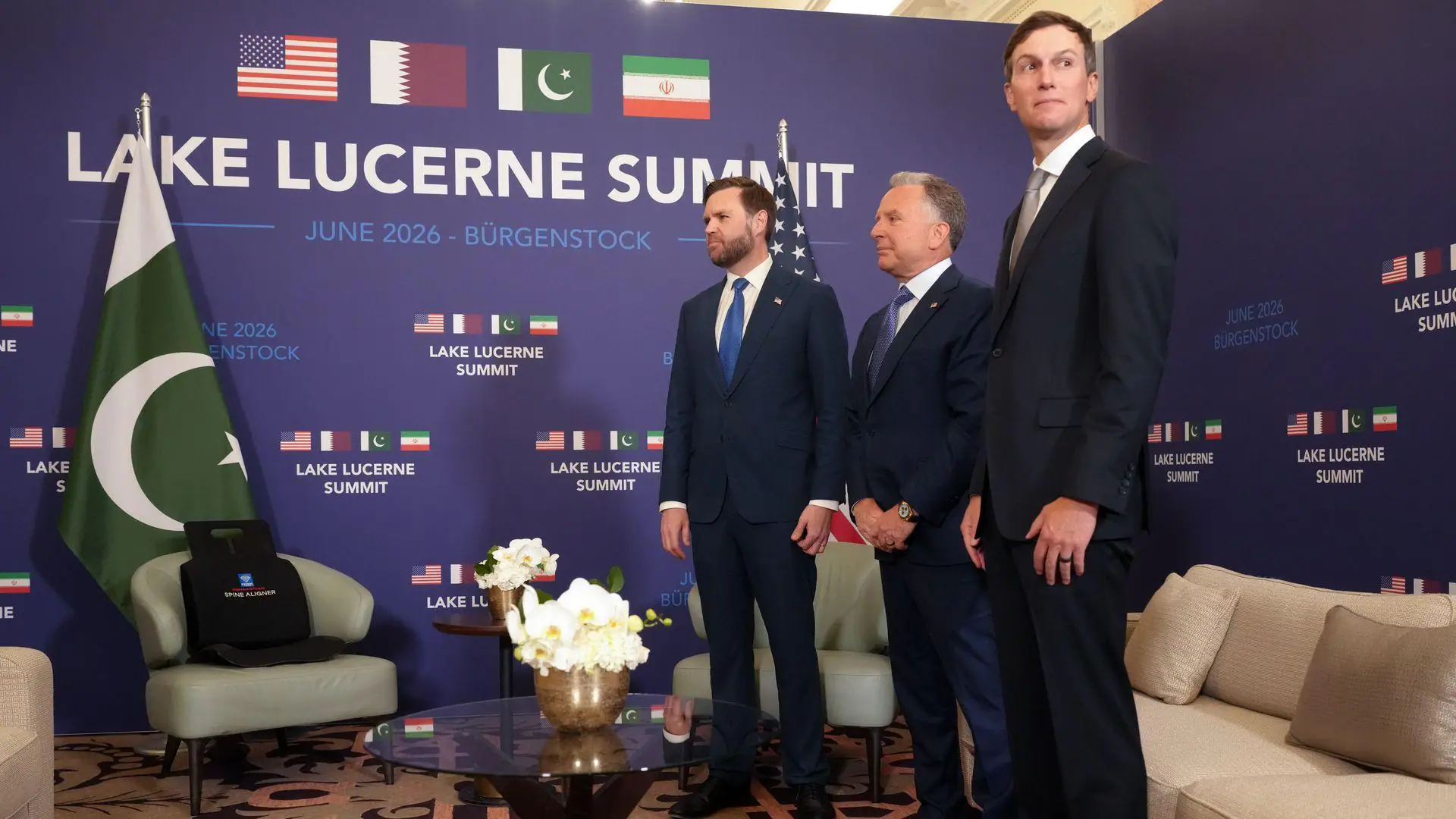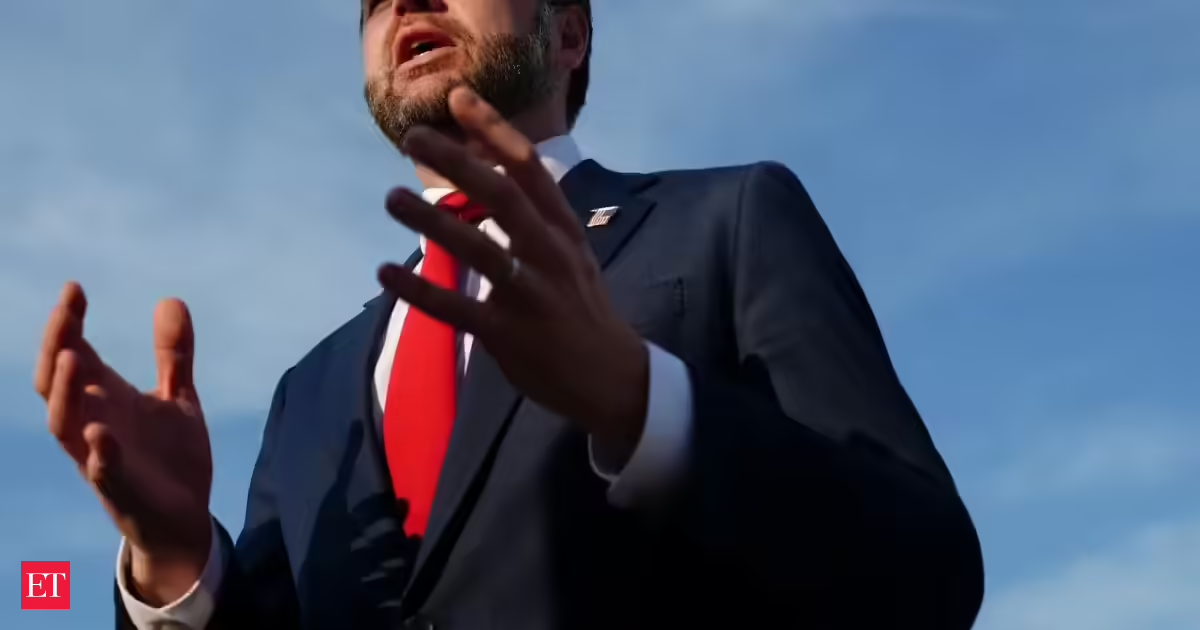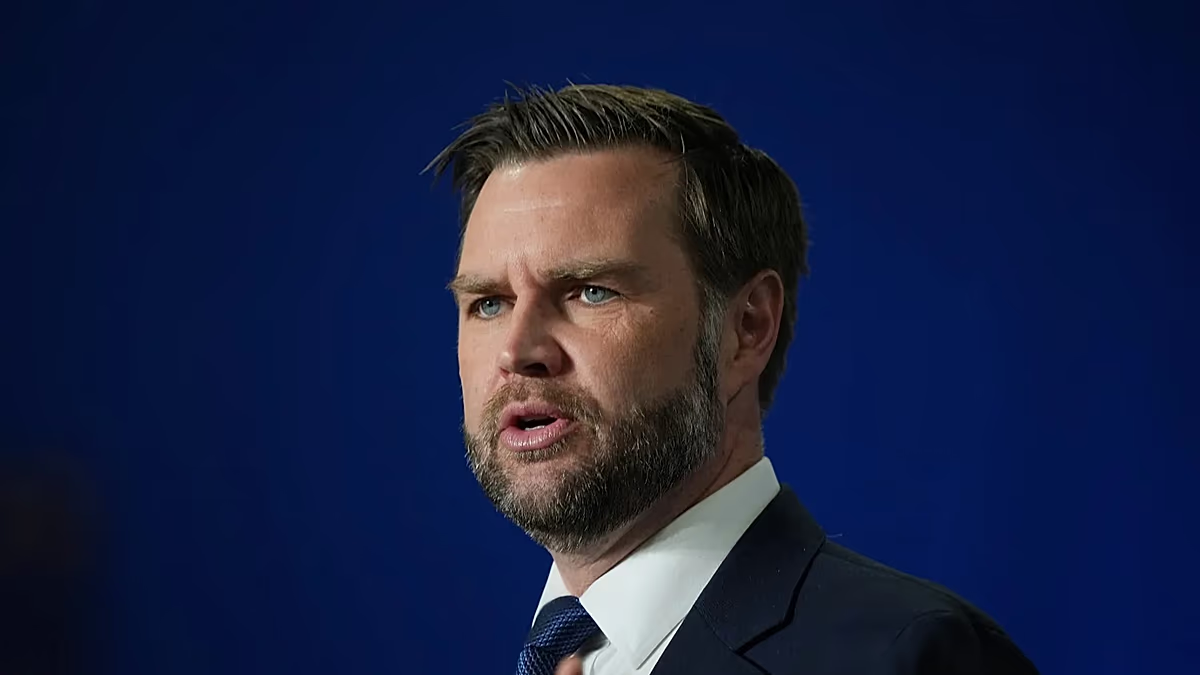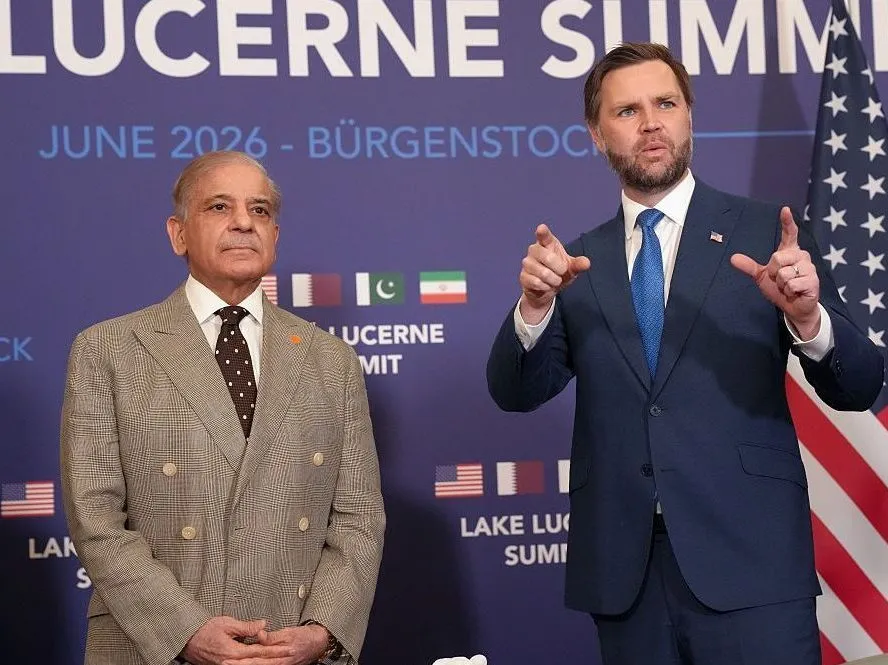
Skip to Content Subscribe Our Offers My Account Manage My Subscriptions FAQ Newsletters Canada Canadian True Crime Canadian Politics Health World Israel & Middle East Financial Post NP Comment Longreads Puzzmo Diversions Comics NP News Quiz New York Times Crossword Horoscopes Life Eating & Drinking Style Sponsored Play for Ontario Travel Travel Canada Travel USA Travel International Cruises Travel Essentials Culture Books Celebrity Movies Music Theatre Television Business Essentials Advice Lives Told Tails Told Shopping Buy Canadian Home Living Outdoor Living Kitchen & Dining Tech Style & Beauty Personal Care Entertainment & Hobbies Gift Guide Travel Guide Amazon Prime Day Deals Savings National Post Store More Sports Hockey Baseball Basketball Football Soccer Golf Tennis Driving Vehicle Research Reviews News Gear Guide Obituaries Place an Obituary Place an In Memoriam Classifieds Place an Ad Celebrations Working Business Ads Archives Healthing Epaper Manage Print Subscription Profile Settings My Subscriptions Saved Articles My Offers Newsletters Customer Service FAQ Newsletters Canada World Financial Post NP Comment Longreads Puzzmo Diversions Life Shopping Epaper Manage Print Subscription HomeNewsWorldIsrael & Middle EastJD Vance begins talks with Iran on permanent peace deal as Trump threatens strikesUnder the terms of the memorandum of understanding signed on Wednesday, the two countries have 60 days for negotiationsAuthor of the article: You can save this article by registering for free here. Or sign-in if you have an account.Meetings of U.S., Iranian, Qatari and Pakistani representatives, including U.S. Vice-President JD Vance, right, and Pakistani Prime Minister Shehbaz Sharif, commenced Sunday in Bürgenstock, Switzerland, in efforts to reach a deal. Photo by Pool /Photographer: Pool/Getty ImagesThe U.S. and Iran began talks in Switzerland on a peace deal to settle the issue of the Islamic Republic’s nuclear program and permanently reopen the Strait of Hormuz, as President Donald Trump once again threatened strikes if Hezbollah keeps attacking Israel.Enjoy the latest local, national and international news.Exclusive articles by Conrad Black, Barbara Kay and others. Plus, special edition NP Platformed and First Reading newsletters and virtual events.Unlimited online access to National Post.National Post ePaper, an electronic replica of the print edition to view on any device, share and comment on.Daily puzzles including the New York Times Crossword.Support local journalism.Enjoy the latest local, national and international news.Exclusive articles by Conrad Black, Barbara Kay and others. Plus, special edition NP Platformed and First Reading newsletters and virtual events.Unlimited online access to National Post.National Post ePaper, an electronic replica of the print edition to view on any device, share and comment on.Daily puzzles including the New York Times Crossword.Support local journalism.Create an account or sign in to continue with your reading experience.Access articles from across Canada with one account.Share your thoughts and join the conversation in the comments.Enjoy additional articles per month.Get email updates from your favourite authors.Create an account or sign in to continue with your reading experience.Access articles from across Canada with one accountShare your thoughts and join the conversation in the commentsEnjoy additional articles per monthGet email updates from your favourite authorsSign In or Create an AccountorThe first high-level meetings of U.S., Iranian, Qatari and Pakistani representatives commenced Sunday in the Swiss resort of Bürgenstock, with U.S. Vice-President JD Vance and Iranian Foreign Minister Abbas Araghchi among attendees.As the meetings got underway, Trump said in a social media post Sunday that he would strike Iran again if it doesn’t “immediately stop their highly paid PROXIES in Lebanon from causing trouble.”He also warned Iran that the U.S. might start collecting tolls if there’s no deal. Speaking Sunday to Fox News, he said he told Iranian leaders directly that if they close Hormuz, “You won’t even make it back” to Iran, using an expletive.Iran must immediately stop their highly paid PROXIES in Lebanon from causing trouble. If they don’t, we’ll hit Iran very hard again, just like we did last week, only harder!!! President DONALD J. TRUMP( TS: Jun 21 2026, 9:30 AM ET )… pic.twitter.com/4FYtEyoF8s— Commentary Donald J. Trump Truth Social Posts On X (@TrumpTruthOnX) June 21, 2026While a hard-won interim deal has signalled a pause in U.S.-Iran hostilities, Sunday’s discussions are likely just the start of protracted wrangling that will span topics including Iran’s nuclear capabilities and economic relief for Tehran.Columnist Jesse Kline keeps you up to date with what’s happening in Israel and the effects of antisemitism on life here in Canada. Friday mornings.By signing up you consent to receive the above newsletter from Postmedia Network Inc.A welcome email is on its way. If you don't see it, please check your junk folder.The next issue of Channel Israel will soon be in your inbox.We encountered an issue signing you up. Please try again“What today really represents is the beginning of a technical negotiation that’s not going to solve every disagreement,” Vance told reporters, speaking alongside officials from Pakistan and Qatar, who are acting as mediators.The meeting “is going to allow us to sit together as teams for the first time really in history to figure out what matters most to the respective parties, to settle those issues, to solve those issues, and get to a better tomorrow,” Vance said.The semi-official Tasmin news agency said the Iranian delegation opposed a joint photo with the U.S. delegation, citing a person familiar with the matter.Iranian media reported the round of talks will last one day, with officials from Tehran meeting mediators before holding discussions with the U.S. later Sunday.The stakes are high, and recent fighting between Israel — which isn’t a party to the provisional deal — and Iranian-backed Lebanese militant group Hezbollah threatens to derail the diplomacy.Iran’s semi-official ISNA news agency said the main topics of the talks would be a “comprehensive ceasefire” in Lebanon, from where it demands Israel withdraw, and the fate of billions of dollars in Iranian assets frozen overseas.Tehran on Saturday accused Israel of violating a truce in Lebanon and said the Strait of Hormuz, a key transit point for global energy supplies, would be shut again. Despite the announcement, millions of barrels of oil continued to flow through the waterway. Speaking Sunday to Fox News, Trump said he told Iranian leaders that if they close Hormuz, “You won’t even make it back” to Iran. Joint Maritime Information CenteUnder the terms of the memorandum of understanding signed by Trump on Wednesday, the U.S. and Iran have 60 days for negotiations, although the pact allows for an extension.Earlier, Vance said the goal is to get “the actual structure of negotiation in place,” building on technical discussions in Switzerland involving Jared Kushner and Steve Witkoff, Trump’s two global negotiators.Iran’s announcement on Hormuz cast a cloud over the talks, but the immediate impact on vessel traffic was unclear. Even before the recent ceasefire, millions of barrels of oil had been quietly escaping the waterway each day.Three fully laden India-linked supertankers re-emerged in the Gulf of Oman on Sunday after signalling an attempt to cross the strait on Friday, according to ship-tracking data compiled by Bloomberg.The supertankers, each signalling Indian ownership or India-bound cargo, carry between them nearly six million barrels of Iraqi and Kuwaiti oil. Their attempts to sail toward Qeshm Island suggest they may have taken a Tehran-approved route.U.S. Central Command said commercial ship traffic increased in the strait on Saturday, with 55 merchant ships transiting cargo and more than 17 million barrels of oil.Energy Secretary Chris Wright said on Fox News Sunday that the U.S. was still escorting ships and “demonstrating we can transit the strait with or without” Iran.Israel, Washington’s partner in the war on Iran that began Feb. 28, has been fighting a parallel campaign against Hezbollah in neighbouring Lebanon. Iran has consistently sought to link the conflict there, which has killed thousands and displaced more than 1 million Lebanese, with the broader U.S. negotiations.Tehran views the U.S. as having “direct responsibility” for the situation in Lebanon and Israel’s military actions, Foreign Ministry spokesman Esmail Baghaei said in comments cited by the IRNA news agency.Israel has insisted it’ll keep troops on its borders until it’s sure that Hezbollah, designated a terrorist organization by the U.S., is no longer a threat. The Israel Defence Forces said its recent operations are targeting a network of underground bunkers where Hezbollah fighters are believed to be sheltering.“There has been, and there is, no restriction on IDF soldiers in Lebanon acting to remove threats,” Israeli Defence Minister Israel Katz said on Sunday.“Our forces remain deployed in the security zone along the Yellow Line in Lebanon and operate from there against terrorists and terrorist infrastructure,” he said, reiterating that Israel would not withdraw.Trump has expressed frustration with Israeli Prime Minister Benjamin Netanyahu over previous strikes, suggesting they risked undermining the U.S.-Iran talks.“Israel has the right to defend itself,” Vance told reporters on Thursday. “But fundamentally, the Israelis, just like everybody else, have to respect this peace process that is fundamentally good for them and good for the entire region.”The U.S.-Iran memorandum led Washington to lift a naval blockade of Iranian ports and promise to waive sanctions that have blocked the sale of Iranian crude. Iran pledged to reopen Hormuz, a conduit for about a fifth of the world’s oil and gas supplies.Tehran, though, has warned it will require ships to have its permission and mandatory insurance in order to cross. The U.S., Europe and Gulf Arab states have balked at the idea of Iran imposing fees.The sides have already made “great progress” over the last few hours, Vance told reporters on Sunday in Switzerland.“I expect it will make additional progress in the hours to come,” he said. Join the Conversation This website uses cookies to personalize your content (including ads), and allows us to analyze our traffic. Read more about cookies here. By continuing to use our site, you agree to our Terms of Use and Privacy Policy.
JD Vance begins talks with Iran on permanent peace deal as Trump threatens strikes
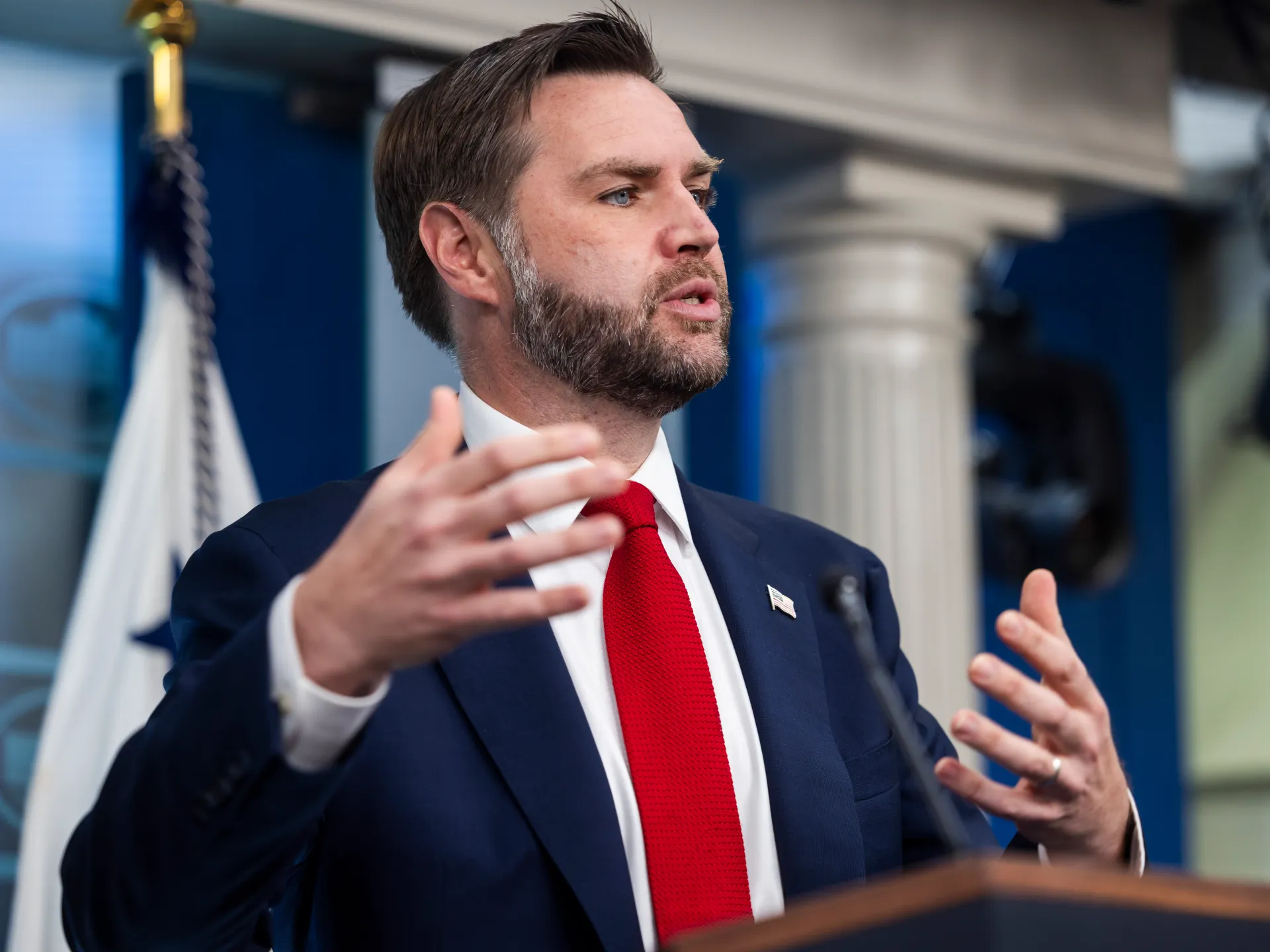
Meetings of U.S., Iranian, Qatari and Pakistani representatives commenced Sunday in Bürgenstock, Switzerland, in efforts to reach a deal.
1,619 words~7 min read