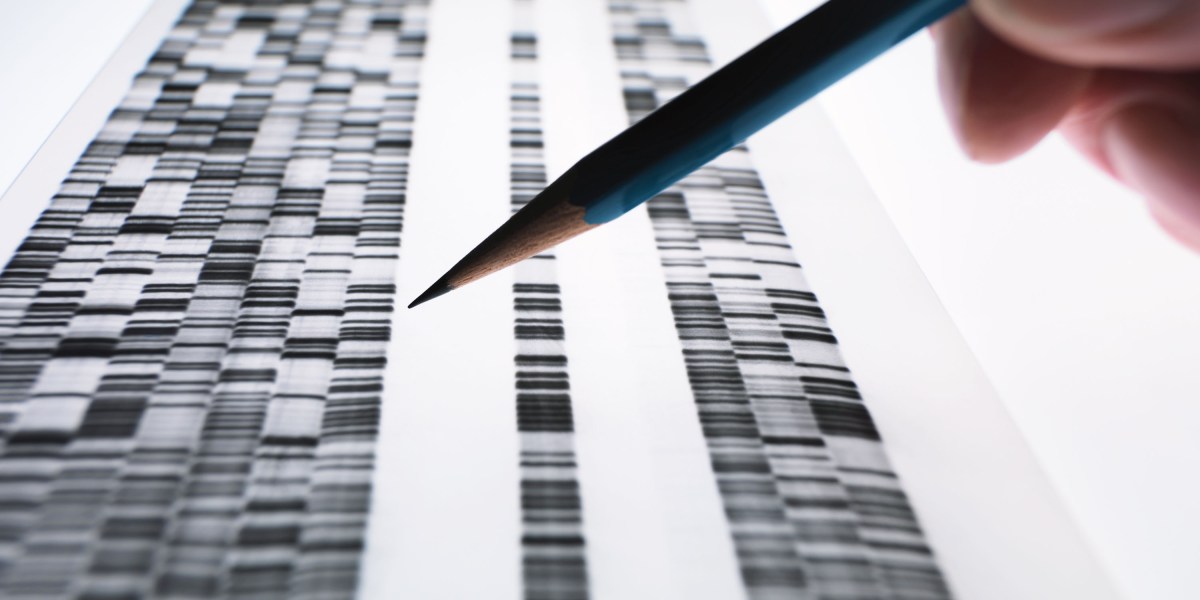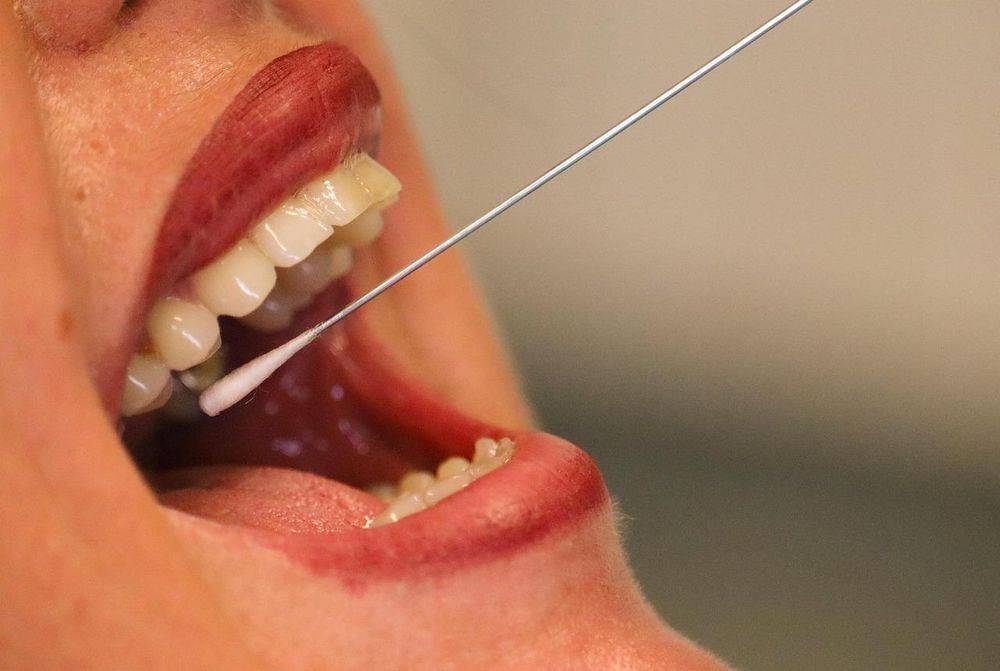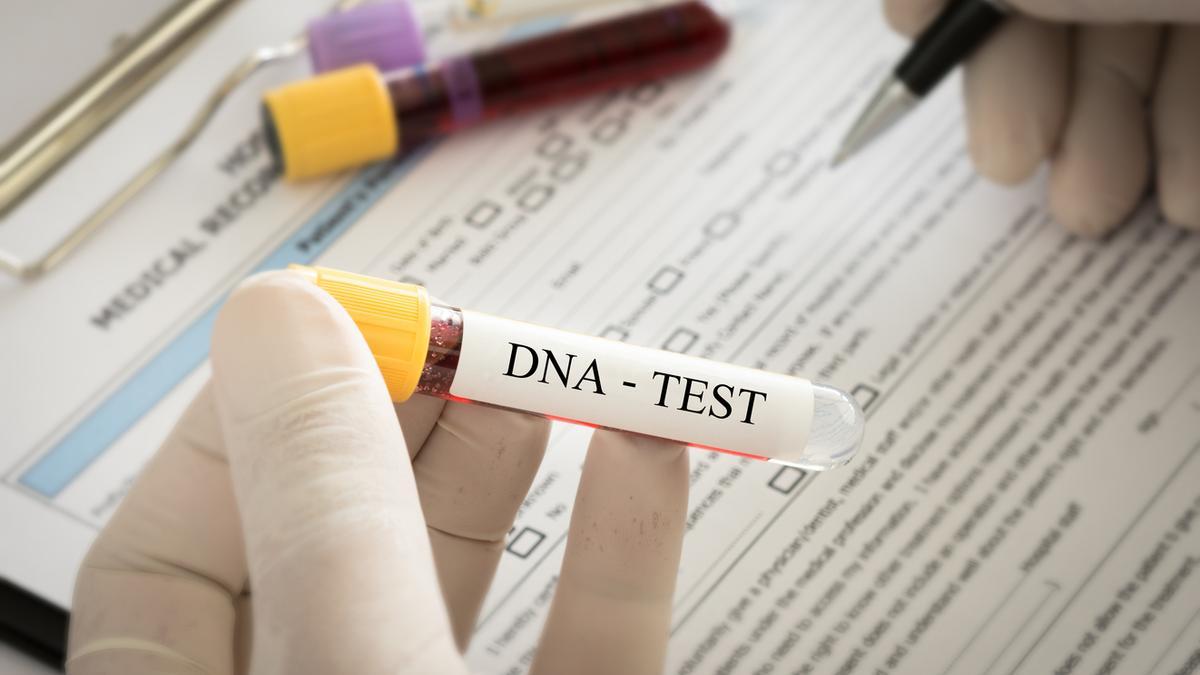
Police in several States have started collecting DNA records, primarily from blood samples, of suspects arrested in heinous crimes. Along with DNA profiles, photographs, fingerprints and iris scans, the government is creating a unique identification record of arrested persons and convicts that can be retained for up to 75 years.Over the past five months, DNA records of more than one lakh suspects have been stored in a central database operated by the National Crime Records Bureau (NCRB) under the Ministry of Home Affairs.The samples are being collected under the Criminal Procedure (Identification) Act (CrPI), a law passed by Parliament in 2022.While the provision for recording, storing and analysing measurements such as fingerprints, retina scans and iris scans of arrested persons was rolled out in March 2025, the recording of DNA profiles took longer as State police forces lacked adequate forensic expertise and storage capacity, an NCRB official said.More than 2,600 measurement collection units have been established across the country, and the CrPI system is now available in police districts and prisons. It is also accessible to central agencies such as the Central Bureau of Investigation, the National Investigation Agency and the Narcotics Control Bureau.The contours of the CrPI system were showcased on June 19 at an NCRB event presided over by Home Minister Amit Shah.The Bharatiya Nagarik Suraksha Sanhita, which replaced the Code of Criminal Procedure in 2024, makes forensic examination of crime scenes mandatory for all offences punishable with seven years or more of imprisonment.“The samples are at present being collected by police in cases punishable by seven years. The DNA, mostly drawn from blood and in some cases saliva too, is then sent to a forensic laboratory, which generates a unique number. The NCRB preserves the code in its records. The sanctity of the samples depends on the police,” an NCRB official said.A presentation on the CrPI system stated that accurate identification of criminals is a fundamental requirement for effective investigation and that the CrPI Act, 2022, was passed by Parliament “so that identification-based evidence could get legal recognition.”“This Act allows police and prison officers to take physical and biological samples of arrested and convicted individuals. To make these provisions effective, there was a need for a national platform that could integrate and make identification-related data useful across the country. In this direction, the NCRB launched the National Automated Fingerprint Identification System (NAFIS) in the year 2022, which fully automated the fingerprint matching process. Today, with more than 1.27 crore fingerprint records, NAFIS has played a significant role in solving many old interstate criminal cases,” it said.It added that, following the implementation of NAFIS, the NCRB was entrusted with the responsibility of implementing the CrPI Act.“Through CrPI, now all information related to identification, including face, Iris, and Biological Samples is available in a national-level searchable database, making accurate and scientific identification possible within moments. Now, a photo obtained from a crime scene can be instantly matched with records across the country, which was earlier a long and manual process. CrPI functions as a unified system across the country, where every identification-based measurement is securely stored in a standardised system. As per standards, while taking photos, clarity of the eyes is ensured so that identification is not hindered despite any disguise or changes. CrPI ensures enrollment of face and iris measurements of arrested and convicted persons, and in special cases, registration of biological samples as well. There is a provision to retain all these measurements securely for 75 years,” it said.According to the NCRB presentation, biological samples recovered from crime scenes can be directly matched with existing records, enabling the identification of habitual offenders through scientific methods. The NCRB said the CrPI system also has an advanced video analytics feature through which investigating officers can upload CCTV footage to identify faces of suspicious persons and match them with the national database.“What earlier took hours of manual investigation is now possible in just a few minutes. This feature also simplifies and speeds up identification of interstate criminals, as their records can be matched instantly across the country,” it said.The NCRB said that each individual enrolled in the system is assigned a unique identification number through which records linked to that person can be compiled in one place, facilitating identification even if names are changed or appearances altered to conceal identity. It said evidence recovered from crime scenes can be linked to identification records through scientific verification, strengthening criminal investigations and prosecutions.
Police begin collecting DNA records under 2022 law; over one lakh profiles generated
Police are collecting DNA records from suspects under the CrPI Act, generating over one lakh profiles for enhanced crime identification.
741 words~3 min read