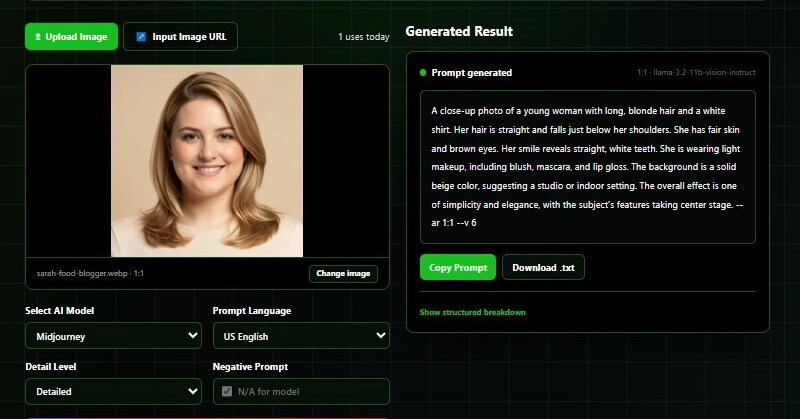
You are sitting at your computer, interacting with a generative AI model like ChatGPT Image or Midjourney. You have a distinct picture in your mind, and you begin with a simple, general prompt: a chair in a cozy room.
The image appears, but you frown. You realize that to get what you want, you must elaborate, so you experiment with more descriptive prompts: Dark mahogany wood. Dim yellow lamplight. Late autumn dusk. You keep revising, trying to discover which words the machine needs and which words it ignores.
You are wrestling with a problem: how do you describe a feeling? How do you communicate warmth, melancholy, intimacy or calm — not to another human being, but to a machine?
This is one novel frustration of the AI age, yet millions of users searching for the “right prompt” are engaging in an old literary practice: turning mental images, vague desires and atmospheric intuitions into precise language.
Modernist writers and description