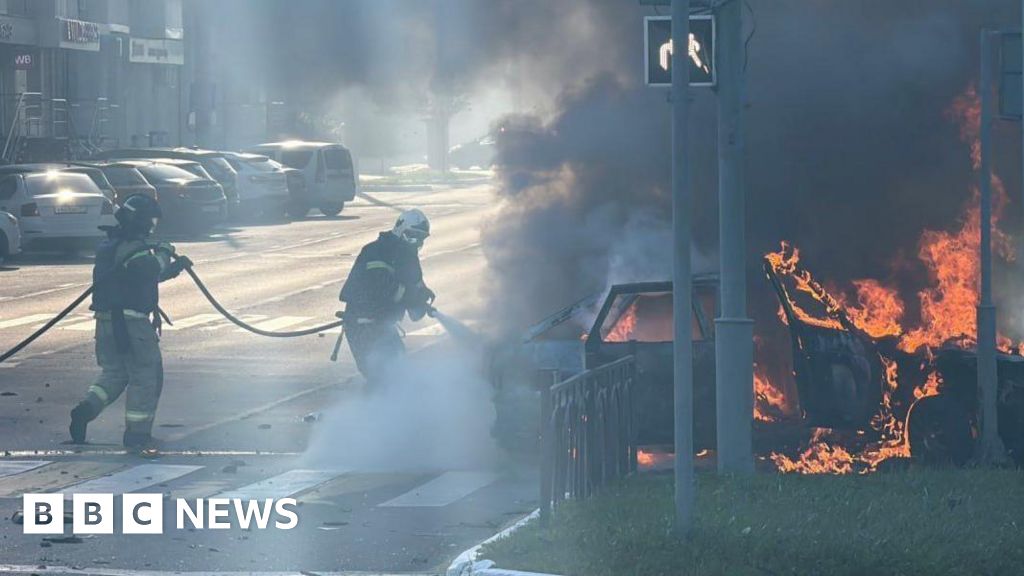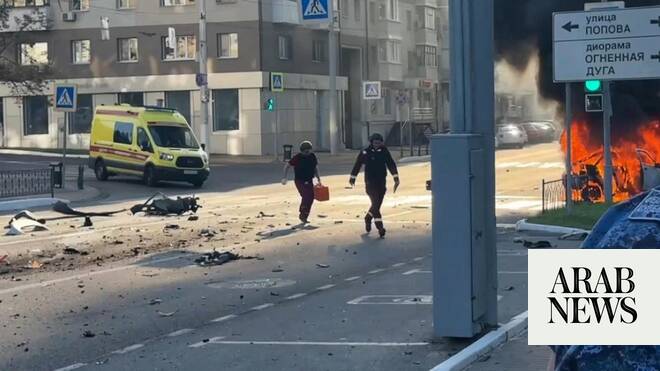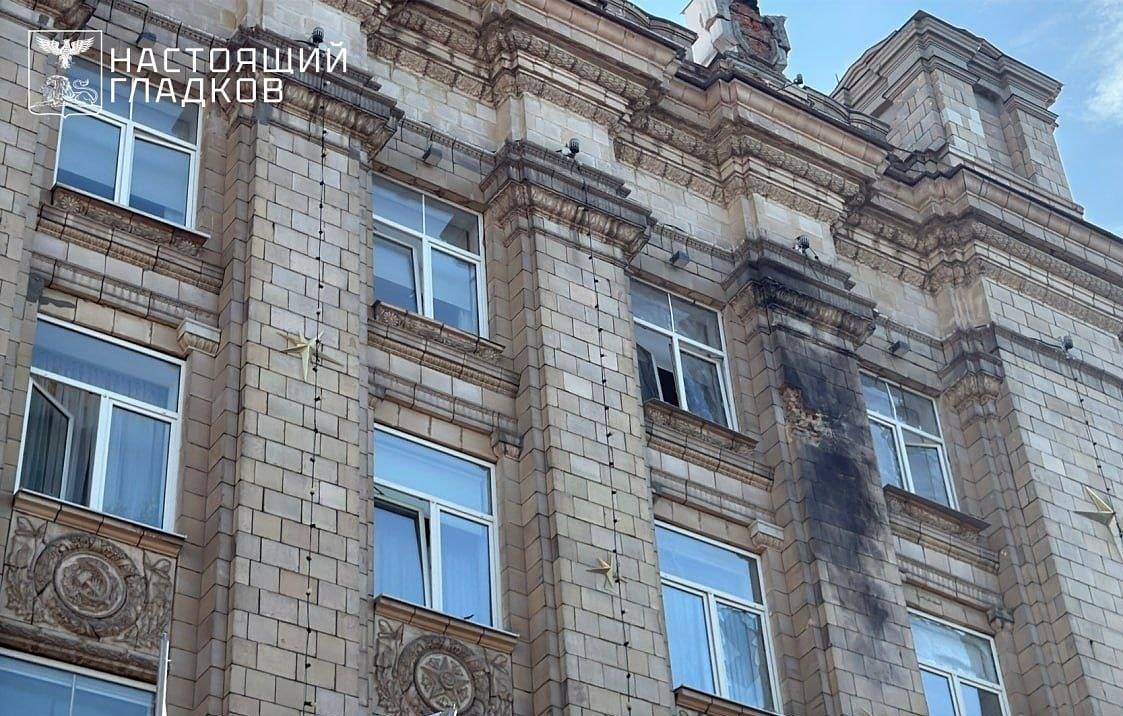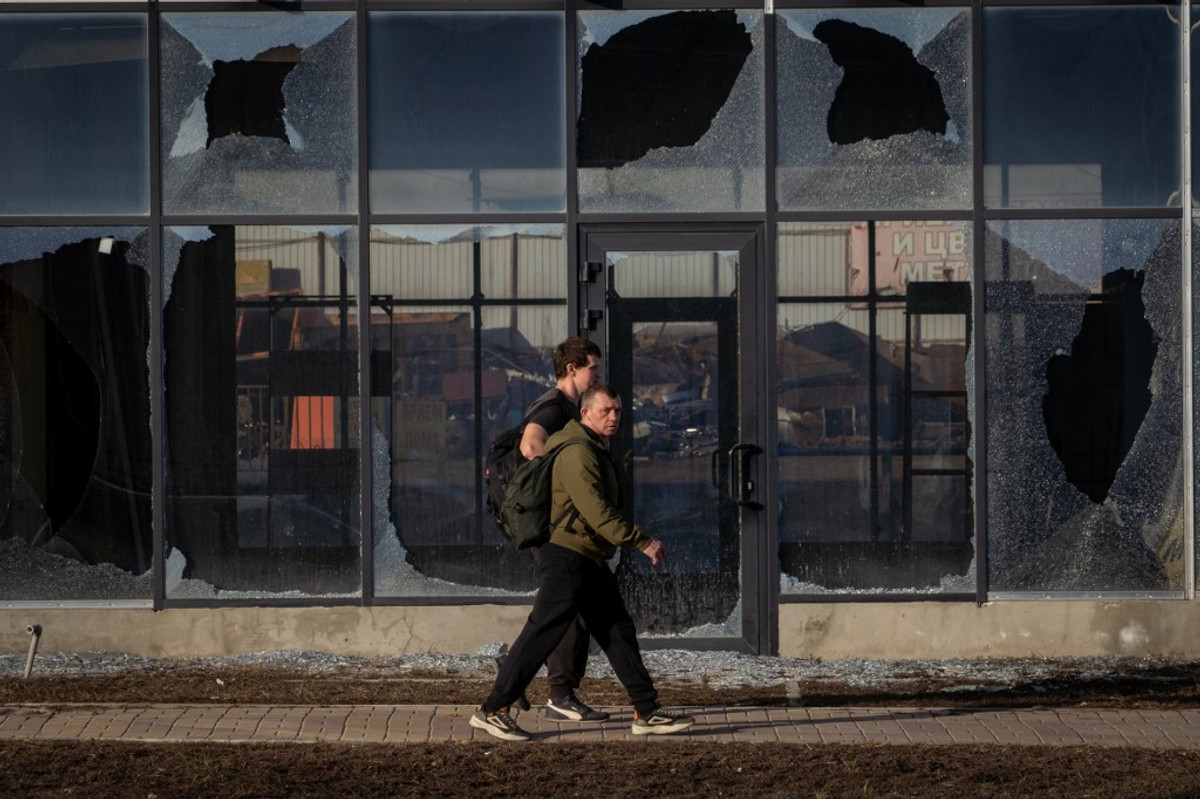
The war Ivan’s country started provides a steady soundtrack to his everyday life. “We often compare it to the noise made by those cheap Chinese motors made for scooters and mopeds,” he explained, “a low-pitched, unpleasant buzzing.” Drones that fly uninterrupted in the day he presumes to be Russian; those that draw fire at night, Ukrainian. His ears find them hard to distinguish otherwise: “which, in my view, is the main danger.” The IT-worker lives just south of the Russian city of Belgorod, which itself sits some 25 miles away from Ukraine. Local authorities regularly report drone and missile attacks from across the border.JOIN US ON TELEGRAMFollow our coverage of the war on the @Kyivpost_official. “It’s become habitual,” said Irina, a Belgorod-based journalist, of the danger. Like Ivan and others within Russia contacted for this article, she spoke with Kyiv Post remotely on the condition that her name be changed. Over several years, Irina would set herself boundaries as to when she would seek to leave, before inevitably re-drawing them. A missile fragment falling a few minutes’ walk from where she lives, she said, was one of several grim milestones she learned to accept. While Russia’s war has of course inflicted the overwhelming share of its destruction on Ukraine, the Russian Federation’s border territories had until recently been an anomaly – where Ukraine’s return fire could be observed by Russia civilians.
Belgorod May Foreshadow Other Russian Cities’ Fates
Kyiv Post talks to the inhabitants of Belgorod, the Russian city near the Ukrainian border that frequently comes under attack.
TL;DRAI
Ukraine's long-range strikes reach Moscow (200 drones, refineries hit 3x in 2 months), expanding combat beyond Belgorod border. Energy infrastructure proves vulnerable to drone warfare; tech leaders must assess supply chain risk in geopolitical conflict zones.
1,107 words~5 min read