There's a growing recognition that muscles aren't just about strength; they're metabolism regulators.
Mike Kemp/Getty Images
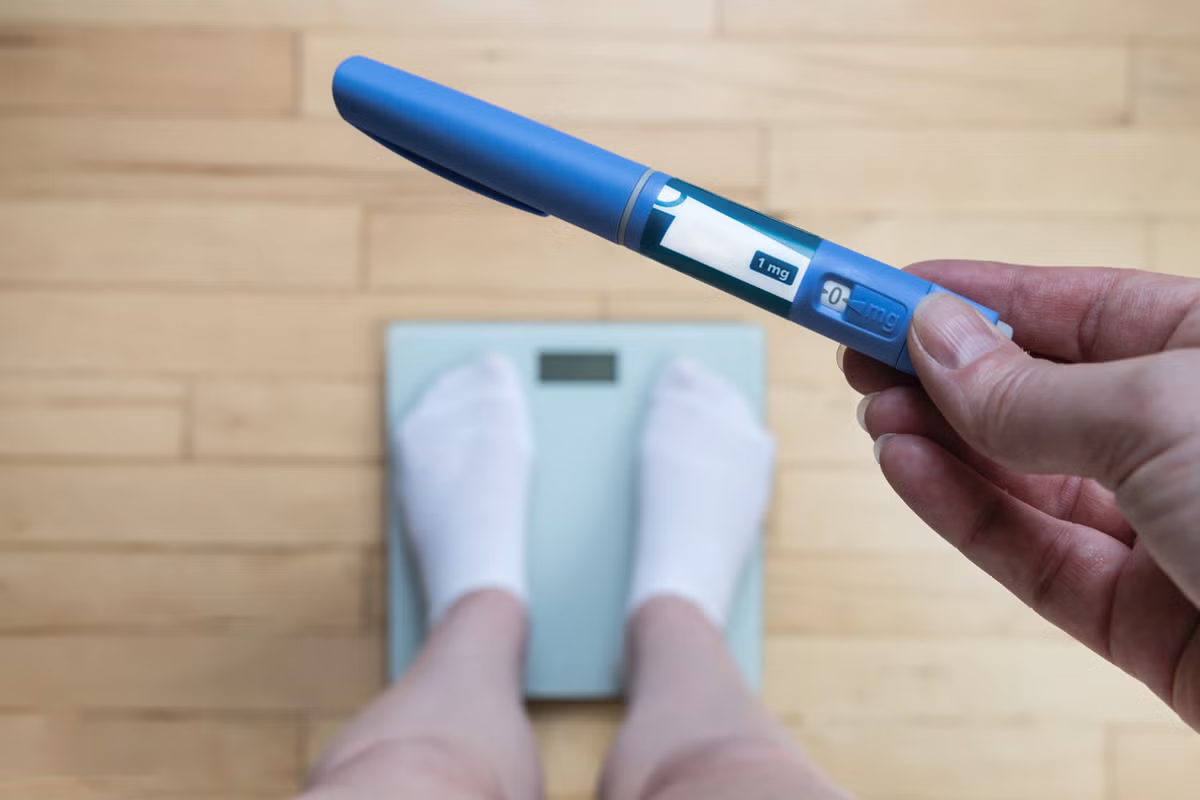
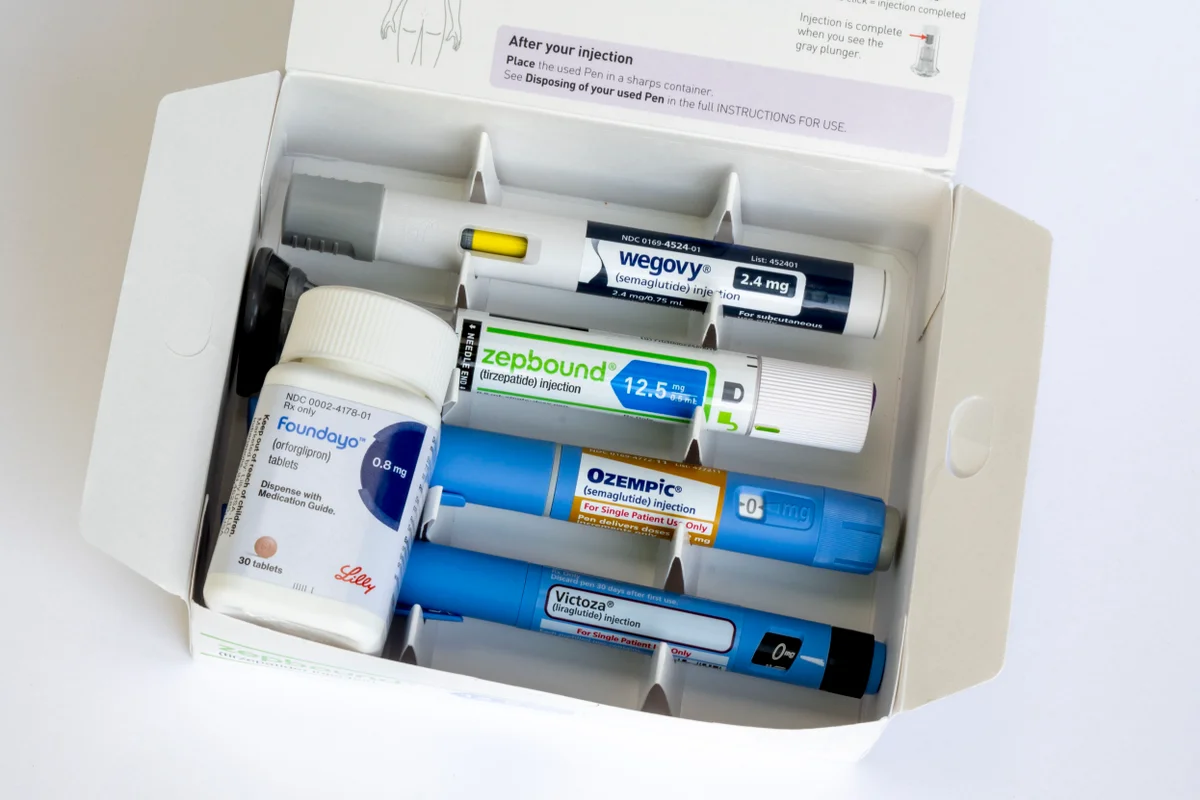
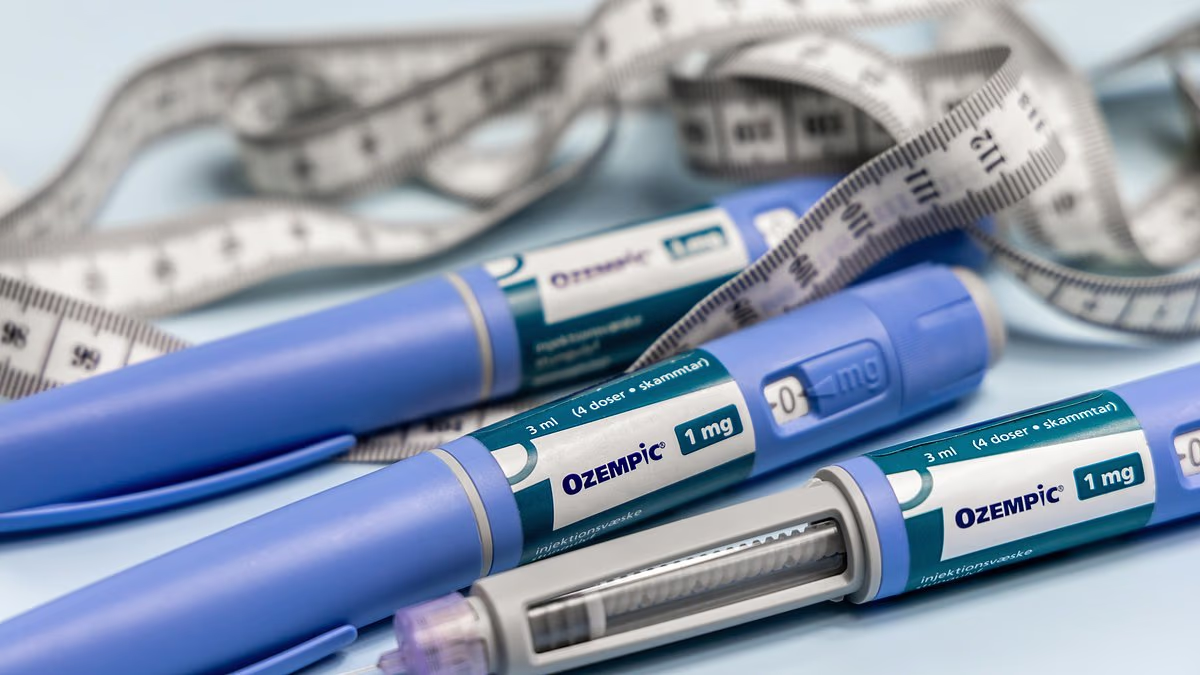
Nearly every pharmaceutical company you can name is chasing this tantalizing idea: hang on to your muscles while you lose weight.It's a goal that seems to defy the laws of biology — our bodies are wired to lose both fat and at least some muscle during weight loss. Faster weight loss often means more muscle loss, as the body scrambles to quickly find extra energy to burn. This has been one of the glaring problems with GLP-1 drugs like Ozempic, Mounjaro, and Zepbound: some patients lose a lot of muscle, becoming frail.A bounty of emerging drug candidates promise to fix this issue. There's bimagrumab, a molecule that promotes fat loss while preserving muscle (made by startup Versanis and acquired by Eli Lilly for $1.9 billion in 2023). SPX-001 is designed to preserve lean mass while taking a GLP-1 (snapped up by AstraZeneca for about $300 million in 2025). Novo Nordisk hopes its next-generation GLP-1, CagriSema, will help patients lose more fat and retain more muscle than their previous blockbuster, Ozempic, did.On Friday, another startup upped the ante. Cambrian Biotech, a late-stage VC-backed pharmaceutical company based in New York, released early results of the first human study of a drug that mimics exercise. Taking it, the company's CEO said, is like running 5-10k every day, metabolically speaking, but without the sweaty mess. Unlike GLP-1 drugs, which dampen appetite and slow digestion, this drug is designed to simply incinerate more calories every day. The goal, which still needs to be evaluated in larger clinical trials, is to turn up the dial on how the body uses stored fuel.