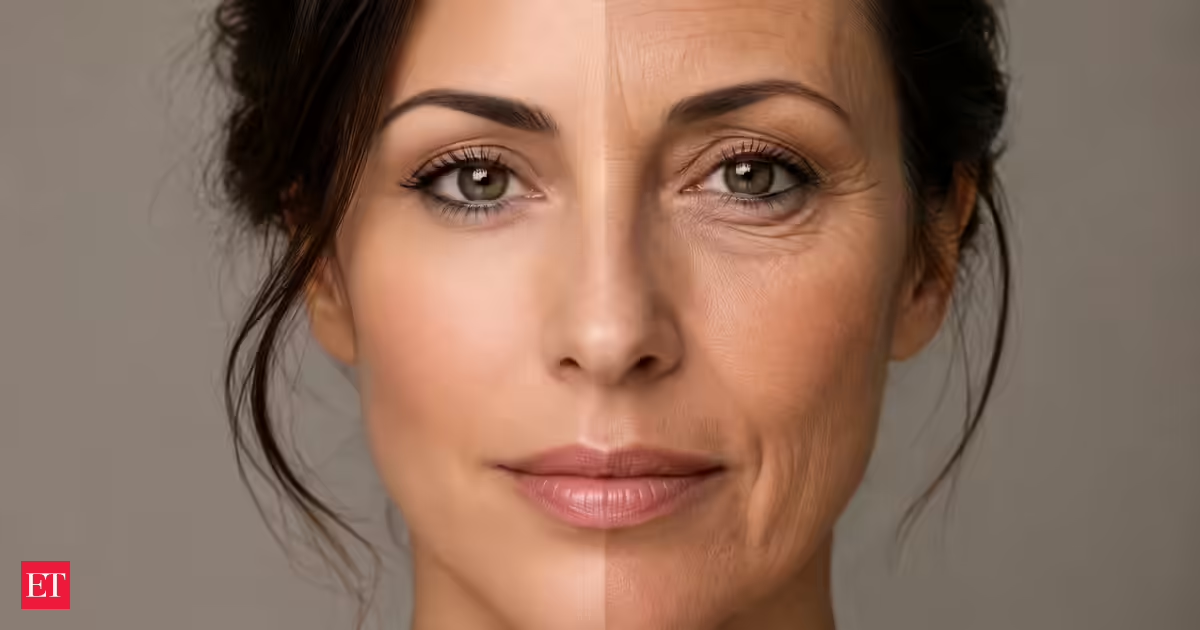
Chinese proverb of the day highlights a traditional saying that reflects patterns of human experience, perception, and the way emotions influence human judgment in everyday life. The proverb “The woman who tells her age is either too young to have anything to lose or too old to have anything to gain” offers insight into how social expectations and personal confidence shape the way people choose to present themselves. Many people turn to such proverbs to better understand human behavior in simple, relatable terms. These sayings are often rooted in cultural observation and lived experience, passed down through generations. Over time, they have become part of daily reflection, reminding us that identity, self-expression, and confidence are shaped not only by society, but also by one’s own mindset and perception.Also Read: Chinese Proverb of the Day: “It’s not the beauty of a woman that blinds the man, the man blinds himself” — Life lessons on perception, self-control, desire and why love is blindChinese Proverb of the Day — Why should must let go of what others think“The woman who tells her age is either too young to have anything to lose or too old to have anything to gain” Chinese proverb of the day highlights a timeless idea about human perception, self-awareness, and the influence of social expectations on personal identity.The first part of the proverb suggests that age alone is not the main reason behind what a person chooses to share or conceal. It challenges the assumption that external factors such as society or appearance fully determine behavior. Instead, it shifts attention toward internal confidence and mindset.The second part emphasizes how personal feelings and social pressure shape self-expression. It suggests that decisions about revealing or hiding one’s age are often influenced by emotions such as insecurity, confidence, or detachment from judgment. In this sense, the choice is not entirely imposed by society but also shaped by the individual’s own perspective.Together, the proverb teaches that perception and self-presentation are not purely external. People actively decide how they relate to identity and age based on emotions, experience, and self-confidence. What appears as social influence is often a combination of both external expectations and internal mindset.Also Read: Quote of the Day by Agatha ChristieWhy you should not let numbers define youIt is a reminder that personal worth and identity cannot be reduced to age, statistics, or external measurements. In everyday life, people often become too focused on numbers such as age, salary, grades, or achievements believing these define their value. However, true identity is shaped by experiences, character, mindset, and how a person grows over time. Age, in particular, is often treated as a limit or expectation, but it does not determine a person’s potential, happiness, or ability to contribute meaningfully. Everyone develops at their own pace, and life paths are rarely the same. This expression encourages self-acceptance and confidence, reminding us that comparison with numbers can lead to unnecessary pressure and insecurity.Also Read: Chinese Proverb of the Day: “A young woman with an old man is really someone else’s woman” — Life lessons on insecurity, compatibility, social perception, trust issues and why age is just a numberLife lessons from the proverbThe proverb carries practical lessons about self-expression, confidence, and how individuals relate to social expectations in daily life.1. Confidence shapes self-expressionHow open a person is about personal details like age often reflects their level of self-confidence rather than external pressure alone.2. Self-perception matters more than judgmentIt is easy to assume society controls how people behave, but individual mindset plays a major role in personal choices and openness.3. Freedom from insecurity brings clarityWhen people are less concerned about judgment, they communicate more honestly and comfortably about themselves.4. Social expectations influence behaviorCultural norms and societal views can affect how individuals present themselves, especially in matters related to age and identity.Also Read: Quote of the Day by Legendary American actor Steve McQueenWhy this proverb is still relevant todayIn modern life, this proverb extends beyond questions of age and identity. It applies to social media culture, self-image, career choices, and even personal confidence. People are often influenced not just by society, but by comparisons, expectations, and the curated versions of life they see online.The proverb encourages self-awareness and emotional intelligence. It reminds us that how we present ourselves is not only shaped by external judgment but also by how comfortable we are within ourselves. In many cases, the decision to reveal or conceal personal details reflects inner confidence, not just outside pressure. Ultimately, it teaches a simple but powerful truth: identity and expression are shaped by both society and the self, but inner mindset plays a key role in how we navigate them.English equivalent and related expressionsOther English expressions that reflect similar thinking include:“Be yourself; everyone else is already taken.”“Confidence comes from within.”“What others think of you is not your reality.”“Don’t live for approval.”Each of these highlights the idea that self-perception, confidence, and awareness shape how people express themselves, often more than external expectations do.
Chinese Proverb of the Day: “The woman who tells her age is either too young to have anything to lose or too old to have anything to gain” — Life lessons on perception, social expectations, judgement, experience and why confidence speaks louder than age
Chinese Proverb of the Day highlights the meaning of “The woman who tells her age is either too young to have anything to lose or too old to have anything to gain.” The saying reflects how age is often shaped by social perception, expectations, and personal confidence rather than just a number. It suggests that people may choose to reveal or conceal their age depending on how they feel society will judge them.
828 words~4 min read