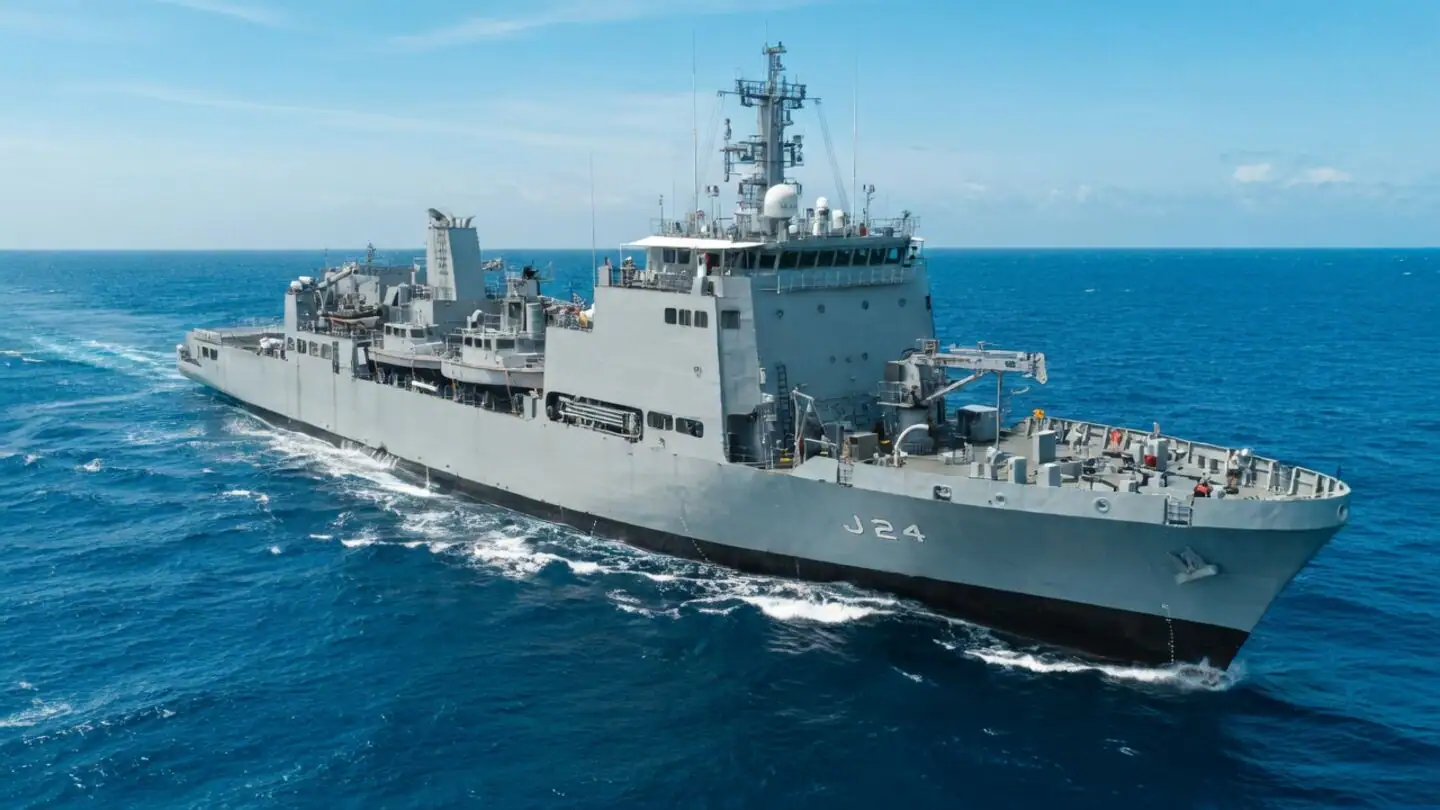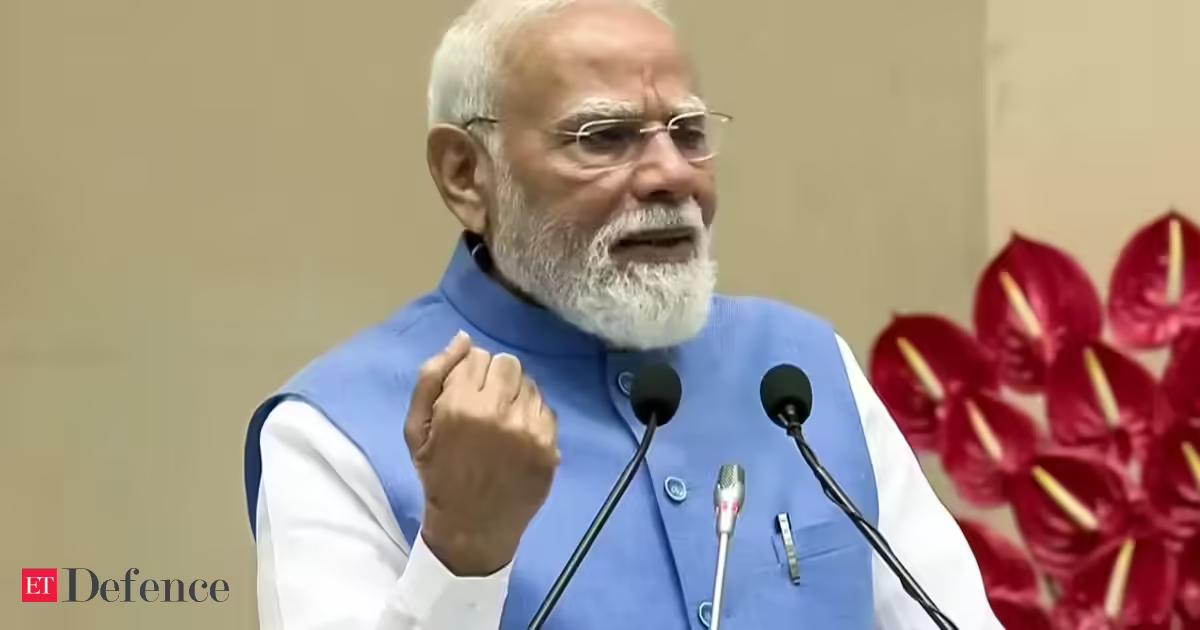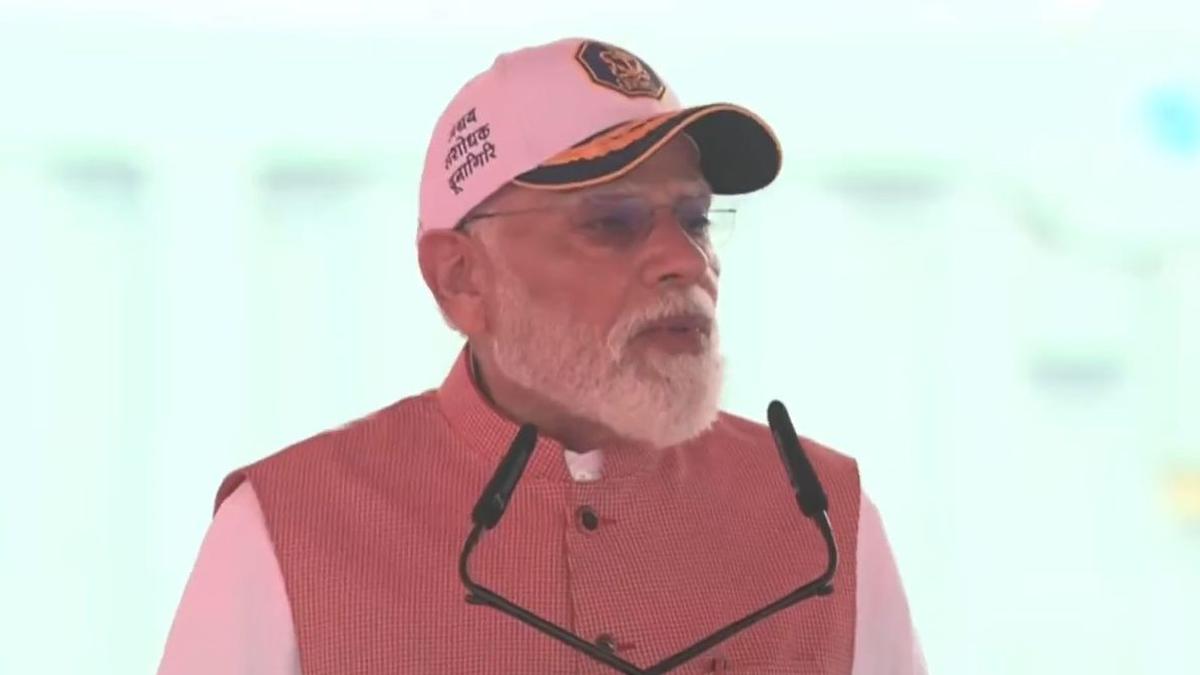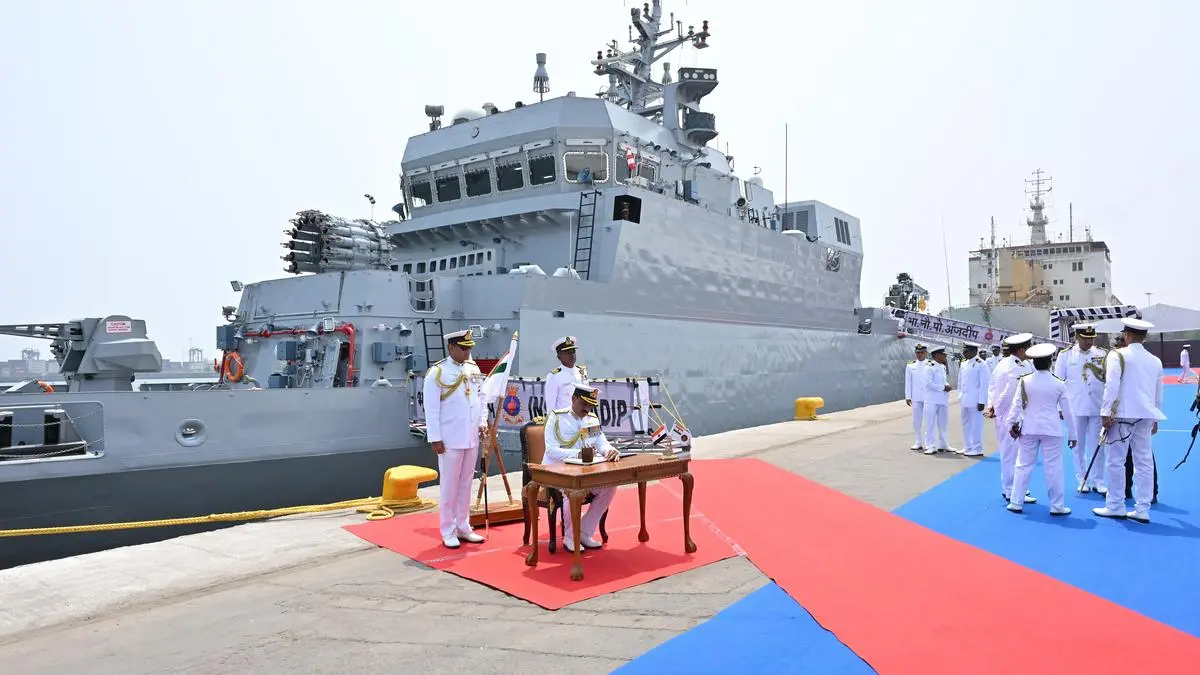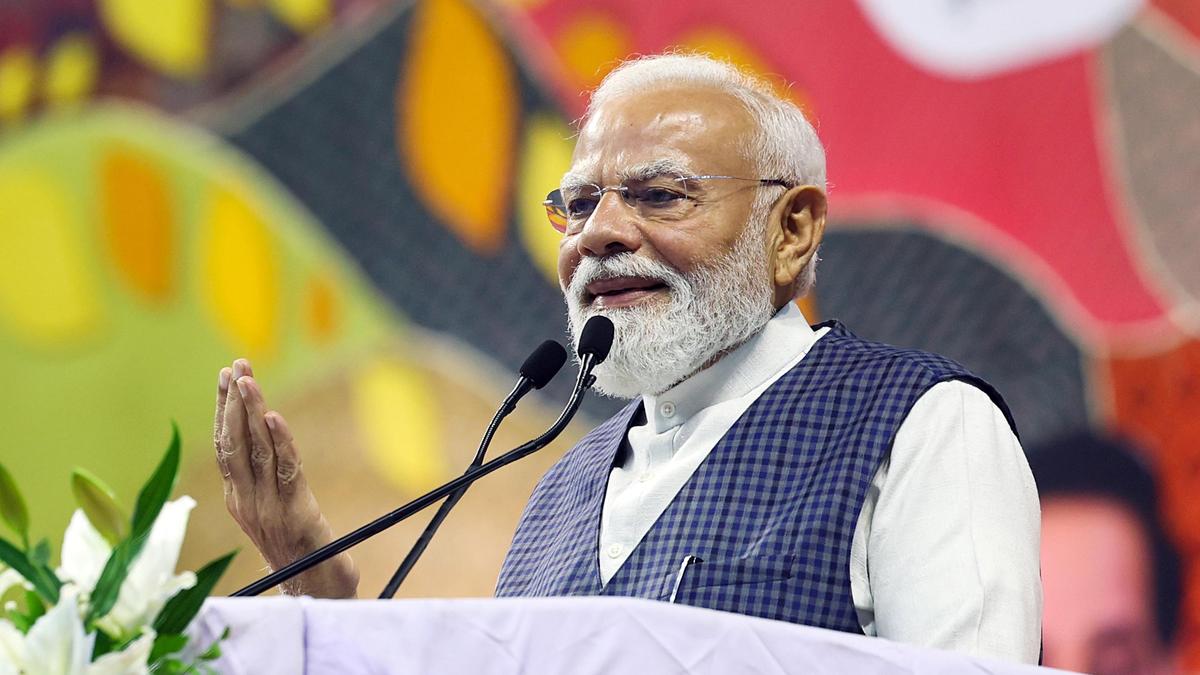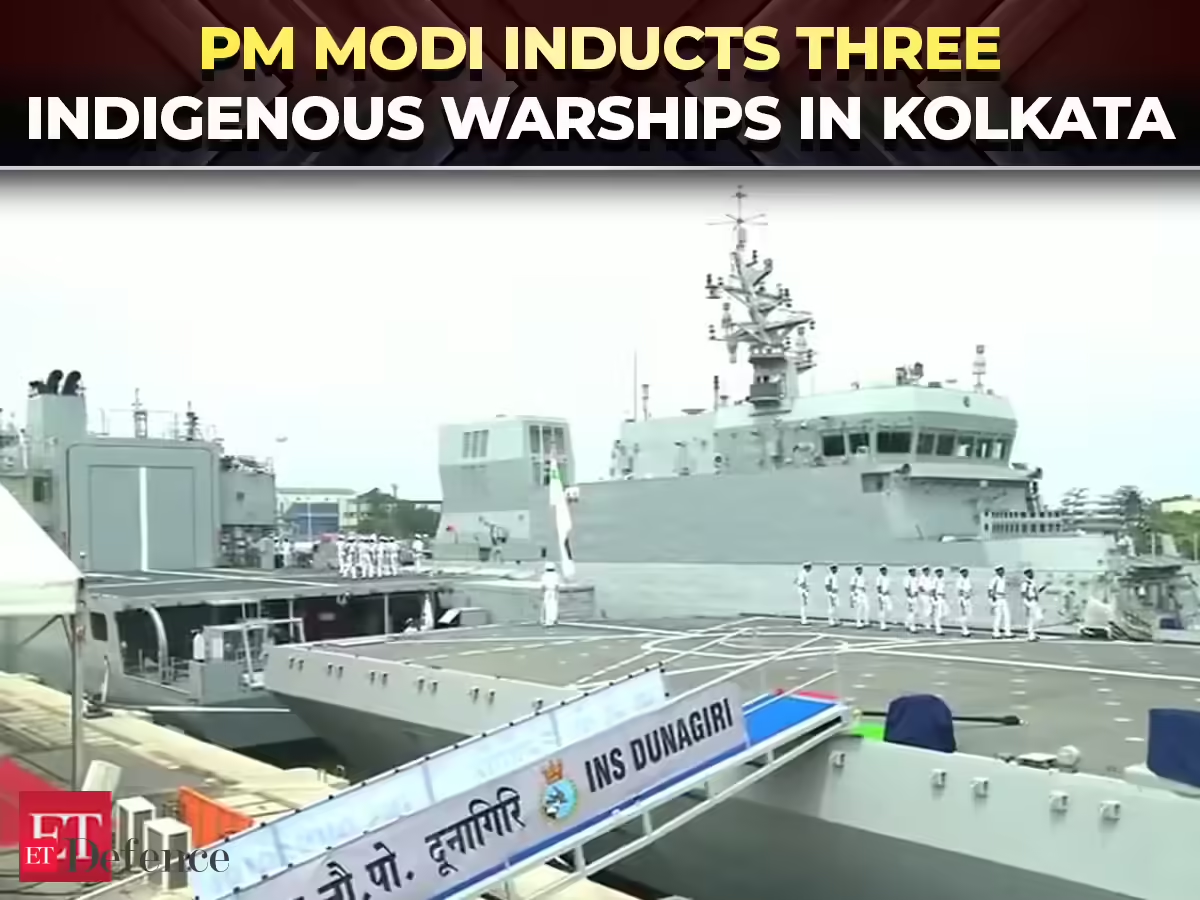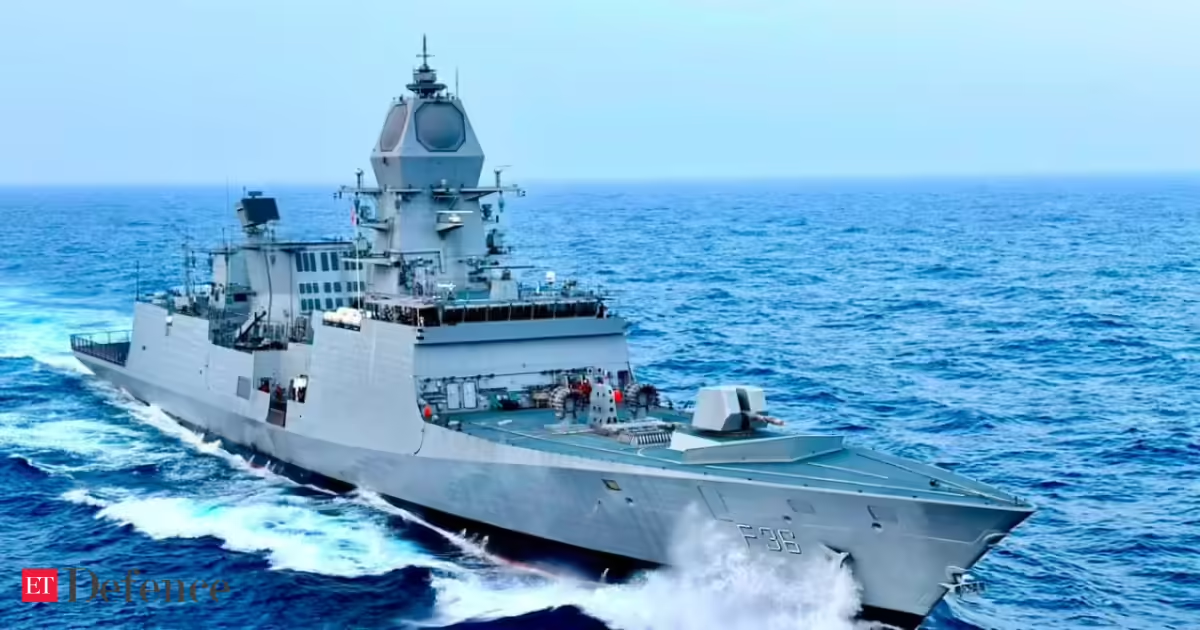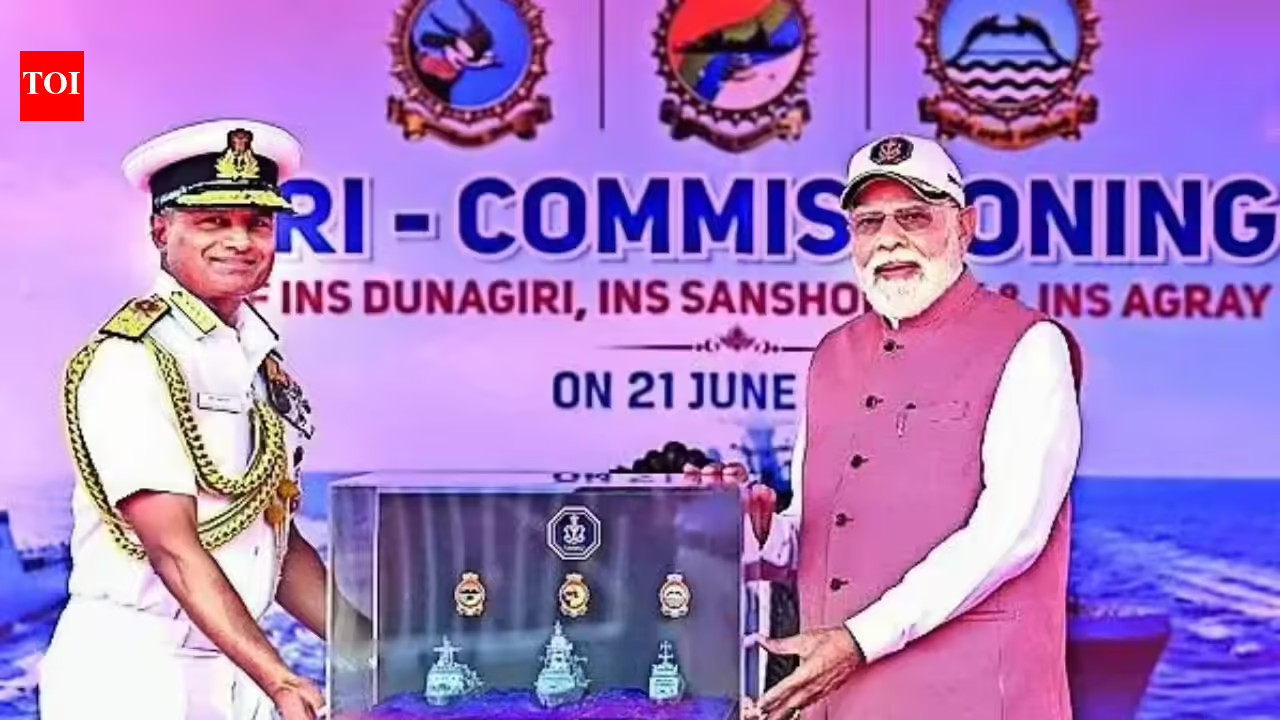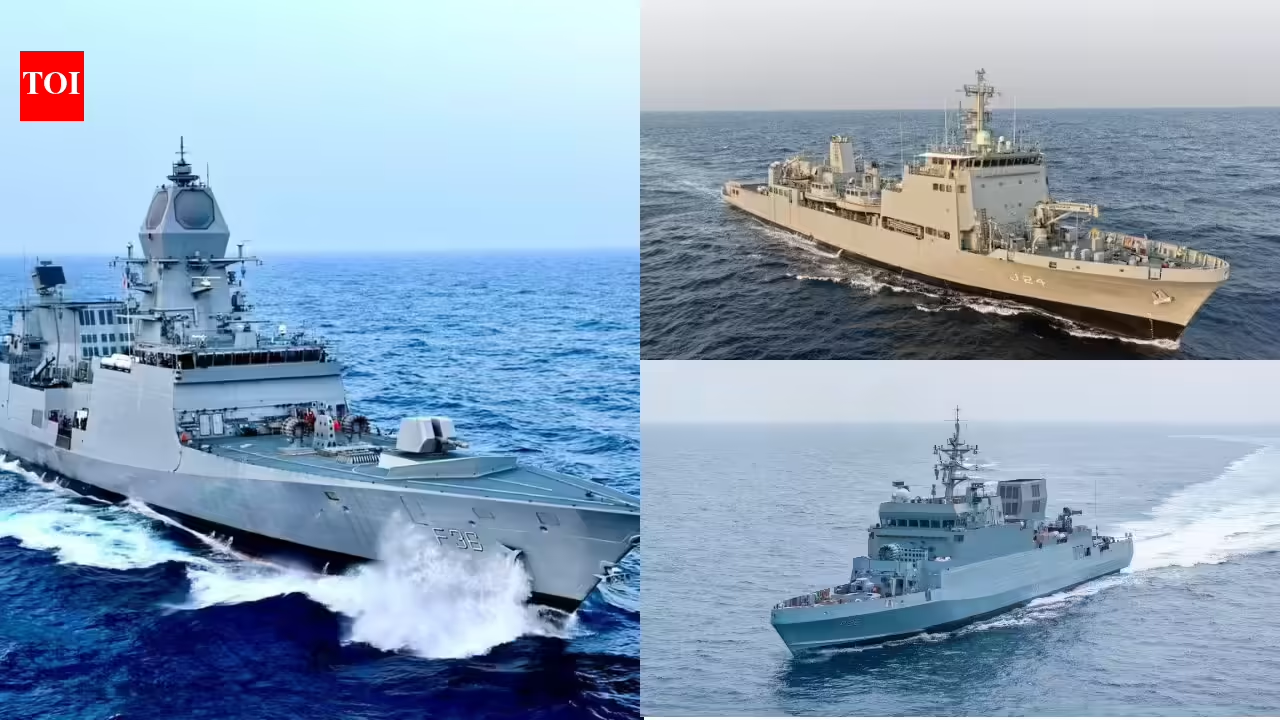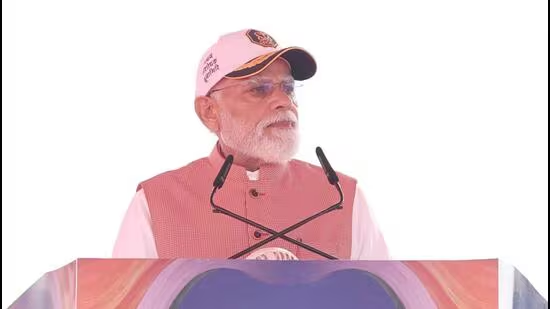
Prime Minister Narendra Modi on Sunday commissioned three indigenously designed and built naval ships—INS Dunagiri, INS Sanshodhak and INS Agray during his visit at the Shyama Prasad Mookerjee port in Kolkata.Modi also referred to INS Vikrant, the Navy’s first indigenously built aircraft carrier. (PMO Photo)PM Modi focused on India’s maritime power and indigenous defence production under the ‘Make in India’ programme.He said, “Nobody can ignore the importance of maritime power. No nation can become a great power without it. Oceans are linked to security, prosperity and development. Most of the international trade takes place on maritime routes. Data networks are laid down on sea beds. In the coming days, critical minerals, deep-sea resources, and new energy sources will also be linked to oceans. Nations that control the seas will prosper. India understands this very well and is preparing itself.”Modi also referred to INS Vikrant, the Navy’s first indigenously built aircraft carrier.“When we presented INS Vikrant to the nation a few years ago, we announced India’s self-sufficiency in maritime power to the world...Today, INS Dunagiri, INS Sanshodhak and INS Agray add speed to that journey,” he said.“These three vessels symbolise India’s three approaches to self-reliance. They were designed and made here and the manufacturing process involved completely indigenous components, the expertise of Indian engineers and the labour of Indian workers. This is the biggest power of new India,” Modi said.“India no longer wants to be a buyer in the international defence sector. Our military might cannot become a market for the world. The recognition of our defence capabilities cannot be that of a buyer in a world market but of our self-reliance,” he said.The Prime Minister told the audience that India aims to emerge as a major player in the international defence market.Also Read:Indian Navy gets its third indigenous nuclear submarine, Rajnath Singh commissions INS Aridaman in service“India wants to be a manufacturer. The day we become a manufacturer, we will also be the decider. We are moving fast towards that direction. In recent years we produced more than 40 naval ships and 45 more naval platforms are under construction... In the coming years India’s maritime sector can produce millions of jobs...” he said.Modi said that medium, small and micro enterprises (MSMEs) played an important role in the recent projects.“More than 200 MSMEs contributed to the three ships commissioned today. We can imagine the employment generated by these 200 MSMEs. Many reforms have taken place in recent years in shipbuilding, repairs, and recycling. A ₹70,000 crore package has been announced for the shipping sector...” he said.“There was a time when India was considered the biggest defence importer... That’s why the government prioritised self-reliance in defence after it formed in 2014. India’s total defence production till 2014 involved around ₹40,000 crore. It has now increased to ₹1,80,000 crore. Our defence exports have also multiplied. Till 2014, our defence exports accounted for only ₹700 crore. The amount is about to touch ₹40,000 crore. India’s defence equipment is being sent to around 80 countries,” he said.He focused on Bengal’s role in the history of India’s maritime trade and shipping industry.“We have a lot more to achieve in self-reliance. This is just the beginning. The progress witnessed in 12 years shows that change can be achieved if work is done in the right direction. Bengal is going to be an important centre of India’s blue economy, maritime manufacturing, logistics and coastal development,” Modi said.He also led the 12th International Yoga Day (IYD) celebration at Kolkata’s Red Road on Sunday morning.On Saturday, he participated in the Paschimbanga Divas or West Bengal Day celebrations at Tarakeswar in Hooghly district. He also launched and laid the foundation stones of multiple development projects related to agriculture, social welfare and infrastructural development.
PM Modi commissions 3 indigenously built and designed naval ships in Kolkata
PM Modi focused on India’s maritime power and indigenous defence production under the ‘Make in India’ programme | India News
622 words~3 min read