Audio By Vocalize
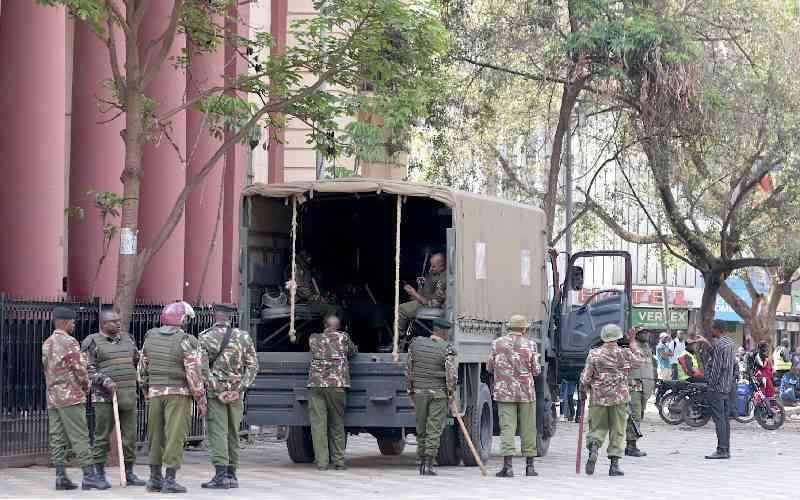
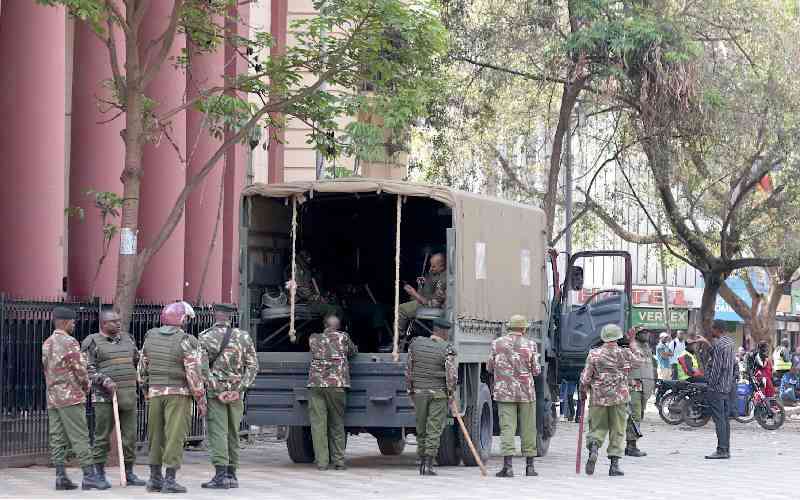
Police keep vigil during the matatu strike in Nairobi. [File, Standard]
A disturbing interview aired on Citizen TV this week has reignited one of the most uncomfortable conversations in Kenya’s recent history. A man interviewed during the station’s news broadcast alleged that some police officers operate alongside criminal gangs while dressed in plain clothes. According to him, these individuals participate in robberies, attacks on civilians and other criminal activities. He further claimed that plainclothes police officers were among those involved in the attack on All Saints Cathedral and that when some of them are arrested, they are identified and released.
These are grave allegations. They cannot be ignored, dismissed, or treated as ordinary political noise. They also remain allegations that must be investigated and tested against evidence. Still, the claims have unsettled Kenyans because they echo questions citizens have asked for years.
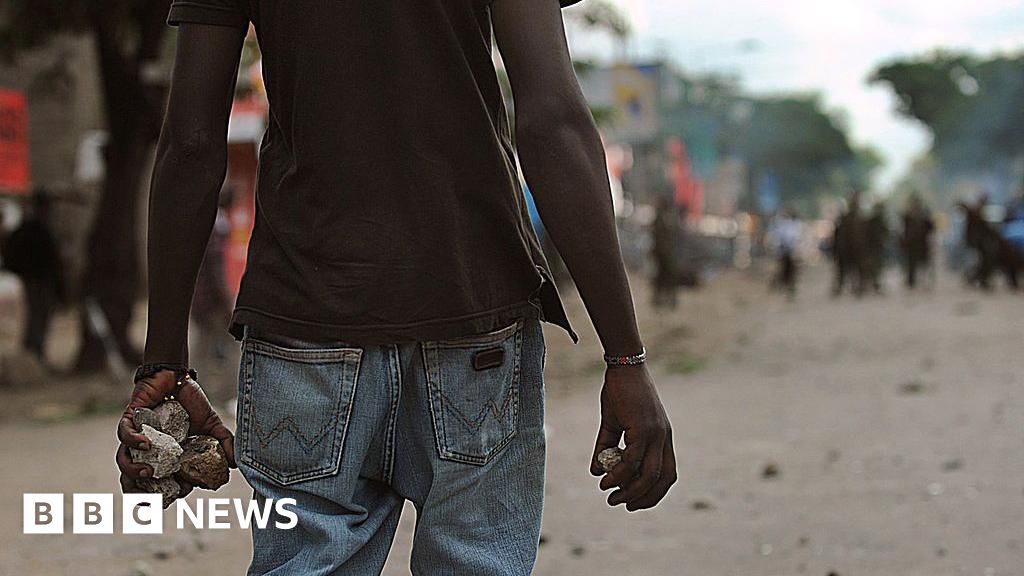
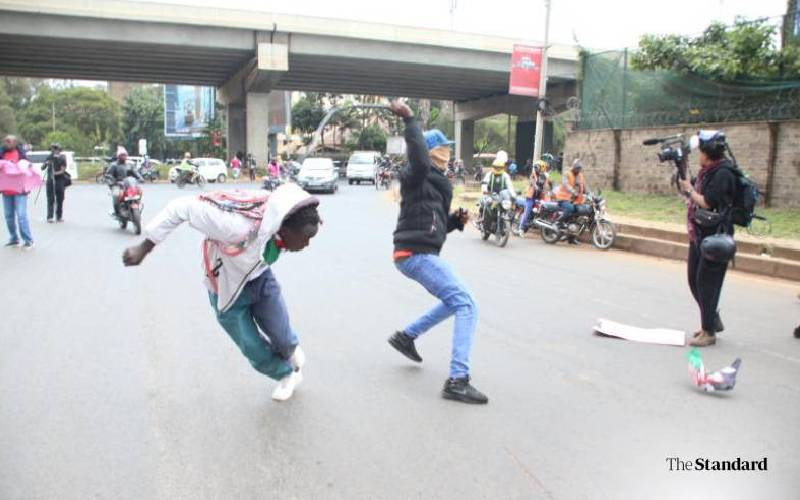
During the protests of 2024 and 2025, Kenyans watched scenes that strained belief. Videos and reports showed individuals looting businesses, setting property ablaze, assaulting civilians, and moving through areas where police were present. Some appeared unusually confident and unafraid. Citizens asked how criminal acts could unfold so openly without immediate consequences. Why did some individuals appear to operate with impunity. Why did arrests seem selective, delayed, or absent. Those questions matter because public trust in policing rests on one principle: the belief that police stand between society and criminality.