A quieter Federal Reserve could mean volatile markets, higher rates
The Federal Reserve has for decades moved steadily from a remote, opaque government agency that shared little about what it did or why to a more transparent institution willing to explain how it makes decisions and what it thinks about the economy.
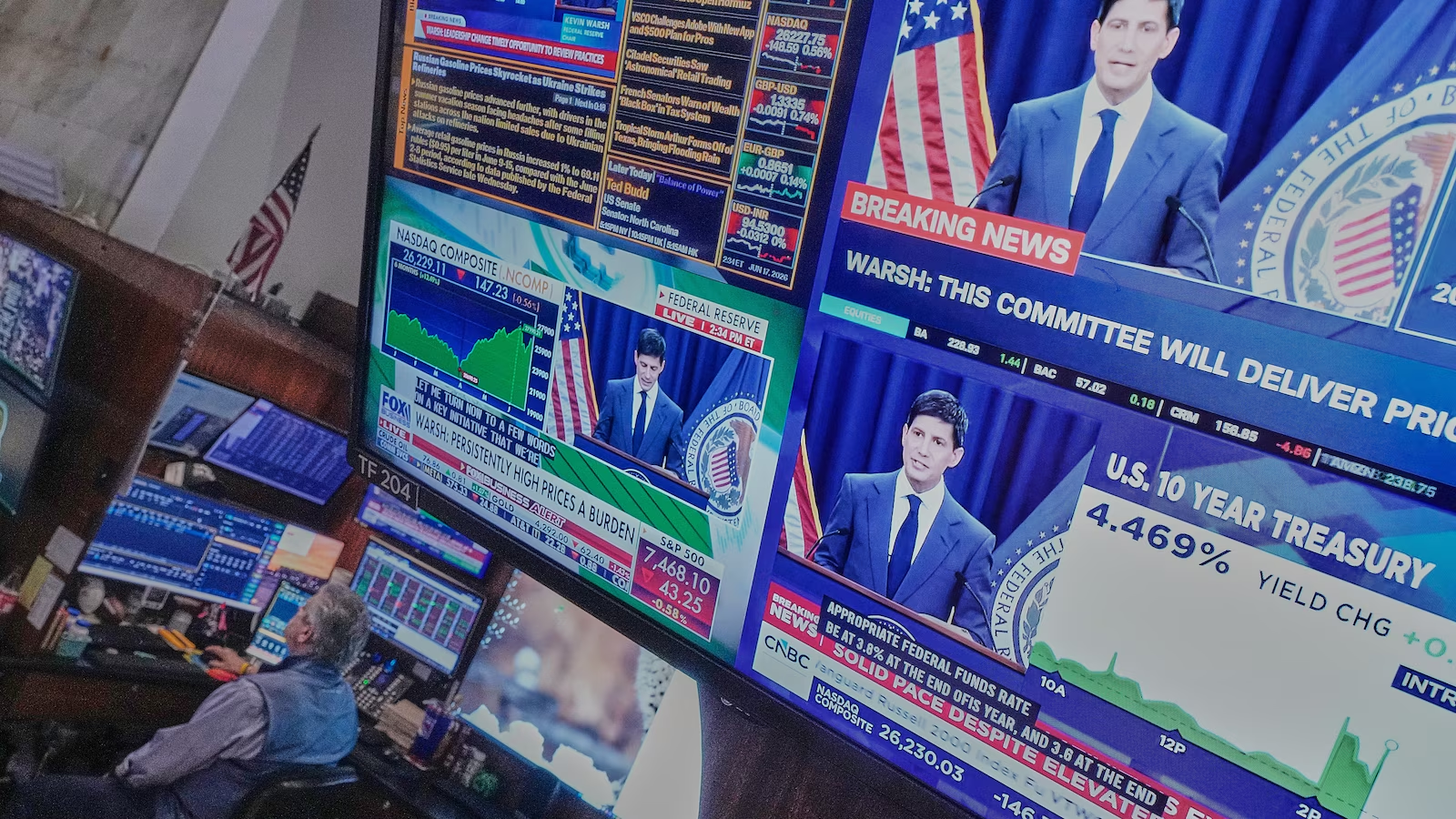
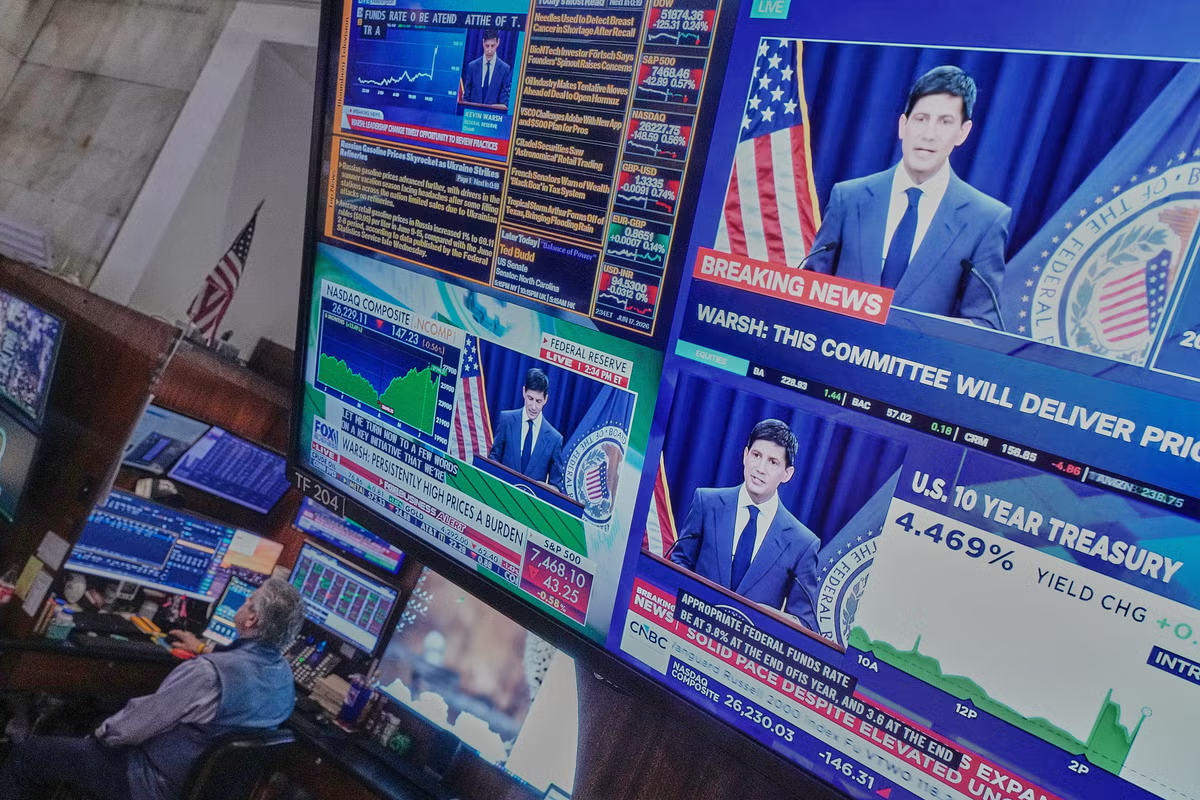
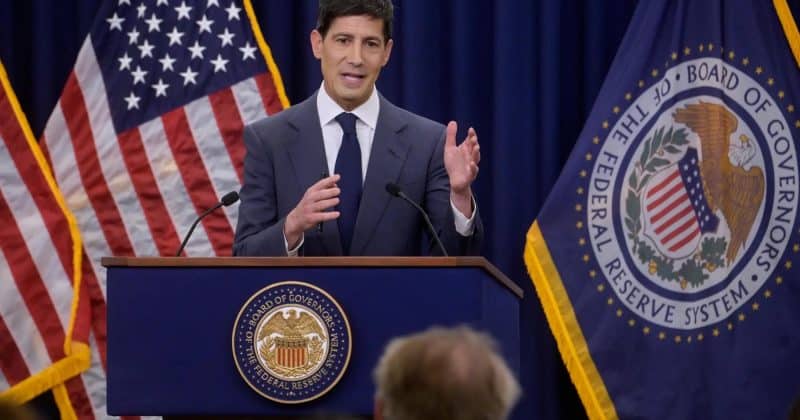
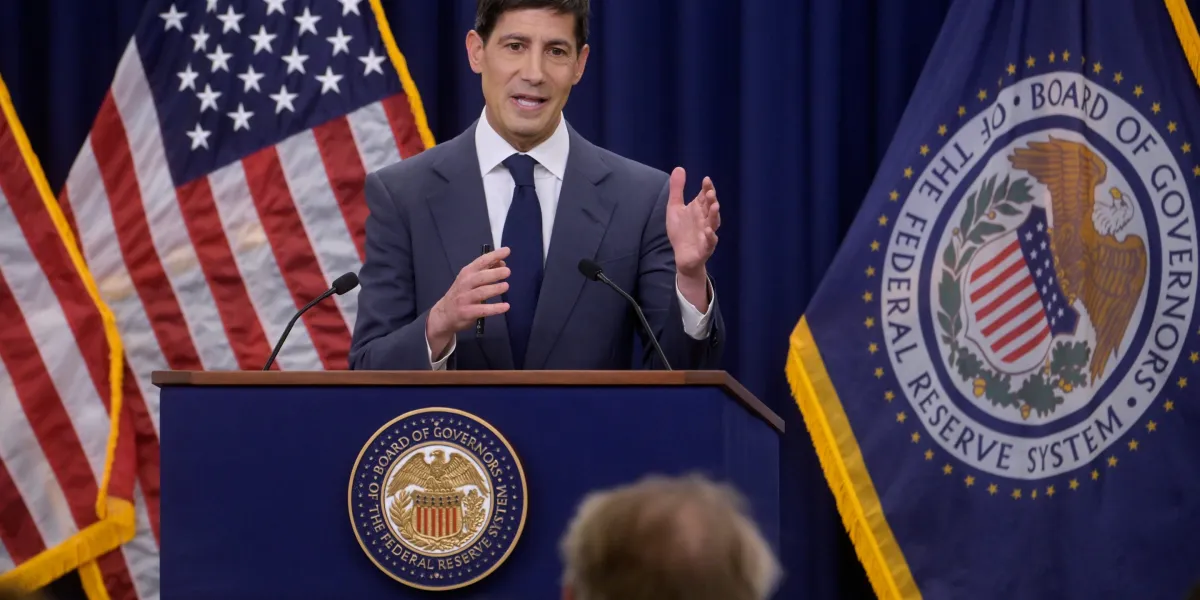
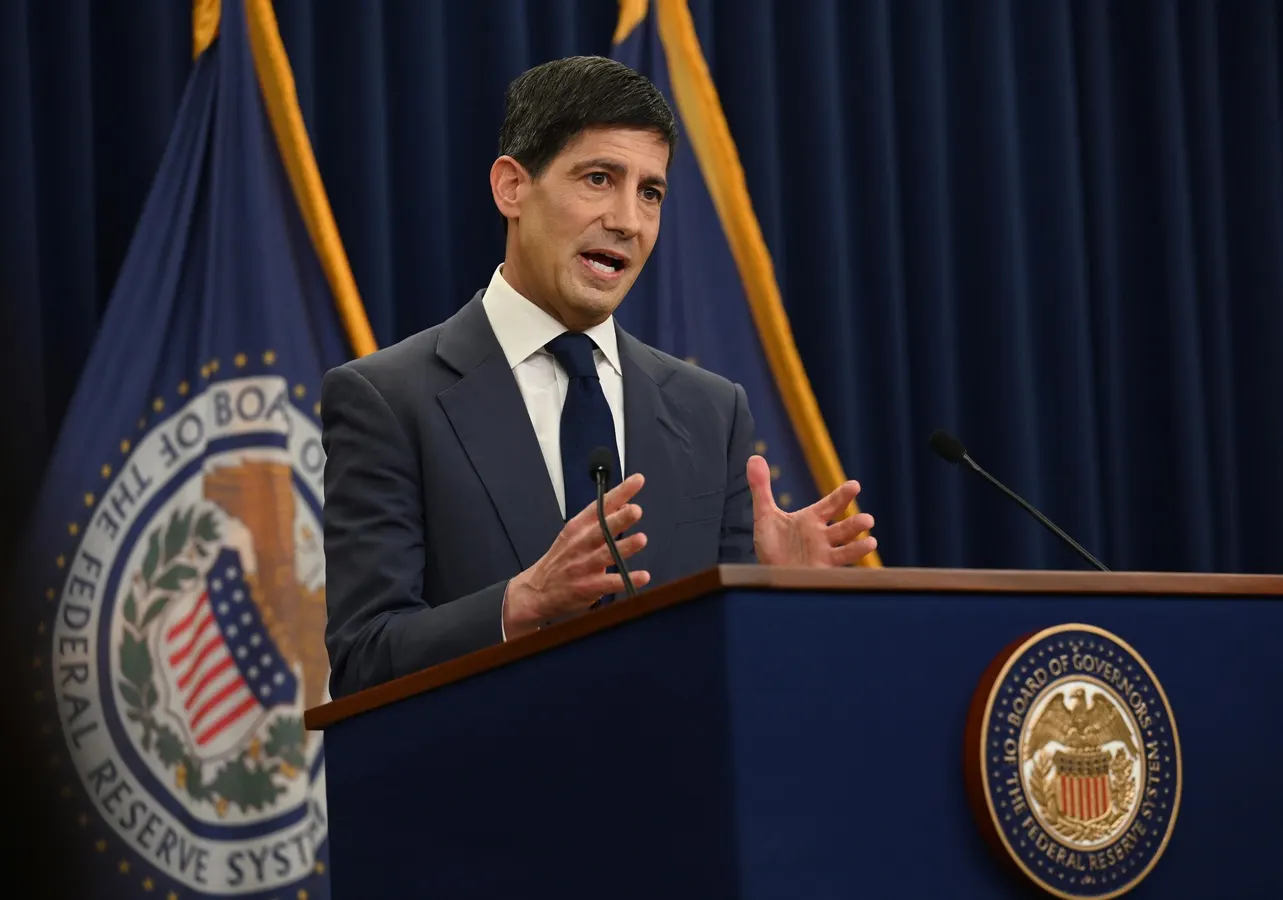
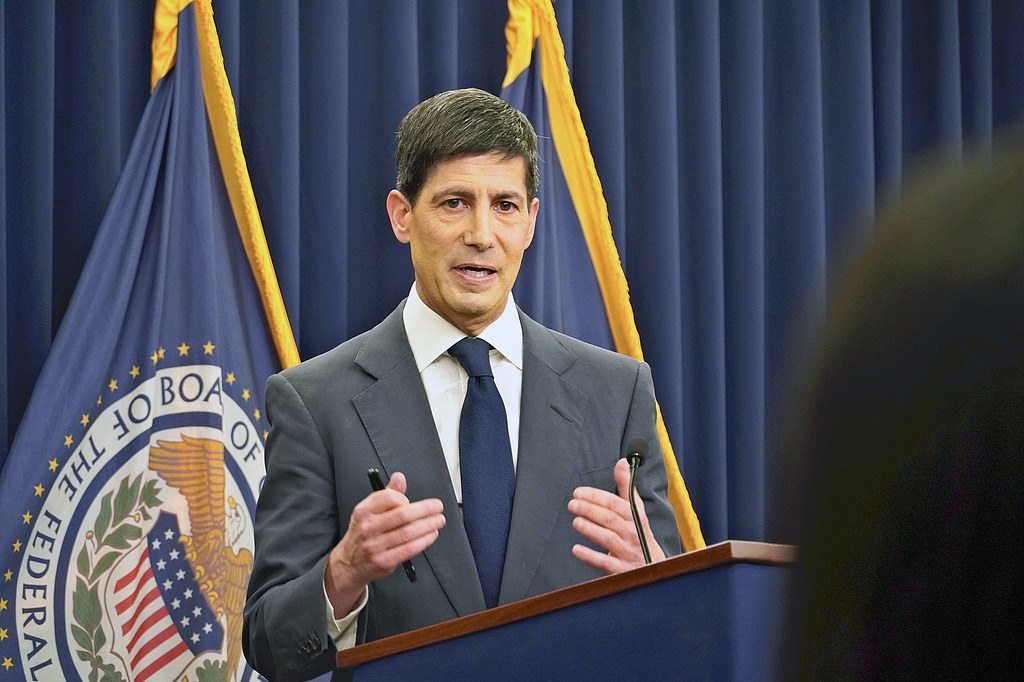
But in his first press conference on June 17, new chair Kevin Warsh began to reverse some of those steps. Warsh, like many economists, thinks the financial markets have become too dependent on Fed guidance, and that such direction is more effective in financial crises or economic downturns.
Warsh quickly made changes: The Fed’s statement on its interest-rate decision was slashed to 132 words, from 341 in April. And Warsh pointedly noted that the statement excluded any hints, or “forward guidance,” about what the Fed’s next moves might be.
In short, Warsh rapidly delivered on a promise to slash the Fed’s communications, particularly the guidance it gives to financial markets about its next interest-rate moves. Yet such an approach carries the risk of more violent swings in stock and bond prices, analysts say, and ultimately could lead to higher interest rates for consumers and businesses.