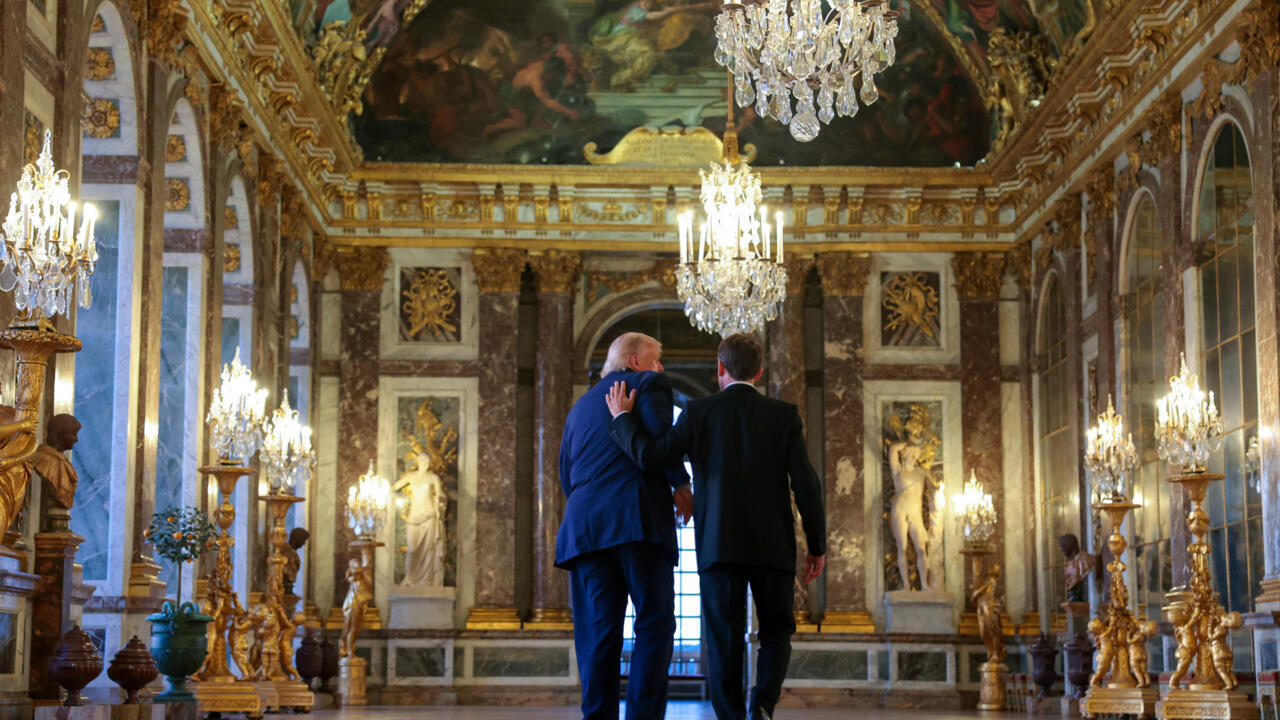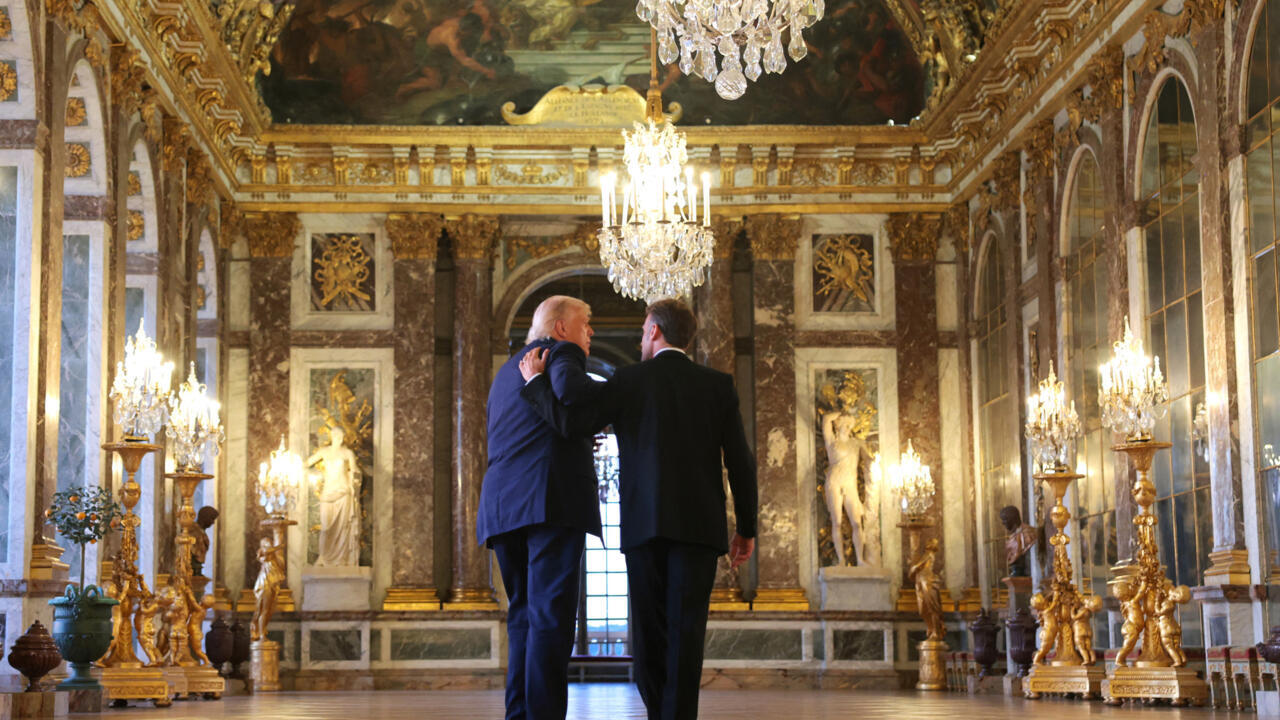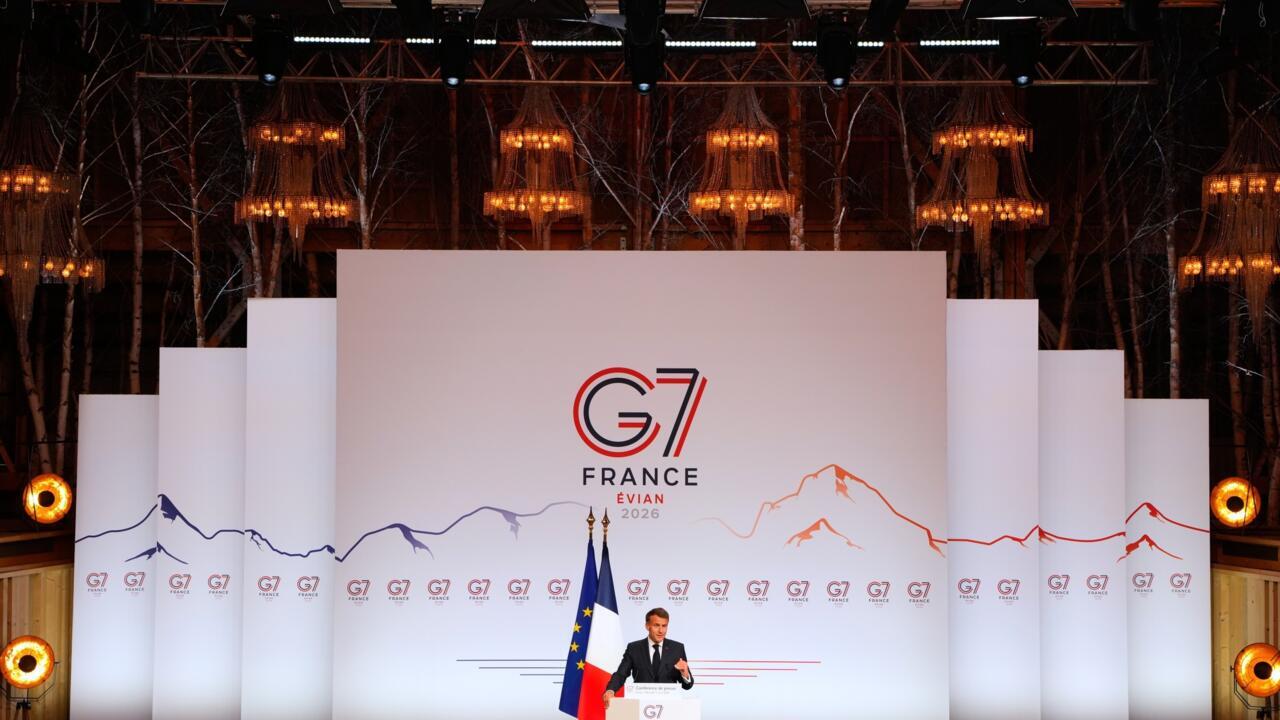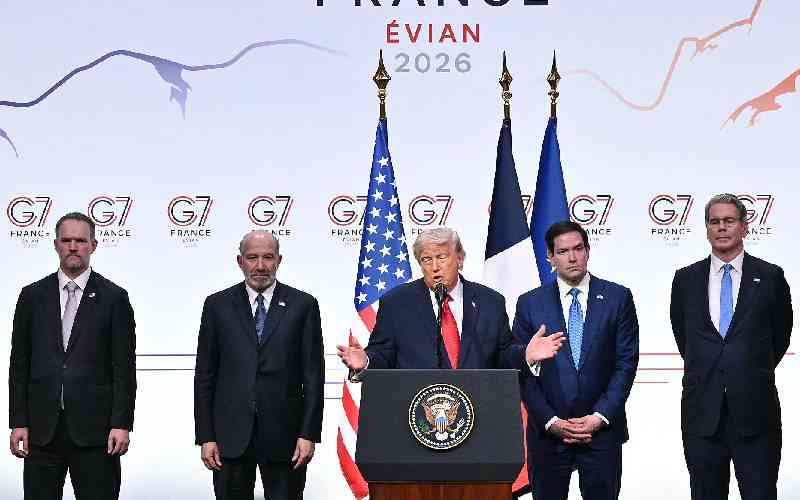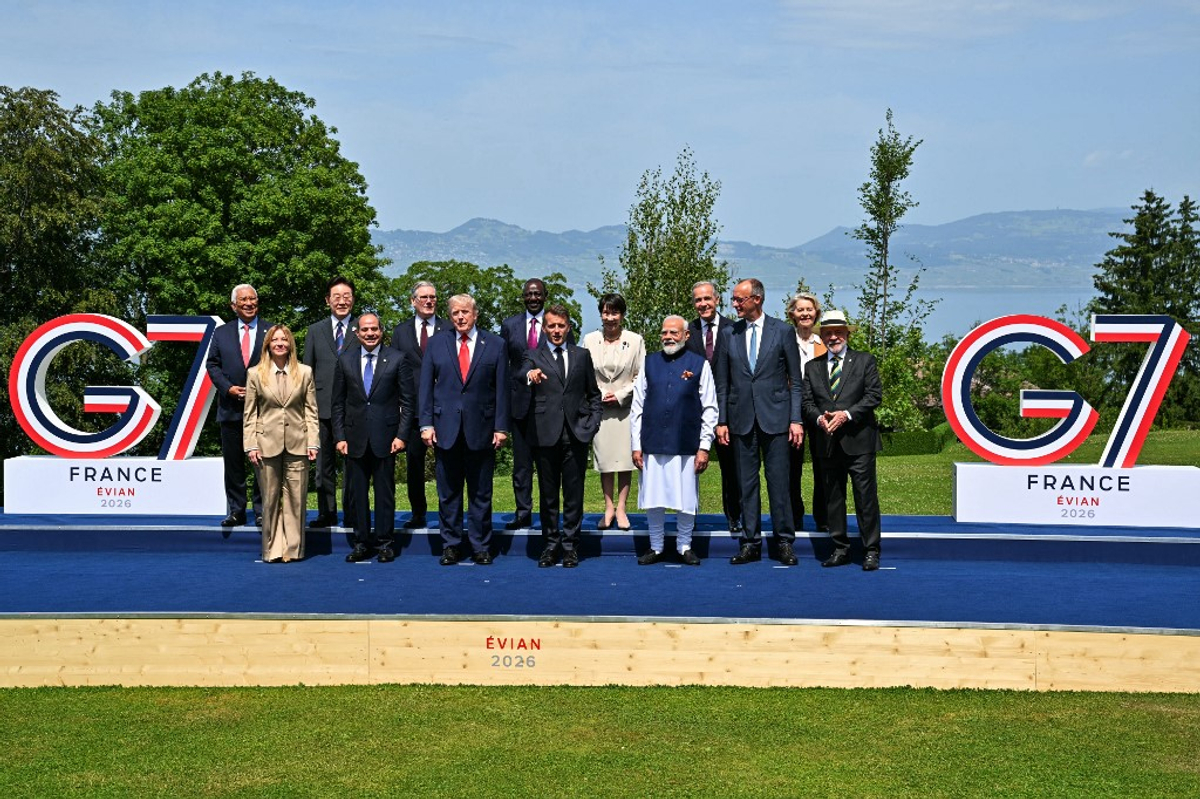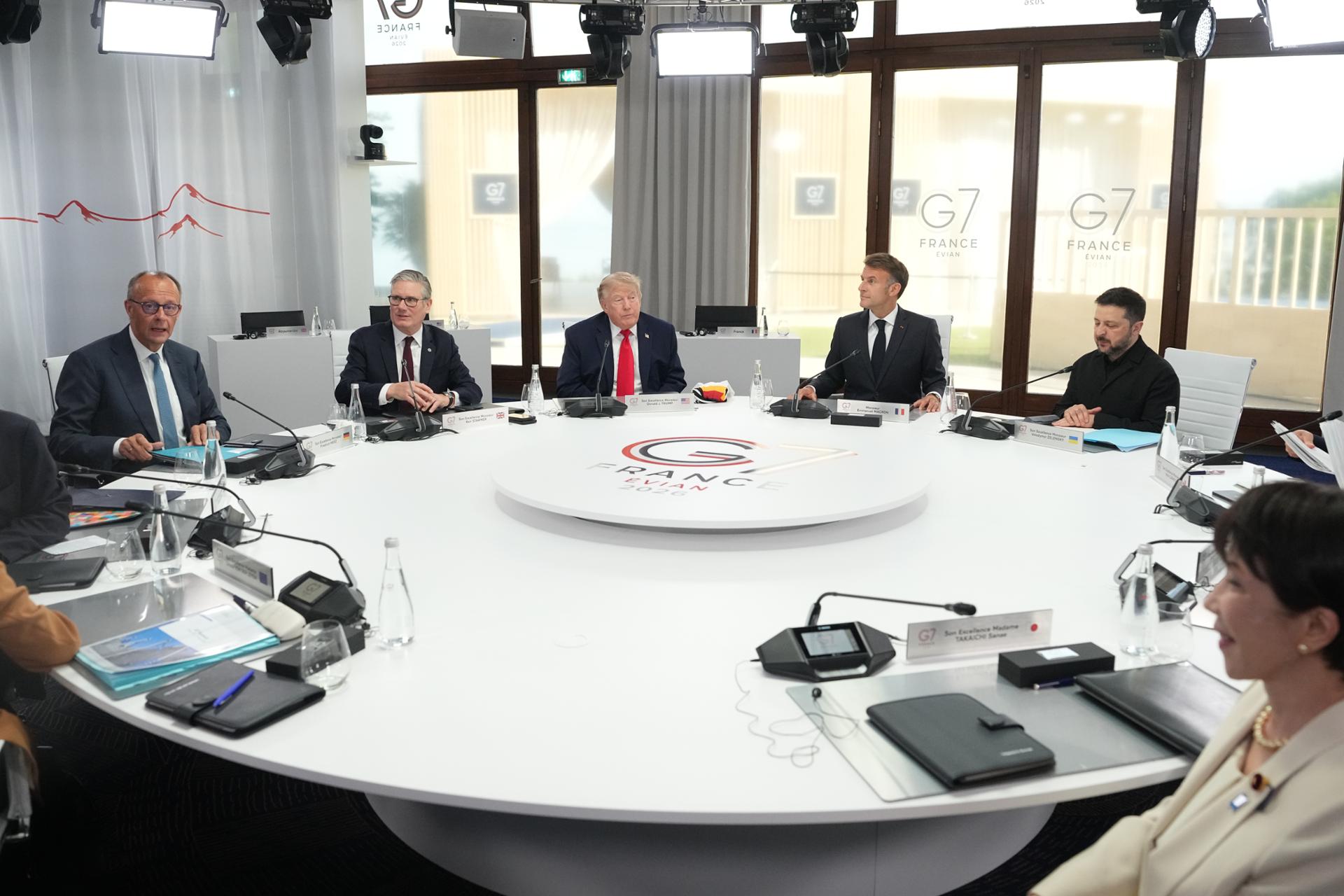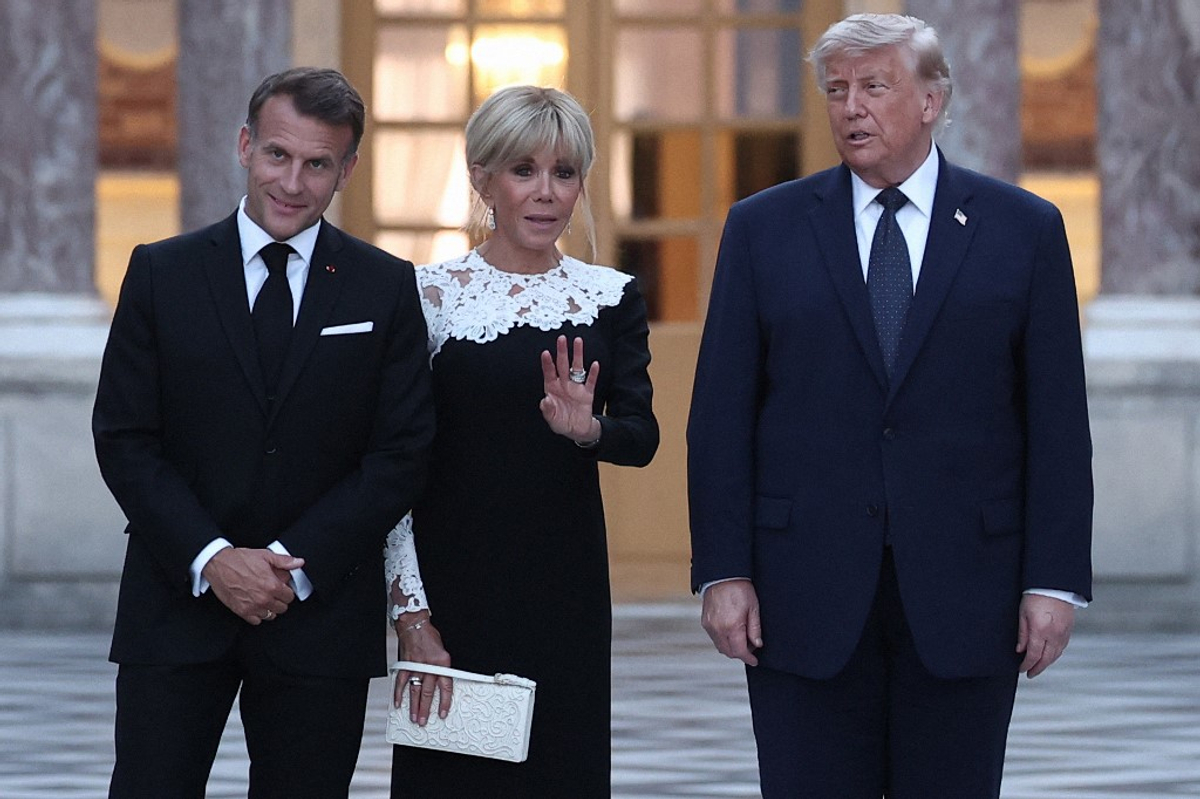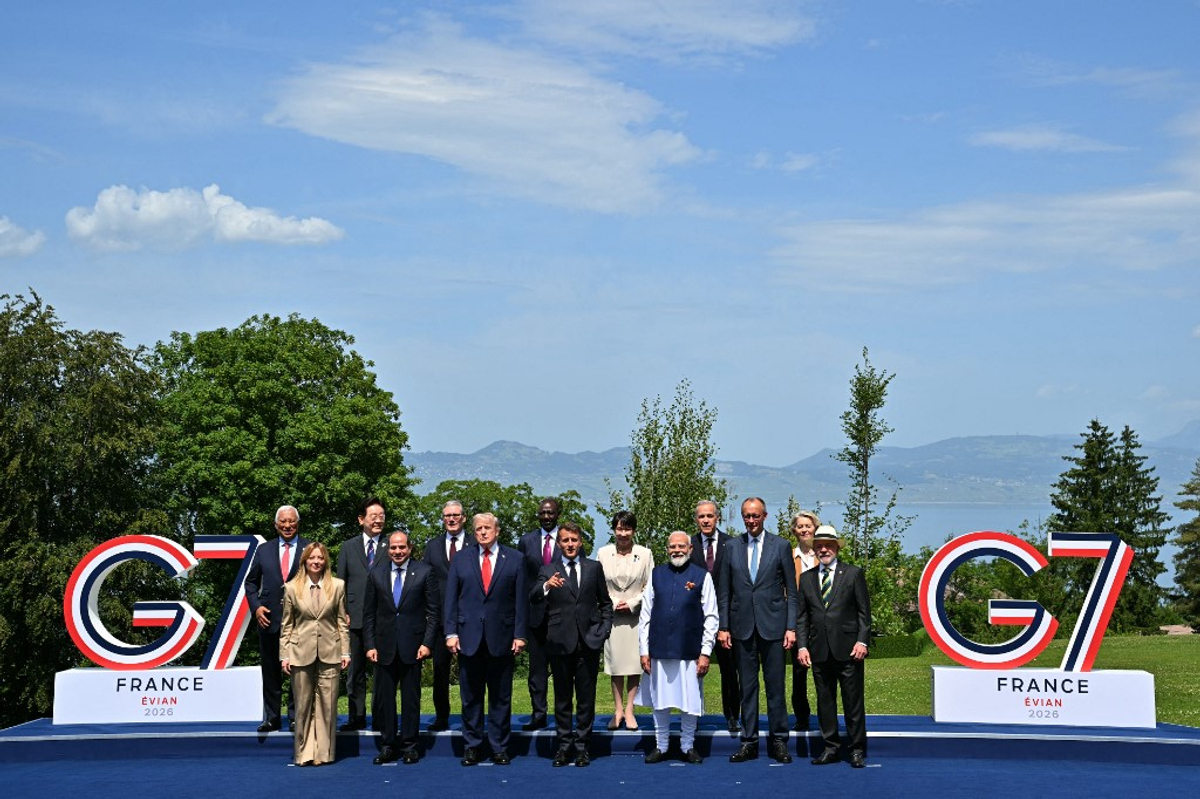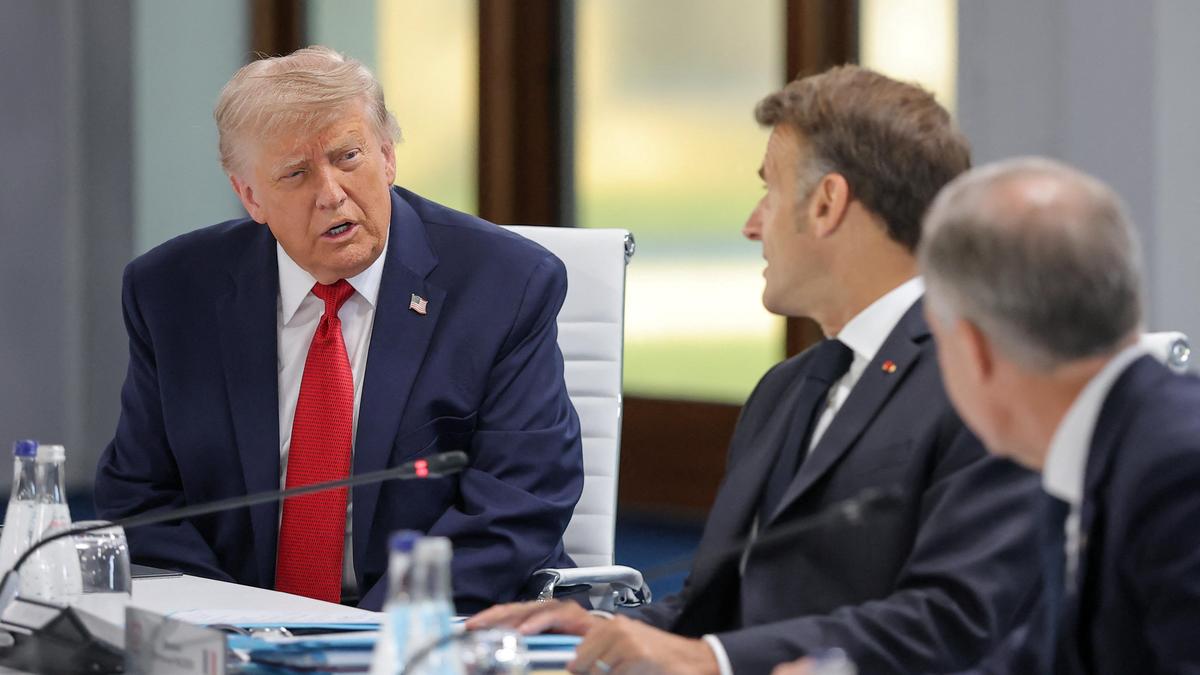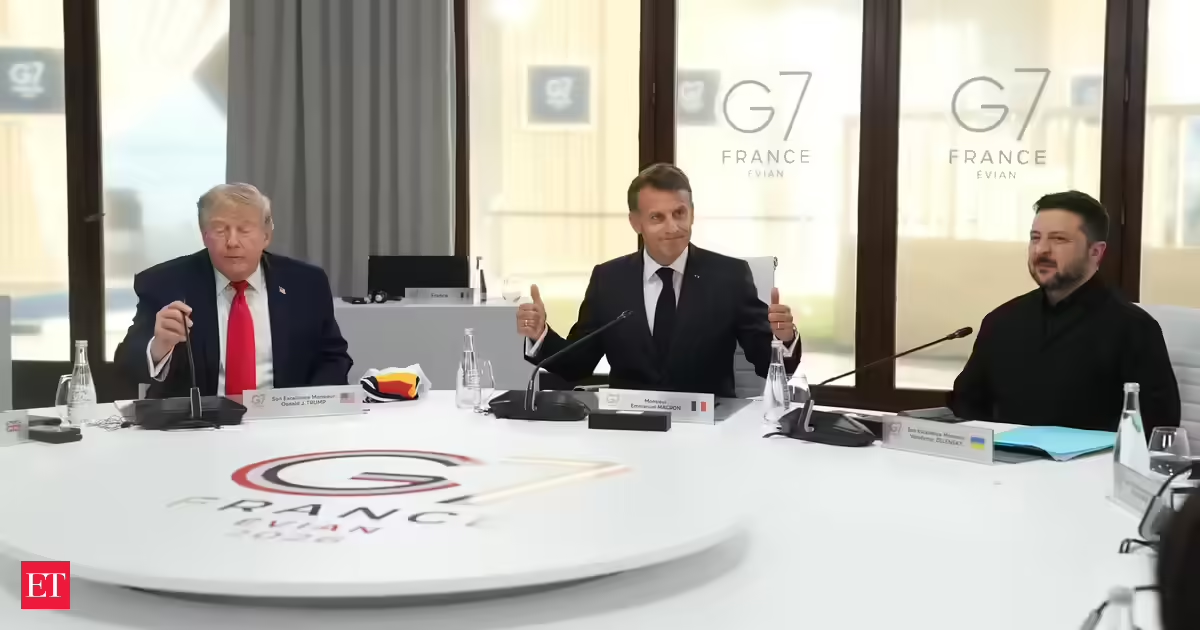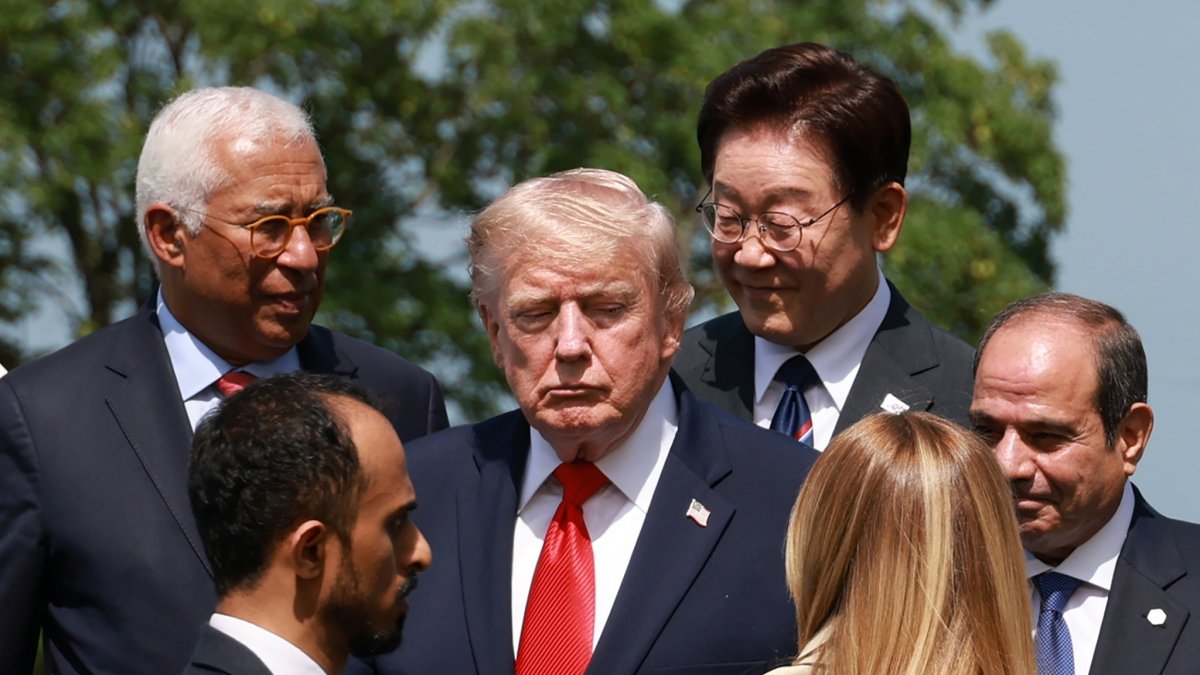
The G-7 summit in Evian-les-Bains produced one genuine breakthrough last week: a signed memorandum to end the war between the U.S. and Iran. It also produced something less concrete but still notable: a sharper, more united tone from Western leaders toward Russia. The two outcomes sat side by side at the same summit, and the contrast between them is worth thinking about.
For years, U.S. President Donald Trump's approach to the Ukraine war has frustrated European allies, who never quite knew whether Washington saw Russia as the problem or simply as an inconvenience to be managed. Last year's G-7 summit ended with Trump walking out early. This year, he stayed, signed onto a joint statement referencing the war, and spoke with visible impatience about the toll the fighting has taken. German Chancellor Friedrich Merz called the statement a success. French President Emmanuel Macron went further, describing a big change in the American position.
That is a significant step, but whether it will be the beginning of further change remains an open question.
The substance behind the new unity is a promise to tighten sanctions on Russia's war economy, particularly its fossil fuel revenues, along with more air defense supplies for Ukraine and new licenses for Ukrainian companies to build long-range missiles. These are important measures, but sanctions have been tightened before, and Russia has adapted before.