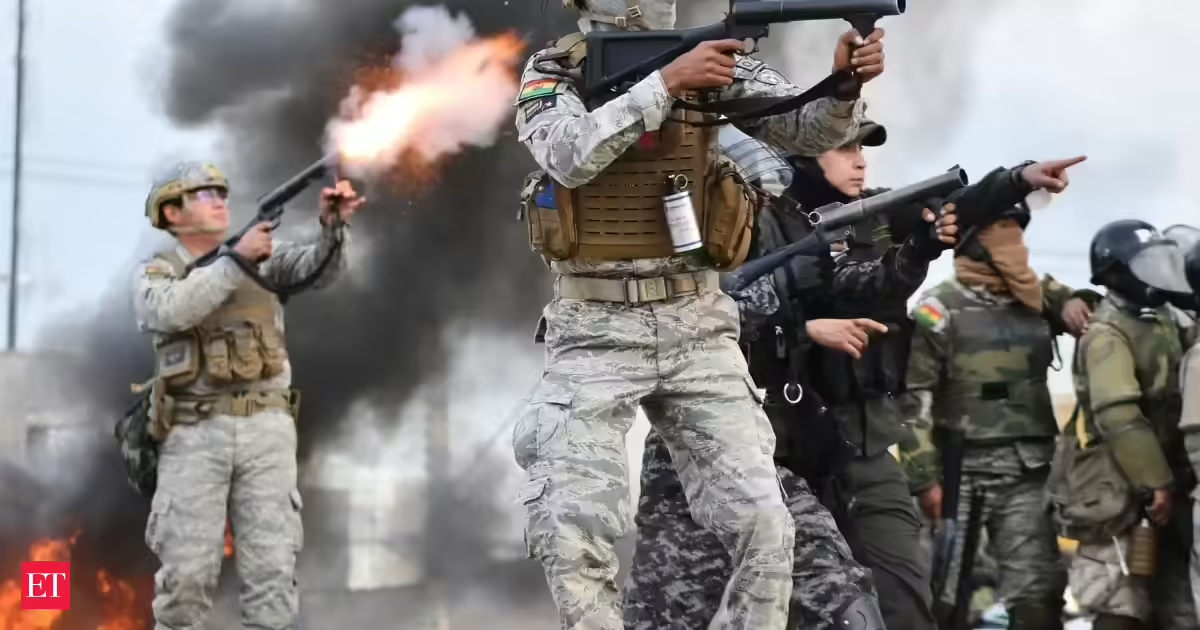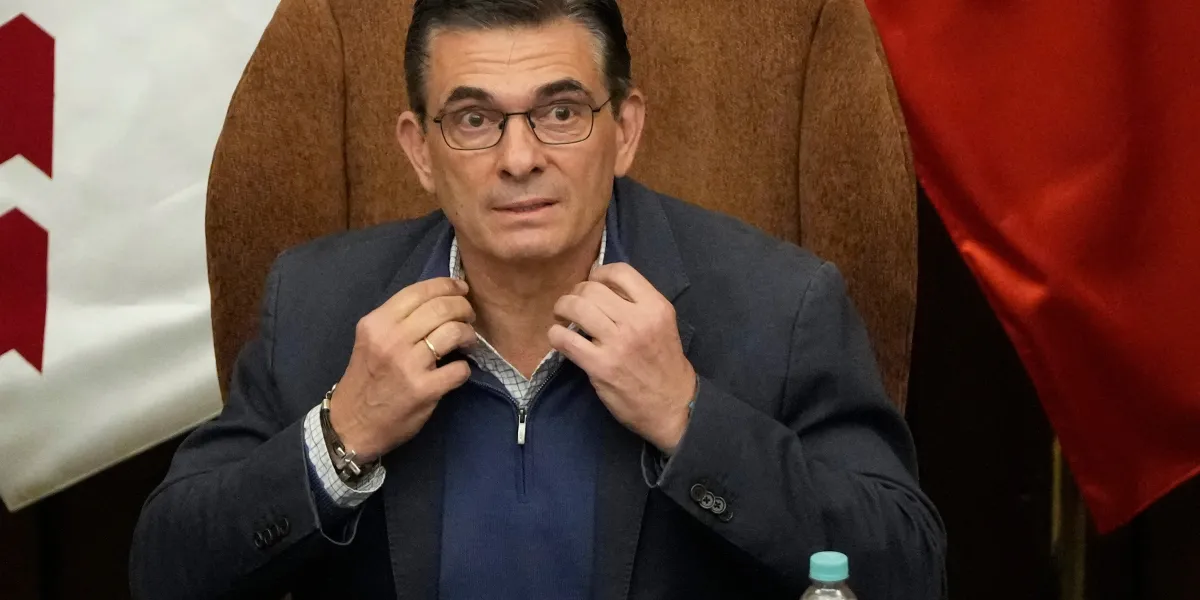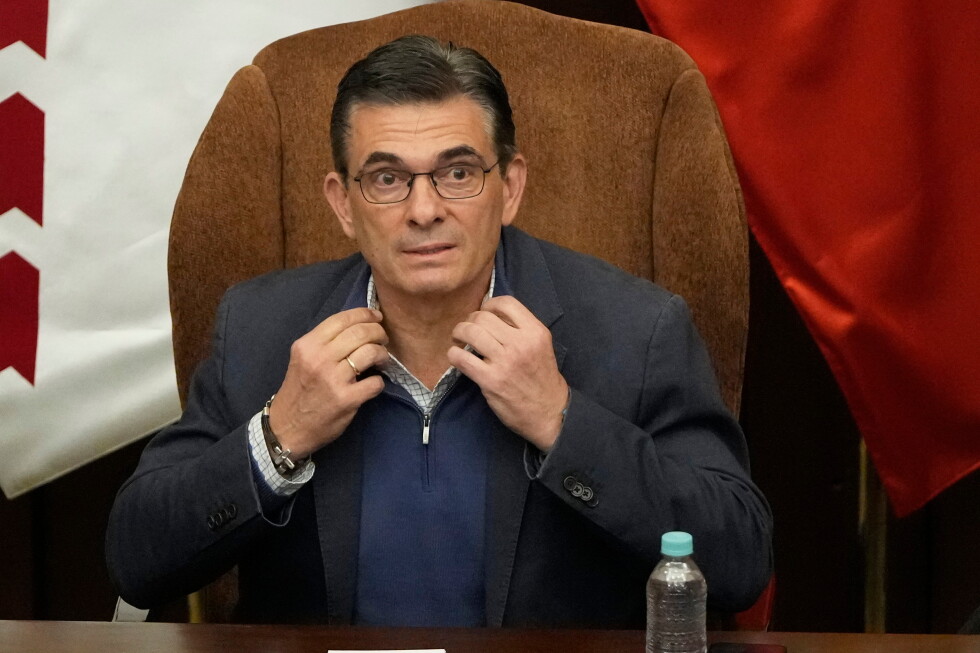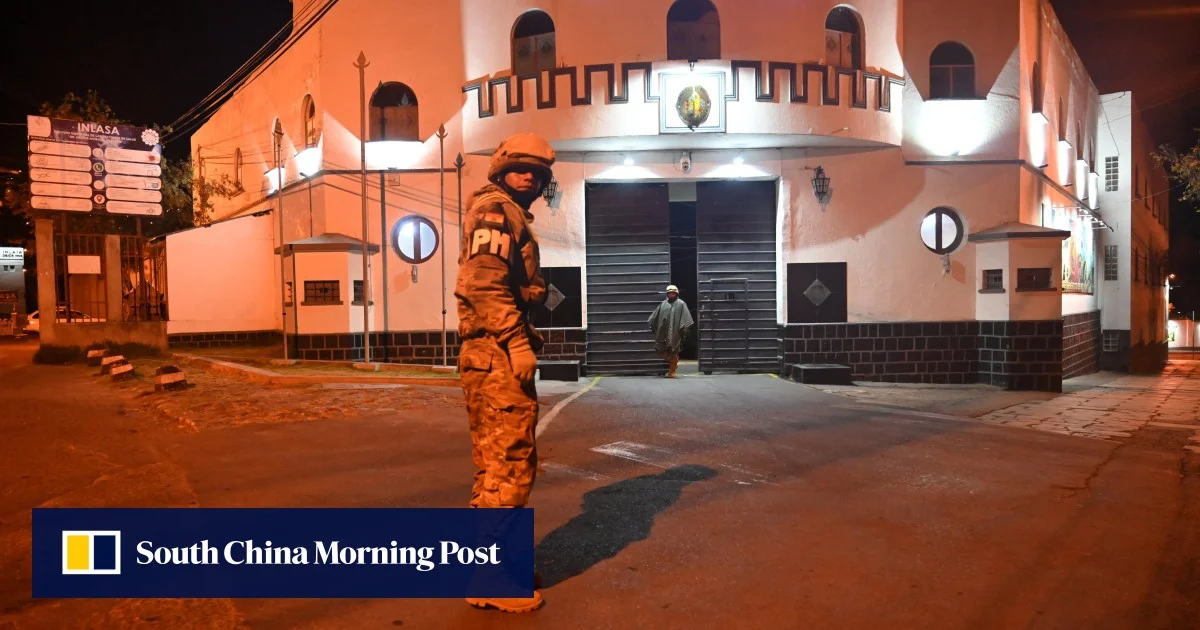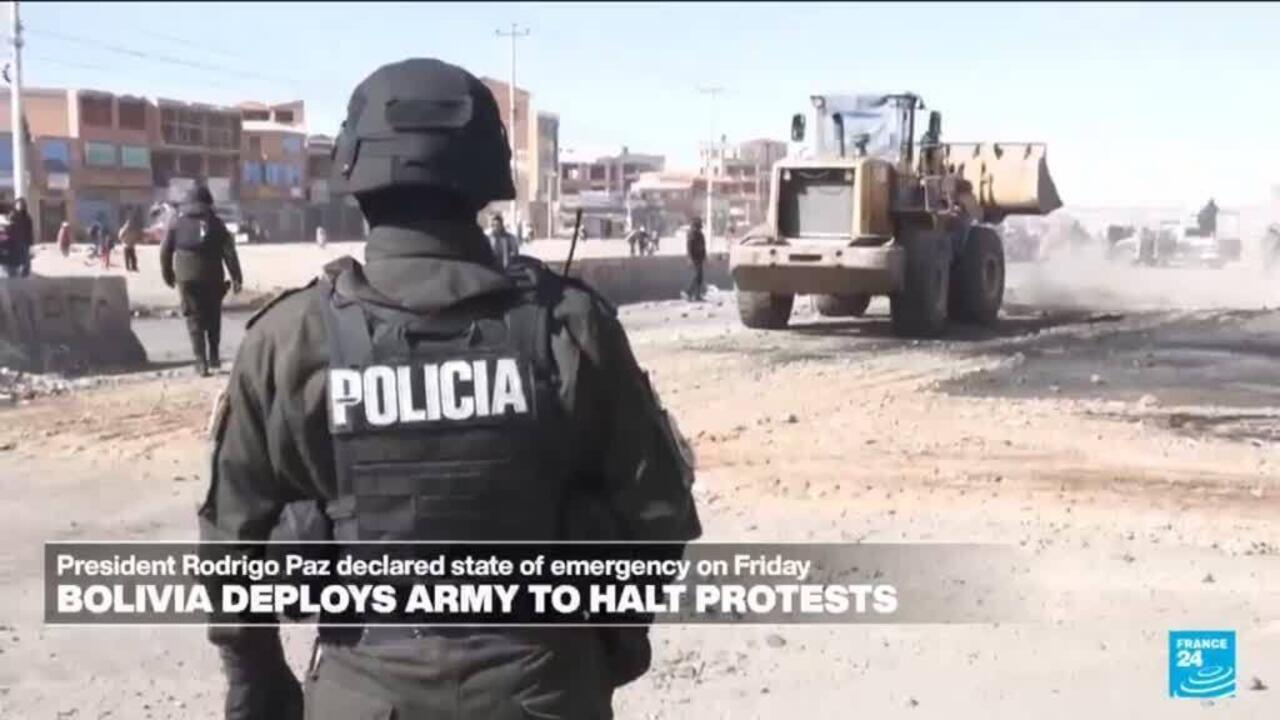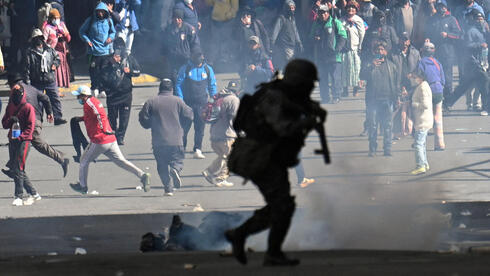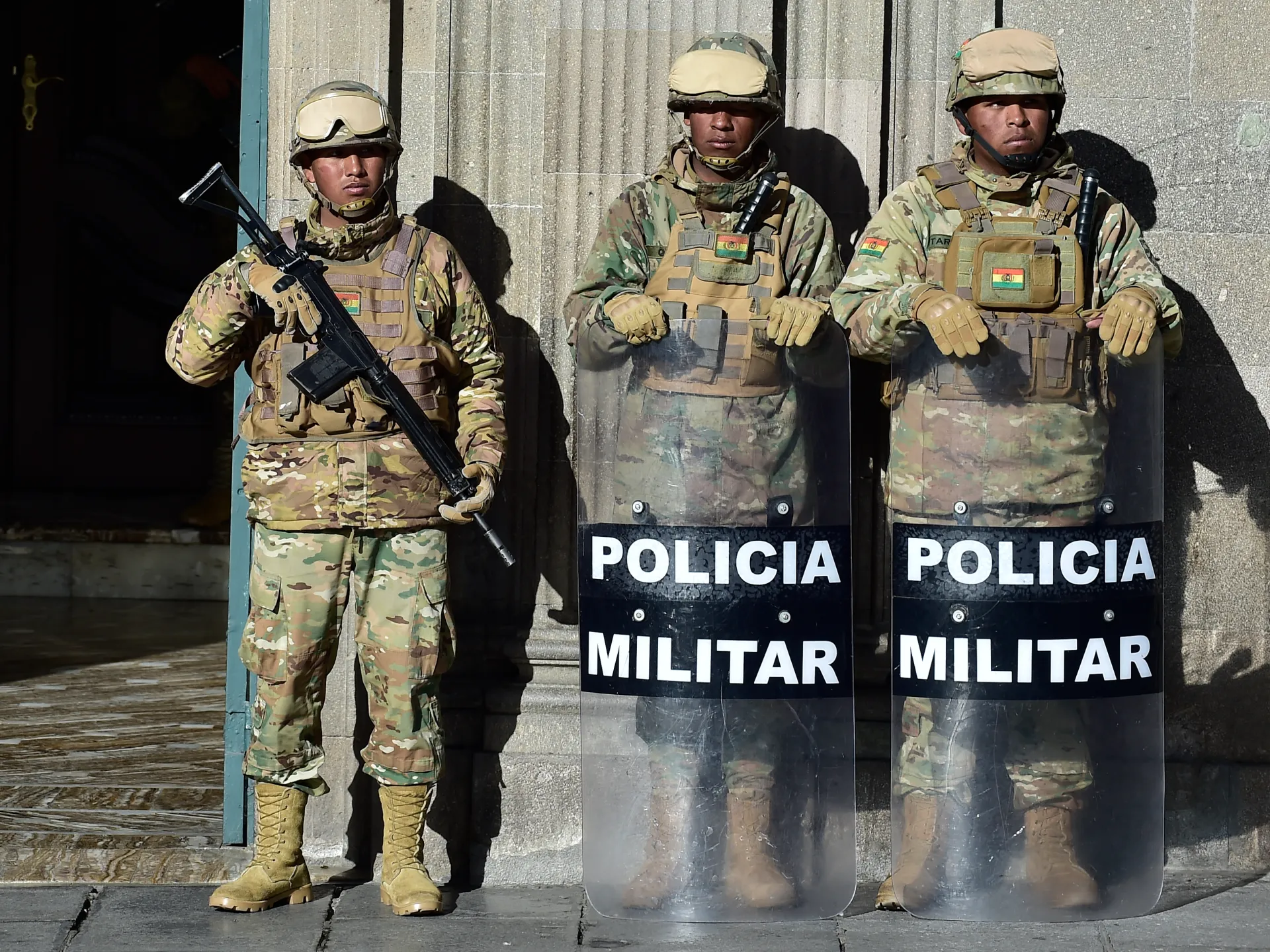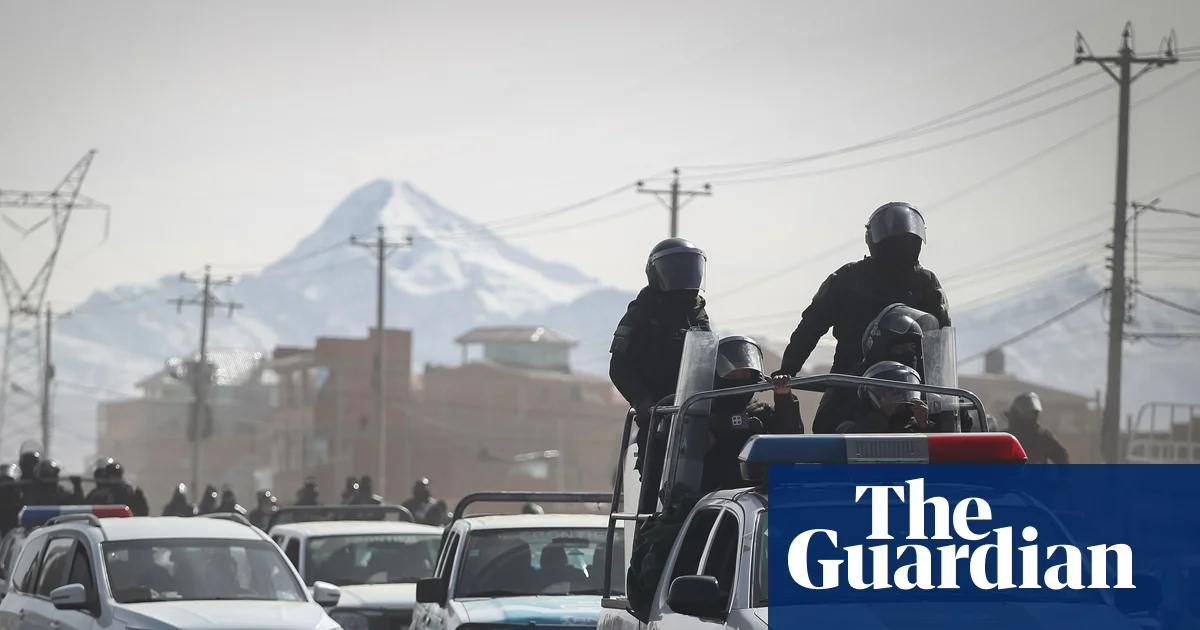
Bolivia’s president declared a state of emergency on Saturday and deployed soldiers and bulldozers to raze anti-government roadblocks that have paralysed the country.For more than six weeks, unions, Indigenous groups and coca farmers have marched through cities and blocked roads across the country with rubble, logs and debris in protest against the conservative government.Major cities have suffered acute shortages of fuel, food and medicine, the economy has lost billions of dollars, and the protests have threatened to topple Bolivia’s first non-socialist government in two decades.The president, Rodrigo Paz, appeared in a predawn televised address on Saturday to warn protesters they would face “the full force of the law” as he moved to end the crisis.He declared a 90-day state of emergency, which curbs the right to protest and allows the military to be deployed domestically.Hours after his address, AFP reporters in the city of El Alto saw squads of soldiers and armed police moving in a convoy as bulldozers moved in to clear roadblocks.A bulldozer breaks down a barricade at a blockade zone in the city of El Alto on Saturday. Photograph: Aizar Raldes/AFP/Getty ImagesSome residents clapped as they passed. One man handed a bag of bread to a police officer riding in the back of a pickup truck.“I’m very happy,” Carla Butron, a 39-year-old shopkeeper, told AFP.“Everything has been difficult here in El Alto during these 50-some days – work, free movement.”In nearby La Paz, military police and navy personnel guarded the presidential palace and police tactical units were stationed on main squares.“Bolivians cannot continue to be held hostage by blockades that prevent them from working, studying, receiving medical care, getting supplies and bringing food to their homes,” Paz said in a social media post.“This state of emergency is not intended to take away normalcy, but to restore it.”A man is arrested at a blockade zone in Cruce Ventilla in El Alto on Saturday. Photograph: Aizar Raldes/AFP/Getty ImagesThe protesters want Paz to abandon liberal economic reforms and step down, less than a year after he was elected.The 58-year-old had signalled he was ready to negotiate and, earlier this week, agreed to a deal with one of the country’s major unions to end the crisis.In exchange for a promise not to privatise state companies and to hold further talks, the Bolivian Workers’ Central union agreed to end their protests.But some Indigenous groups have vowed to fight on, and more than 40 major roadblocks remain.“We want him gone. We don’t want him to be the one governing,” Lidia Callisaya, a 42-year-old Aymara leader, told AFP recently.But some Bolivians are ready to see an end to the disruption.On the road to La Paz, truck driver Erland Richard Segovia, 49, was hoping to make it to Santa Cruz, farther east.“They abandoned us on the road, we have to wait. Now, at least we’re seeing that traffic is starting to get back to normal,” he said.Police and military forces clear road blocks in El Alto. Photograph: Luis Gandarillas/EPAPaz has accused “narcoterrorists” – and in particular former president Evo Morales – of being behind the road-blocking protests.Morales, a leftist firebrand, Indigenous leader and former coca farmer, was president from 2006 to 2019.He is in hiding while facing charges of alleged trafficking of a minor, which he denies.His stronghold is the Chapare region in central Bolivia, which is now a potential flashpoint.He is protected by thousands of Indigenous supporters who have so far prevented police from arresting him.Interior minister Marco Antonio Oviedo on Saturday refused to rule out an operation to capture the former leader.The security forces “will carry out whatever operations are necessary at the appropriate time,” he said, adding that Morales must face the law.Morales recently told AFP from hiding that Bolivians were rebelling against a conservative government that is “utterly submissive” to the United States.
Bolivian president declares state of emergency and deploys military to quell anti-government protests
Bulldozers sent in to clear roadblocks that have stifled the country as farmers and Indigenous groups protest against conservative president
632 words~3 min read