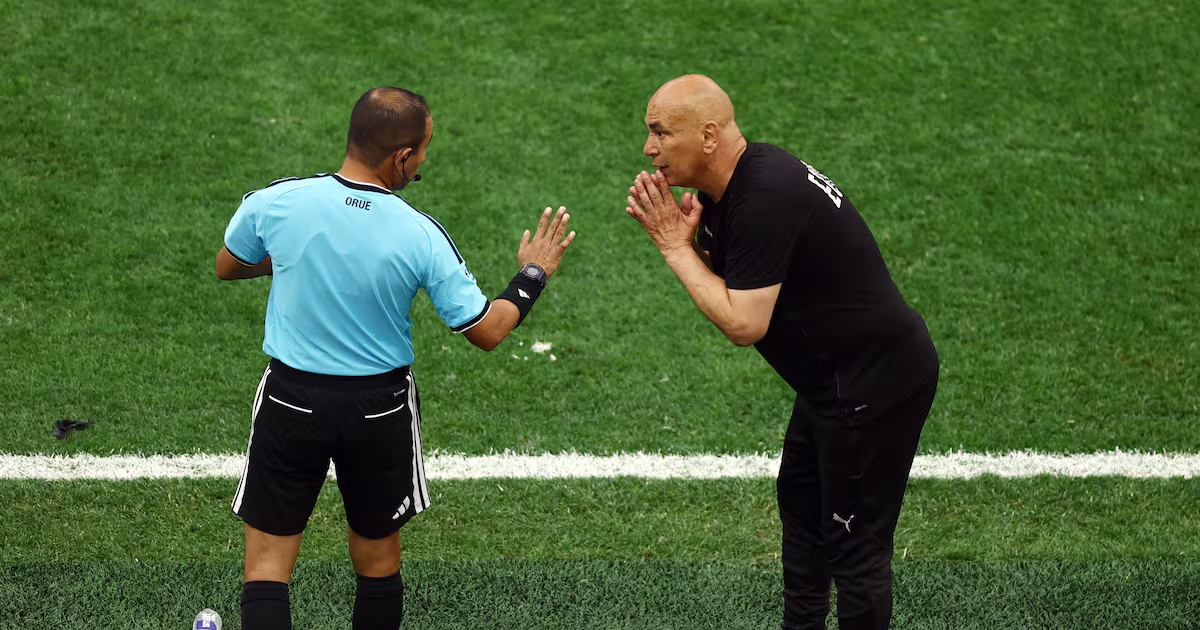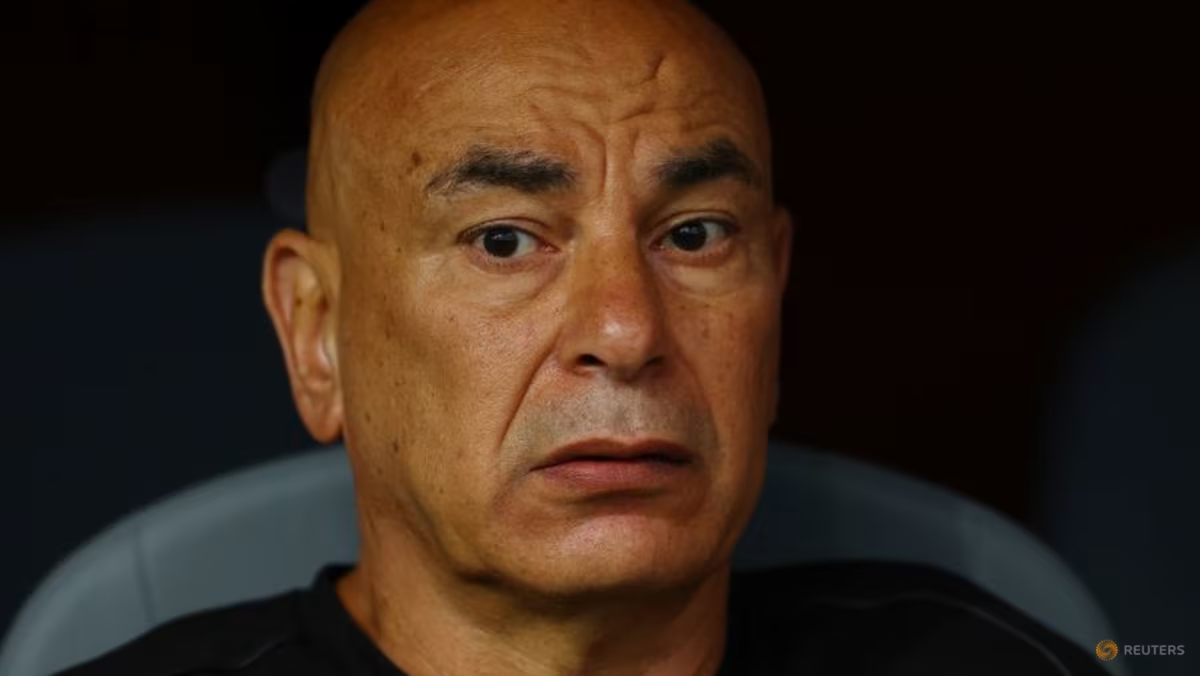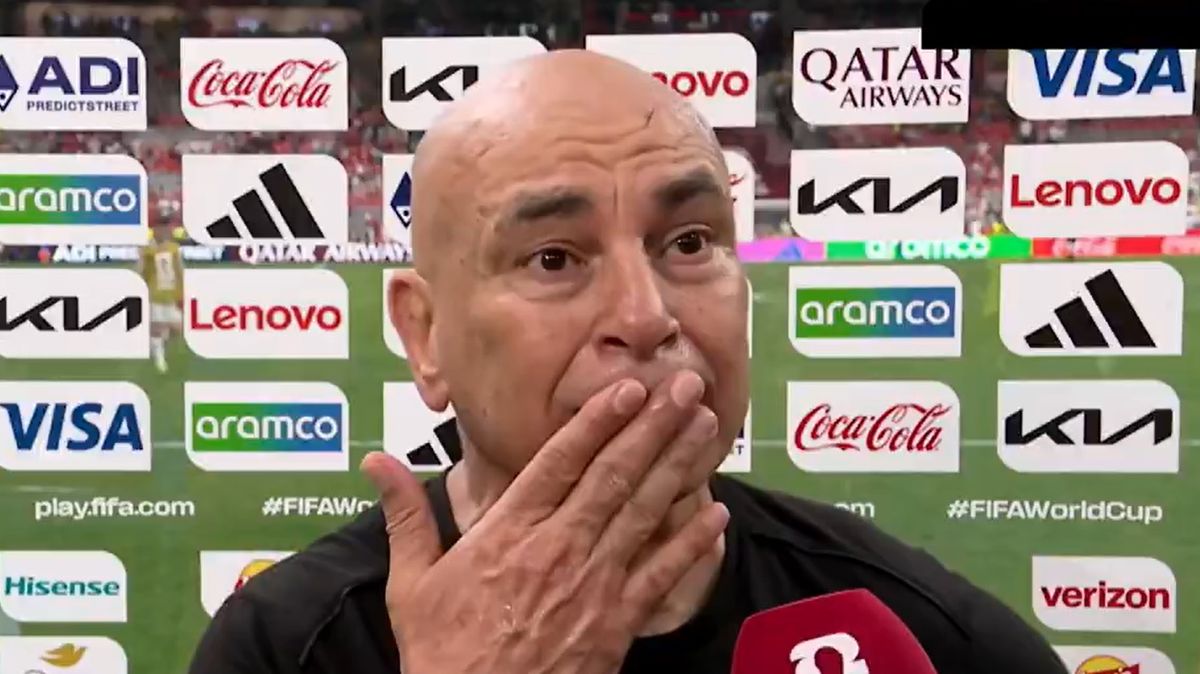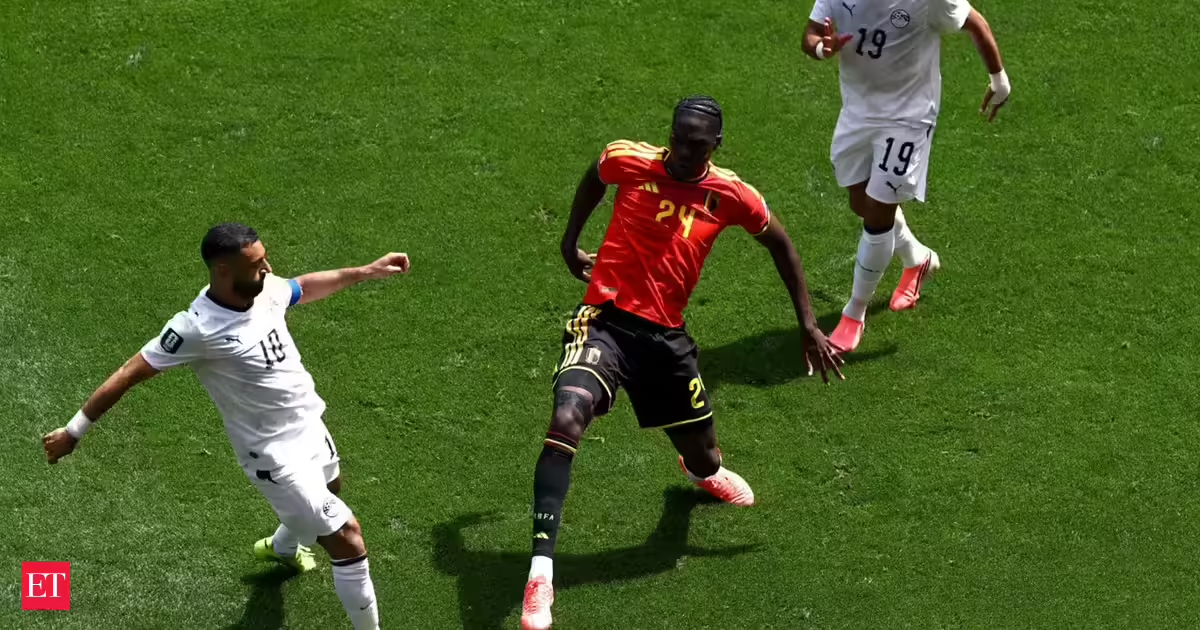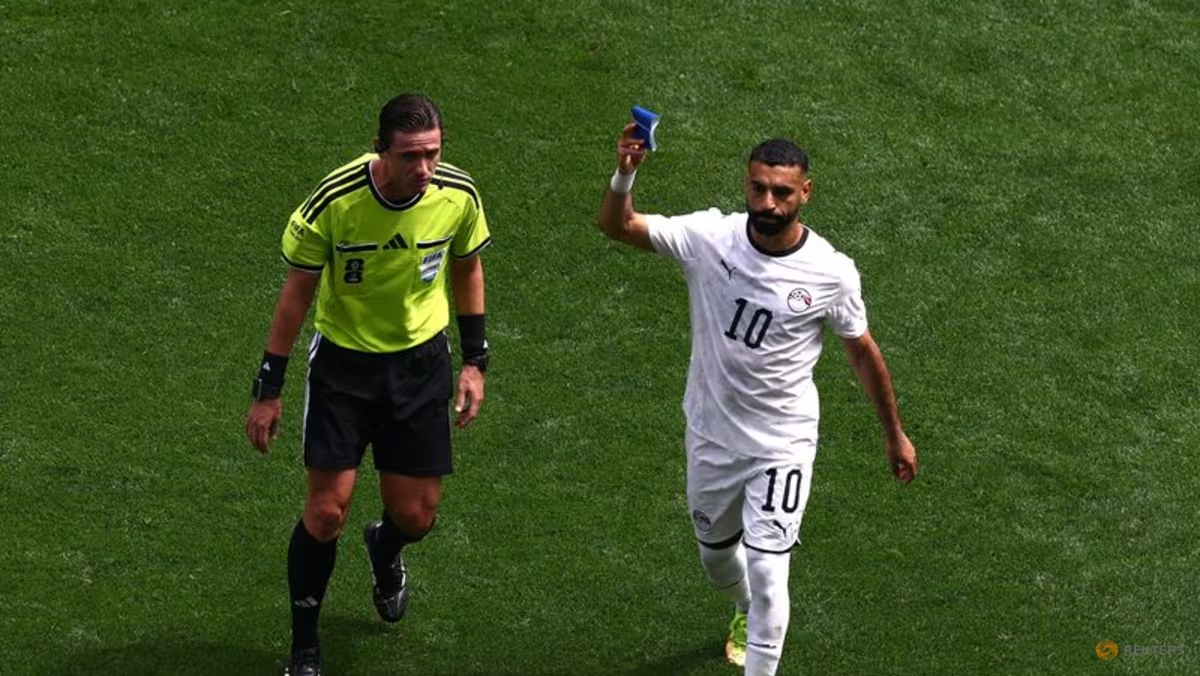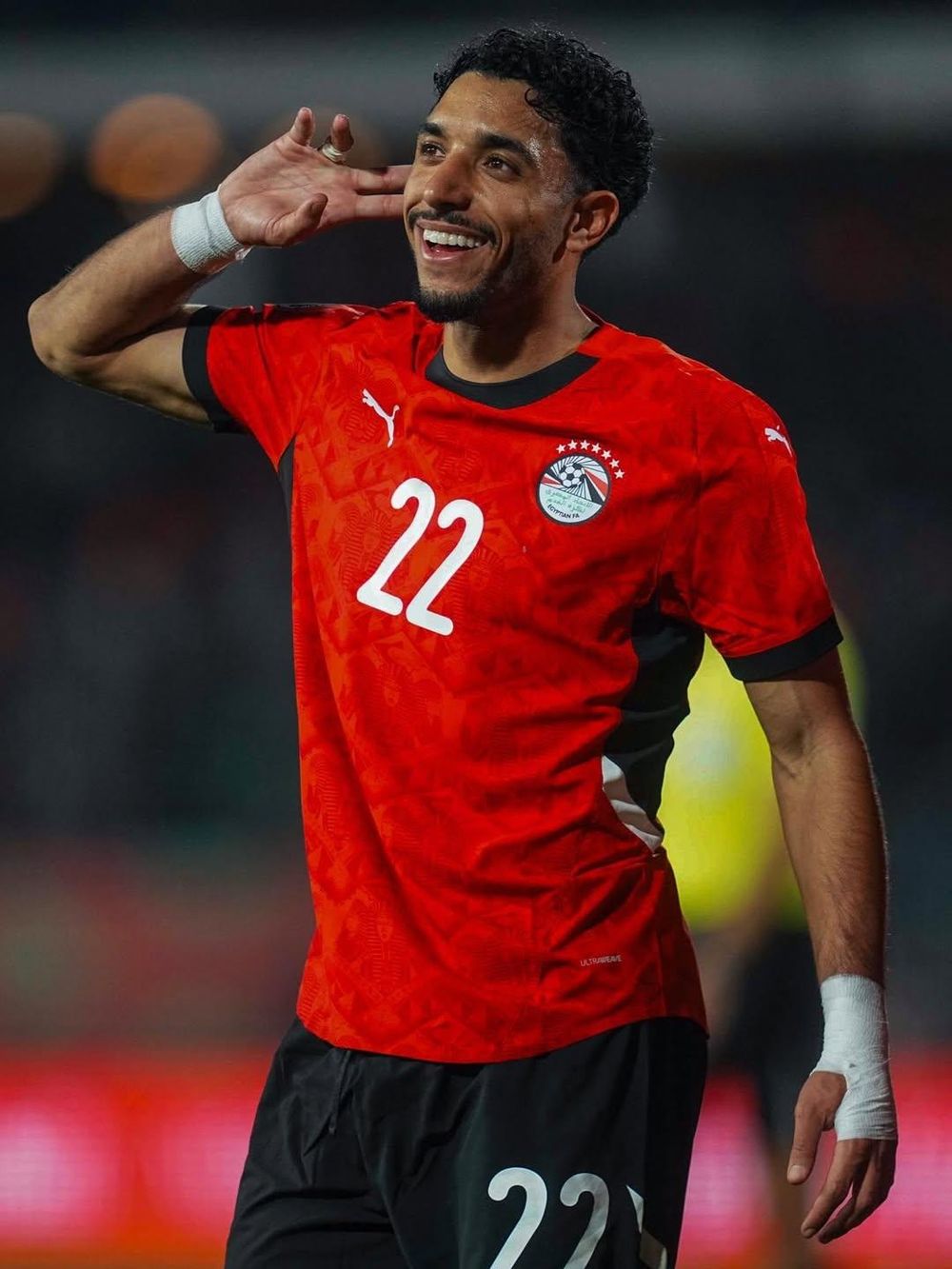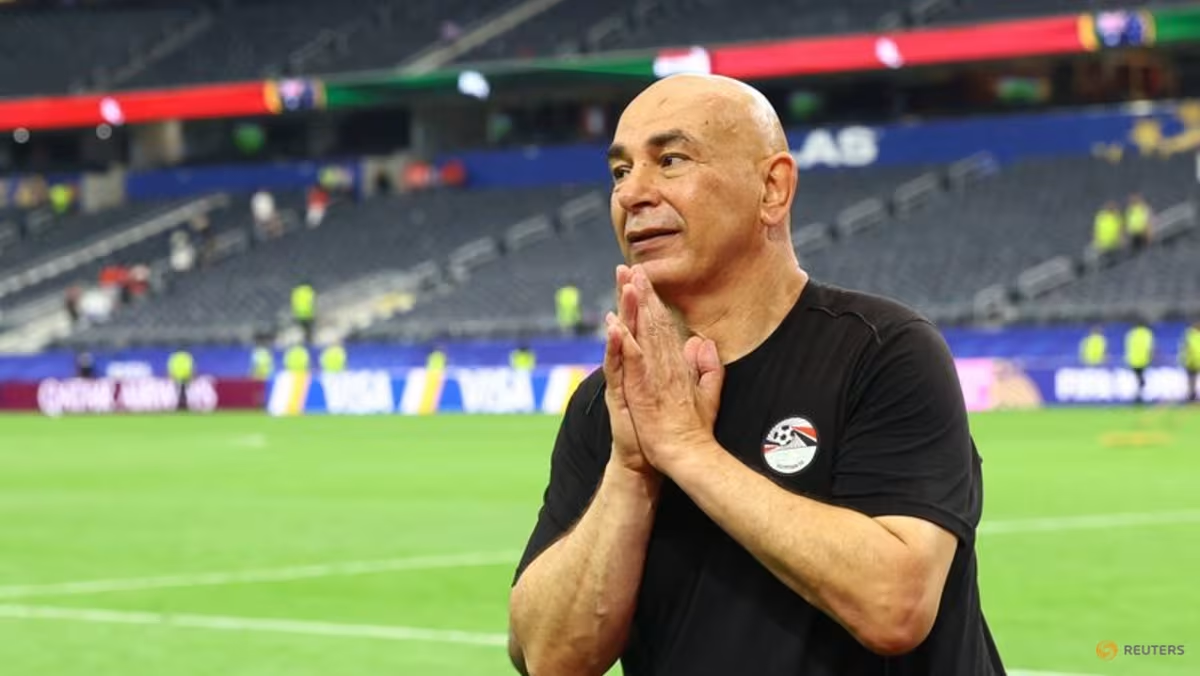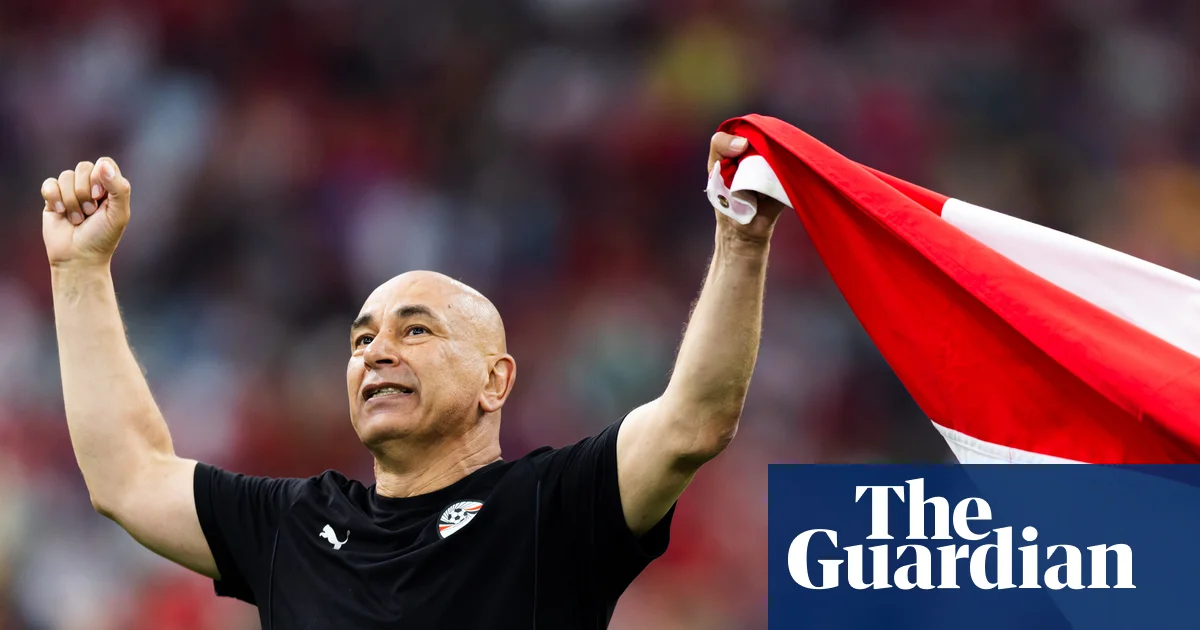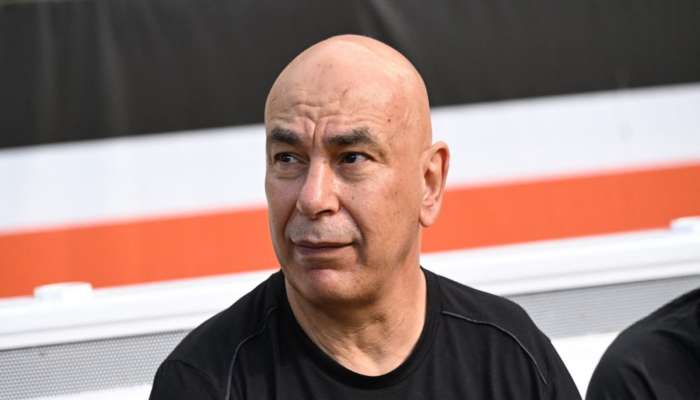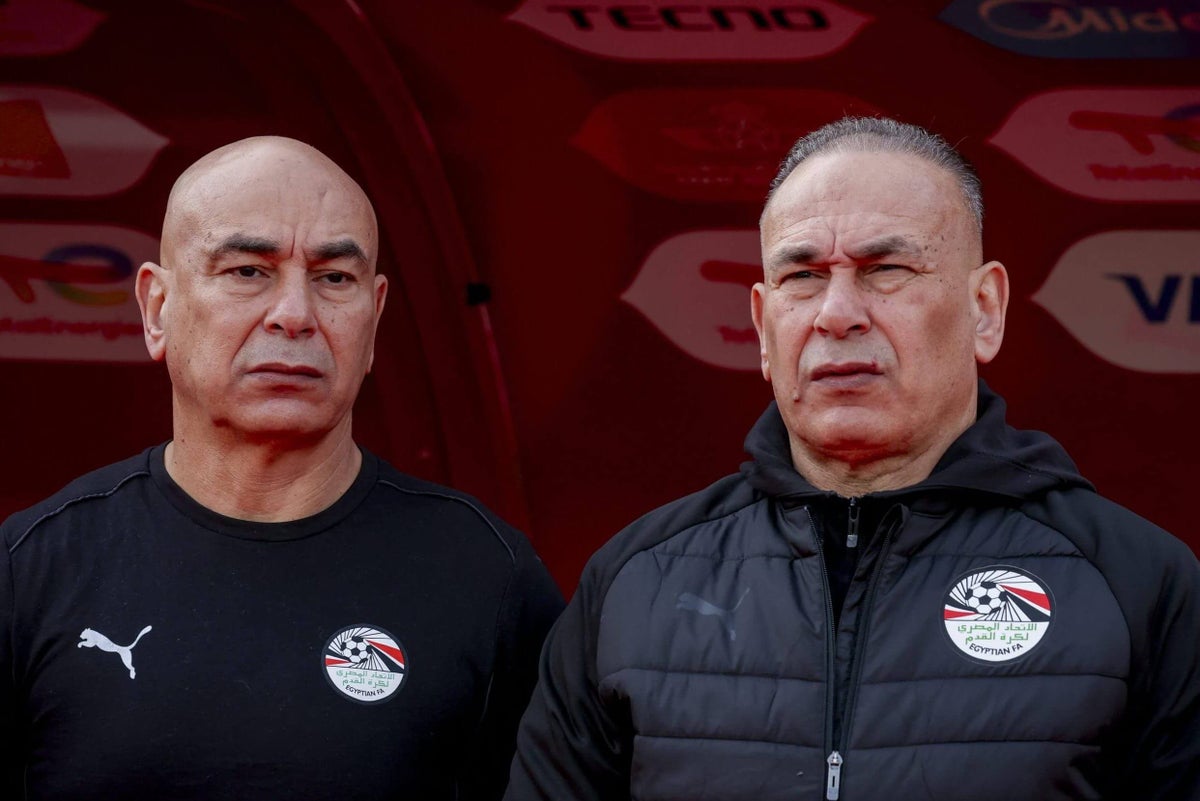
With their black t-shirts, broad shoulders and boulder-shaped heads, the “twins”, as they tend to be called in Egypt as if they are the same being, look like boxing gym trainers as they pace the touchline rather than the ring, waiting to pounce on the incidents that unfold in front of them.It is reflective of the dynamic that Ibrahim Hassan is often beside his brother during these moments because team directors like him tend to be in the stands, leaving the front-facing work to the managers and in Egypt’s case, that is Hossam.Yet Ibrahim tends to go where he wants. During the Africa Cup of Nations (AFCON), held in Morocco earlier this year, he would appear in press auditoriums. While his brother answered questions from the top of the room, Ibrahim would sit beside journalists and, how shall we say it, forcefully debate the merits of certain questions.The duo are not to be taken lightly. Hossam got the job in 2024 soon after suggesting Mohamed Salah, the team’s captain, shouldn’t bother retuning to camp even if he was fit after going back to Liverpool to deal with a hamstring injury that ruined his tournament in Ivory Coast. “Here,” Hossam stressed, “We have the men to do the job.”Except, Egypt did not and it partly explains why he ended up replacing Rui Vitoria following a round of 16 exit. It should not be considered a surprise that Ibrahim subsequently got his own role because during their playing careers, if one of them moved to a new club, the other tended to follow.Hossam and Ibrahim Hassan hold the CAF Champions League trophy after Zamalek beat Morocco’s Raja in the 2002 final (Khaled Desouki/Getty Images)Having started out at Al Ahly, the Hassan brothers tested themselves in Europe with spells at PAOK in Greece and Neuchatel Xamax in Switzerland, where they were coached by Roy Hodgson. Hossam was a striker but Ibrahim, normally a right-back, sometimes played in midfield for the Swiss club. In 1991-92, he scored a famous free kick in a victory over Real Madrid but the pair returned to Al Ahly before briefly playing for Al Ain in United Arab Emirates. Then, in 2000, by taking the decision to sign for Zamalek, in the words of Haytham Farouk, a team-mate at their new club, they almost caused “World War Three”.There can be no doubt that Salah is now the most famous footballer to come from Egypt but Hossam Hassan, the country’s all-time leading scorer with 69 goals in 177 games, tends to inspire stronger feelings because unlike Salah, he has played for both of Cairo’s most popular clubs. Meanwhile, he has won three AFCON titles and Salah, at 34, is still hoping to deliver his first.Salah is Egypt’s first global superstar because of what he has achieved in Europe. His goals have also heaved Egypt into two World Cups but Hossam has experience of that, having scored the header that beat Algeria, sealing qualification for the 1990 edition in Italy.
Hossam and Ibrahim Hassan – the no-nonsense twins leading Egypt’s World Cup charge
Head coach Hossam and team director Ibrahim Hassan know plenty about the pressures that come with life at the sharp end of Egyptian football
1,325 words~6 min read