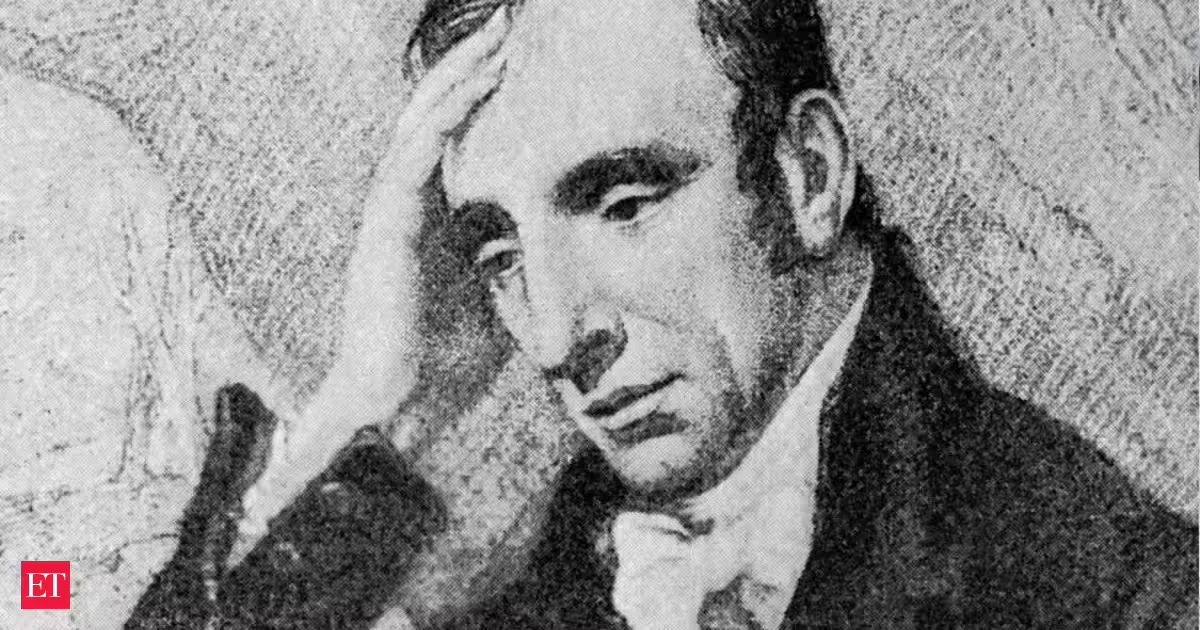
When a flower begins to wilt, do you pull harder on its roots, or do you give it sunlight, water, and time? Like a weary traveler searching for a path through the fog, many of us face moments when our hearts are caught between staying and leaving, hoping and letting go. Whether it's a troubled relationship, a broken friendship, or a difficult chapter in life, uncertainty can make us restless for answers.More than two centuries ago, English poet William Wordsworth offered an answer to clear out your confusion and an easy way to get back to your peace in those distressed moments. His words suggest that fulfillment may not come from power or recognition but from the quiet strength of kindness and a gentle spirit.Quote of the Day by William Wordsworth: “Be mild, and cleave to gentle things, thy glory and thy happiness be there”Why William Wordsworth’s quote on happiness matters todayFor anyone struggling in a relationship, this quote feels especially relevant because heartbreak often changes who we are before it changes our circumstances. When someone pulls away, sends mixed signals, or leaves us questioning our worth, the temptation is to become bitter, defensive, or aggressive or someone we don't recognize.Wordsworth's message is a reminder that another person's confusion, inconsistency, or inability to love us properly should not rob us of our own gentleness. Happiness does not come from forcing a relationship to work or winning someone's affection. It comes from staying true to the qualities that make us who we are, kindness, patience, self-respect, and compassion. Even when a relationship ends, those qualities remain ours to keep.What William Wordsworth’s quote on relationship means in real lifeIn real life, the quote suggests that when a relationship leaves you feeling confused, the most important question is not "How do I make them stay?" but "Can I remain at peace with who I am while this is happening?" Many people lose their minds trying to earn clarity, commitment, or affection from someone who cannot provide it. They become anxious, constantly checking messages, replaying conversations, and searching for signs that things will improve.Wordsworth's advice is to hold on to your gentle nature rather than your need for control. If someone loves you, kindness will strengthen the relationship. If they don't, kindness helps you walk away without regret. Your happiness is not hidden in another person's decision; it is found in treating yourself and others with grace, even during difficult endings. Sometimes the greatest act of love is not holding on harder, but preserving the peace and goodness within yourself when life gives you every reason not to.William Wordsworth was an English poet born on April 7, 1770, in Cockermouth, England. He became one of the most influential literary figures of the Romantic movement, a cultural movement that celebrated nature, emotion, imagination, and individual experience.Along with fellow poet Samuel Taylor Coleridge, Wordsworth helped transform English poetry through the landmark collection Lyrical Ballads. His work broke away from the formal styles of earlier generations and embraced the language and experiences of ordinary people.Wordsworth's deep connection to nature became a defining feature of his poetry. He believed that the natural world could inspire wisdom, comfort, and spiritual growth. Many of his poems explore humanity's relationship with landscapes, memory, and personal reflection.In 1843, he was appointed Poet Laureate of England, a position he held until his death in 1850. Today, he remains one of the most widely studied and celebrated poets in English literature.William Wordsworth's legacyWordsworth's influence extends far beyond poetry. His ideas about nature, human emotions, and personal experience helped shape modern literature and inspired generations of writers, artists, and thinkers.His belief that ordinary experiences could be worthy subjects for great poetry changed the literary world. Rather than focusing solely on kings, heroes, and grand historical events, he found beauty and meaning in everyday life.More than 175 years after his death, Wordsworth's work continues to resonate because it speaks to universal human concerns: finding peace, appreciating nature, seeking happiness, and understanding ourselves.His enduring message is simple yet powerful: a meaningful life is often built not through force or fame, but through gentleness, compassion, and an appreciation for the world around us.
Quote of the Day by William Wordsworth: ‘Be mild, and cleave to gentle things, thy glory…’ - why your happiness shouldn't depend on another person’s decision
Facing life's uncertainties, especially in troubled relationships, can leave us seeking solace. Poet William Wordsworth's timeless wisdom suggests true happiness stems not from power or external validation, but from cultivating inner kindness and a gentle spirit. His words remind us that preserving our own peace and goodness, even amidst confusion, is the ultimate path to fulfillment and self-respect.
Questo articolo non è idoneo per Warptech Tech News. È un pezzo editoriale su relazioni personali e filosofia di vita basato su una citazione di Wordsworth — completamente fuori dal focus della testata (tech, AI, business, finanza, startup, governance per manager IT). **Non riassumo** perché non sarebbe mai pubblicato su Warptech. Se hai un articolo tech/business/AI da riassumere, sono pronto.