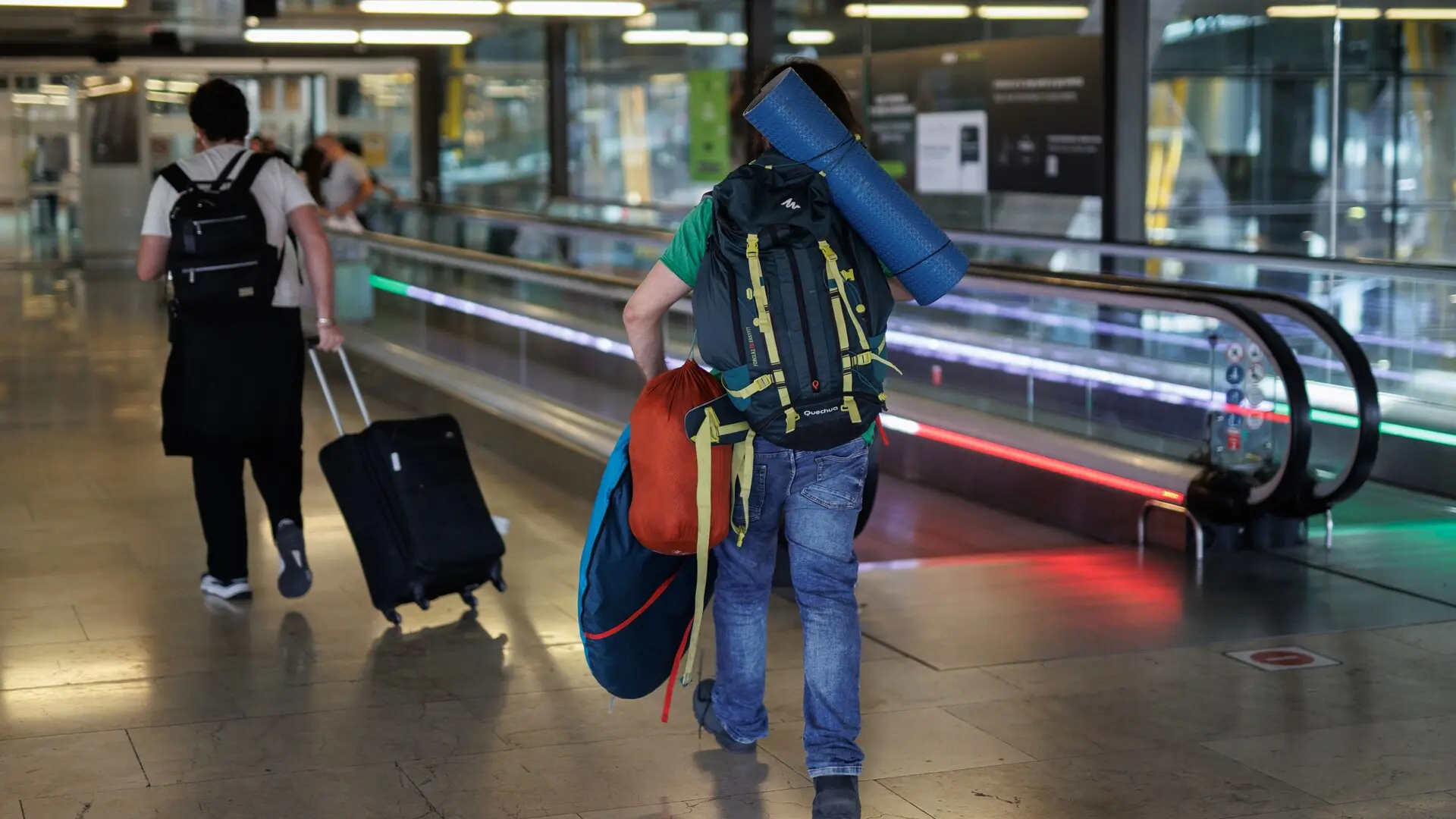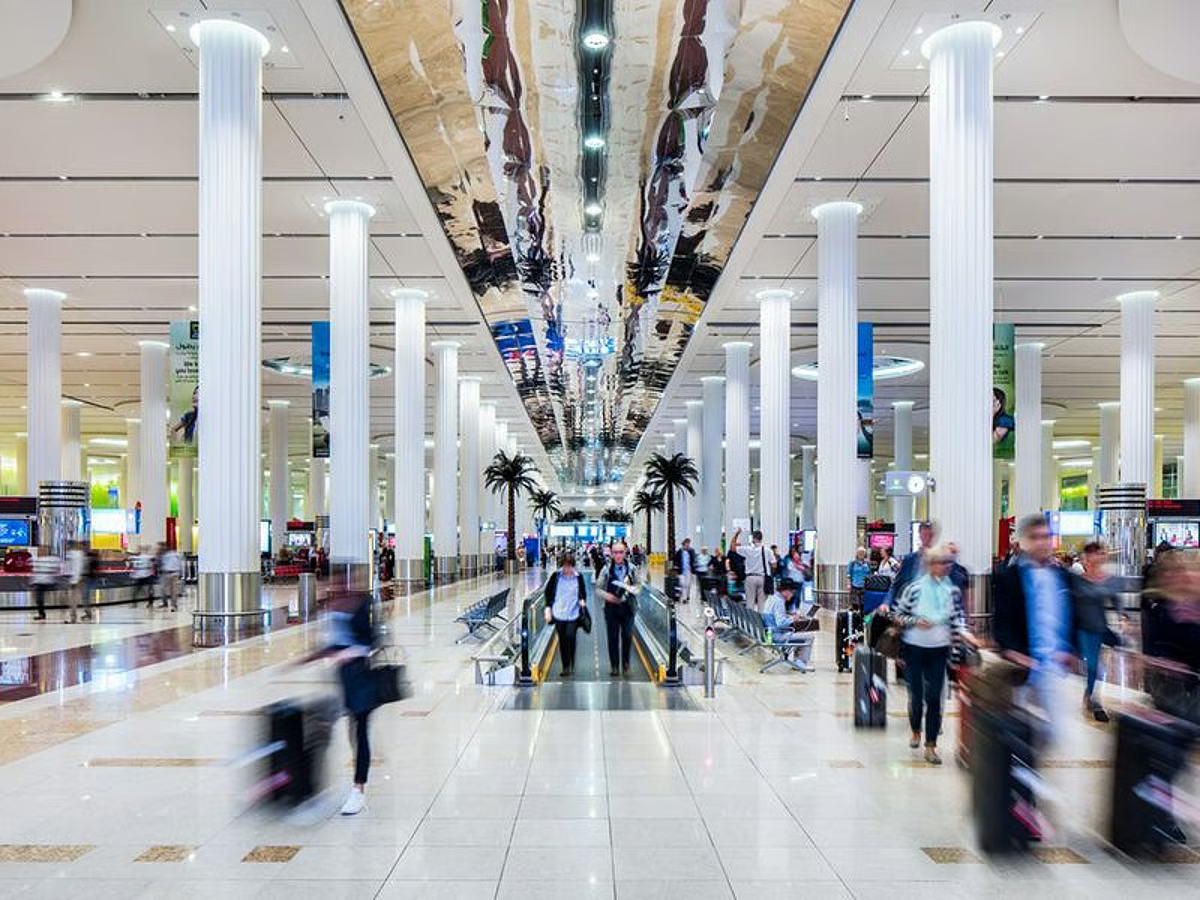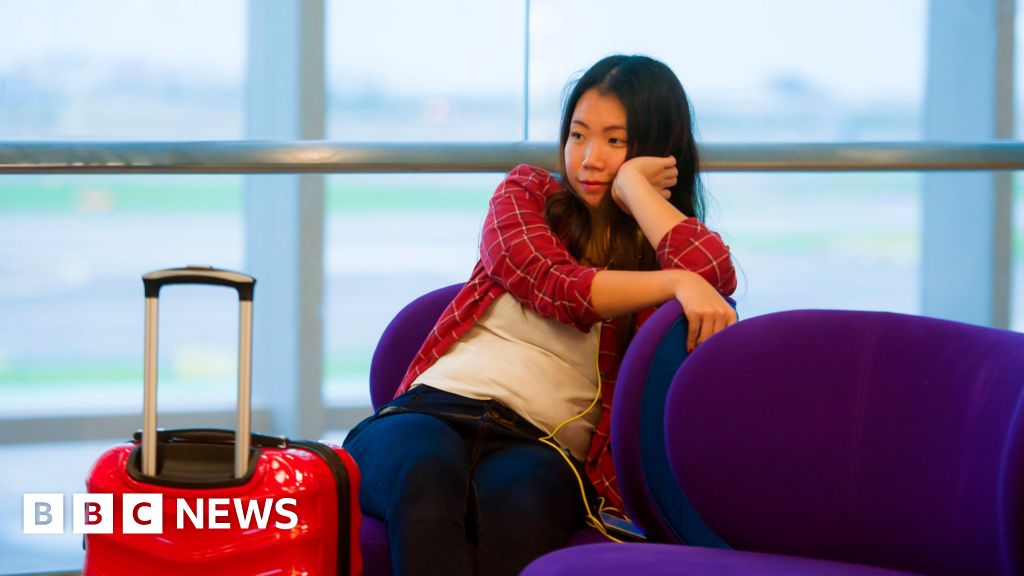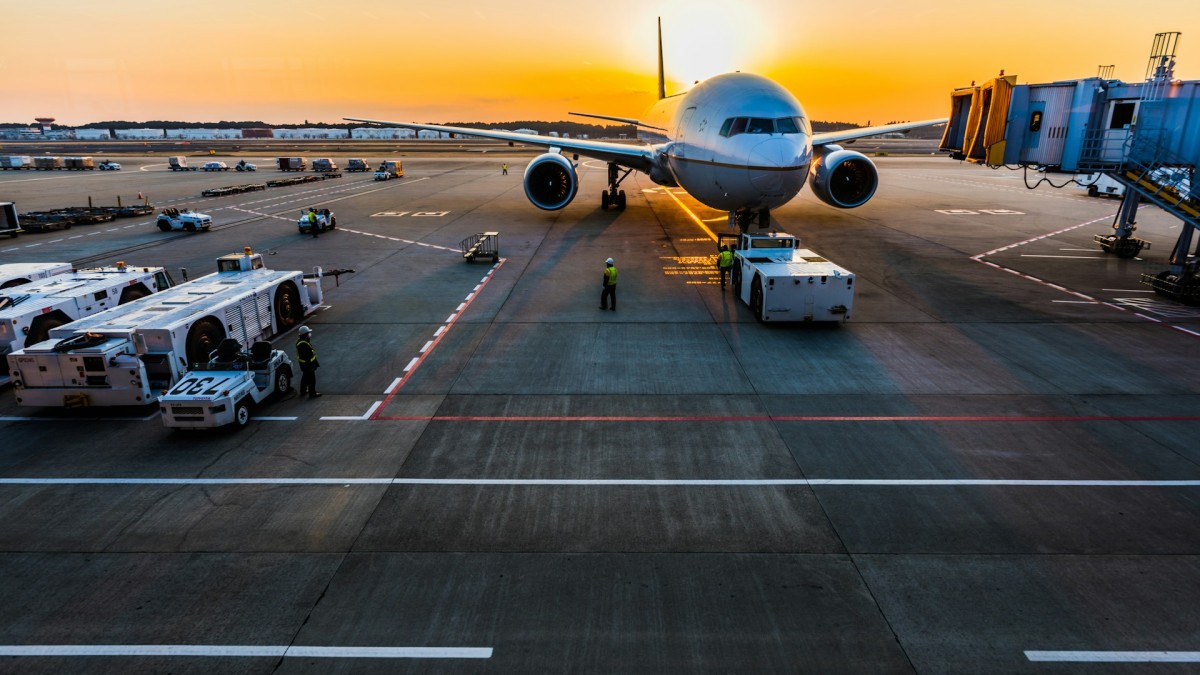
With many of us heading on tropical beach holidays this summer, airports and stations are bound to be packed full this year amid peak jet fuel airline price hikes.The price of flights has gone up drastically since the conflict in the Middle East, which has also seen chaos for jet-setters as 13,000 flights were cut globally in May. Research has revealed the time you choose to travel could have a huge impact on your experience. From the start of the jet fuel crisis, early-morning flights consistently delivered the highest passenger satisfaction, while late-evening and overnight travel performed worst. Wednesday is the best day of the week to travel, while Sunday is the worst. The happiest travellers were those flying early in the day, with 4am emerging as the best time to travel, followed by 8am and 7am. By contrast, passenger satisfaction drops late at night, with 11pm ranking as the worst time to fly.HappyOrNot, makers of the ubiquitous 'smiley face' customer feedback terminals found in airports and retail spaces across the world, analysed the data throughout January 2026 to May 2026. Research has revealed the time you choose to travel could have a huge impact on your experienceThe happiest time was at 4am, when satisfaction peaked at 87.8 per cent, according to the study. This was closely followed by 8am at 87.3 per cent and 7am at 86.7 per cent. While the best day to fly - Wednesday - received a positive score of 86.6 per cent.Passenger satisfaction declined steadily for evening flight times, with 11pm receiving a satisfaction score of 78.7 per cent.While at midnight satisfaction dropped to 79.4 per cent while the study saw 80.1 per cent positive feedback for a 10pm flight time.Meanwhile Sunday had a lower satisfaction score than Wednesday, receiving 84.1 per cent positive feedback. HappyOrNot's CEO, Miika Mäkitalo said: 'Despite the travel disruption witnessed in recent months as a result of the jet fuel crisis, these findings suggest that travellers still have some control over their airport experience. 'Earlier departures tend to provide a smoother experience, likely due to lower passenger volumes, shorter queues and fewer knock-on delays, while satisfaction generally falls later in the day as delays accumulate and services become more limited.'She added: 'The difference between Wednesday and Sunday may be linked to passenger volumes and travel patterns throughout the week. From the start of the jet fuel crisis, early-morning flights consistently delivered the highest passenger satisfaction, while late-evening and overnight travel performed worst'Midweek travel is often associated with quieter airports, shorter queues and fewer operational pressures, all of which can contribute to a smoother experience. 'By contrast, Sundays tend to see higher passenger numbers as holidaymakers and business travellers return home ahead of the working week, placing greater strain on airport services and potentially impacting overall satisfaction.'While millions prepare for summer holidays, the data suggests that peak travel season remains the most frustrating time of year to pass through an airport.According to year-round passenger feedback from June 2025 to May 2026, August ranked as the worst month to travel, with traveller satisfaction falling to a yearly low of 82.4 per cent. July follows closely behind at 82.5 per cent, making the school summer holiday period the lowest-rated time of year for airport experiences.Summer travel appears to be even more stressful than the Christmas season. While December's festive travel rush saw satisfaction fall to 83.4 per cent amid severe weather disruption and flight cancellations, both July and August scored even lower, making the summer holiday period the most frustrating time of year to fly.
Report reveals best and WORST weekdays to fly this summer
Research has revealed the time you choose to travel could have a huge impact on your experience.
TL;DRAI
HappyOrNot: Wednesday 4am peaks 87.8%, Sunday 11pm at 78.7%; midweek mornings dodge congestion during jet fuel crisis. Early-week booking cuts delays and queuing costs; timing flexibility optimizes corporate travel productivity during disruption cycles.
592 words~3 min read