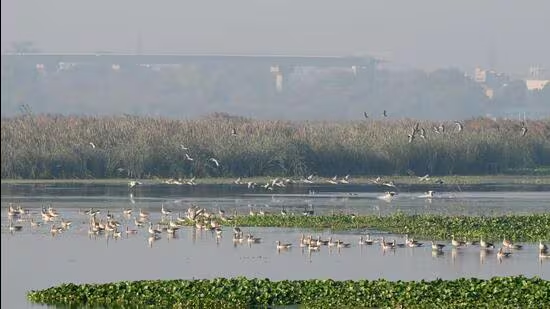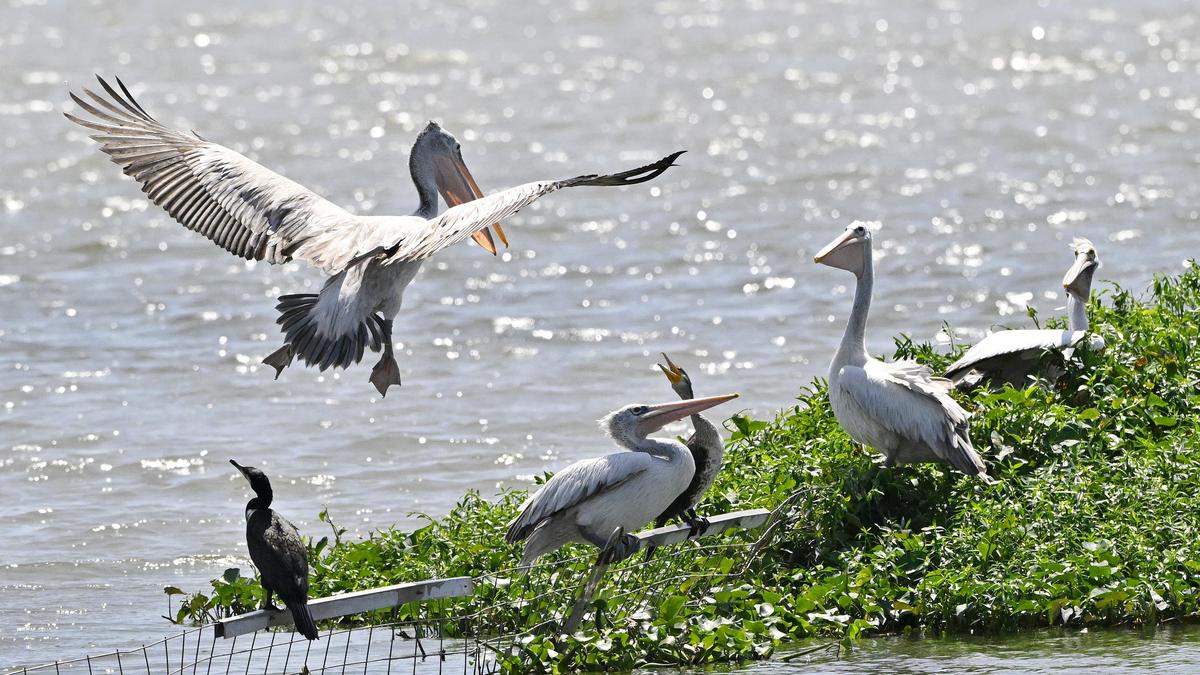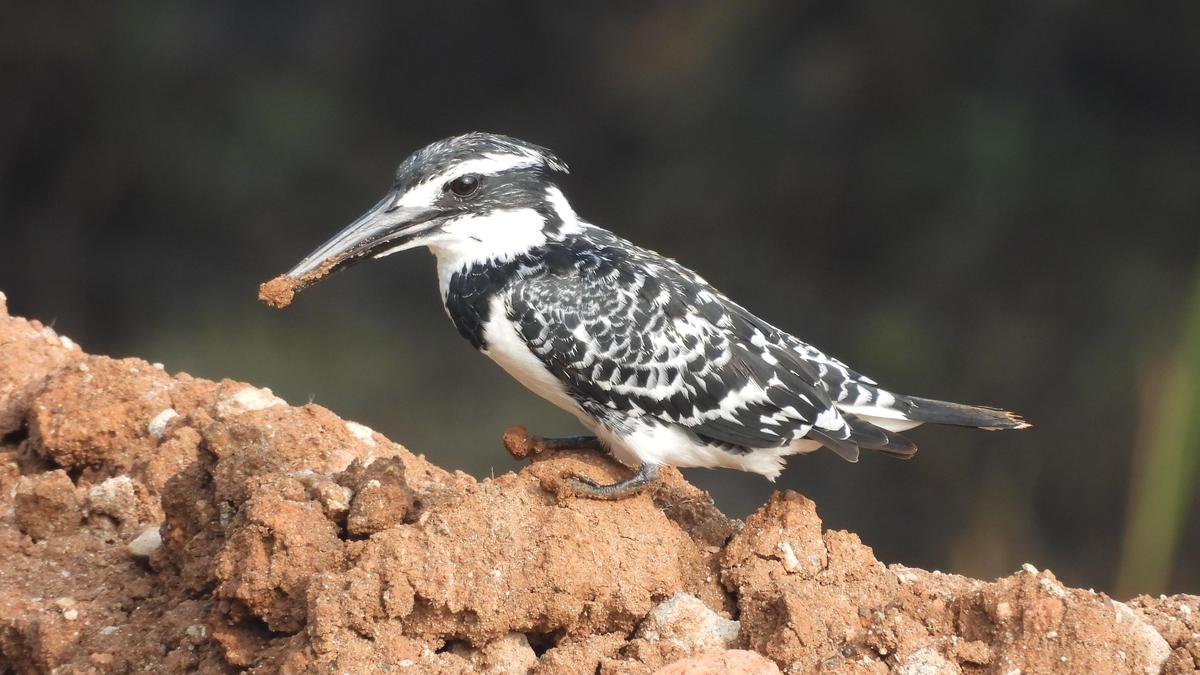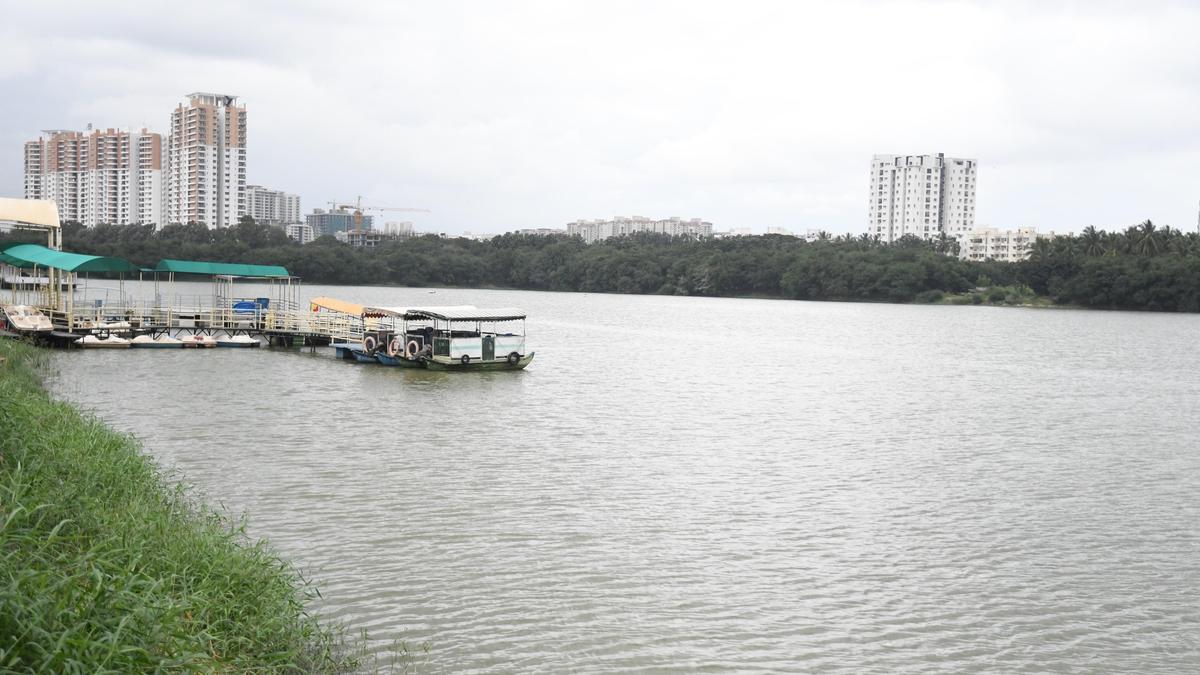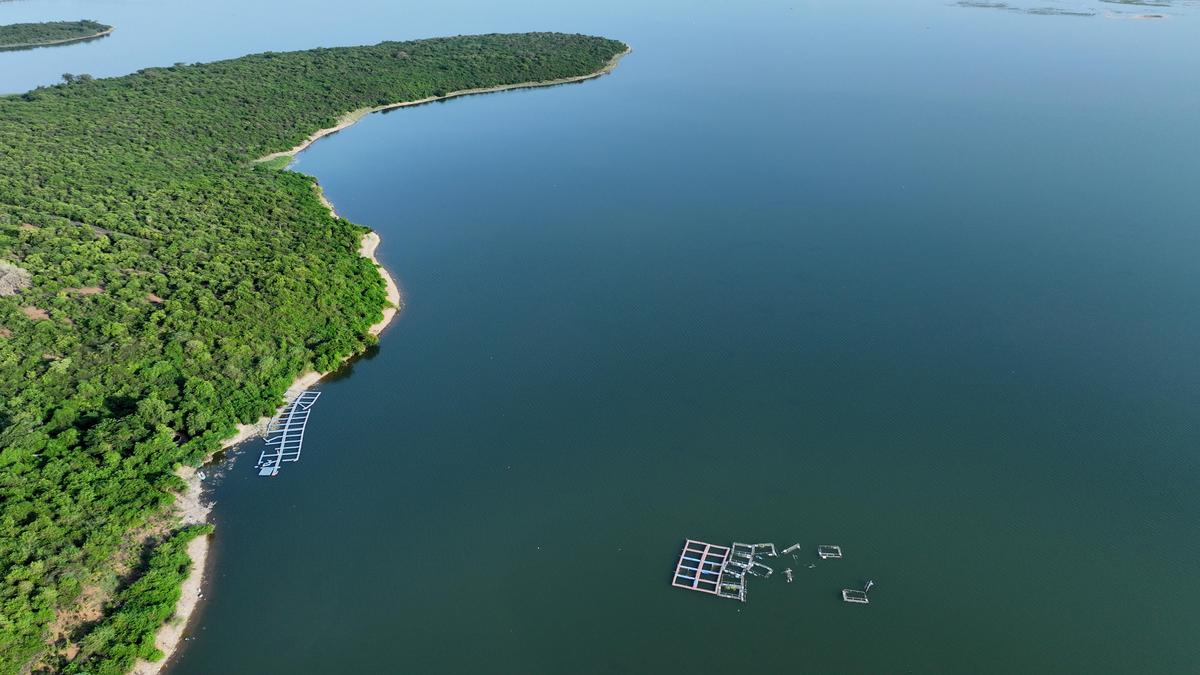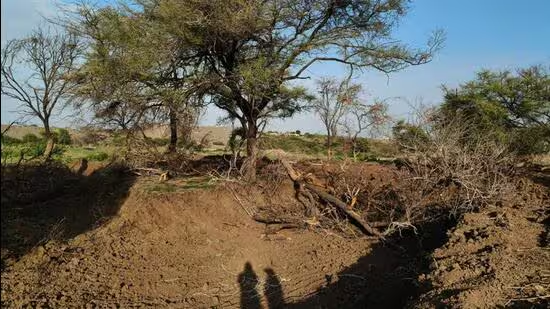
Desilting work at the Bhadalwadi percolation tank has raised concerns among conservationists and forest officials over potential damage to waterbird nesting habitats.According to a letter written on Friday by the Bhigwan forest range office to the Indapur tehsildar, desilting work was being carried out by a private contractor. During the process, 41 mature babul trees were removed from the tank area, while three younger trees were found uprooted. (HT PHOTO)The Bhadalwadi nesting colony, located adjacent to the Ujani backwaters, supports more than 500 active nests annually and is considered the only major colonial waterbird nesting site in the vicinity of the reservoir. Species such as Painted Storks, Grey Herons, Great and Indian Cormorants, Little and Cattle Egrets, Black-headed Ibises and Eurasian Spoonbills regularly breed at the site.While desilting of the waterbody had been permitted by the revenue authorities, a subsequent inspection found that several trees within the habitat had been affected during the operation.According to a letter written on Friday by the Bhigwan forest range office to the Indapur tehsildar, desilting work was being carried out by a private contractor. During the process, 41 mature babul trees were removed from the tank area, while three younger trees were found uprooted.In a communication to the revenue authorities, Bhagyashree Thakur, range forest officer for Indapur, warned that continued excavation could adversely affect trees used by birds for nesting and roosting. The department noted that the activity poses a potential threat to bird habitats and urged authorities to ensure that provisions of the Wildlife Protection Act, 1972, and the Forest Conservation Act are not violated.“Bhadalwadi is an ecologically significant part of the larger Ujani wetland ecosystem. The nesting trees and surrounding wetland habitats support a remarkable diversity of waterbirds and migratory species,” said Jayant Kulkarni, head of the Wildlife Research and Conservation Society.“The concern is not limited to the loss of a few trees. These mature trees provide nesting platforms that birds have used for years. Any alteration to the habitat can affect breeding success and the long-term viability of the colony,” he added.Apart from nesting birds, the surrounding mudflats and shallow wetlands provide feeding grounds for species such as Common Snipe, Black-winged Stilt, Kentish Plover, Common Sandpiper, Glossy Ibis and the Asian Woolly-necked Stork.
Desilting work threatens key bird nesting habitat at Bhadalwadi: Experts
Bhadalwadi nesting colony, located adjacent to the Ujani backwaters, supports more than 500 active nests annually and is considered the only major colonial waterbird nesting site in the vicinity of the reservoir
TL;DRAI
**⚠️ Articolo non rilevante per Warptech Tech News** Questo pezzo riguarda conservazione ambientale (habitat di uccelli acquatici in India) — nessun elemento tech, AI, business o geopolitico pertinente ai manager IT italiani che seguono la testata. Se desideri comunque il riassunto per esercizio, lo fornisco. Oppure: hai un articolo tech/AI/business da sintetizzare?
372 words~2 min read