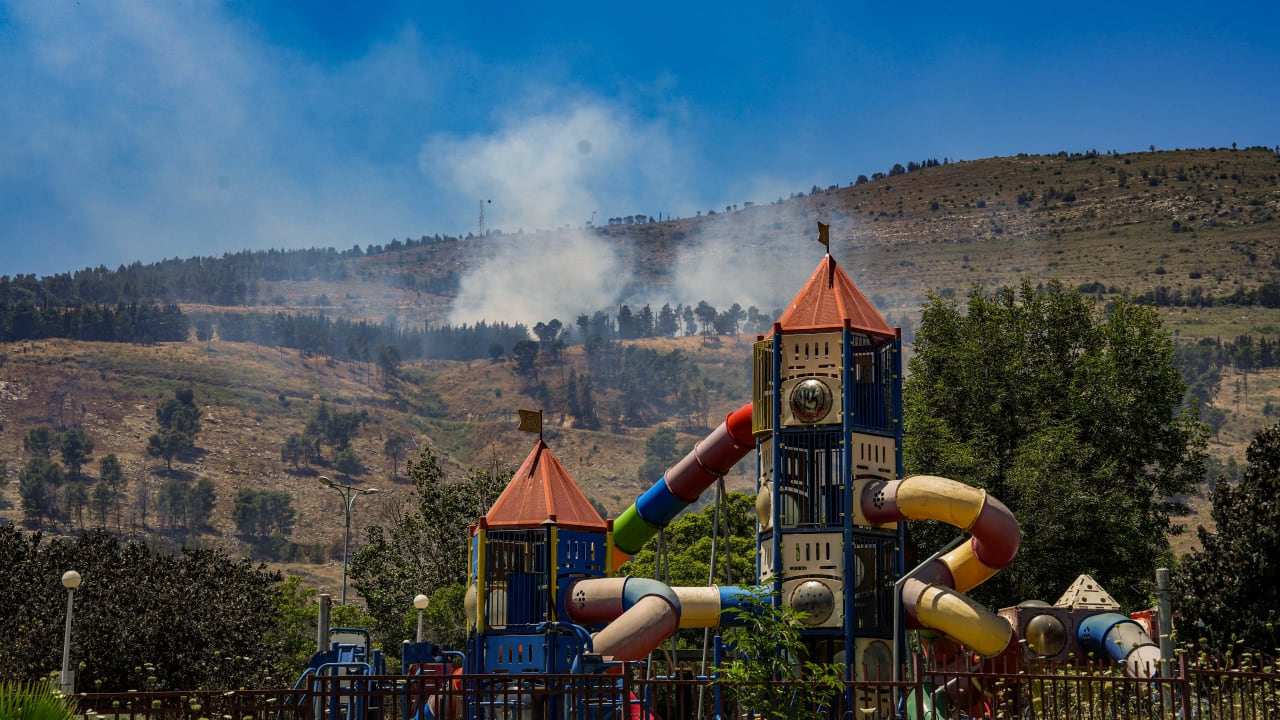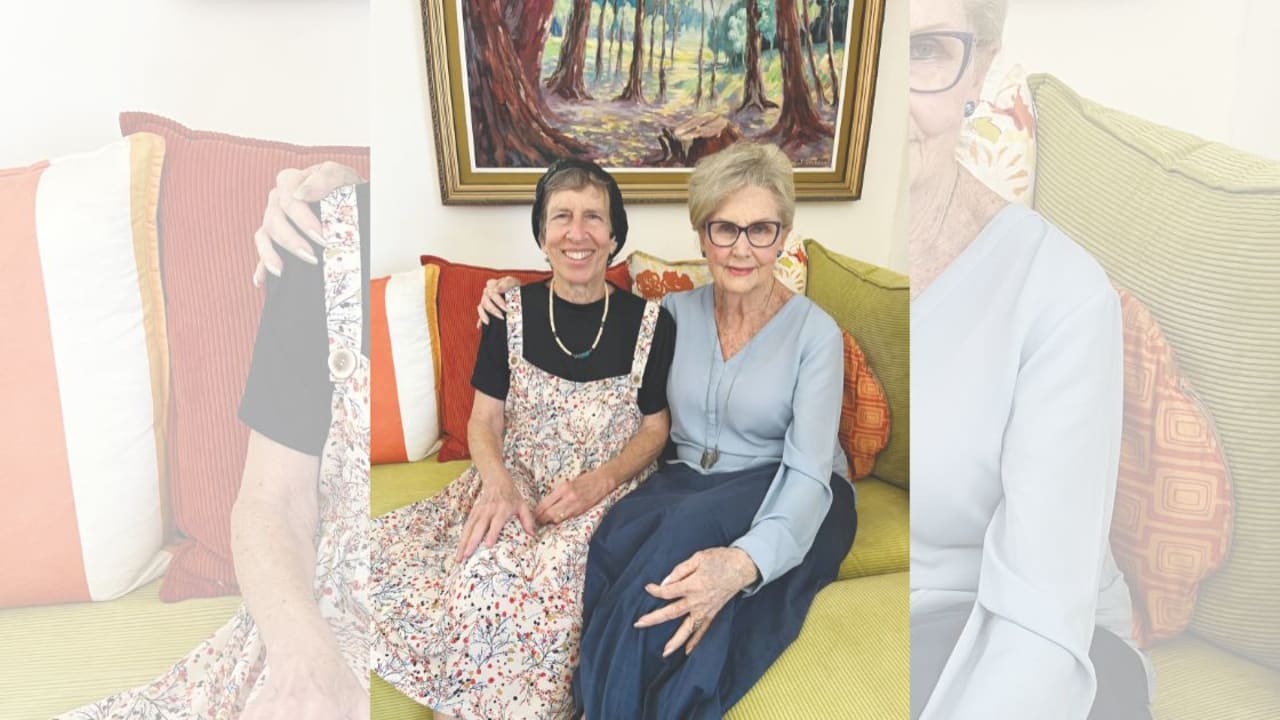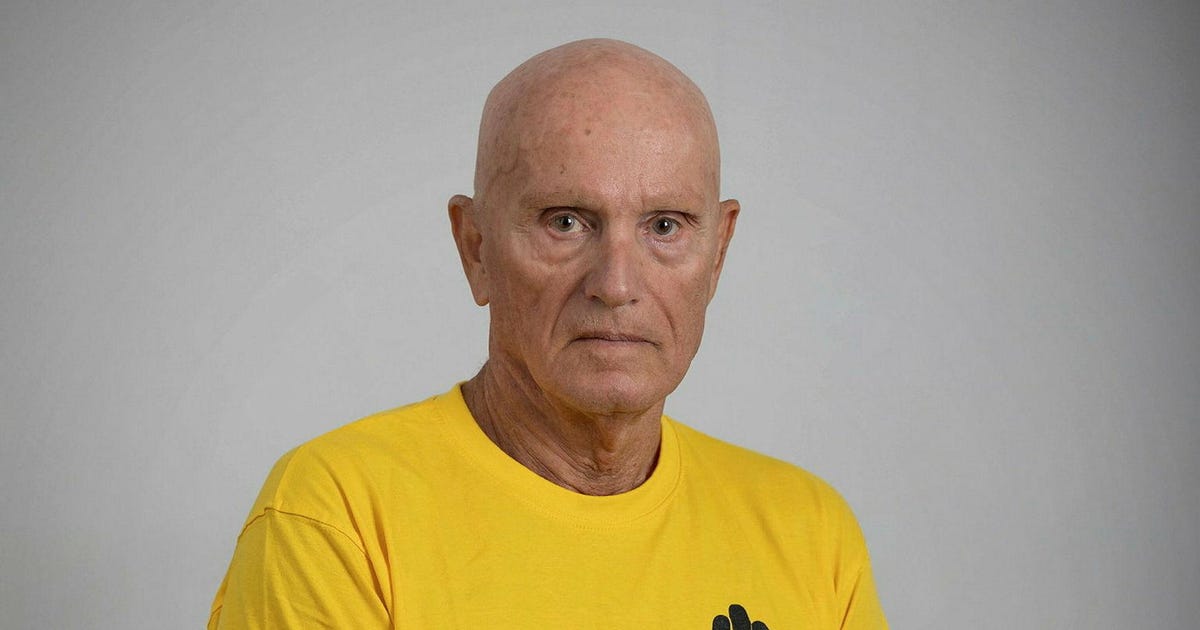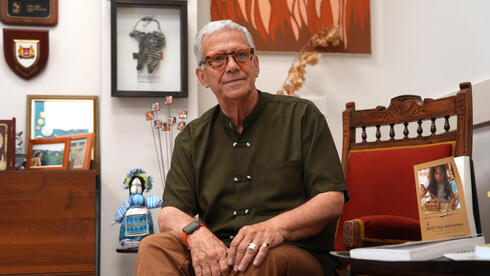
Prof. Mooli Lahad, a world-renowned trauma psychologist who has advised the UN and worked in war zones worldwide, says northern residents need security, schools, community and economic recovery, not slogans about resilience“Grief, suffering and pain are not a malfunction in life. They are part of life. But surrendering to them will not get you out and will not help you or your family,” says Prof. Mooli Lahad.The words are spoken in a small office in Kiryat Shmona, as alerts warning of Hezbollah drone infiltrations cut through the silence. From Lahad, they do not sound like a therapeutic cliché, but rather like a conclusion reached through decades of treating trauma, and through a life repeatedly struck by it.6 View gallery Prof. Mooli Lahad (Photo: Efi Sharir)Prof. Lahad, who recently turned 73, is one of Israel’s most prominent experts on trauma and resilience, a senior medical psychologist and educational psychologist whose work is known far beyond Israel. He has advised the United Nations, led aid delegations to disaster zones in Japan and Sri Lanka, worked with populations affected by the Russia-Ukraine war and helped develop models for coping after the September 11 attacks.For decades, he kept a firm wall between his professional work and his own story. He treated others, trained professionals and built community models for crisis response, but rarely spoke about the personal losses that shaped him: the road accident that led to the amputation of his foot, the death of his wife Vered from cancer and the death of his son Omri during a trip through the jungles of South America, when he was just 23.Then came October 7, and even Lahad’s wall began to crack. “For many years I did not speak in lectures or meetings with patients about my losses,” he says in an interview with Yedioth Ahronoth. “In recent years, I’ve felt able to bring my losses into the room, not to tell others to follow my example, but because my own experience has taught me that it is possible to rise from the lowest place you have ever been.”Between missions around the world, Lahad has always returned to his professional home base in Kiryat Shmona. Since 1979, he has worked there through the “Mashabim” or CSPC, the Community Stress Prevention Center, which he founded 45 years ago to provide support to residents in routine and emergencies.But the current reality along the northern border is unlike anything he remembers. And even the alarms do not shake him as much as one question he hears in public discourse: “Where did the resilience of northern residents go?”“That question is a moral injustice,” he says. “The residents have become victims of their own resilience, of the expectation of them, and of their expectation of themselves, to ‘be strong.’ But that cannot work over time without support and recognition.”6 View gallery 'The residents became victims of their own resilience'; residents take shelter in Nahariya during a rocket alert (Photo: AP Photo / Baz Ratner)Since October 2023, he says, the word resilience has been mixed up with trauma. “After October 7, the people of Israel showed real resilience. We took a clear blow, as a community and as individuals. We rose from the ashes and stood up to it. “Today, this is no longer a question of resilience but of burnout. How many times can people be expected to pull themselves together, get back up and keep going, while feeling they have been left to do it alone?”From October 7 until last April, more than 104,000 hours of individual therapy were provided at Mashabim resilience centers in the Upper Galilee and Western Galilee. “We see a clear increase in people turning to us,” he says. “But we also know some people are no longer even trying to seek help, because they have stopped believing it can make a difference. You cannot keep offering people the same treatment and expect it to work.”As someone who has seen extreme situations and war zones around the world, Lahad rejects the idea that therapy can serve as a magic powder while the war continues outside the clinic. “Treatments with a psychologist, social worker or art therapist are inherently limited,” he says. “We are talking, conservatively, about 5% to 10% who will suffer severe post-trauma that is hard to recover from. “Where am I supposed to find enough therapists for all of that? You cannot demand resilience from people without providing them with the conditions to sustain it. Resilience is not built on slogans but on security, economic stability, community and education. Criticism and indifference weaken people; belonging strengthens them. Resilience grows from the feeling that you have not been abandoned.”And that is the challenge when the trauma, or the war, has ended before treatment begins. But what happens when the patient comes in while the war is still raging outside?
After losing wife and son, trauma expert fights for Israel’s battered north
Prof. Mooli Lahad, a world-renowned trauma psychologist who has advised the UN and worked in war zones worldwide, says northern residents need security, schools, community and economic recovery, not slogans about resilience
3,835 words~17 min read