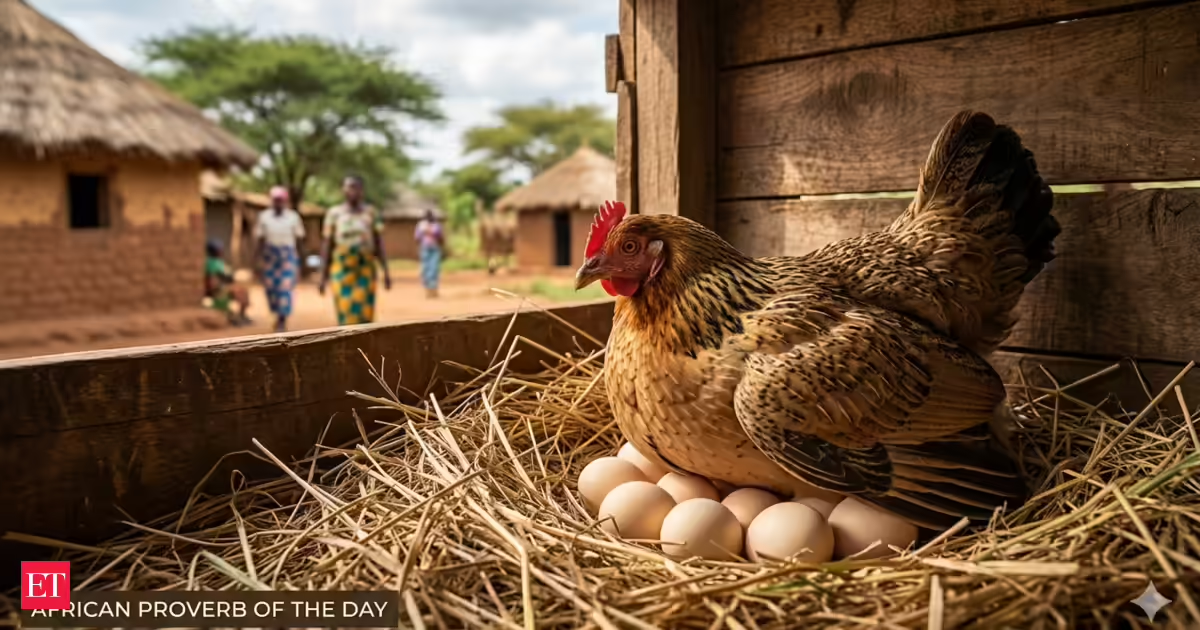
Amharic Proverb of the Day highlights a traditional saying that reflects patterns of human experience, growth, and the natural process of developing independence in everyday life. The proverb “The egg will eventually walk on its own legs” offers insight into how maturity and self-reliance are shaped by time, patience, and gradual development rather than immediate ability. It suggests that individuals begin life in a dependent state, requiring guidance, care, and support before they are capable of standing on their own. The proverb emphasizes that personal growth cannot be forced, as each stage of development follows its own natural course. It ultimately points to the idea that independence and strength emerge over time through experience, learning, and perseverance, reminding us that every beginning carries the potential for future self-sufficiency.Amharic Proverb of the Day — Why Rome wasn’t built in a day “The egg will eventually walk on its own legs”Amharic Proverb of the Day highlights a timeless idea about human growth, development, and the natural process of gaining independence in everyday life.The first part of the proverb suggests that independence is not immediate but develops gradually over time. It challenges the assumption that individuals should be fully capable from the beginning, instead emphasizing that early stages of life require guidance, support, and learning before true self-reliance is achieved.The second part emphasizes how experience, time, and gradual development shape maturity. It suggests that individuals become capable of standing on their own through a natural process of growth rather than sudden transformation. In this sense, independence is not forced but earned through patience, learning, and lived experience.Together, the proverb teaches that growth and self-reliance are not instantaneous. People evolve step by step, and true independence emerges when time, experience, and development work together to build strength and capability.Why good things take time“Good things take time” is a reminder that meaningful results cannot be rushed without affecting their quality. In many areas of life—education, careers, relationships, or personal growth—real progress happens gradually through patience, effort, and consistency rather than instant success. When people expect quick outcomes, they often feel disappointed or give up too early, even when they are close to achieving their goals. This proverb encourages a long-term mindset, where steady progress is valued more than immediate results. It also helps reduce stress and pressure by reminding us that development follows its own natural pace. In reality, skills improve step by step, trust is built over time, and success is strengthened through experience. Ultimately, the proverb teaches that patience is not delay, but preparation for something more stable and lasting, helping individuals appreciate the process as much as the outcome in everyday life.Life lessons from the proverbThe proverb carries practical lessons about growth, patience, and how individuals develop independence in daily life.1. Growth takes time Maturity and independence cannot be rushed; they develop naturally through experience.2. Support is part of early development People often need guidance and assistance before they become self-reliant.3. Patience leads to strength Allowing time for development helps individuals become more capable and confident.4. Independence is earned, not instant Self-reliance comes through learning, practice, and gradual improvement.Why this Amharic proverb is still relevant todayIn modern life, this proverb extends beyond early childhood or physical development. It applies to education, career growth, personal skills, and even emotional maturity, where individuals are constantly evolving toward independence and capability. In a fast-paced world, people are often expected to become self-sufficient quickly, sometimes without enough time to fully develop.The proverb encourages patience, self-awareness, and realistic expectations about growth. It reminds us that independence is not immediate but shaped through learning, experience, and gradual progress. In many situations today, people may feel pressured to perform or succeed before they are fully ready, but true strength develops over time through practice and support. Ultimately, it teaches a simple but powerful truth: growth cannot be rushed, and every stage of development plays an important role in building long-term independence and resilience.English equivalent and related expressionsOther English expressions that reflect similar thinking include:“Practice makes perfect.”“Every expert was once a beginner.”“Growth takes patience.”“You have to crawl before you walk.”“Experience is the best teacher.”Each of these highlights the idea that growth, independence, and capability develop gradually through time, effort, and experience rather than happening instantly.
Amharic Proverb of the Day: “The egg will eventually walk on its… — Life lessons on growth, maturity, transformation, potential and why slow and steady wins the race
Amharic Proverb of the Day highlights the meaning of “The egg will eventually walk on its own legs.” The saying reflects how growth, maturity, and independence are shaped by time, experience, and natural development rather than immediate ability. It suggests that individuals begin life in a dependent state, requiring guidance, care, and support before gradually becoming capable of standing on their own.
705 words~3 min read