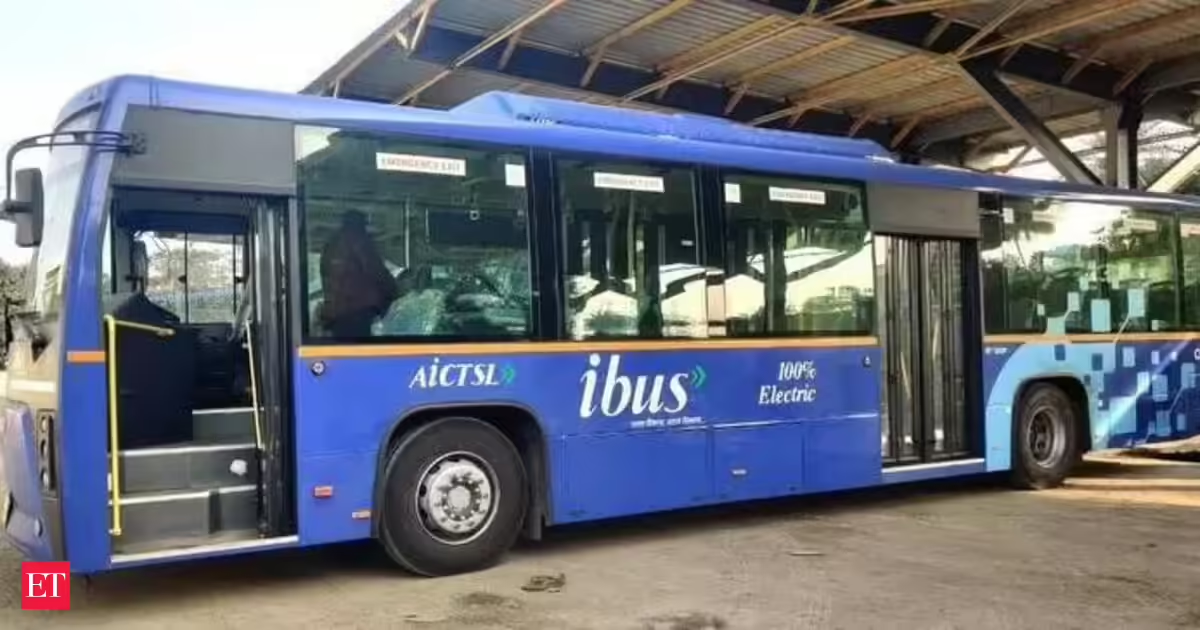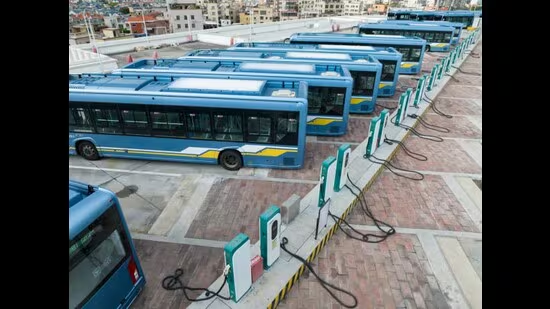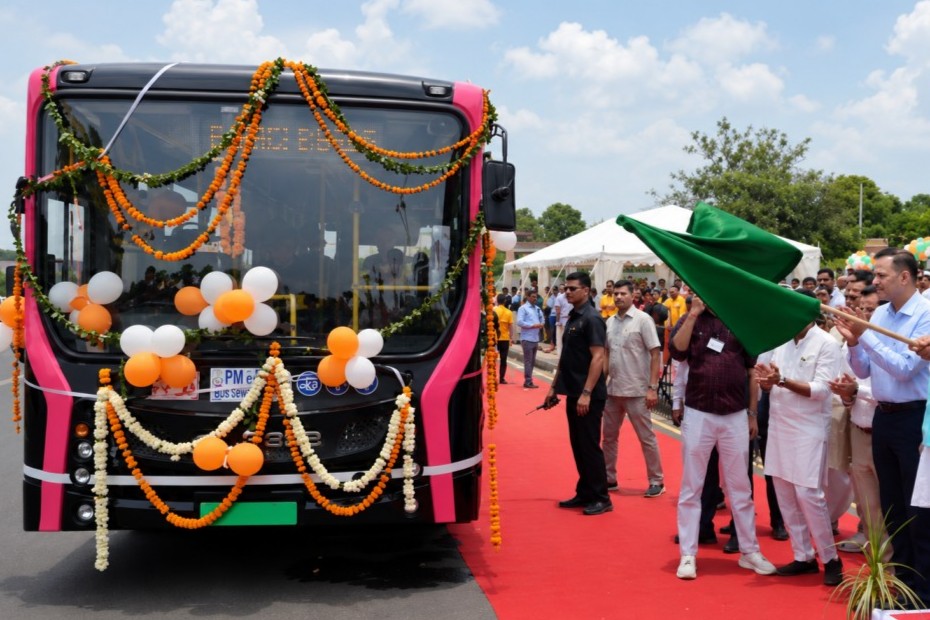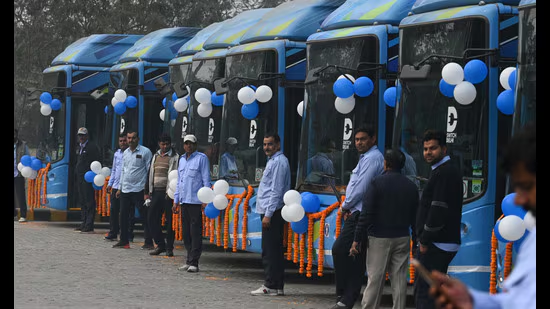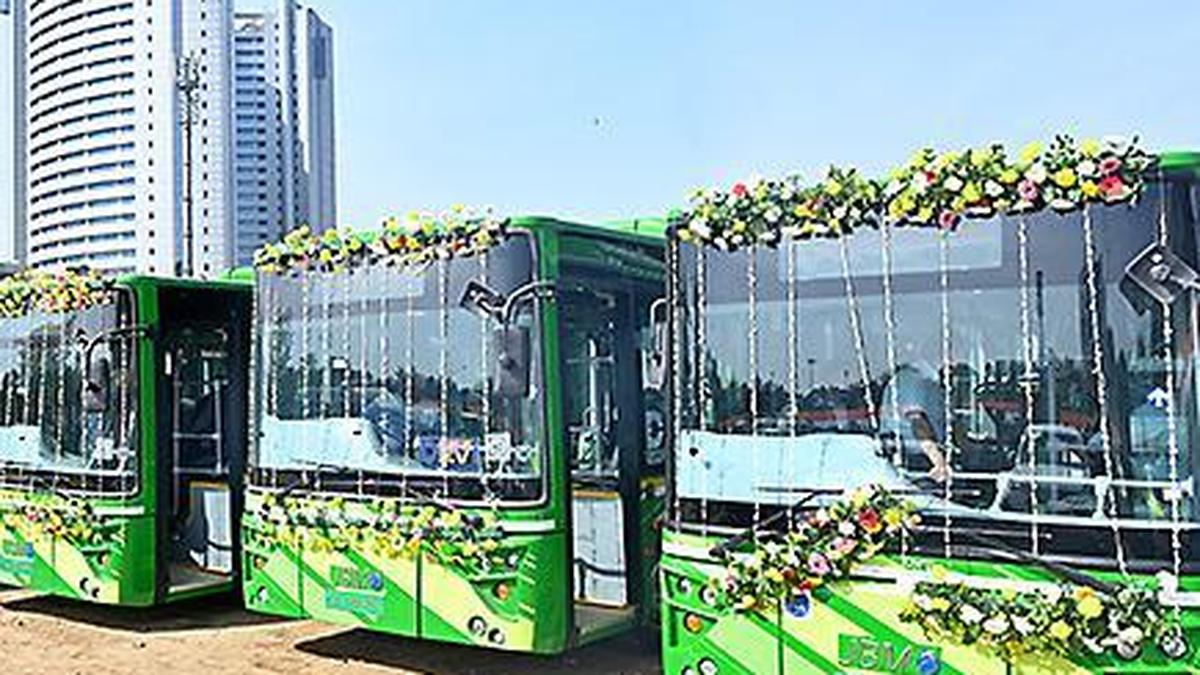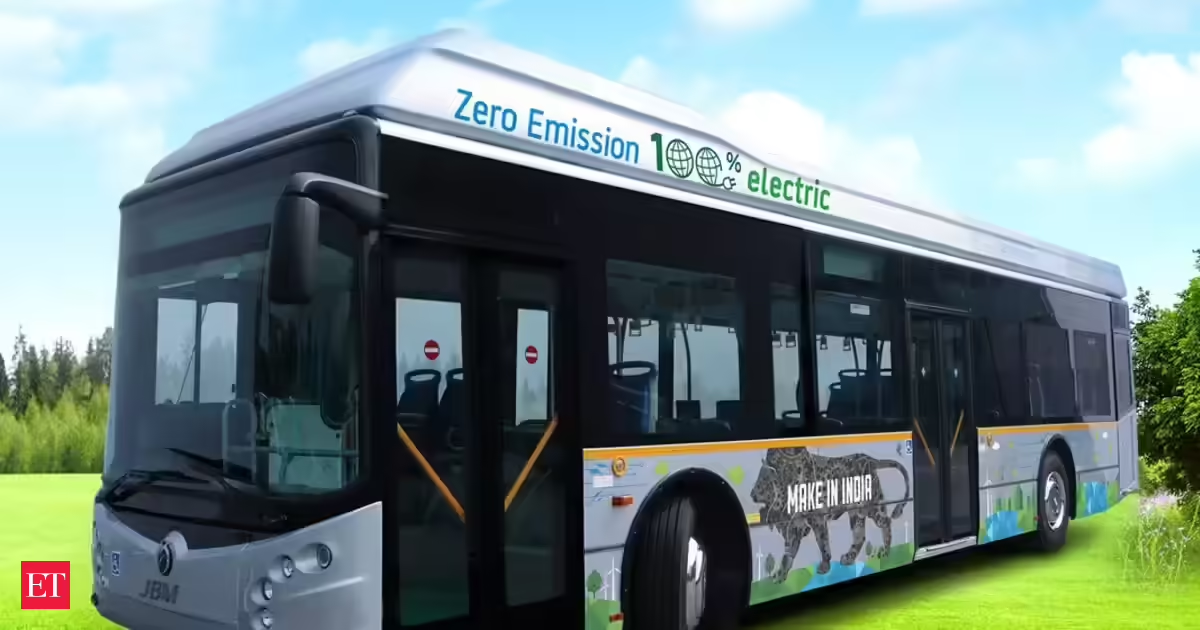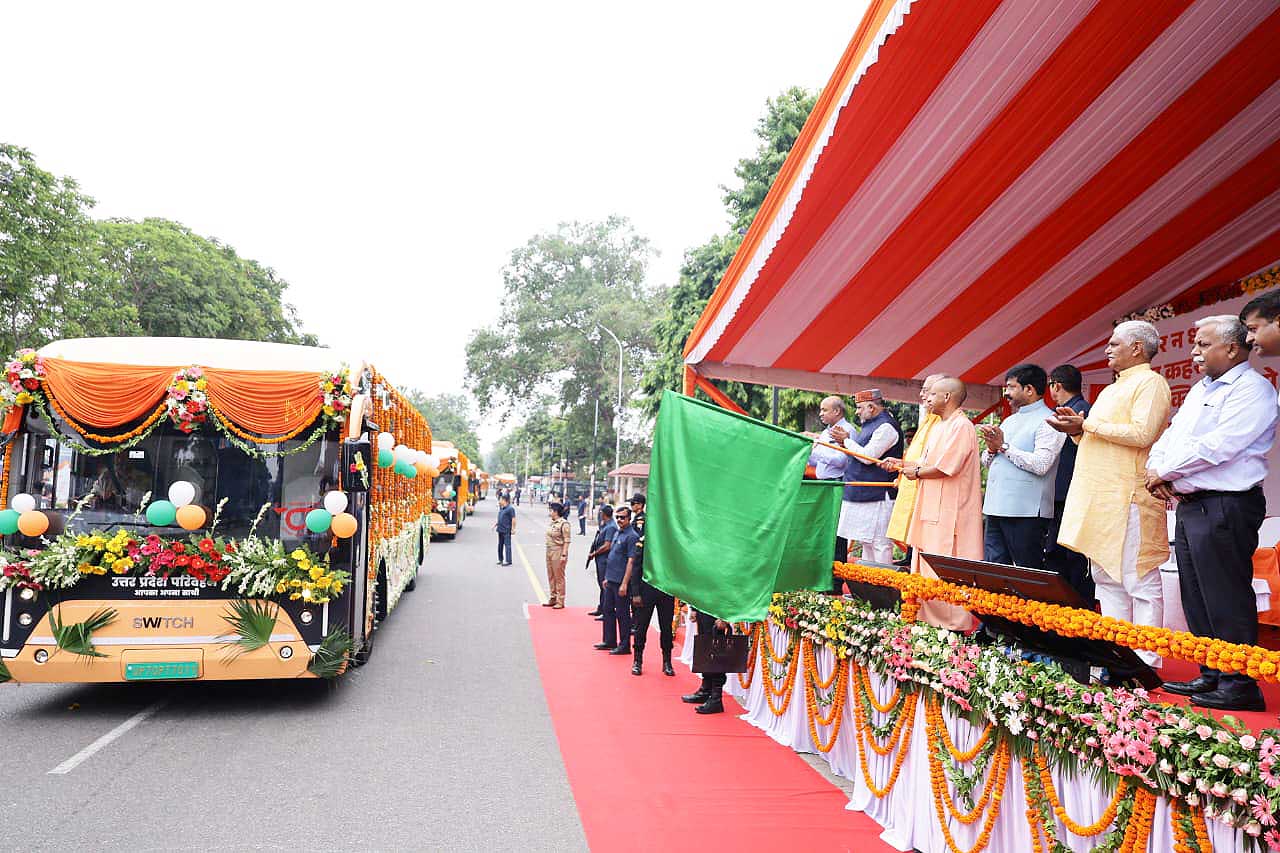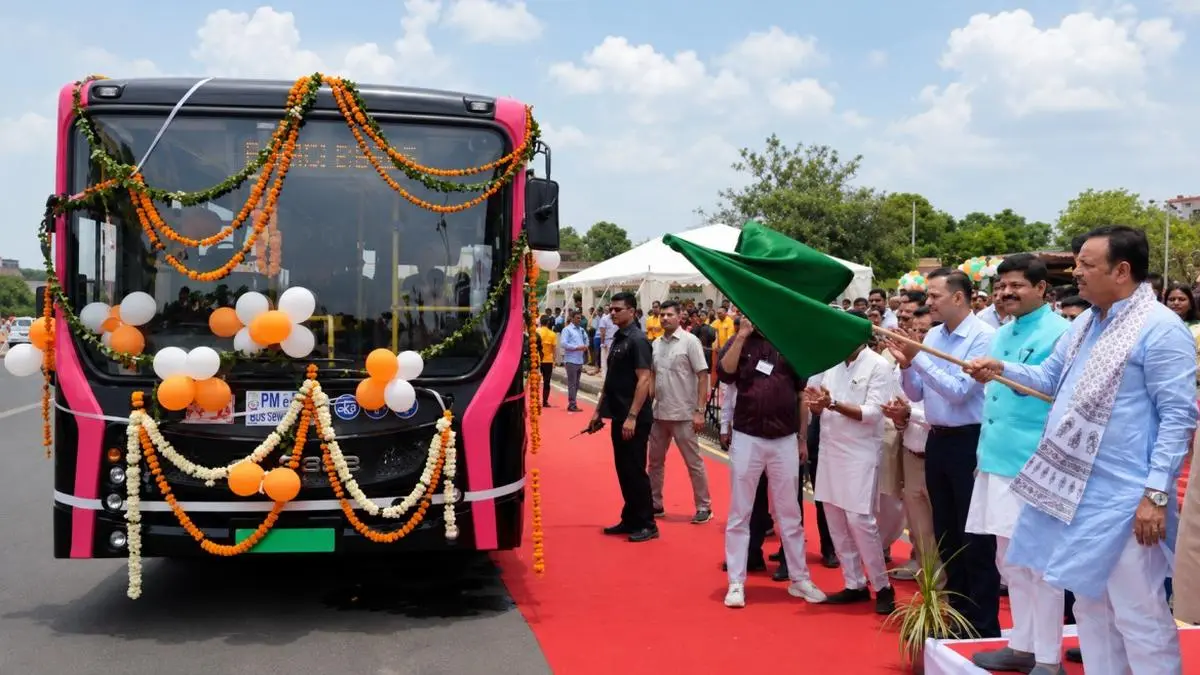
Rajasthan Chief Minister Bhajan Lal Sharma flags off 876 electric buses under the PM e-Bus Sewa scheme, marking a major step in the state’s push for cleaner and expanded urban public transport.
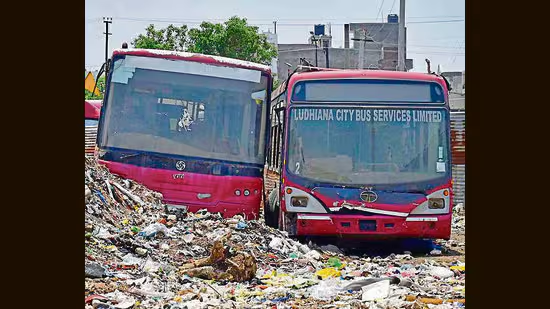
Rajasthan on Saturday took a major step towards rebuilding its public transport network, with Chief Minister Bhajan Lal Sharma flagging off 876 electric buses across eight cities under the PM e-Bus Sewa scheme, which are expected to be fully put into service by this DiwaliThe buses, supplied by EKA Mobility and operated by Chartered Speed, form the bulk of Rajasthan’s sanctioned allocation of 1,150 electric buses and will be deployed across Jaipur, Jodhpur, Kota, Udaipur, Ajmer, Alwar, Bikaner and Bhilwara.The state, as part of its future pipeline plans, aims to add another 555 urban e-buses, bringing the total to 1,150 under the central PM-eBus Sewa scheme, with additional plans for 50 tourism-focused double-decker e-buses in the top industry source, informed businessline.A transport system under pressureThe rollout comes as public transport capacity has struggled to keep pace with urban growth. Jaipur offers perhaps the clearest example. The city once operated around 400 low-floor buses, but today has only about 200 buses in service. With many buses likely to reach the end of their lives this year, the new electric buses are expected to give commuters in Jaipur and other states a boost.Autos and e-rickshaws fill the gapAs organised bus services failed to expand with demand, alternative modes stepped in. Rajasthan has an estimated 100,000 auto-rickshaws and an equally large fleet of e-rickshaws, and another 50,000 taxis and bike taxis operating across the city, according to local transport analysts.The growth of these services has helped meet mobility demand and supported the gig economy, but it has also highlighted the lack of a sufficiently large and reliable mass-transit network.Against this backdrop, Rajasthan’s electric bus programme is being viewed as an effort not only to electrify fleets but also to restore bus-based public transport capacity. The state currently has an electric bus penetration rate of around 0.5%, among the lowest for major states.Building the ecosystemThe programme is backed by investments in charging and maintenance infrastructure, with Rajasthan developing nine dedicated e-bus depots to support operations. The initiative is aligned with the Rajasthan Electric Vehicle Policy 2022, which envisages a phased shift towards cleaner mobility and public transport.“This rollout is about more than deploying electric buses, it is about strengthening public transport networks and providing commuters with a viable alternative to fragmented mobility options,” said Sanyam Gandhi, Whole-time Director of Chartered Speed.First phase of a larger transitionThe 876 buses flagged off on Friday include both nine-metre and 12-metre models, allowing operators to cater to different route requirements and passenger volumes.The deployment accounts for more than three-fourths of Rajasthan’s sanctioned allocation of 1,150 electric buses, with the remaining buses expected to be inducted in future phases.“This deployment demonstrates Rajasthan’s commitment to building a modern public transport network. Electric buses can play a critical role in improving urban mobility while delivering a cleaner and more comfortable commuting experience,” said Dr Sudhir Mehta, Founder and Chairman of EKA Mobility.Published on June 20, 2026