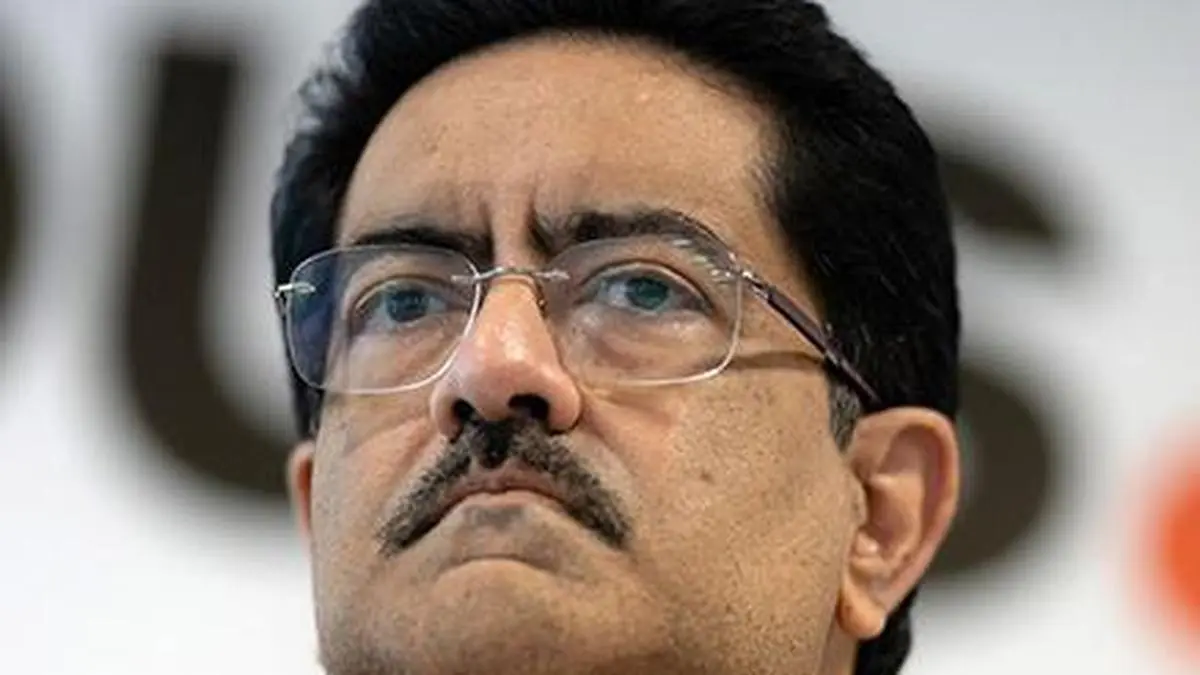
Yashovardhan Agarwal
| Photo Credit: special arrangement
After five decades of being synonymous with water tanks in India, Sintex BAPL is redefining its identity under a new management.The company which underwent the IBC process and was acquired by the Welspun Group in 2023 for ₹1,251 crore, is positioning itself as a comprehensive water management solutions provider, expanding beyond storage into water transportation and treatment as part of its “Sintex 2.0” strategy.Yashovardhan Agarwal, Managing Director, Welspun BAPL and Director, Sintex who is driving the change in an interview said the transformation was driven by the changing nature of India’s water challenges. “Water tanks carried the Sintex name like a quiet promise for over five decades. Now, efforts turn toward carrying that same trust into pipes and wider parts of the water ecosystem,” he said.“India’s water story is now far more interconnected. Storage alone cannot address the challenges of contamination, groundwater stress, transportation losses, and rapid urbanisation. So Sintex 2.0 is really about strengthening our role across this broader water ecosystem. That includes storage, transportation and treatment,” he said.A key pillar of this evolution is the company’s entry into the pipes segment. While a relatively late entrant, Sintex sees an opportunity to disrupt a category it believes has witnessed limited innovation. The company is introducing differentiated products such as antimicrobial CPVC pipes designed to enhance water hygiene and SWR pipes with anti-rat technology for greater durability and safety.The ambition is significant. Mr Agarwal stated that India’s pipe industry would become a ₹1.2 lakh crore market by FY30, supported by growth in housing, sanitation, irrigation and urban infrastructure. Sintex aims to capture 5% of the market by 2030, he said.Today, while many industries are embracing recycled materials, Sintex continues to use 100 percent food-grade virgin plastic in its water tanks and pipes.Mr. Agarwal argued that products storing and transporting drinking water require a higher standard of safety and hygiene thus the need to stay away from recycled plastic. “While sustainability remains critical, responsibility should take precedence,” he said.“For us, it’s about prioritising what matters most in the context of usage. The standards cannot be the same for a packaging product and something that stores drinking water,” he said. “While sustainability remains critical, responsibility should take precedence —especially in drinking water applications where recycled materials may pose risks to quality and safety,” Mr Agarwal added. The company maintains that consumers should not have to choose between safety and sustainability and is focused on improving manufacturing and lifecycle practices without compromising water quality.As consumer awareness around health and water safety grows, Sintex believes the market conversation is shifting from “cheaper” to “safer.” Published - June 20, 2026 07:37 pm IST