Train passengers travelling without a valid ticket could soon face a much steeper penalty. The Centre has proposed increasing the minimum fine for ticketless travel from Rs 250 to Rs 500 as part of broader changes introduced under the Jan Vishwas (Amendment of Provisions) Act, 2026.According to TOI, the Railway Board has informed all zonal railways that the legislation has received Presidential assent. The amendments to the Railways Act, 1989, are expected to come into force through a separate notification and could be implemented as early as 1 July.Ticketless train travel penalty may doubleOne of the biggest changes affects passengers travelling without a valid railway ticket.Read more - Doctors said father’s kidney transplant was difficult. Still, his 18-year-old son, fresh off scoring 92% in Class 12, donated a kidney and made the impossible happenAs per TOI, the revised Section 137 states that passengers found travelling without a ticket, or using an already-used ticket, will have to pay the applicable fare along with excess charges. The minimum penalty will increase from Rs 250 to Rs 500.Read more - Her husband died, then 2 sons, & then brother, all within 7 years; yet Odisha’s tribal daughter, once renamed by her schoolteacher, fought through grief to rise to India’s highest officeOfficials have also indicated that passengers who fail to pay the required charges could face legal proceedings before a competent court.New rules for passengers using another person's ticketThe proposed amendments also tighten rules regarding the use of another person's railway ticket.According to TOI, passengers travelling on tickets issued in someone else's name may have their tickets forfeited. They will also be required to pay the fare along with excess charges, with a minimum liability of Rs 500.The move is aimed at preventing misuse of reserved tickets and ensuring greater compliance with railway regulations.Higher fines proposed for hawking and begging in trainsThe government has also proposed stricter action against unauthorised hawking and begging on railway premises.As reported by TOI, unauthorised hawkers and beggars could face a penalty of Rs 2,000. Repeat offenders may also face imprisonment of up to one year.The amendments specifically prohibit begging inside railway coaches and station premises.Railway nuisance, abusive behaviour and intoxication may attract penaltiesPassengers creating disturbances during their journey could also face higher penalties under the revised rules.According to TOI, anyone found using abusive or obscene language, interfering with railway amenities or causing inconvenience to fellow passengers may be fined Rs 1,000.Passengers found intoxicated and creating a disturbance can be removed from trains or stations and may face additional penalties under the law.Men occupying women's reserved coaches may face Rs 2,500 fineThe amendments introduce a significant penalty for men found occupying seats, berths or coaches reserved for women.TOI reported that offenders may face a fine of Rs 2,500. Railway officials will also have the authority to remove such passengers from reserved areas.The measure is intended to improve passenger safety and ensure that reserved facilities are used as intended.Dangerous goods and trespassing rules tightenedThe proposed changes also target passengers carrying prohibited or dangerous items.According to TOI, carrying dangerous goods on trains could attract a minimum penalty of Rs 10,000.Meanwhile, trespassing in passenger areas may lead to a fine of Rs 500. Authorised railway staff will also have greater powers to remove trespassers, hawkers and other violators from railway premises.Why the government is increasing railway penaltiesThe Jan Vishwas (Amendment of Provisions) Act, 2026, aims to replace criminal prosecution for certain minor offences with monetary penalties, encouraging quicker enforcement and better compliance.As per TOI, the law also allows for periodic revision of penalties. Fines covered under the Act are set to increase by 10 per cent every three years unless a separate revision mechanism is specified.The government says the objective is to promote trust-based governance while ensuring that railway rules are followed more effectively across the country.
On a train without ticket or using someone else’s? These railway mistakes could soon cost you far more as Centre plans fine hike from July 1
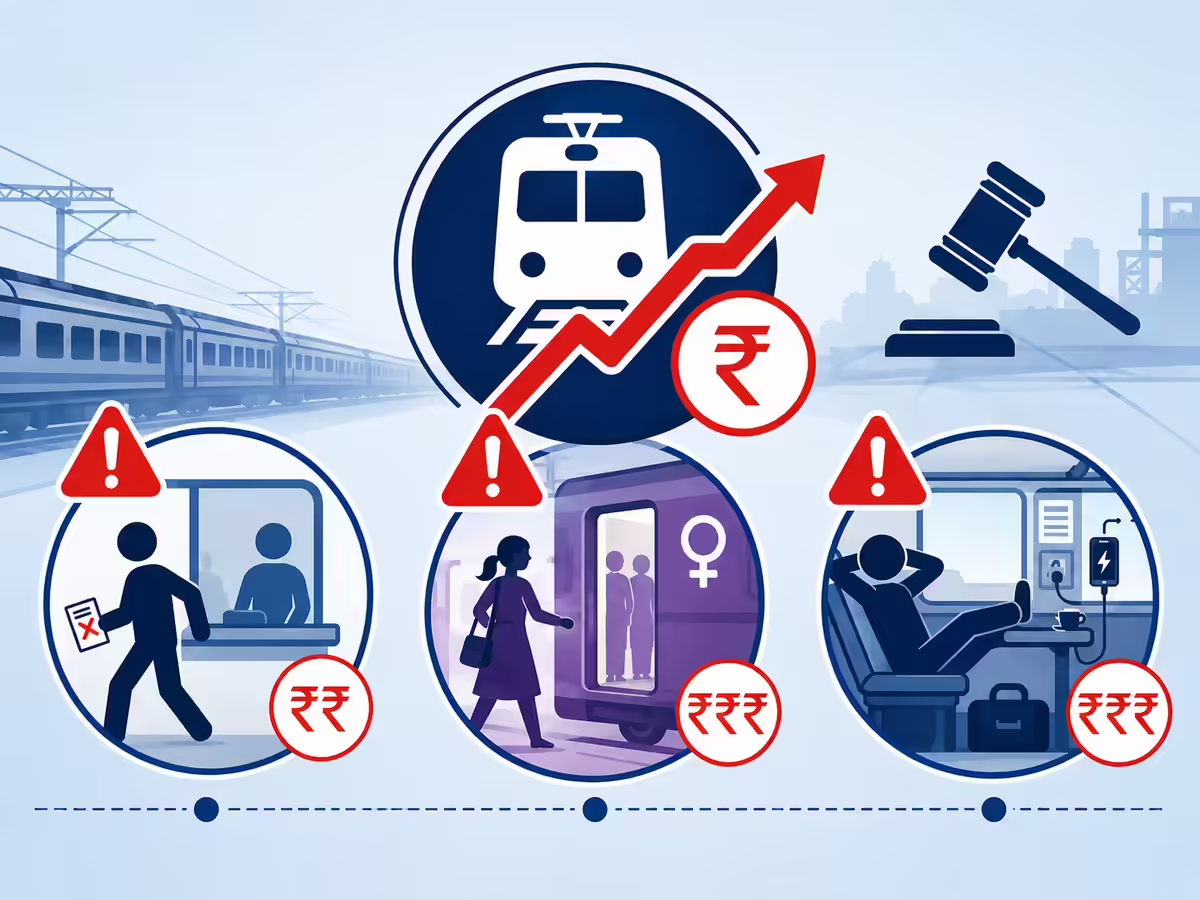
Train travel could soon come with stricter penalties as the Centre plans to double the minimum fine for ticketless travel from Rs 250 to Rs 500. Under the Jan Vishwas (Amendment of Provisions) Act, 2026, passengers may also face higher penalties for using another person's ticket, unauthorised hawking, begging and disruptive behaviour. Men found travelling in coaches or occupying seats reserved for women could be fined Rs 2,500, while carrying prohibited or dangerous goods may attract a penalty of at least Rs 10,000.
635 words~3 min read