Hip dips are having a moment. But what are they? Can you actually get rid of them? And should you even try?
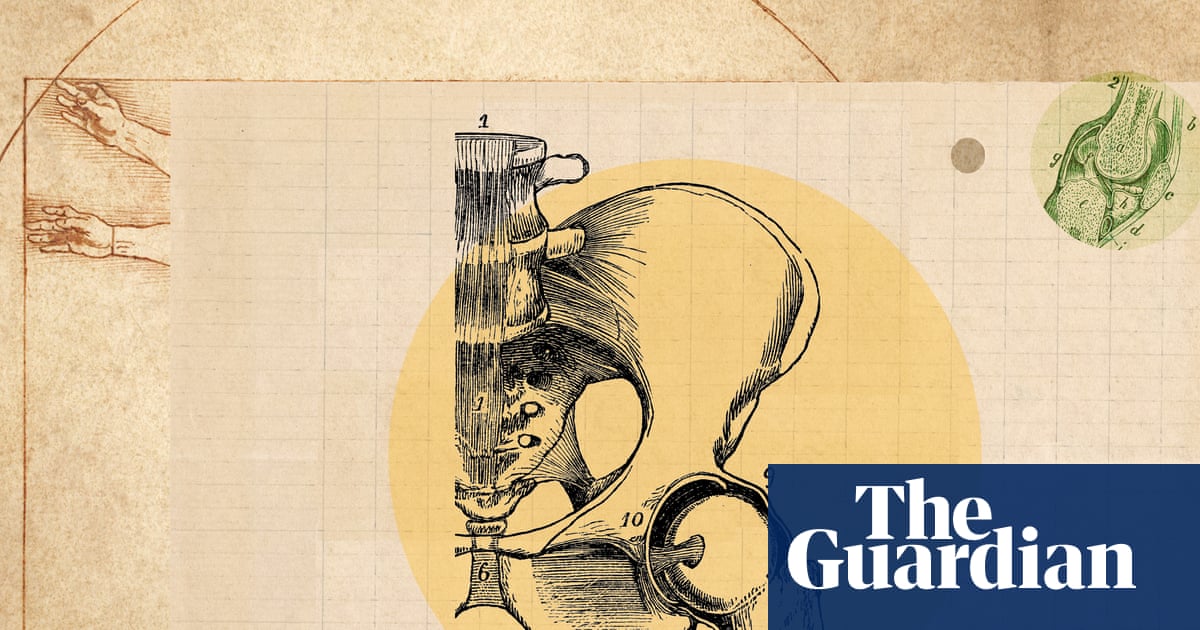
Formally known as the trochanteric depression, hip dips exist in both men and women and are simply the visible result of the space between two bones – part of the pelvis called the iliac crest and a bony bulge on the upper thigh bone called the greater trochanter. How pronounced they look depends on your bone structure, muscle size and how much fat sits in the area. In other words, they are largely the result of genetics.
Research suggests that some people feel hip dips disrupt the natural contours of the body, though what counts as an attractive figure varies widely from person to person.
The exercises most commonly recommended to reduce hip dips target the gluteus medius, the medium-sized buttock muscle that sits directly over the depression. These include side-lying hip abduction, the side-lying hip clam, standing hip abduction with or without resistance, and weight-bearing exercises such as squats, lunges, step exercises and supine bridges.
Because the gluteus medius comprises three groups of fibres, a mix of exercises is likely to work better than sticking to one. But here is the catch: as you build muscle and reduce fat in that area, the underlying bones and muscles can actually become more prominent, making the dip more visible, not less. A layer of connective tissue called the fascia keeps the muscles separate and ensures some depression will always remain where they meet the bone.