My mom got sick, then gradually, and then all at once.In 2014, she survived a subarachnoid aneurysm that ruptured while she was driving on the West Virginia Turnpike. After stabilizing, she spent six months recovering with me in South Carolina before heading back to her townhouse in my hometown of Charleston, West Virginia.Unfortunately, her return was short-lived. Mom had a small stroke a year later, followed by a second, more serious stroke in 2016. The doctors told her it was no longer safe to live alone.Mom had dedicated almost 50 years to teaching children in some of the poorest public schools in the country. She had also been my father's caregiver after an accident rendered him nearly paraplegic. She had a long, hard, and beautiful life. I wanted to care for her.But neither of us had a financial cushion, so Mom moved in with me and my two sons — then 13 and 10 — in August 2016.A decade later, I'm still paying off the debt I accrued through the years.
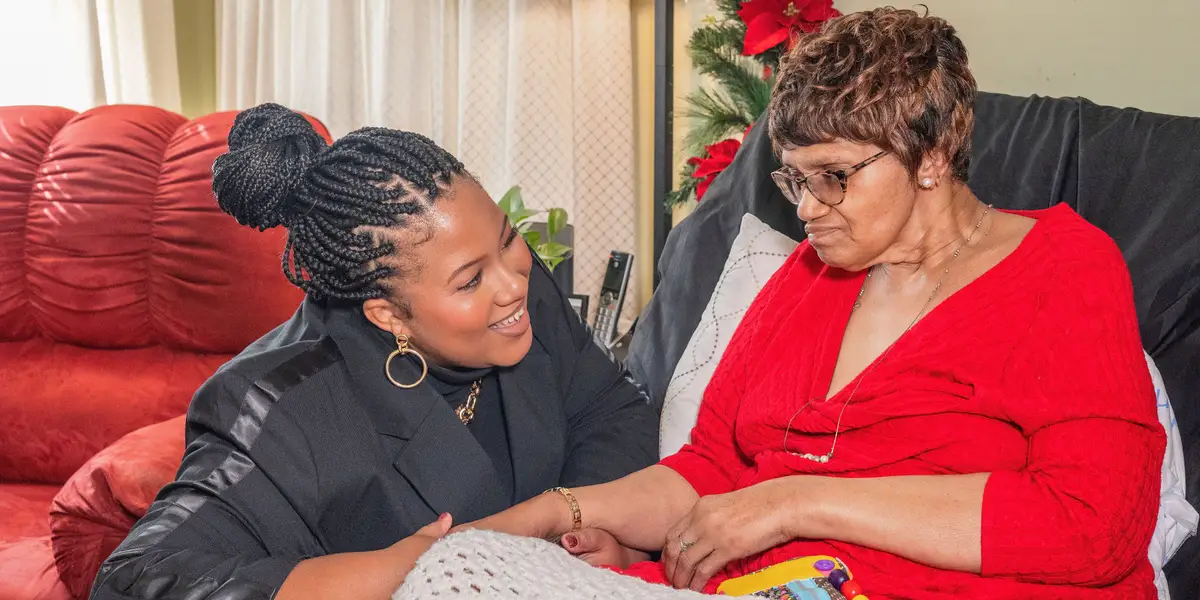
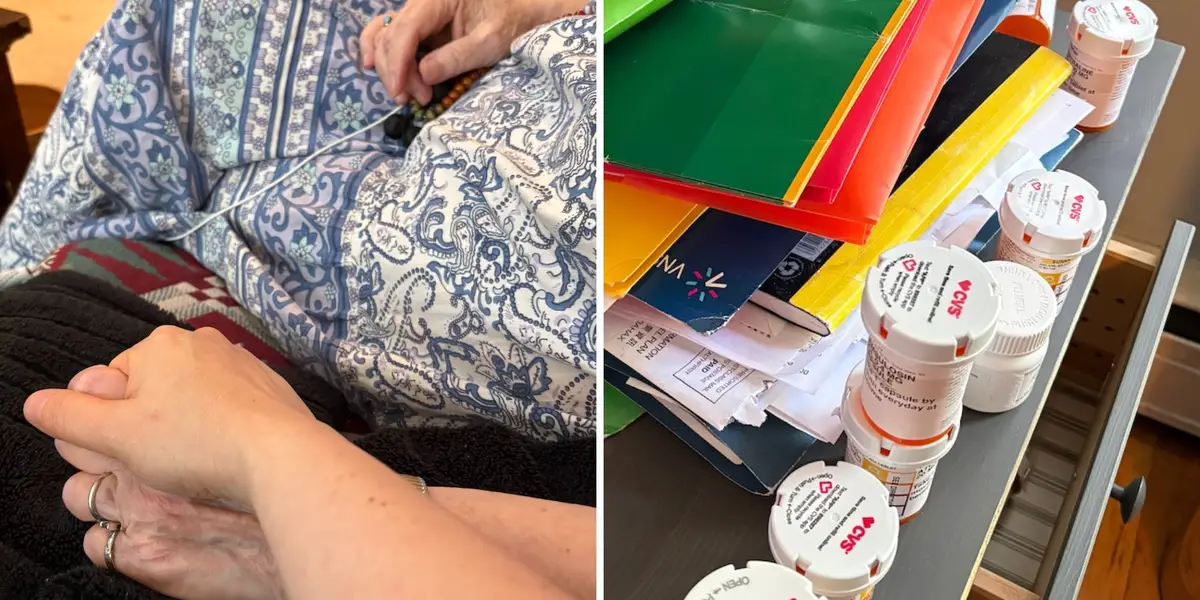
The author's mother was a caregiver herself for years.
Will Crook for BI
We had to pay several medical costs when insurance wouldn'tBeing a caregiver isn't easy — mentally, emotionally, physically, or financially.
In the early days, everyday expenses were manageable because Mom contributed a chunk of her pension to help cover household bills. Our biggest financial challenge was a constant stream of out-of-pocket medical expenses and copays.For example, after her stroke, Mom's right hand was non-functional. We pursued specialized hand therapy, paying out of pocket initially because the insurance company questioned its medical necessity.