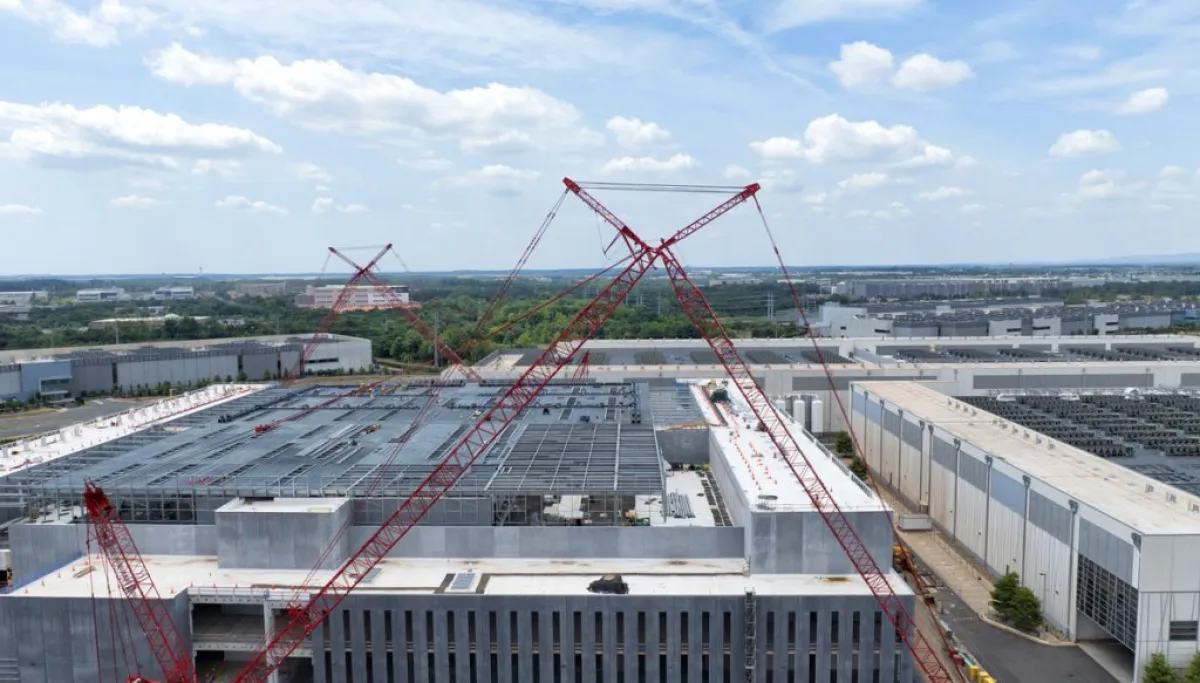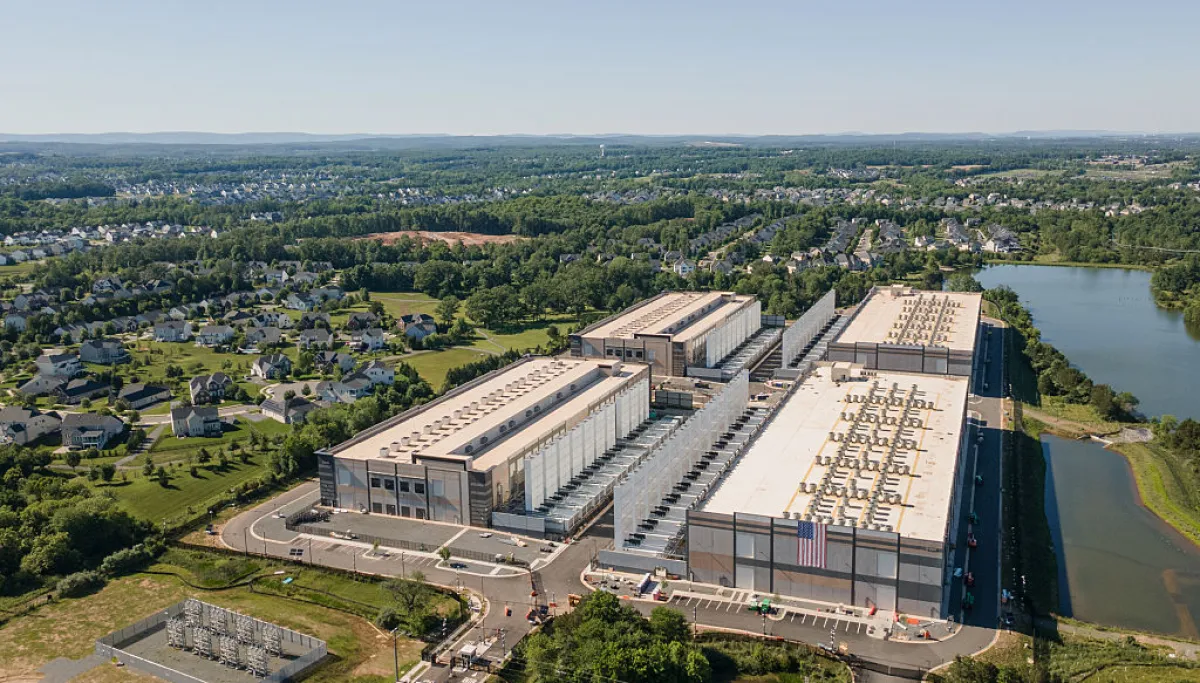
Water systems that were already strained are being asked to cool thousands of new server racks, and permitting timelines stretch so far past capital deployment schedules that investors are watching their cost of carry climb while shovels sit idle.
It may seem like the tech industry has triggered something new. It has not.The oldest pattern in American infrastructure
The United States has been running this same playbook for decades: infrastructure need identified, commitments announced — and then the project dies slowly inside environmental reviews, permitting fights, funding paralysis, and political indecision while costs compound.McKinsey estimates roughly $1.5 trillion in proposed infrastructure projects are currently trapped in permitting bottlenecks, producing annual economic losses of $100 billion to $150 billion. Construction costs have risen by 70% since 2020, which means every year of deferral costs more than the previous year. That permitting slow-walk alone costs thousands of dollars per household annually — a tax that never appears on anyone’s bill but gets paid just the same.The American Society of Civil Engineers gave U.S. infrastructure a “C” in its 2025 report card — the best grade since 1998 — and still projects a $3.7 trillion investment gap that is growing, not shrinking. The pattern is identical across every sector: a known need and an institutional failure to decide.Bridges, broadband, and server farms