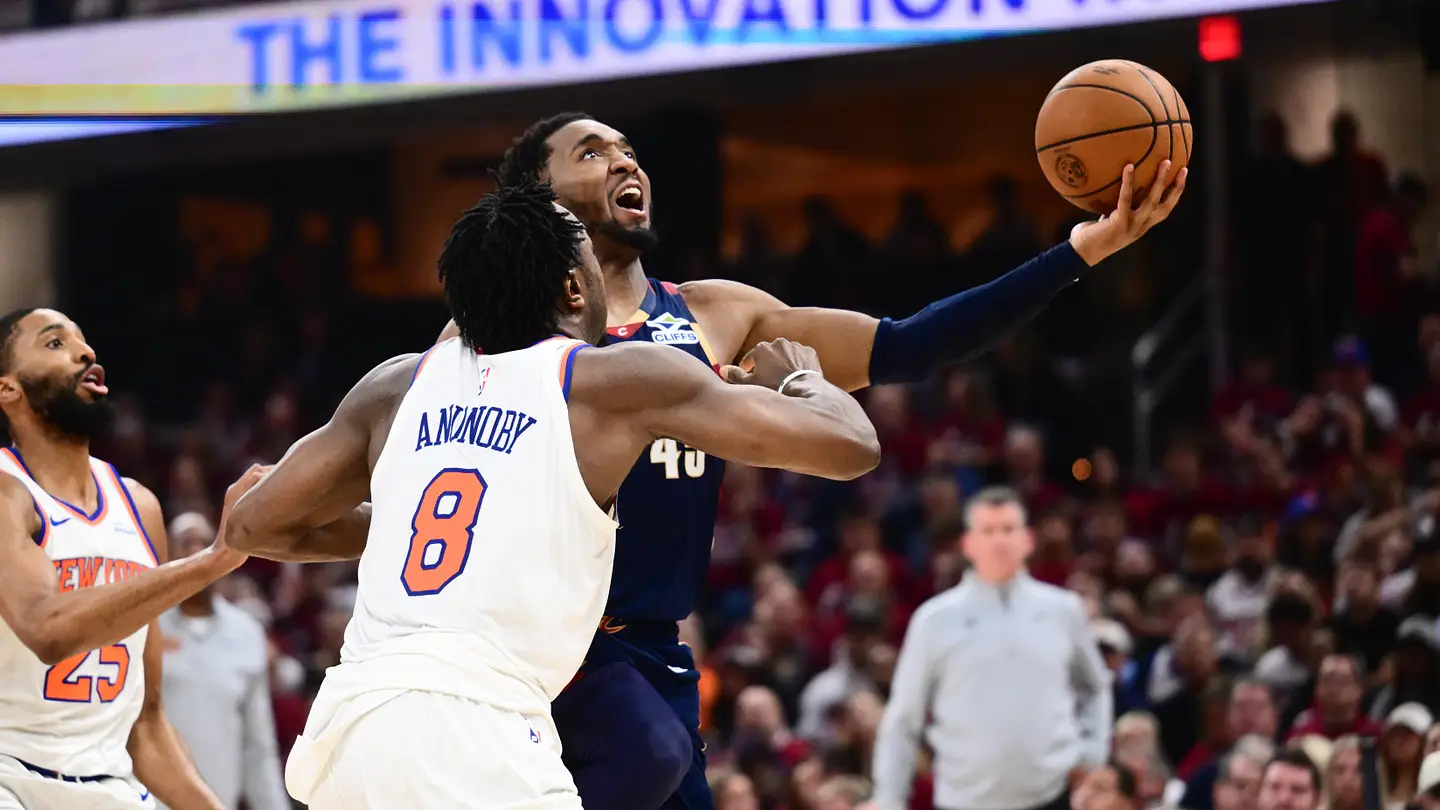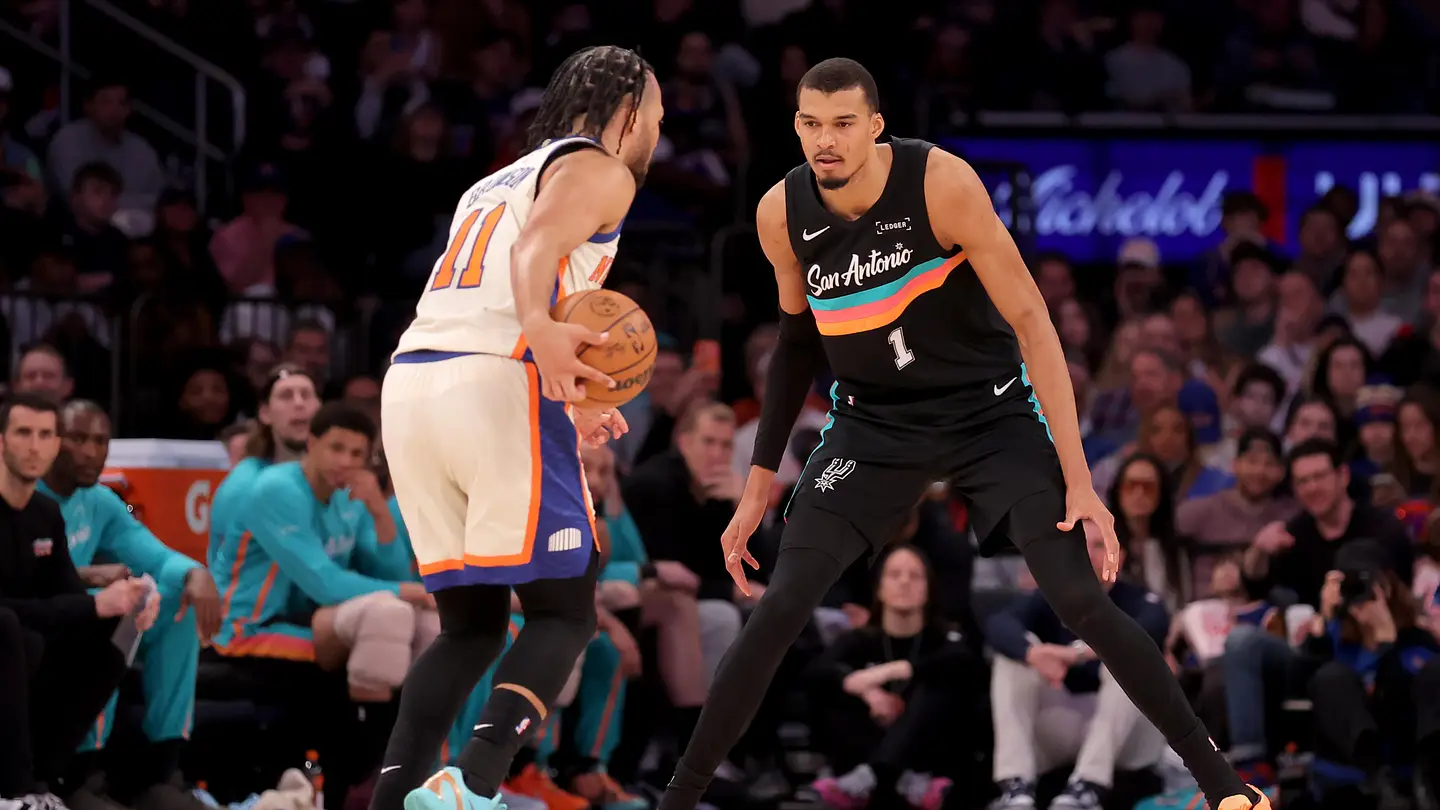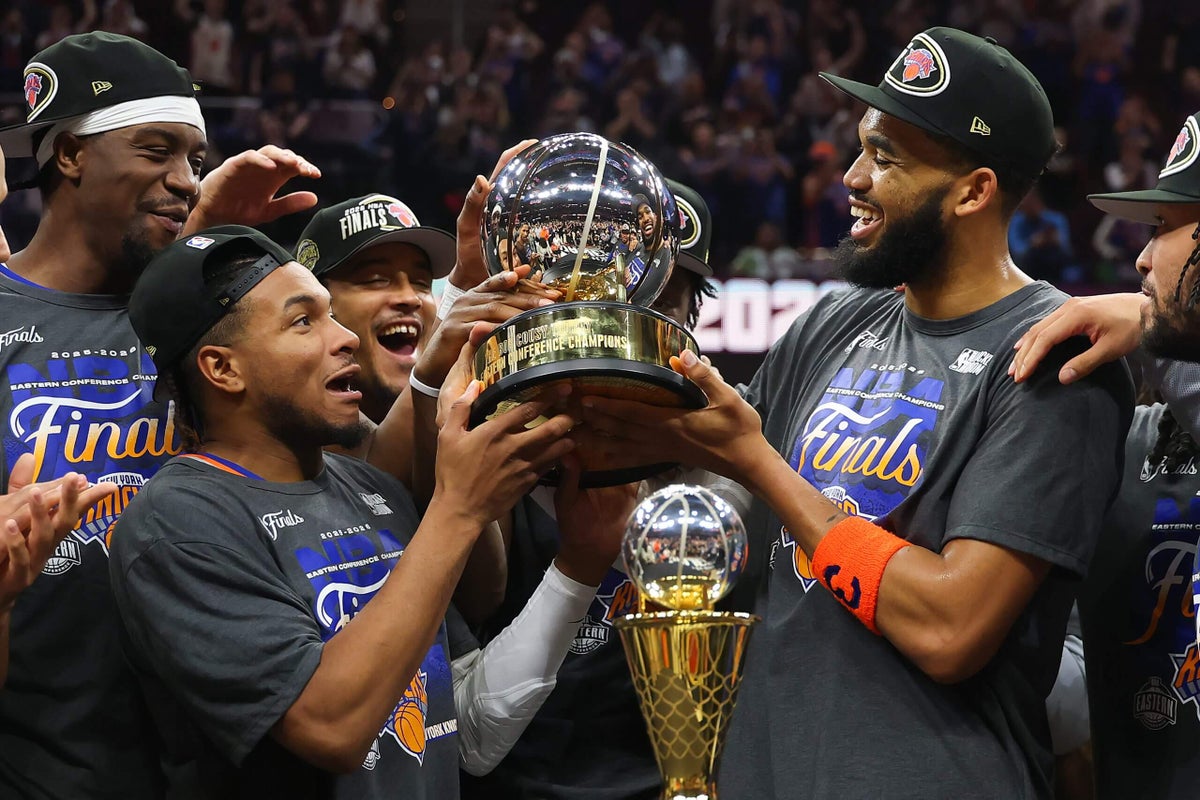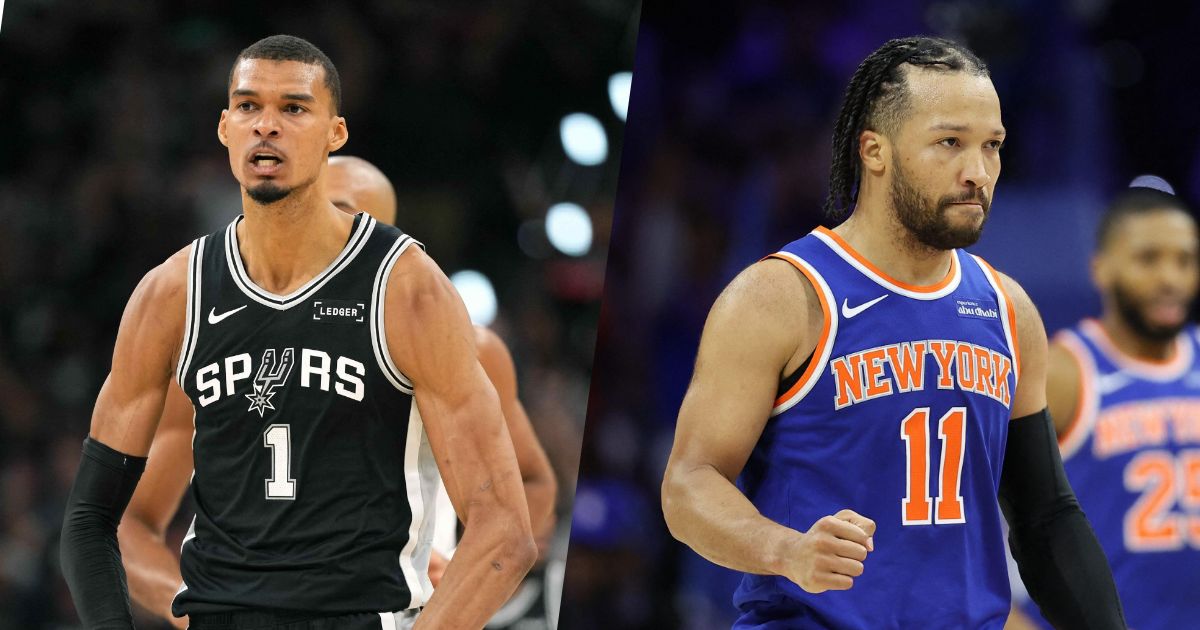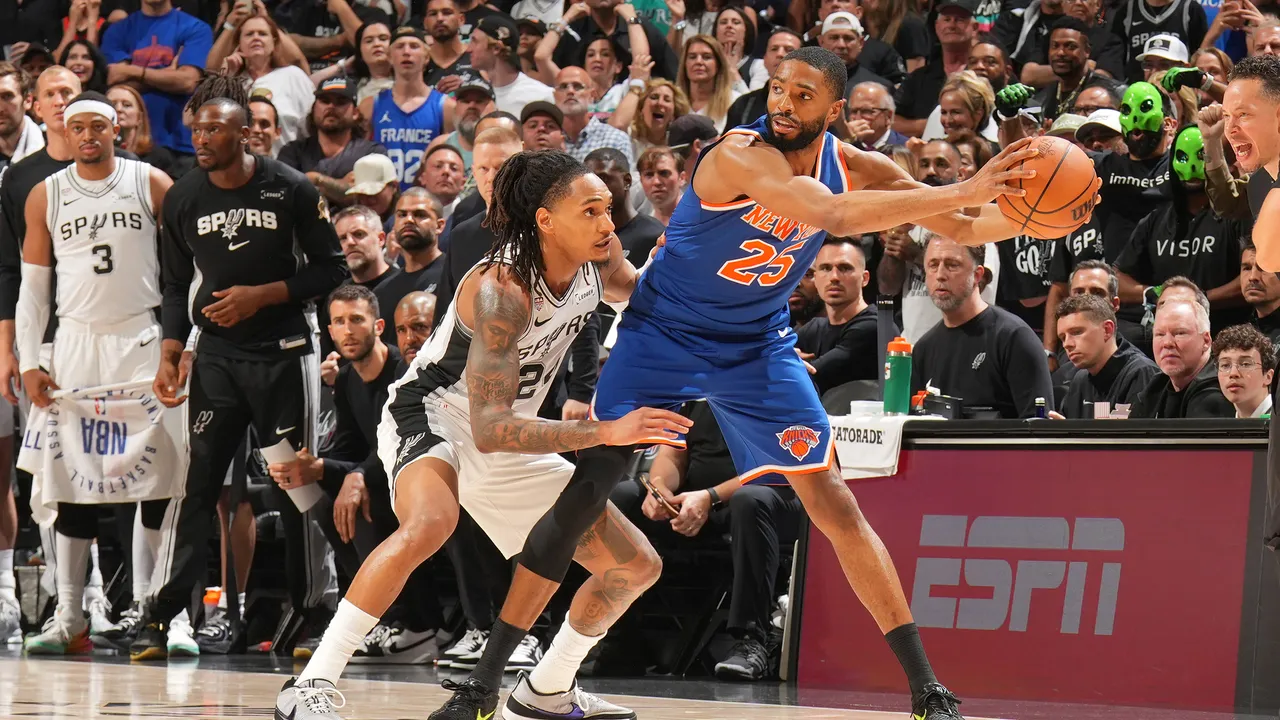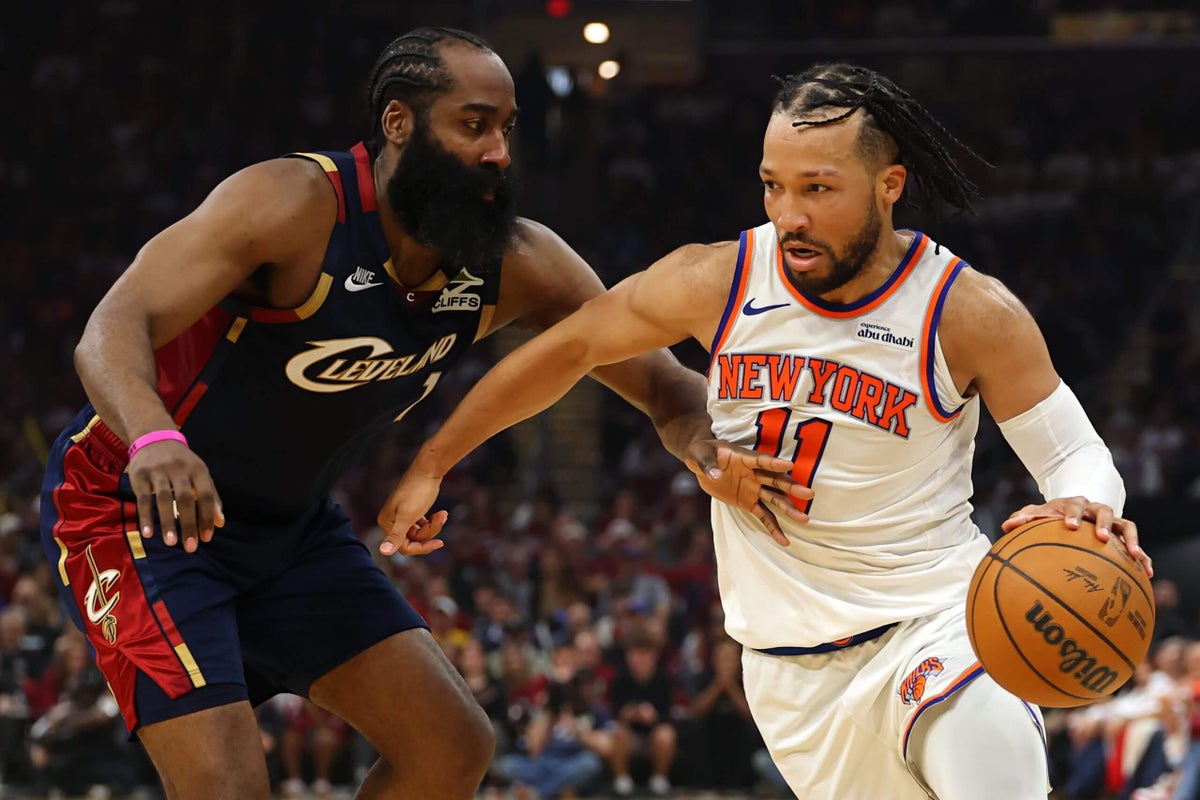
The New York Knicks went 8-1 against the Cleveland Cavaliers and San Antonio Spurs in the Eastern Conference finals and NBA Finals. But if you listened to opposing coaches, players and fans after the games, you’d have thought that record was reversed.Why?In what may have been the quote of the 2026 playoffs, Cavaliers head coach Kenny Atkinson, while facing a 3-0 series deficit to the Knicks, professed to a stunned audience of reporters that “Analytically … we’re two out of three in the expected (score). I don’t know if you guys follow that, the expected score.“And I know you’re looking confused,” he continued.Because we were!Cavs guard James Harden added after the series, “They dominated us 4-0. … Genuinely, I do feel like we are the better team.”How the Knicks pulled off one of the greatest playoff runs in historyEsfandiar BaraheniLet’s clear this up from the jump. The Cavaliers were not the better team. They were thoroughly outplayed, losing 12 out of 16 quarters and an overtime in the series. The Knicks had a 58.5 effective field goal percentage compared to only 49.8 percent for the Cavs, which would have ranked 1st and 30th in the regular season, respectively. That’s almost double the 5.7 percentage points difference between the first-place Denver Nuggets and the last-place Nets this season.New York destroyed Cleveland in rebounding on both ends, snagging 34.8 percent of their own misses and holding the Cavs to a 26.5 percent offensive rebound rate. That’s two out of the four factors (shooting, offensive rebound rate, turnover ratio, free-throw rate) to winning where the Knicks lapped the Cavaliers. In a make-or-miss league, the Knicks made a lot and the Cavs missed even more and when New York missed, they got second chances.This is a classic case where my former podcast partner Seth Partnow would point out, “The numbers don’t say. You say.”Now, the San Antonio Spurs? They have an argument. Between leading for 72 percent of the minutes played and holding double-digit leads in every game, including a series high 29 during Game 4, the Spurs often seemed to be the better team on the court. In one of the closest five-game series ever, it should come as no surprise that the two teams are close in most statistical categories. The only place the Knicks had a clear advantage was on the glass, snagging 33.2 percent of their misses, a playoff high for a Spurs opponent, while holding San Antonio to only 28.6 percent on their offensive rebounding opportunities.The Spurs defense limited the Knicks to a 110.1 offensive rating compared to 123.3 in their run to the finals, but the Knicks were able to stifle the Spurs offense equally and eked out just enough shot-making to win games. Did it require a historic string of collapses? Yes. Was it ideal? Definitely not. But maybe that is because the Knicks were able to play for the full 48 minutes, instead of just first and third quarters.Every game of the series, the Spurs started hot and the Knicks missed a lot of shots. San Antonio shot 54.1 percent from the field in first quarters over the five-game series, while New York was a paltry 32 percent. Those numbers flipped the rest of the way. The Knicks seemed to catch their stride heading into halftime at 51.4 percent in second quarters, while the Spurs’ shooting numbers fell off a cliff to 37.6 percent. A slight bounce back in third quarters for San Antonio was obliterated by shooting 33.7 percent in fourth quarters. The Knicks shot 45.2 percent and 38.7 percent in third and fourth quarters, respectively.New York Knicks head coach Mike Brown, battling through Karl-Anthony Towns’ foul trouble for a lot of the series, tried 59 lineup combinations to only 40 from Mitch Johnson and the Spurs. Sometimes a coach just has to get their team from possession to possession. Brown showed a willingness to mix it up, whereas Johnson tended to stick to his guys. The Knicks had more juice when the games mattered.But it wasn’t just shooting luck: The Knicks defense made the Spurs offense sputter around the margins as well. The Knicks were plus-5.2 points per game in second-chance points, holding the Spurs to 2.4 fewer compared to their previous opponents. New York capitalized on fast breaks, winning that battle by 3.2 ppg, while holding San Antonio to five fewer points per game than they had during the rest of the playoffs.The biggest win for the Knicks may have occurred in the paint. The Spurs were nine points per game worse against the Knicks compared to their Western Conference opponents, while the Knicks nearly equaled them in the same category.The Spurs’ offensive rating went from 115.4 entering the finals to 107.4 against the Knicks. San Antonio was stifled in the half court and New York made it harder to get easy offense from offensive rebounding and transitions.After the series ended, Victor Wembanyama said, “Our domination stints are absolute. We absolutely dominated for most of the series. But our errors, our mistakes, are punished so hard that we can’t have ups and downs like this so much.”The Knicks’ starting lineup had a plus-21.8 net rating for the finals, which is a little over nine points per 100 possessions better than the Spurs’ starters. So if San Antonio’s mistakes were nails, the Knicks starters were Mjölnir. Despite their slow starts, New York’s starters were dominant the rest of the game.In 18 minutes of what the NBA defines as clutch time, the Knicks had a 95.1 defensive rating and a plus-7.6 net rating. When it mattered the most, in the final eight minutes of Game 5, Jalen Brunson scored 15 points on six shot attempts and the Spurs had seven points on 16 attempts. That was the series. The Knicks pieced together 48 minutes a night and the Spurs only had about 36.Basketball isn’t a game played on paper. The only stat that matters is the final score. That’s where the Knicks were dominant. Between their 13-game playoff winning streak and their 8-1 record over the conference finals and finals, the Knicks were great at winning basketball games.Jun 20, 2026Connections: Sports EditionSpot the pattern. Connect the termsFind the hidden link between sports terms
Why did the Spurs, Cavs feel like they outplayed the Knicks in the playoffs?
The Spurs led the Knicks for 72 percent of the finals. But as the Spurs faded deep into games, New York got stronger.
1,038 words~5 min read