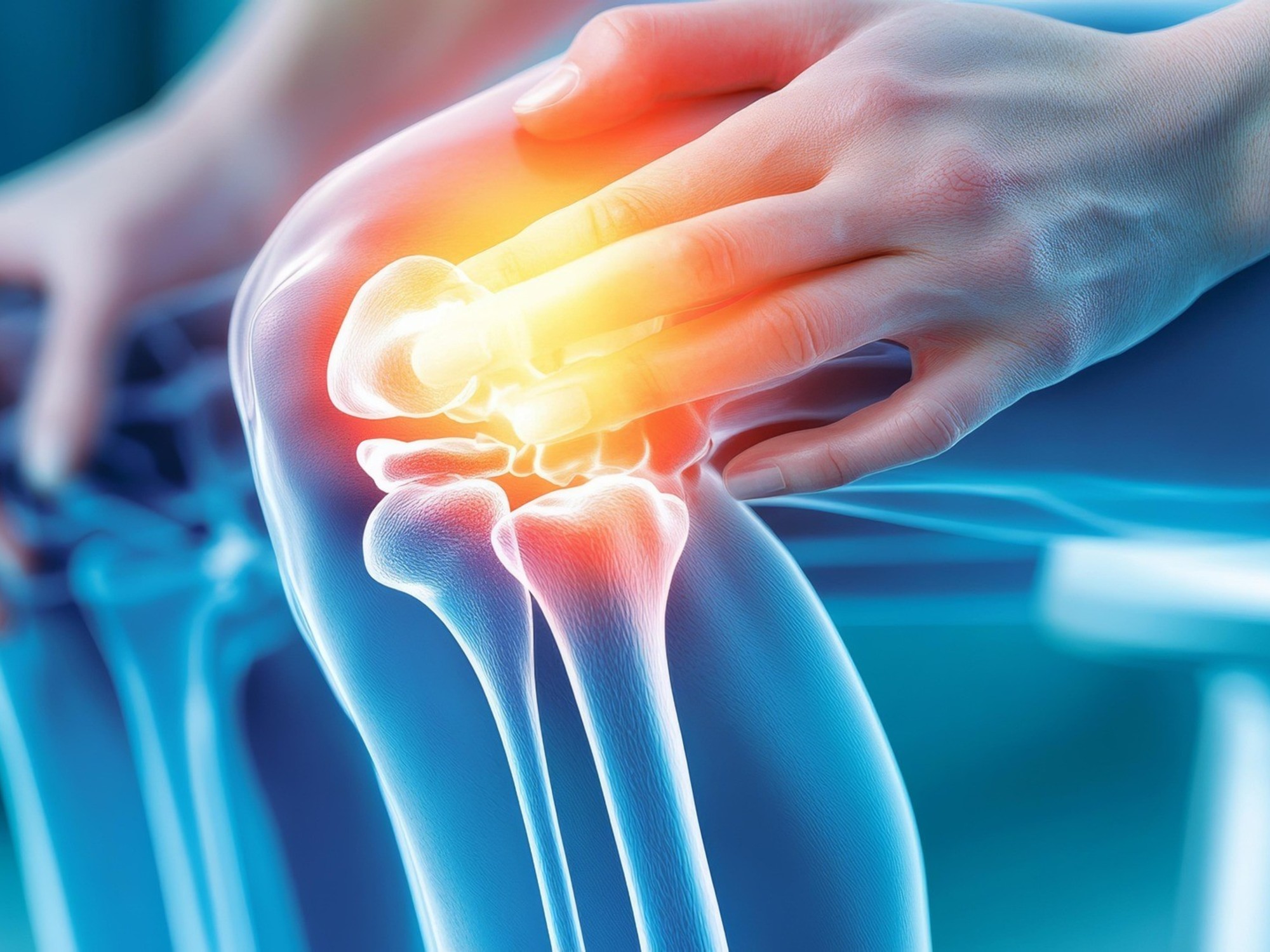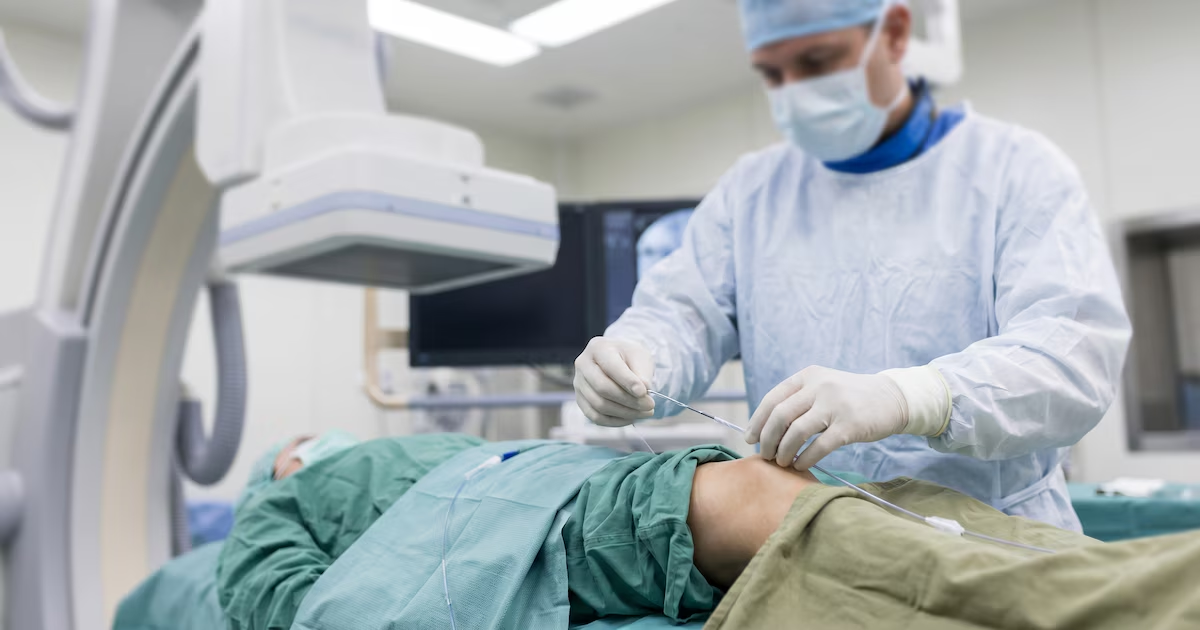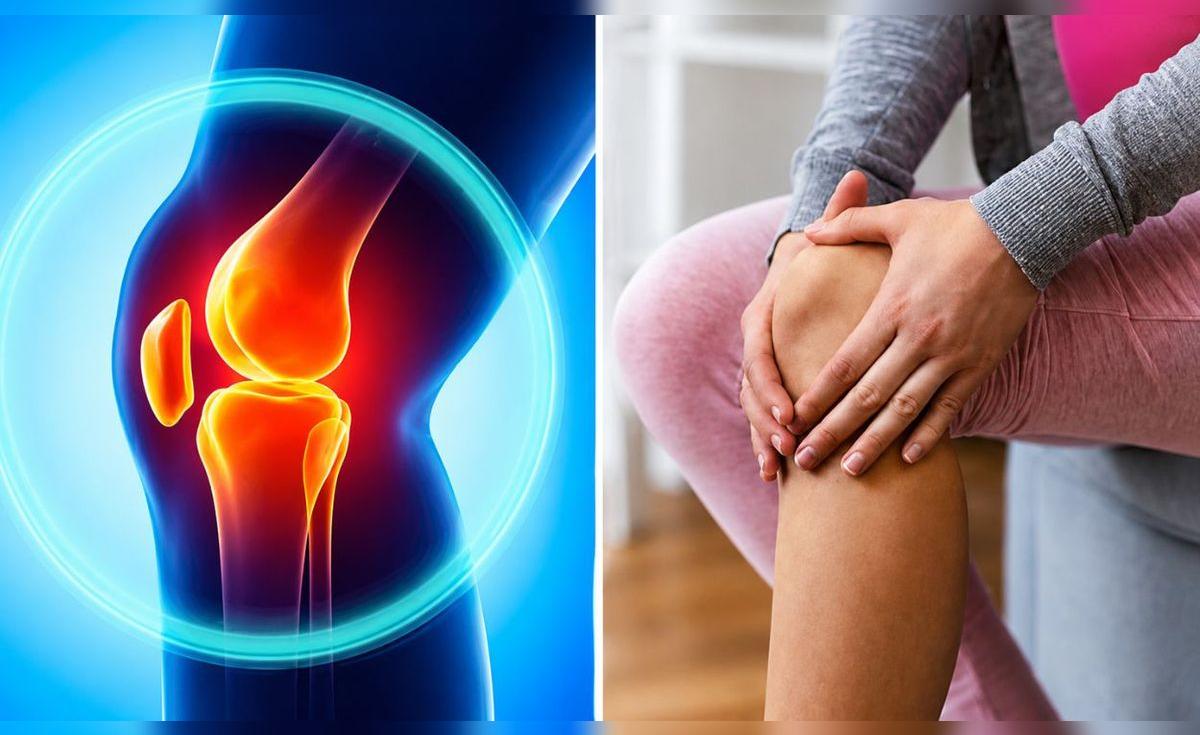
SynopsisA groundbreaking minimally invasive procedure, knee embolization, is offering new hope for knee osteoarthritis sufferers. Developed by Columbia University researchers, this treatment uses advanced imaging to block blood flow to inflamed knee areas, significantly reducing pain and improving mobility. Many patients find relief within weeks, providing a vital alternative for those not ready or able to undergo knee replacement surgery.AgenciesOsteoarthritis New Treatment for knee pain reliefResearchers of Columbia University have found a new treatment for osteoarthritis, a condition that has no cure. A minimally invasive procedure called knee embolization can provide a new hope to people suffering from knee osteoarthritis who are either not ready for knee replacement surgery or cannot undergo the operation. The treatment uses advanced imaging technology to block blood flow to inflamed areas inside the knee, helping reduce pain and improve movement without major surgery.What is knee embolization and how does it work?Knee embolization, also known as genicular artery embolization, is a procedure performed by interventional radiologists. These specialists use X-rays and other imaging methods to guide tiny medical tools through blood vessels and reach the affected area.Unlike traditional surgery, the procedure requires only a small opening in the skin. Patients can usually return home on the same day after treatment.The procedure focuses on the synovium, the inner lining of the knee joint that becomes inflamed due to arthritis. Doctors inject tiny particles, about the size of grains of sand, into selected blood vessels supplying the inflamed tissue.By reducing blood flow to these vessels, the treatment helps calm inflammation and may provide relief from pain.Relief within weeks for many patientsAccording to doctors, many patients experience improvement in pain and mobility within one or two weeks after the procedure.“We see many people who have arthritis and who are no longer responding to conservative treatments but aren’t ready or able to have surgery,” says interventional radiologist Stephen Reis, MD, chief of the Division of Interventional Radiology at Columbia University Irving Medical Center. “Knee embolization can provide immediate relief when there are no other good options.”Doctors say the procedure can be useful for patients who have exhausted other treatments but are not suitable candidates for knee replacement.“Our patients have been very happy with the results,” Reis says. “I’ve seen people whose mobility was extremely limited before the procedure, who are walking miles when I see them for their follow up appointment several weeks later.”A new option between medicines and surgeryOsteoarthritis of the knee has no permanent cure, and treatment options usually focus on managing symptoms. While knee replacement can help many patients, surgery involves risks, recovery time and may not be suitable for everyone.Knee embolization is filling the gap between non-surgical treatments and major operations.Interventional radiologists have already used embolization procedures for several medical conditions, including fibroids, enlarged prostate problems and cancer treatment. The use of this technique for knee arthritis began in Japan and has been studied in the US for more than five years.Research shows that around 70% to 85% of patients undergoing knee embolization report significant and lasting improvement in pain.Doctors highlight benefits of minimally invasive treatment“Surgery involves risks and a long recovery and may not be the right choice for everyone,” says Reis. “Interventional radiology gives patients a minimally invasive option to consider as they weigh their choices.”The treatment is performed in about an hour and does not require a long hospital stay, making it an option for people looking for alternatives to traditional knee surgery.Rising number of knee arthritis casesKnee osteoarthritis is the most common form of arthritis in the United States, affecting more than 65 million people. In India, osteoarthritis affects millions of people, with knee osteoarthritis emerging as a major cause of pain and disability. Studies suggest knee osteoarthritis affects about one in five people in the general population, while nearly half of elderly Indians may suffer from the condition." Doctors expect the number of people living with knee arthritis to rise further in coming decades due to ageing populations and other factors. The number of affected people is projected to increase by 75% by 2050.With more patients searching for alternatives to surgery, treatments like knee embolization could become an important part of future arthritis care.Read More News on
Doctors find new non-surgical treatment for osteoarthritis patients that may relieve knee pain in weeks
A groundbreaking minimally invasive procedure, knee embolization, is offering new hope for knee osteoarthritis sufferers. Developed by Columbia University researchers, this treatment uses advanced imaging to block blood flow to inflamed knee areas, significantly reducing pain and improving mobility. Many patients find relief within weeks, providing a vital alternative for those not ready or able to undergo knee replacement surgery.
TL;DRAI
Columbia University developed knee embolization—minimally invasive procedure reducing arthritis pain; 70–85% report relief in weeks vs. surgery. Signals healthtech investment surge as 65M+ Americans with knee osteoarthritis could drive +75% procedure demand by 2050.
697 words~3 min read