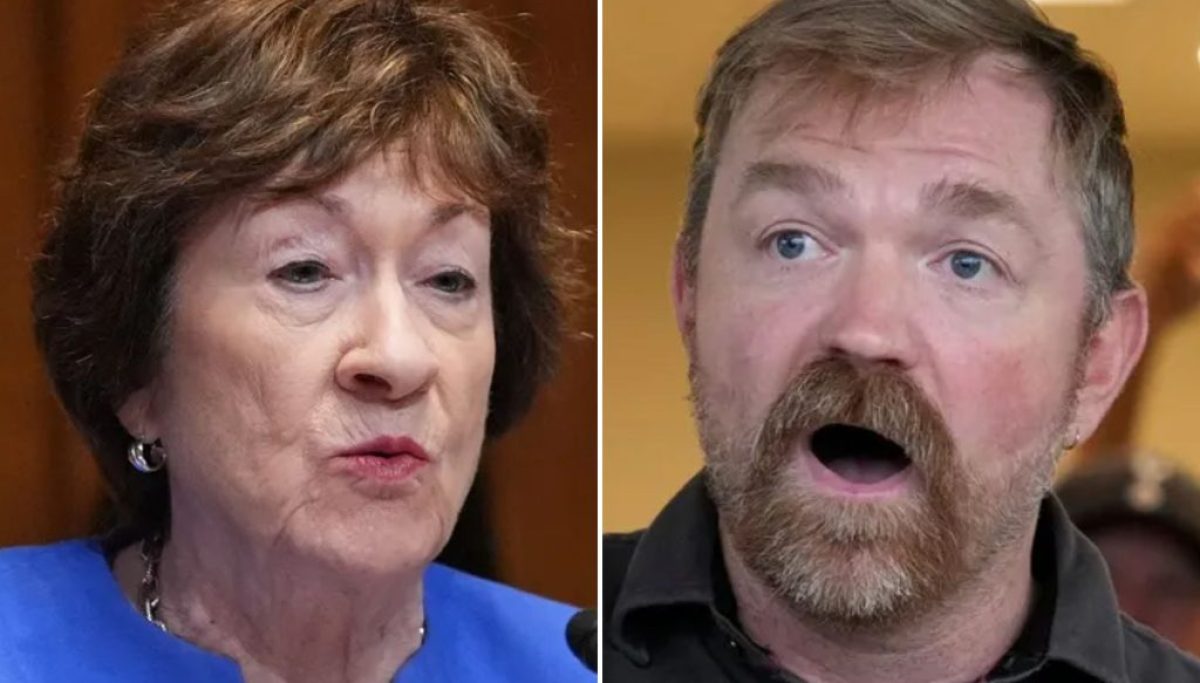
On an almost daily basis, embattled candidate for U.S. Senate Graham Platner posts about his opponent being “spineless and corrupt.” This isn’t at all unheard of from a politician. It’s expected in the lead-up to Election Day. Platner is looking to unseat longtime Republican incumbent Sen. Susan Collins (R-ME). But these claims about Collins fall especially flat given the extraordinary baggage Platner brings to the table. Platner presents himself as an everyman whose gruff, outdoorsy demeanor makes him relatable. But his history sets him apart, and not in a good way. He is certainly not a representation of masculinity. In fact, Platner’s brand is best described as “toxic masculinity” — the term often used by the left to describe anything traditional that they view as antiquated. In reality, toxic masculinity is predatory, abusive, and misogynistic. Based on his own words, actions, and claims from former girlfriends, Platner fits the definition perfectly. This is in addition to Platner’s other big problems, like having a Nazi symbol tattooed on his chest.
In contrast to all this stands Collins. The 73-year-old has represented Maine in the U.S. Senate since 1997. She is a known quantity. Unlike her younger, new opponent, Collins is not plagued by personal baggage. Thankfully, her history is downright boring compared to Platner’s. Professionally, she is no conservative. In terms of her standing in the Republican Party, Collins is considered a moderate. She’s exactly what one might expect of a Republican from the New England state of Maine. She self-describes as pro-choice. Collins opposed President Trump’s Muslim ban in 2017. She was part of a bipartisan group of senators who, in 2022, came together in agreement regarding gun control. That same year, she voted in support of the Respect for Marriage Act, signed by President Biden, which protects same-sex marriage. Her voting record reflects a lower rate of agreement with President Donald Trump. Labeling Collins in the way Platner’s campaign does is the definition of desperation. She is not a threat to Democrats. In fact, committed conservatives are more likely to see her as a weak member of the party who just barely fits the definition of the GOP. Susan Collins and Graham Platner (AP photos)