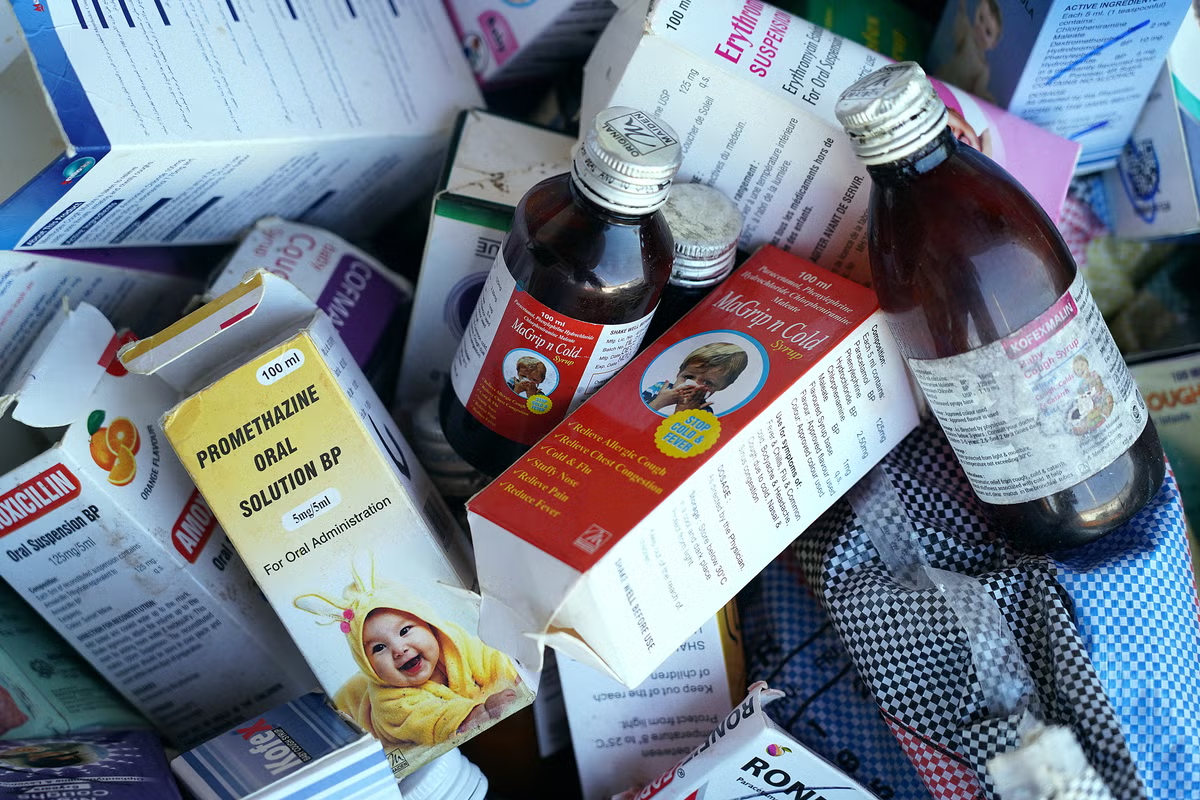
The government has banned the manufacture, sale and distribution of 16 fixed-dose combination (FDC) drugs in India after a regulatory review found that these medicines did not have sufficient therapeutic justification, ET's Teena Thacker reported. The ban, which covers certain antibiotics, topical products, cosmetic formulations and other drug combinations, has come into effect immediately under Section 26A of the Drugs and Cosmetics Act, 1940.Why were these 16 fixed dose combination drugs banned?The review of these fixed-dose combinations started in 2021 following concerns over the rationality and safety of certain formulations available in the market.Experts examined scientific studies, clinical evidence and submissions from manufacturers before reaching their conclusion. After stakeholders were given an opportunity to provide supporting data, the DTAB Sub-Committee submitted its final recommendations on December 28, 2024.The committee concluded that these combinations lacked adequate therapeutic justification and recommended their prohibition in the larger public interest.Fixed dose combination drug banned listAmoxicillin + Serratiopeptidase + Lactobacillus SporogenesAmoxicillin + SerratiopeptidaseAmoxicillin + Cloxacillin + Lactic Acid Bacillus + SerratiopeptidaseCefuroxime + SerratiopeptidaseCefadroxyl + ProbenecidDicyclomine + Paracetamol + Clidinium Bromide + ChlordiazepoxideDicyclomine + Paracetamol + Clidinium BromideAloe Extract + Allantoin + Alphatocopherol Acetate + D-Panthenol + Vitamin AAloe Extract + Vitamin E + Dimethicone + GlycerineAloe Vera + Jojoba Oil + Vitamin EAloe vera + Orange oilAloe vera + Vitamin E + HerbalParacetamol + LignocaineGliclazide + Chromium PicolinateTwo additional fixed-dose combinations reviewed by the committee were also prohibited after being found without adequate therapeutic support.Antibiotic combinations raised major concernsAmong the banned medicines, several antibiotic combinations faced scrutiny from experts.The combination of Amoxicillin and Serratiopeptidase was considered unjustified as experts found no strong clinical evidence supporting the combined use of both ingredients. The same concern was raised for formulations where Serratiopeptidase was added with antibiotics such as Amoxicillin and Cefuroxime.Experts also found that Cefadroxyl + Probenecid lacked sufficient pharmacokinetic data to establish the need for combining both medicines.Antispasmodic combinations found irrationalTwo combinations involving Dicyclomine were also removed from the market.Experts found that Dicyclomine already provides anticholinergic and smooth muscle relaxing effects. Adding Clidinium Bromide, another anticholinergic ingredient, was considered unnecessary and without additional therapeutic benefit.Cosmetic and topical products also includedThe ban also covers multiple topical and cosmetic combinations containing ingredients such as Aloe Vera, Vitamin E, oils and moisturising agents.The expert committee raised concerns over some formulations being poorly defined and inadequately characterised from a regulatory perspective.“Some of these combinations drew additional criticism as the formulation was found to be poorly defined and inadequately characterised making it even more problematic from a regulatory standpoint,” said an expert on the condition of anonymity.Diabetes and pain-related combinations removedThe government also banned Paracetamol + Lignocaine after the review found no established therapeutic justification and raised concerns over possible risks.Another combination, Gliclazide + Chromium Picolinate, was prohibited as experts noted that Chromium Picolinate is not part of standard diabetes treatment guidelines in India or internationally.The government’s action is aimed at removing irrational drug combinations from the market and ensuring that medicines available to patients are supported by scientific evidence and medical guidelines.
16 fixed-dose combination drugs banned in India: Check full list here
Fixed dose combination banned full list: India has banned 16 fixed-dose combination drugs, including certain antibiotics and antispasmodics, deeming them therapeutically unjustified. Regulatory reviews found no proven medical benefits for these combinations, prompting immediate prohibition under the Drugs and Cosmetics Act. This move aims to ensure only scientifically validated medicines are available to the public, removing irrational formulations from the market.
502 words~2 min read