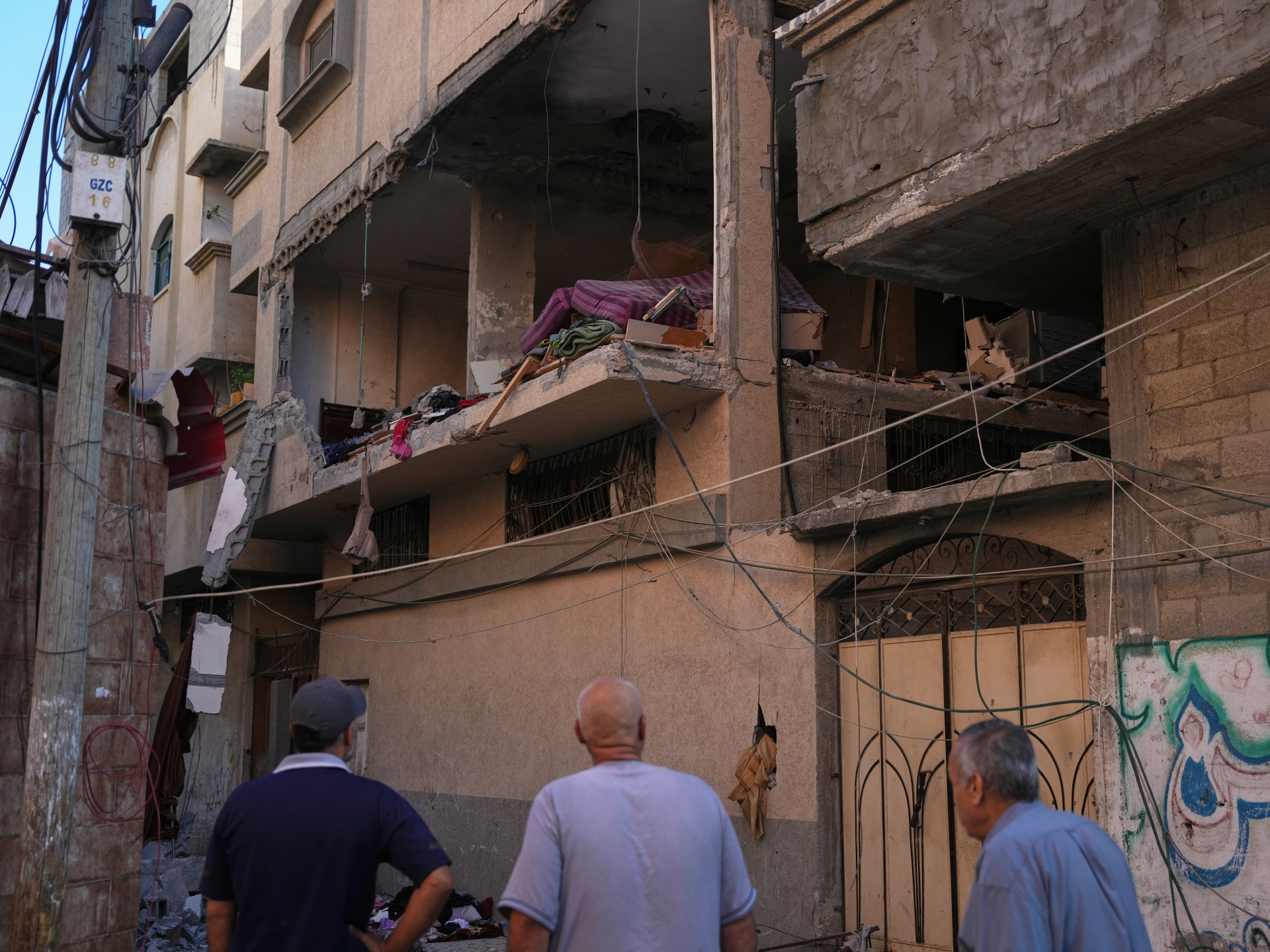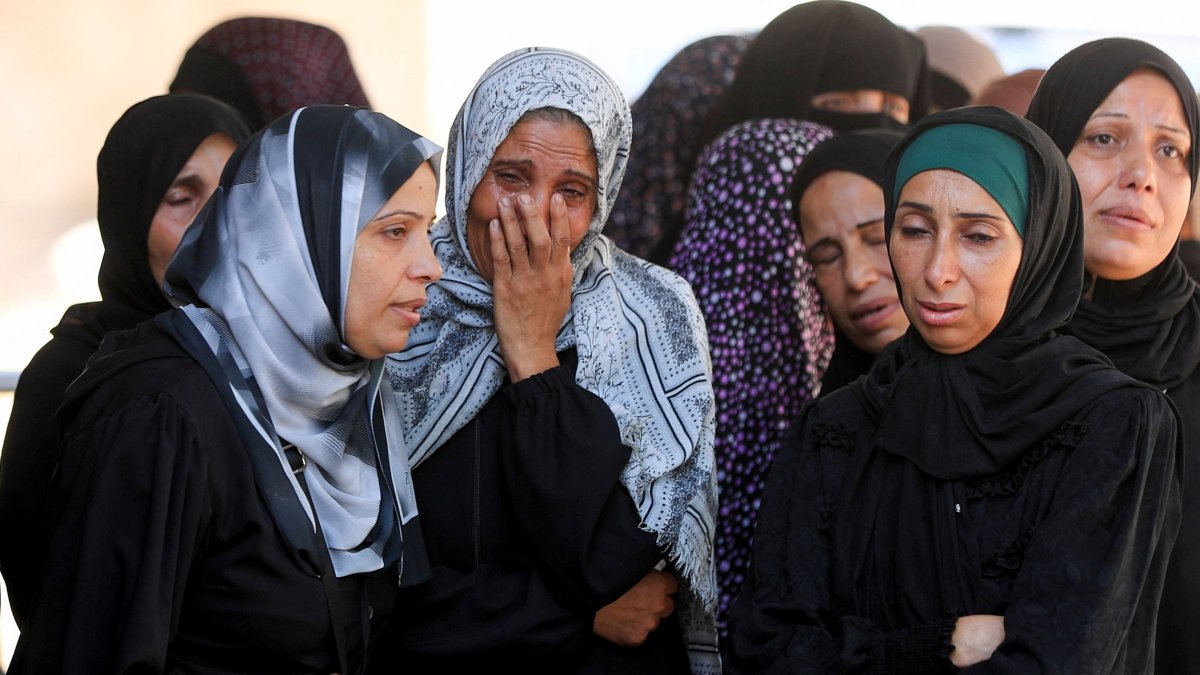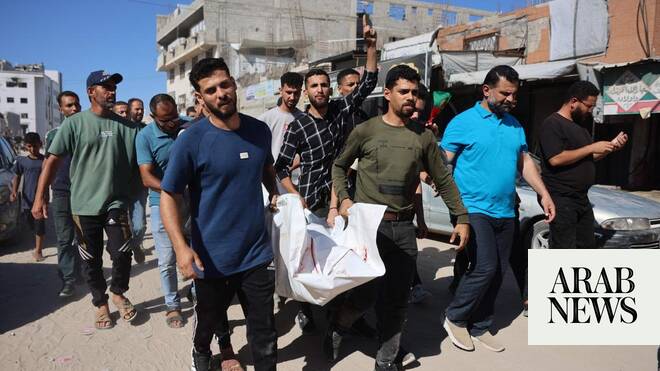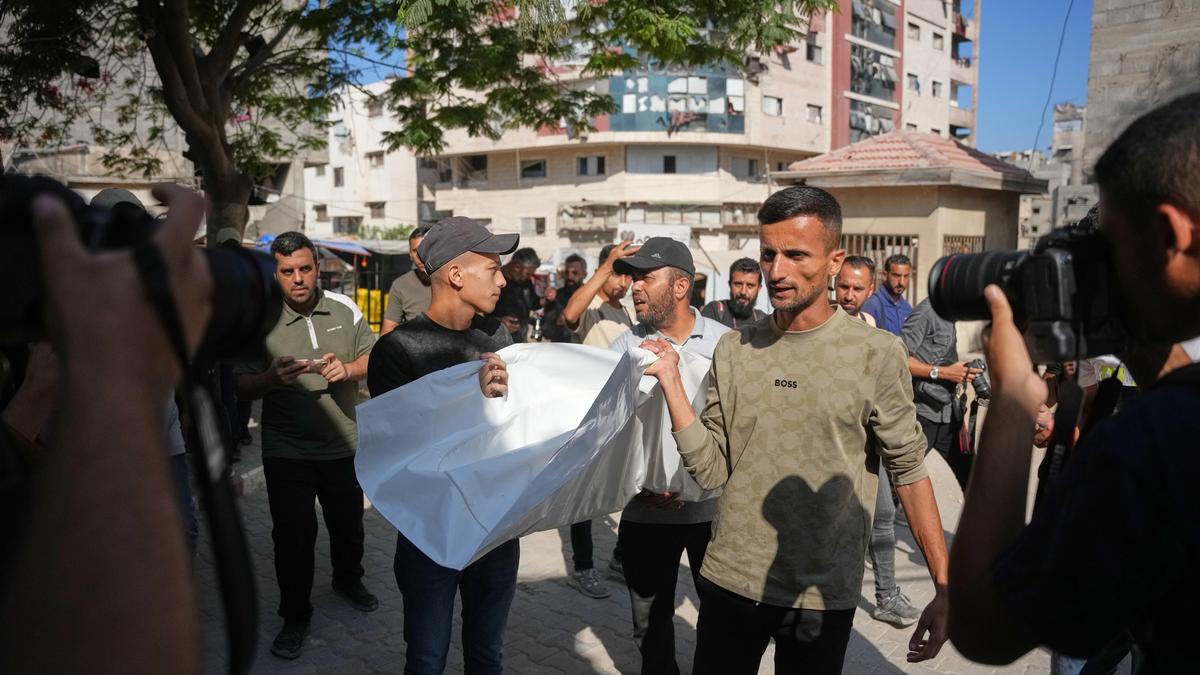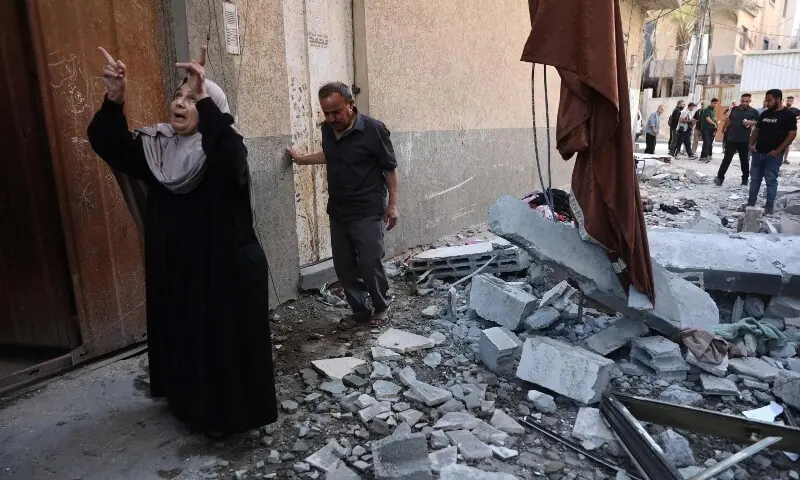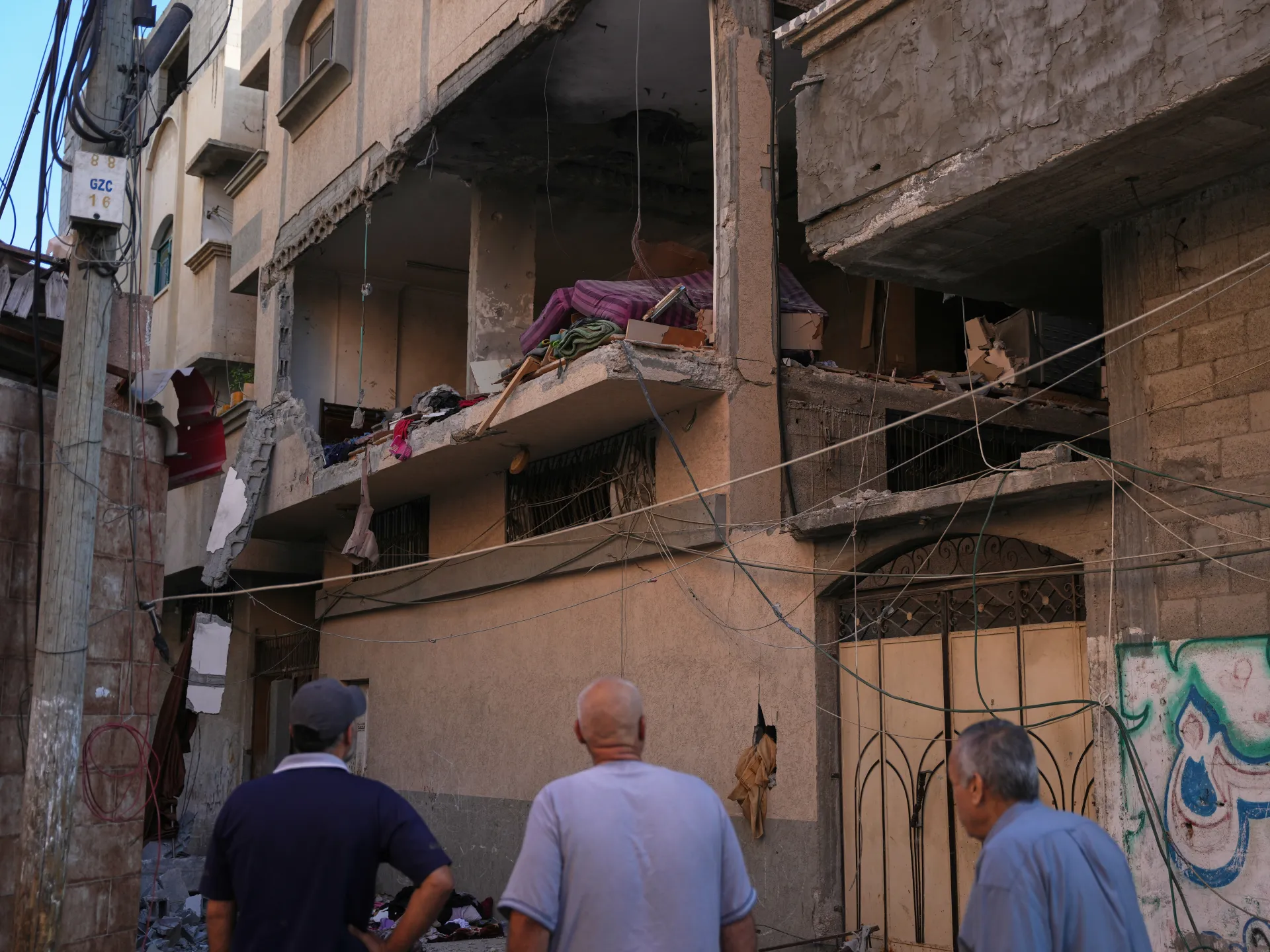
Israel has repeatedly violated the October ceasefire brokered by the US.At least five people have been killed in Gaza after overnight Israeli strikes hit a residential area in the besieged enclave.The attacks early on Saturday hit a building on al-Thalatini Street in Gaza City, medical sources told the Wafa news agency.Recommended Stories list of 4 itemslist 1 of 4Israel kills ‘a child a day’ on average in Gaza despite ceasefire, UN sayslist 2 of 4Young Palestinian women learn AI to tell stories of war on Gazalist 3 of 4More than 1,000 killed in Israel attacks on Gaza since ceasefirelist 4 of 4Gaza fans chase World Cup joy amid blackout, displacement and warend of listAmong those killed were a father and his two daughters. The mother was wounded and died later on Saturday. Several others were injured.“The area had not received any prior warning before the strikes,” said Al Jazeera correspondent Tareq Abuo Azzum, reporting from Gaza. “This is a grim reality that’s growing day in, day out.”Five people were injured earlier on Friday evening after Israeli air strikes targeted a tent sheltering displaced families in the al-Mawasi area of Khan Younis.Meanwhile, Wafa reported heavy gunfire on Saturday coming from Israeli naval vessels off the coast of southern Gaza.Since a ceasefire brokered by the United States in October, at least 1,007 people in Gaza have been killed while 3,165 others have been wounded, according to health authorities.At least 73,018 people have been killed in the Gaza Strip since the start of the war in October 2023.Israel restricts the entry of food, medical aid and shelter materials into Gaza, where about 2.2 million people have acute humanitarian needs. Israel’s military also continues to occupy large swaths of Gaza.
Family, including two daughters, killed in Israeli strikes on Gaza
Israel has repeatedly violated the October ceasefire brokered by the US.
TL;DRAI
Israeli airstrikes killed five in Gaza City, including a father and two daughters; 1,007+ deaths since October ceasefire. Middle East tensions elevate geopolitical risk for global enterprises with regional exposure or supply chain dependencies.
286 words~1 min read