(Image credit: Getty Images)
As summer temperatures soar, most homeowners will crank up the air conditioner to stay cool. But with this comes the dread of what to expect when you open your next energy bill.However, according to HVAC experts, this common habit is costing you money and putting unnecessary strain on your system.Mastering your thermostat — even if it's one of the best smart thermostats — isn’t about hitting a magic number, but understanding how minor adjustments, smart scheduling and humidity control can keep your home cool without costing a fortune.I asked HVAC experts for advice on how to use your AC settings during the summer to ensure comfort without skyrocketing your bill.The golden rules
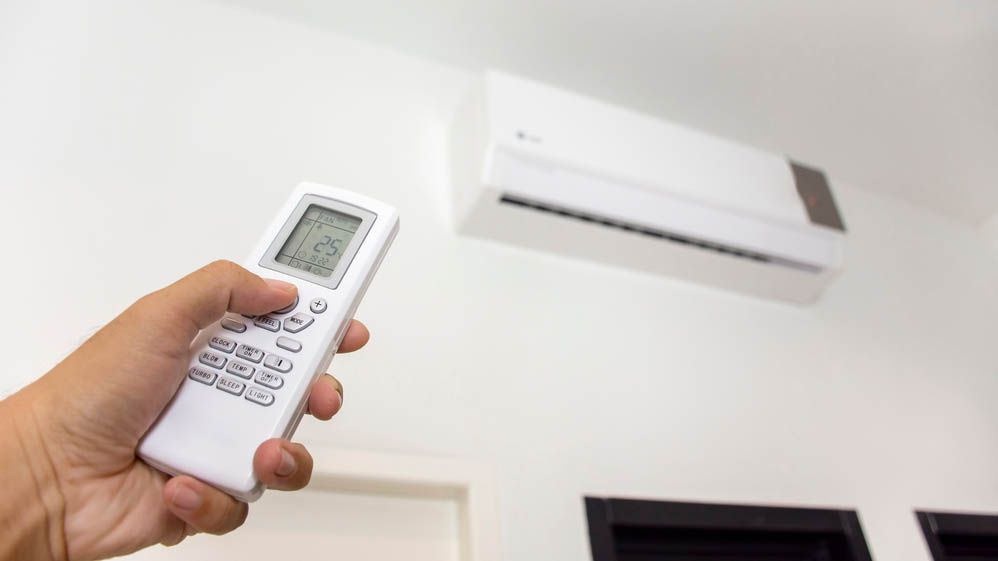
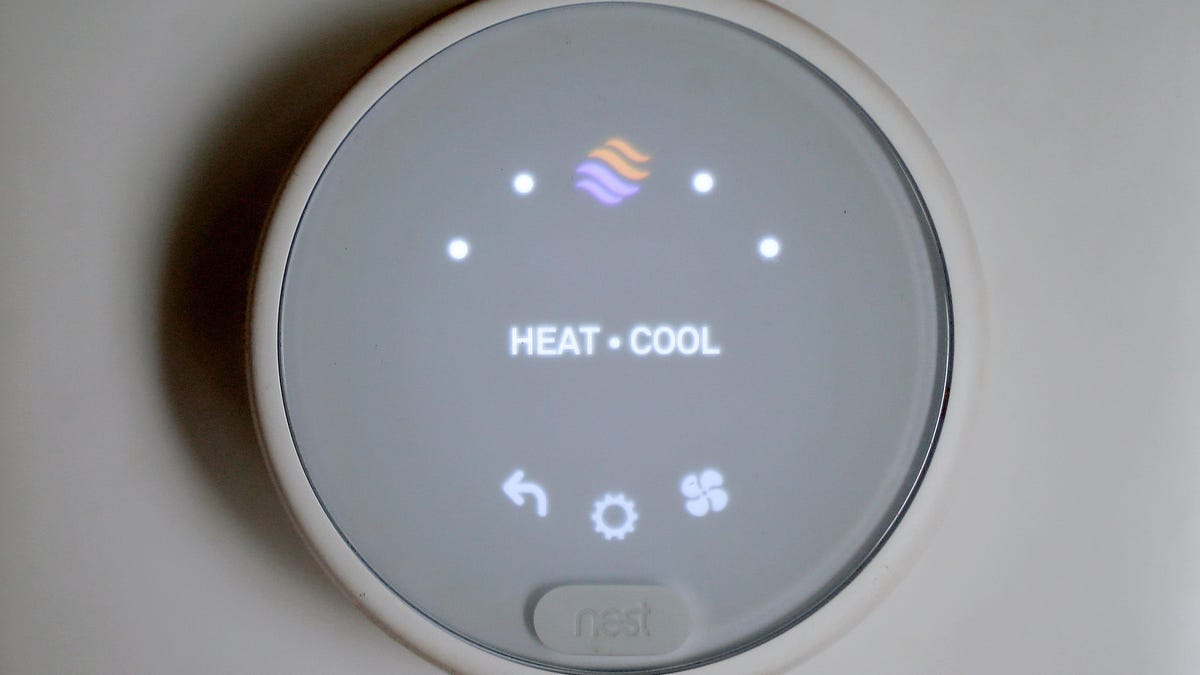
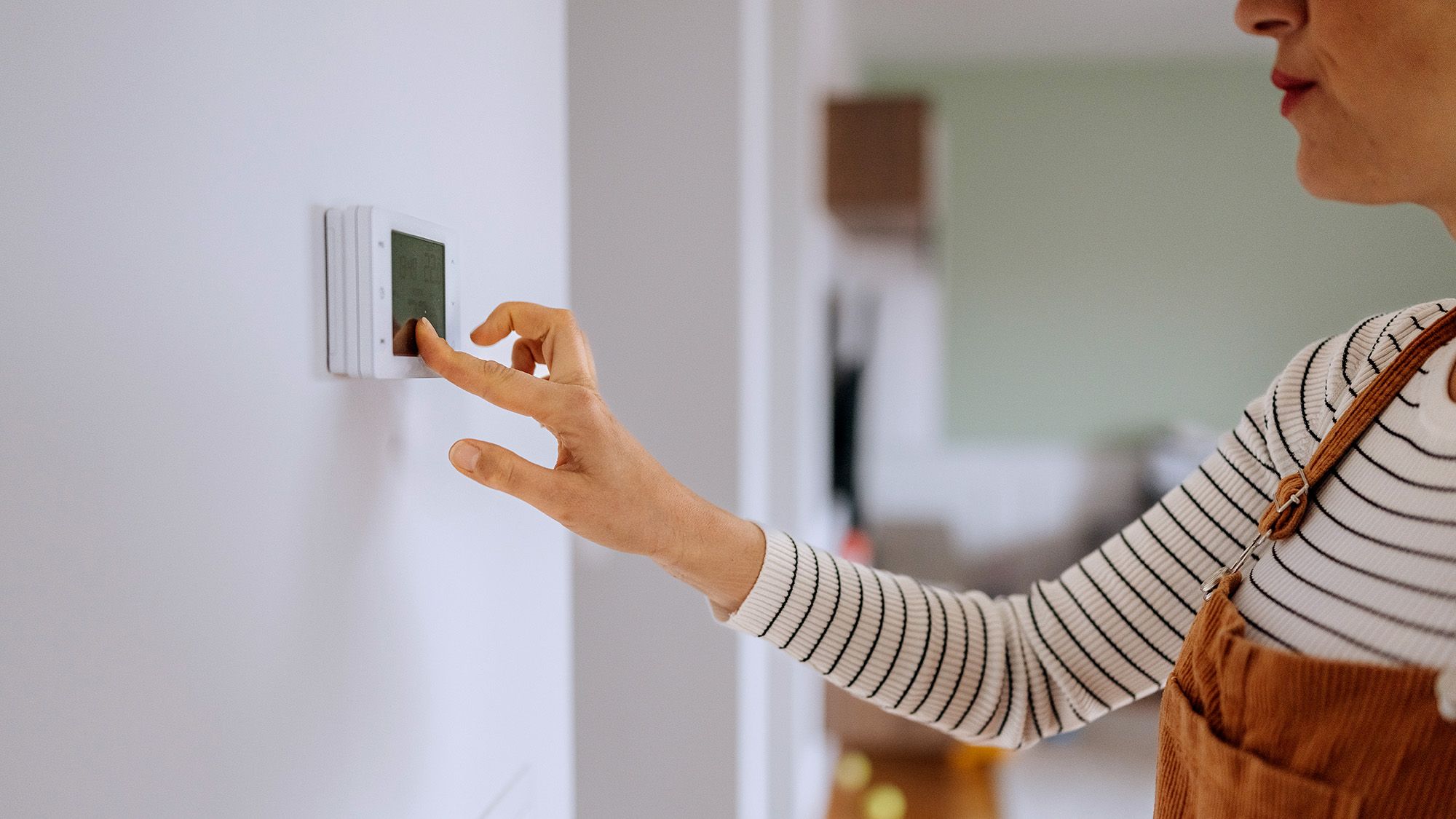
(Image credit: Shutterstock)It's worth sticking to these golden rules if you want to keep control of your energy bill when the temperature soars.Consistency is key"The biggest savings come from consistent, planned temperature changes rather than manual guesswork,” explains Caitlin Butler, Product Manager of Thermostats and Home App for Residential Digital Customers at Trane.Get instant access to breaking news, the hottest reviews, great deals and helpful tips.“This means using scheduled setbacks, so the system runs less when comfort demands are lower, like when you are away or asleep.”Avoid large temperature swingsMarissa Kocaman, senior product manager for Honeywell Home Solutions at Resideo warns, “Frequently lowering the temperature to cool a room faster or constantly adjusting the set point can lead to unnecessary cycling, uneven comfort, and higher energy use.”Use your thermostat wiselyYou'll save the most by using your thermostat wisely and not keeping it at the same setting all day. Scott Leven, Vice President at Levco, explains, “Always set the temp a few degrees higher when you are away, and keep it on ‘Auto’ instead of ‘On’, so it doesn’t continuously cycle and overwork your system.”What happens when you keep your AC ‘On’?Making your fan run constantly won’t make your house any cooler. "The only thing the fan does is circulate air, which helps with uneven heating and cooling, but it doesn’t make your AC run any differently, so you won’t get any cooling benefits," Leven explains.Top tip to save energyRyan Osterkamo, owner at Quality Comfort Home Services, says, "Most ACs are designed to cool your home about 15-20°F max lower than the temperature outside. If you can keep your home closer to 5-10°F degrees cooler than outside, you’ll be using a lot less energy.”However, if you go more than 20°F below the outdoor temperature, Kocaman warns, "the cooling system may not be able to consistently maintain the desired setpoint."The ideal thermostat setting is based on 3 tiers