The Quest Begins (The "Why")
Picture this: I’m hunched over my laptop at 2 a.m., surrounded by empty coffee mugs, trying to get a simple Node.js API to run on a friend’s Windows machine. I’ve got the code, I’ve got the dependencies, but every time I hit npm start on his box I’m greeted with “Cannot find module ‘left-pad’” (yeah, I know, that’s a meme, but it felt real). It was like trying to cast a spell in Harry Potter while forgetting the wand‑movement — nothing happened, and I felt like a Muggle in a wizard’s duel.
That night I realized the real dragon wasn’t the buggy code; it was the “it works on my machine” curse. I needed a way to package everything — the runtime, the libraries, the environment variables — into a single, portable chest that any teammate (or future‑me) could open and instantly get the same result. Enter Docker, the holy grail of reproducibility. If The Matrix taught us anything, it’s that once you see the underlying code, you can bend reality. Docker lets you see the container code and then bend your deployment reality to your will.
The Revelation (The Insight)
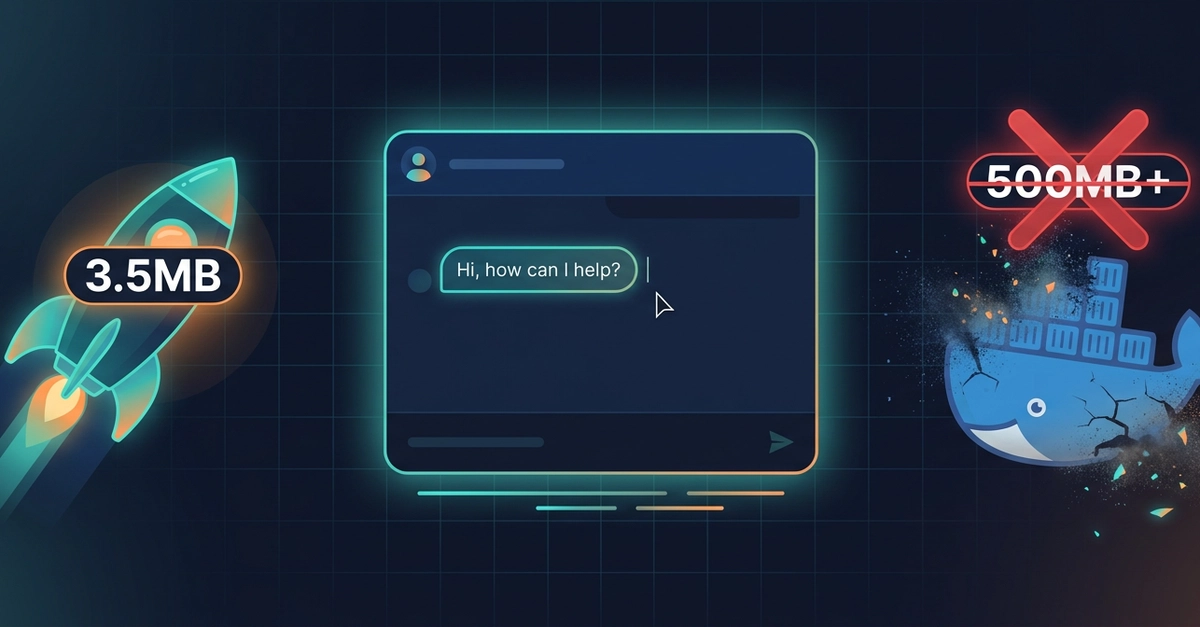
The big “aha!” came when I stopped thinking of Docker as just another VM and started seeing it as a lightweight, immutable snapshot of my app’s filesystem. Unlike a full VM that boots an entire OS, a Docker container shares the host kernel but isolates everything else — think of it as the Inception dream‑within‑a‑dream, but each layer is a read‑only snapshot you can stack like LEGO bricks.