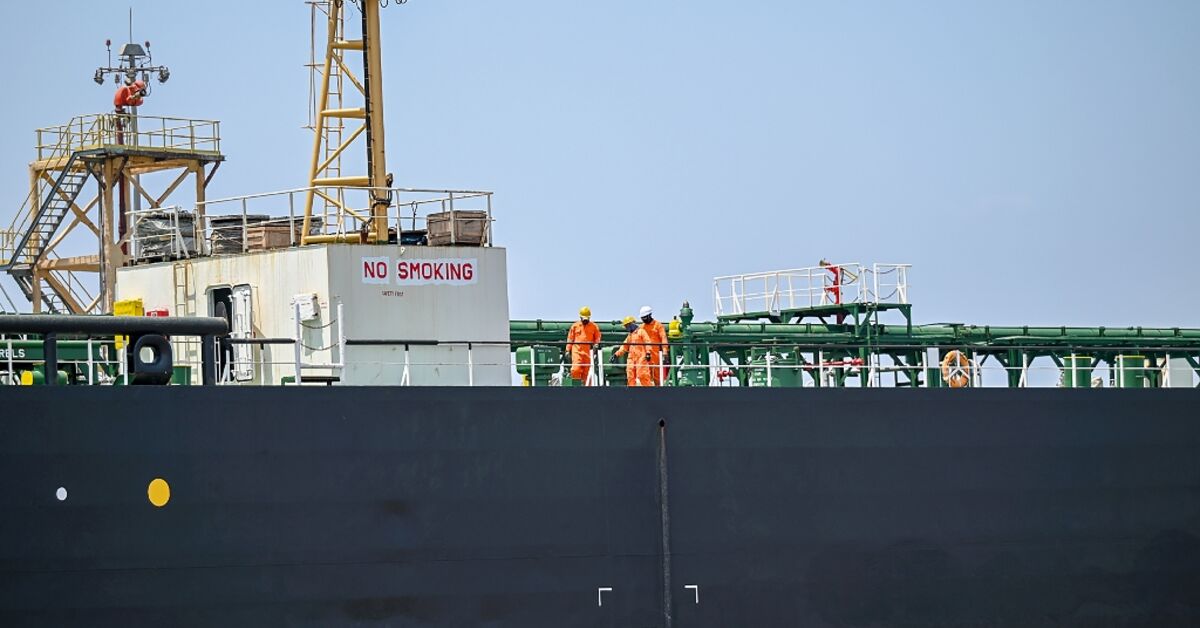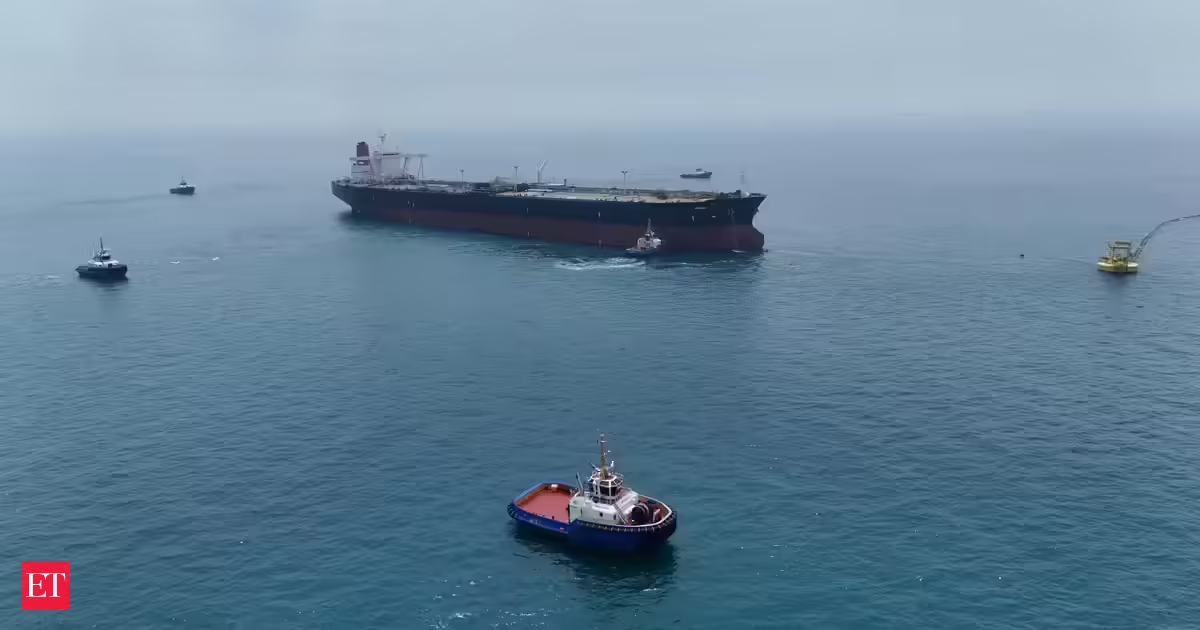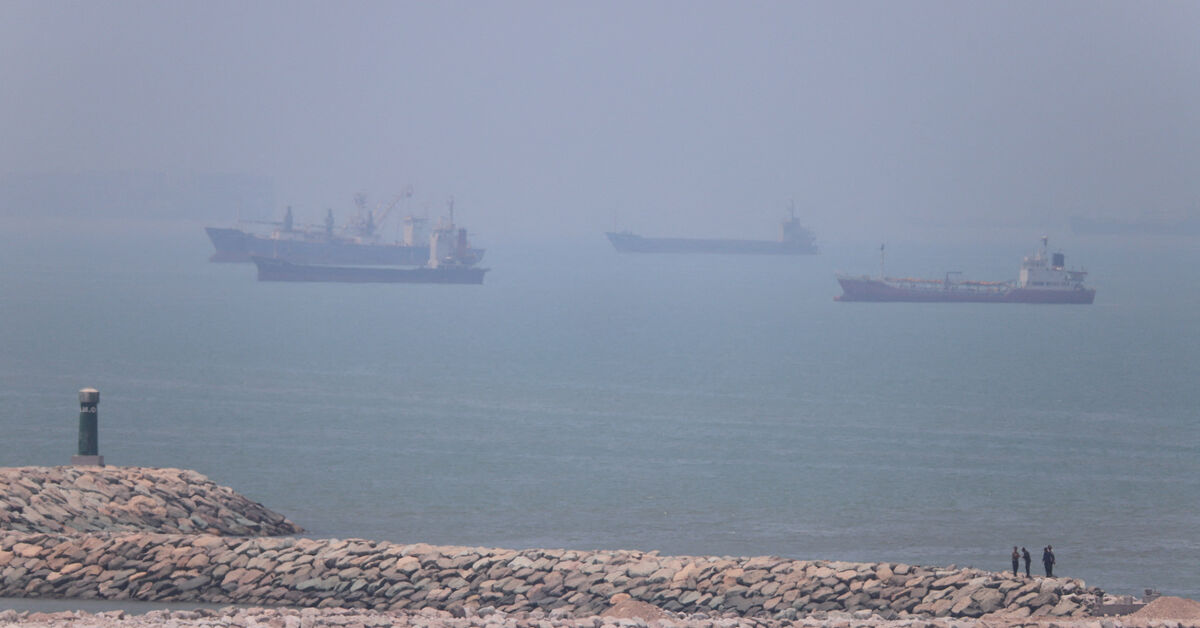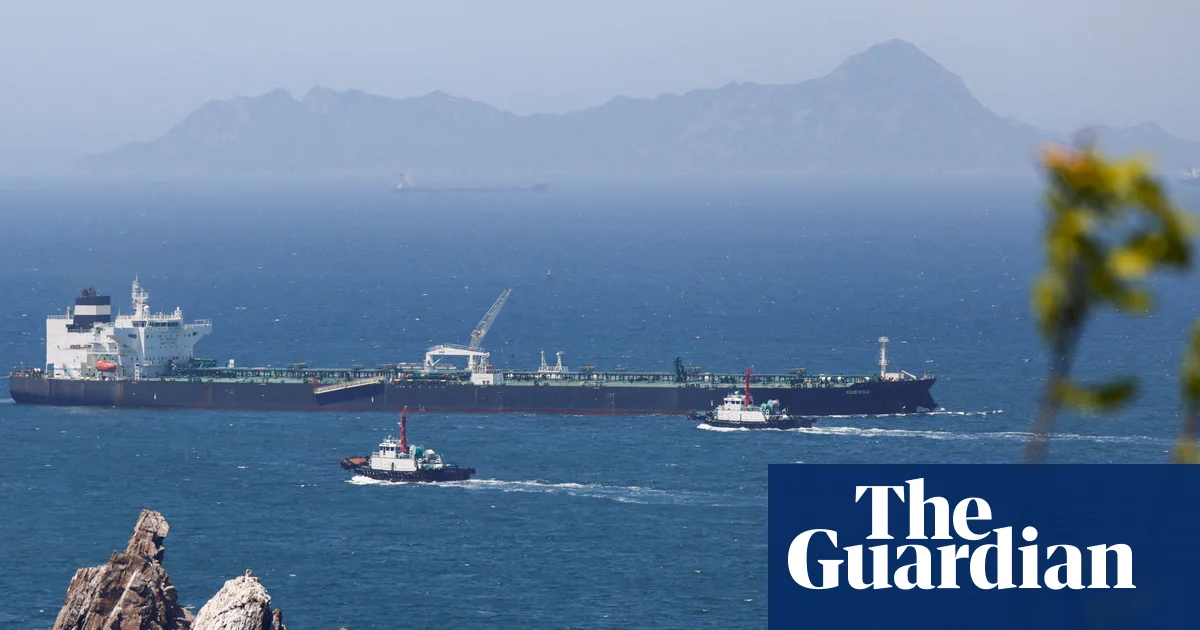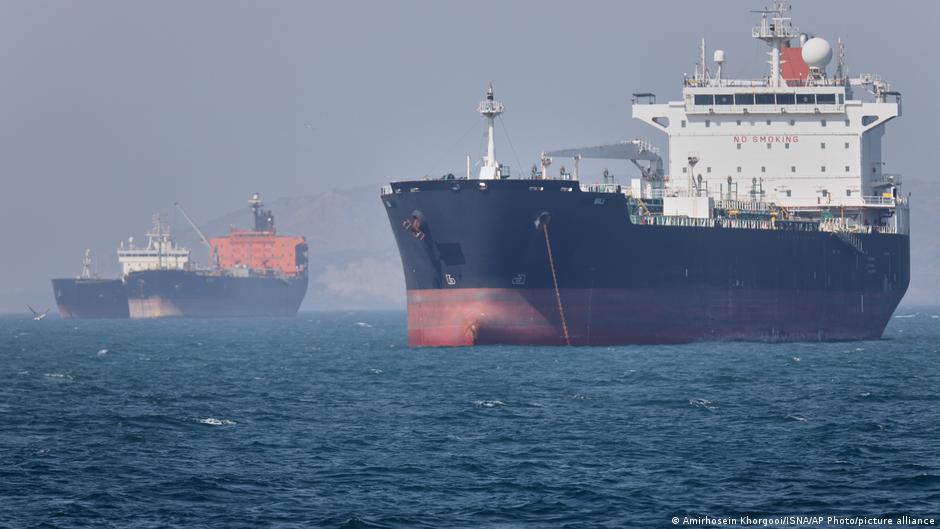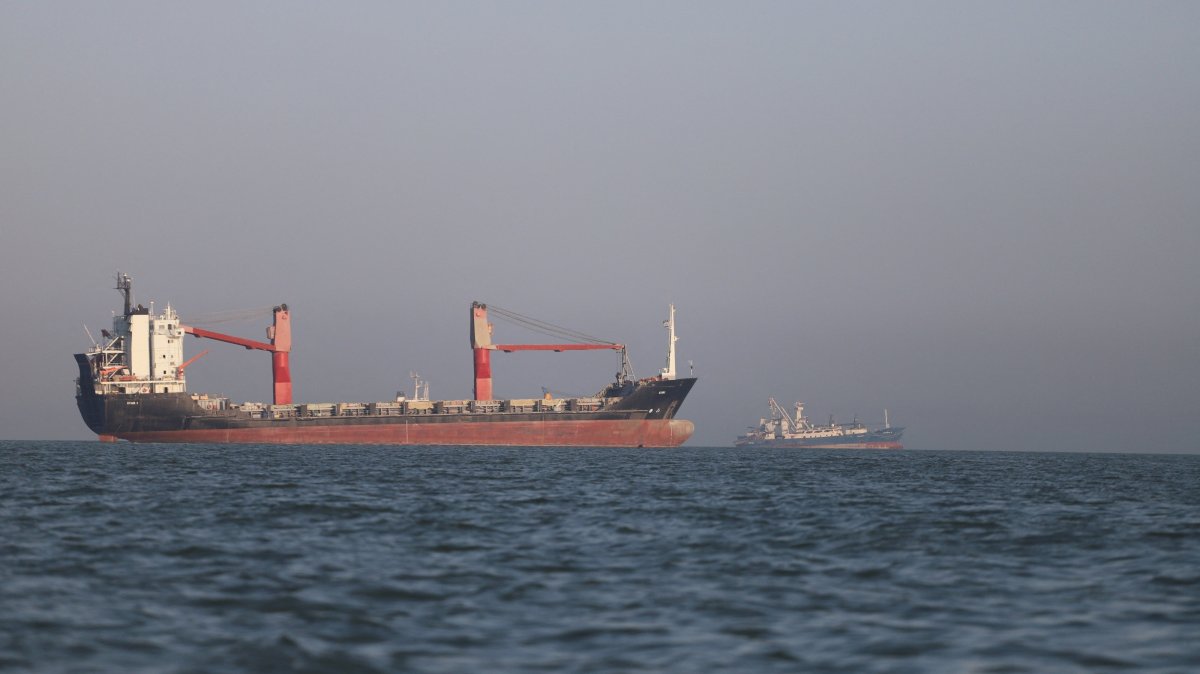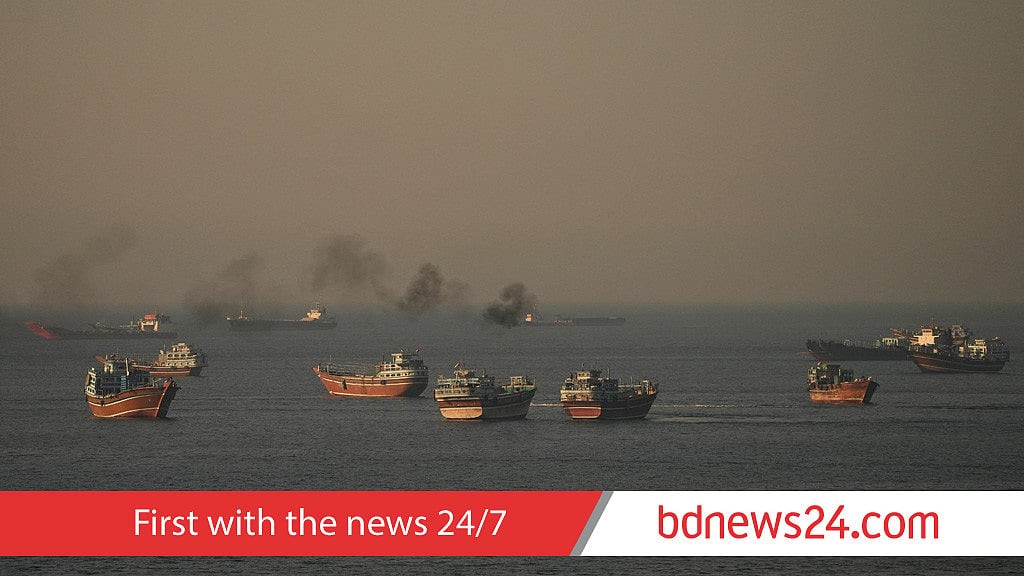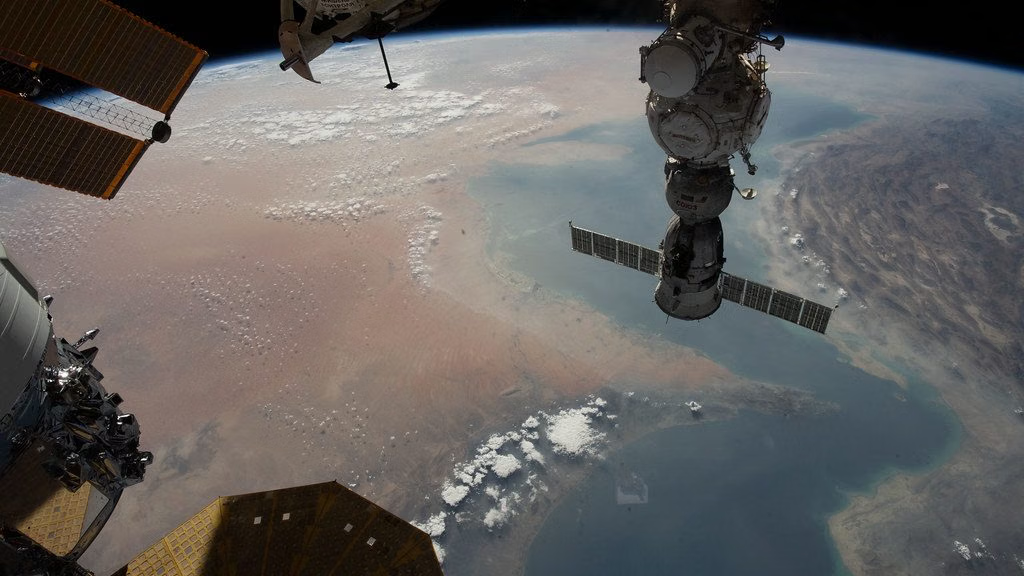
Within hours of the interim peace deal being signed by the US and Iran on Wednesday, three Saudi supertankers emerged outside the strait, among the first in a swelling flow of traffic.Other players are more circumspect and want further reassurances on a demining program and the order that ships will be allowed out of the gulf. But the deal signed by US President Donald Trump and his Iranian counterpart Masoud Pezeshkian should be the signal for oil wells and refineries dotted across the region to crank into gear — a restart so big that it should be visible from space, where thousands of megawatts of heat signatures will be picked up as fields burn off gas.Read: Kuwait Oil Chief Says Output to Swiftly Rise to Prewar Level “We should be able to restore normal operations across this entire market within the next six months, provided that we truly return to a period when the strait is open,” Patrick Pouyanne, chairman and chief executive officer of TotalEnergies SE, told the French parliament on Wednesday. “Everyone will be watching to see what’s actually happening on the ground.”Critical for the Gulf states, the restart of production and barrels flowing out of Hormuz also offers the prospect of lower energy prices and an easing of the inflation fears of central bankers across the world. For Trump it has the added attraction of lowering fuel prices ahead of November’s midterm elections and giving the US an opportunity to restore inventories that have hit bare-minimum levels.To run smoothly, the reopening needs to be properly choreographed with ships in the right place, wells restarted, infrastructure repaired and agreement on a demining operation. It could easily be derailed if not enough owners are willing to enter Hormuz soon enough to carry the barrels, or if Iran begins imposing tolls as the interim deal implies it could or if Trump’s peace plan falters and hostilities resume.At times during the last four months, Gulf oil exports were down almost 15 million barrels a day — a 60% drop from where they were in February. And benchmark crude prices topped $126 a barrel, a price that didn’t go higher in recent months only because of record releases from emergency oil reserves and plunging demand which helped ease global supply shortages. Iranian attacks have caused about $42 billion of damage to major facilities from refineries to pipelines, consultant Rystad Energy estimates. Imposition of a US blockade designed to curb Iranian oil revenues further halted traffic. Some refining units could take months to fully return, say senior oil executives.And all the time more than 100 oil-laden tankers with hundreds of crew members onboard have been stuck inside the Persian Gulf, analysts at shipbroker E.A. Gibson estimate.Saudi and Emirati officials are bullish about how quickly they can restore crude flows. Restarting the refineries that process oil into consumable fuels will likely be a longer-term process, requiring bespoke equipment and complex engineering. Collectively, the six largest refining plants in the region had about 1.4 million barrels a day of processing capacity offline, according to IIR Energy, which analyzes such data, a volume that is more than a fifth of the amount of refined fuel exported through Hormuz before the war.Not all producers have had the same success in keeping their fields running optimally while the conflict raged. Saudi Arabia and the UAE were able to divert some oil supplies through pipelines to Yanbu on the Red Sea and Fujairah in the Gulf of Oman to bypass Hormuz.Even within the same country the picture is confused. One official warns that restoring Iraq’s fields to previous levels will be a slow process because the prolonged shutdown has left wells clogged with substances like paraffin. At the same time, Iraq’s output is already showing signs of an increase, with a top official at the southern Basra Oil Co. saying this week that production had risen by about 500,000 barrels a day from earlier in the war.“Restoring supply on this scale is wholly unprecedented,” said Fraser McKay, head of upstream analysis at consultant Wood Mackenzie, which estimates that 70% of prewar production can be returned within three months and 90% within six months. “There will be pleasant surprises for producers but also setbacks.”In fact, the reopening of Hormuz has been quietly underway for weeks. Each day, a handful of oil tankers, starting with a trickle but more recently carrying as many as five million barrels a day — somewhere between a quarter and a third of the normal prewar traffic — were hugging the coast of Oman and escaping the 21-mile wide waterway.That flow should now turn into a gush if the Middle East’s oil industry restarts in earnest. The heavy lift will see Saudi oilfield engineers, Indian tanker captains and others working around the clock to try and return the oil market to something more closely resembling normality.“You don’t need to be back at 100% of prewar flows right away,” says Saad Rahim, chief economist at commodity trader Trafigura Group, “but you need to be back to at least 50% fairly quickly.”Where Are All The Ships?
Strait of Hormuz reopening to spark oil field restart visible from space
US-Iran deal should be oil wells & refineries' signal to crank into gear—a restart so big it should be visible from space, where thousands of megawatts of heat signatures will be picked up
TL;DRAI
Trump-Iran agreement reopens Hormuz; Gulf producers restart wells shut for 4 months with 15M barrels/day deficit. Commodity price recovery reduces IT infrastructure budgets' energy cost volatility and stabilizes data center TCO forecasts.
1,980 words~9 min read