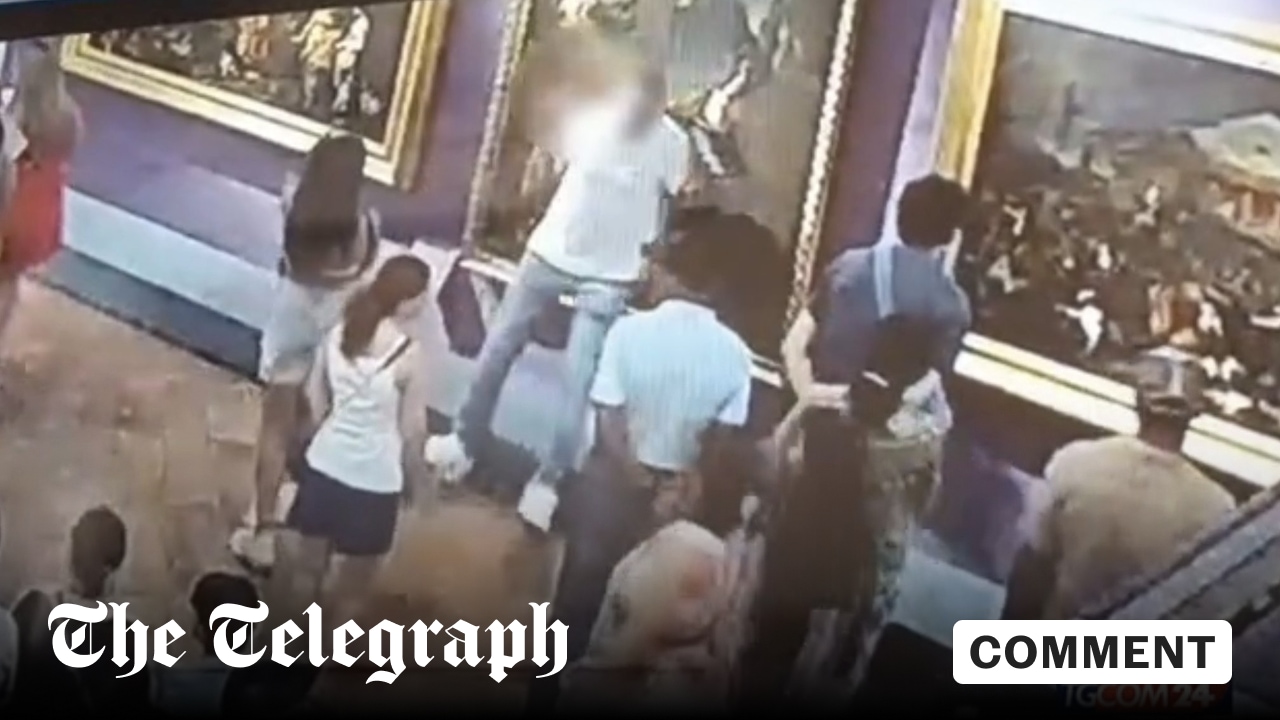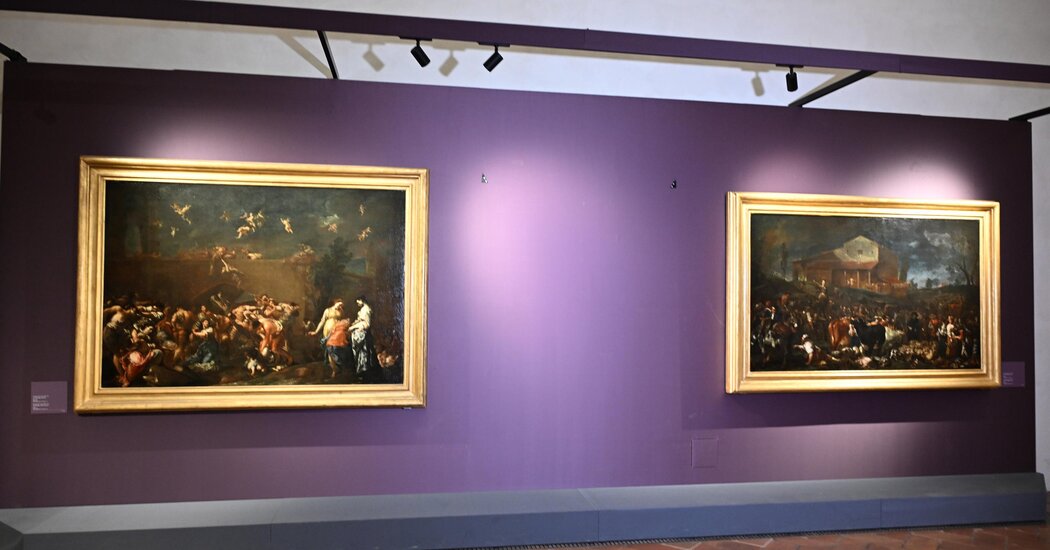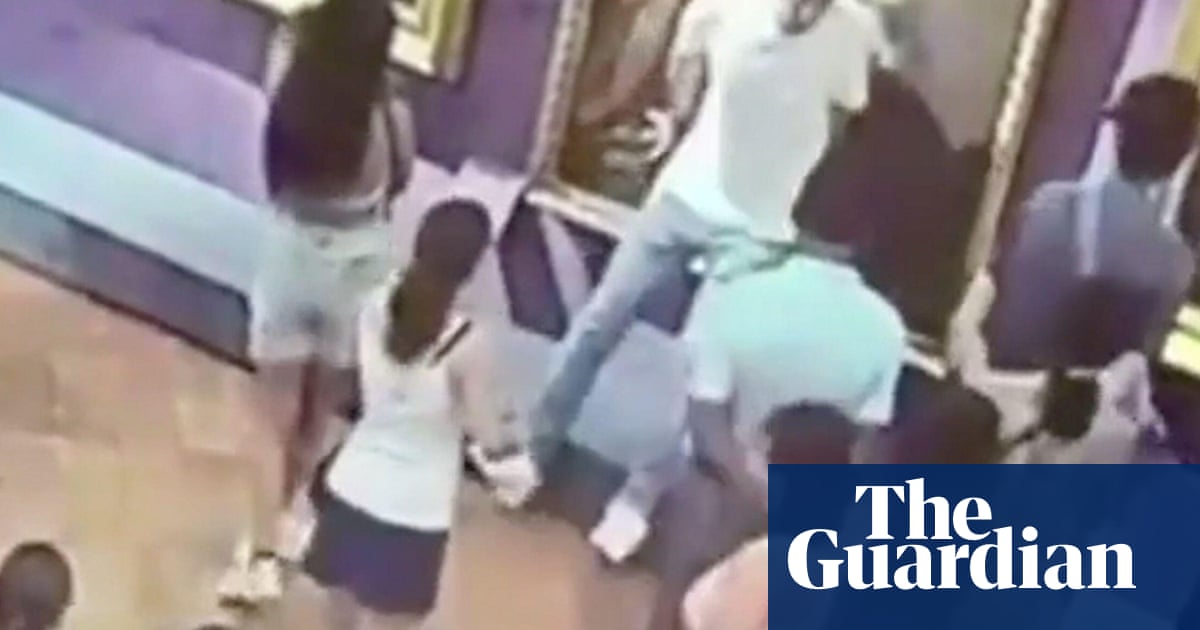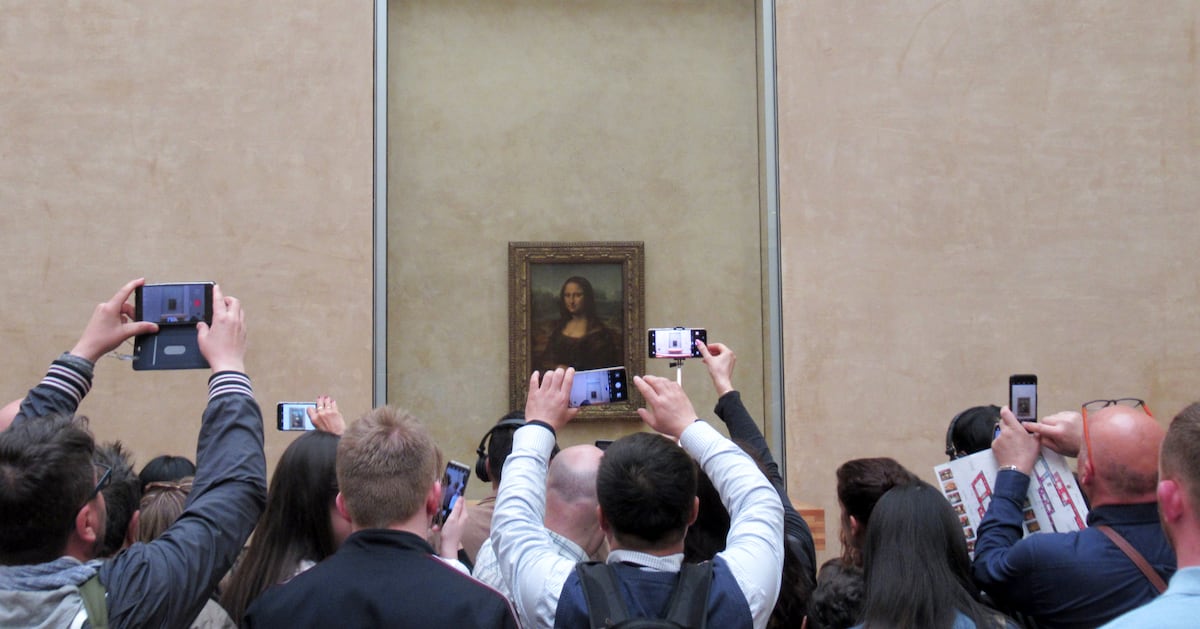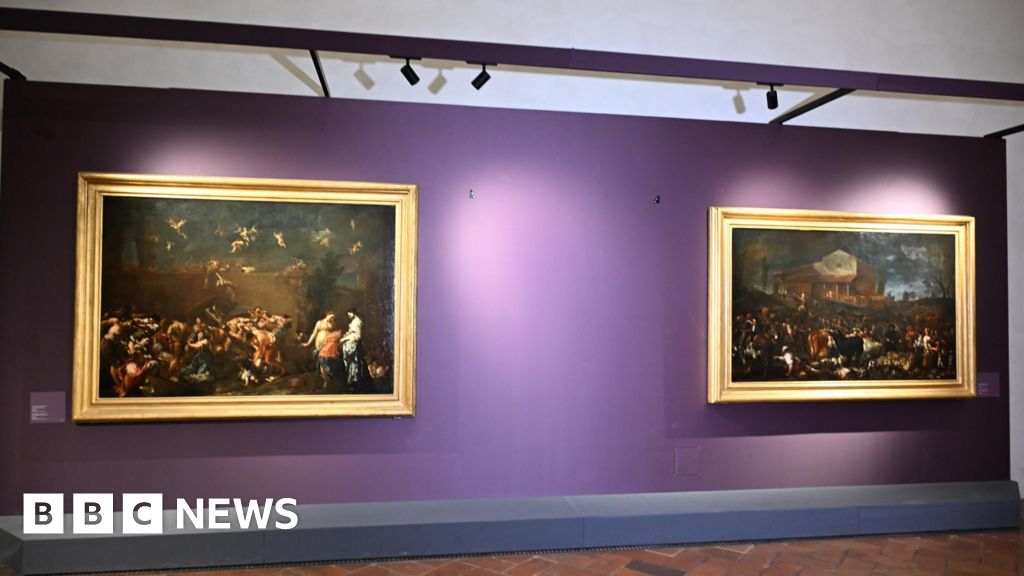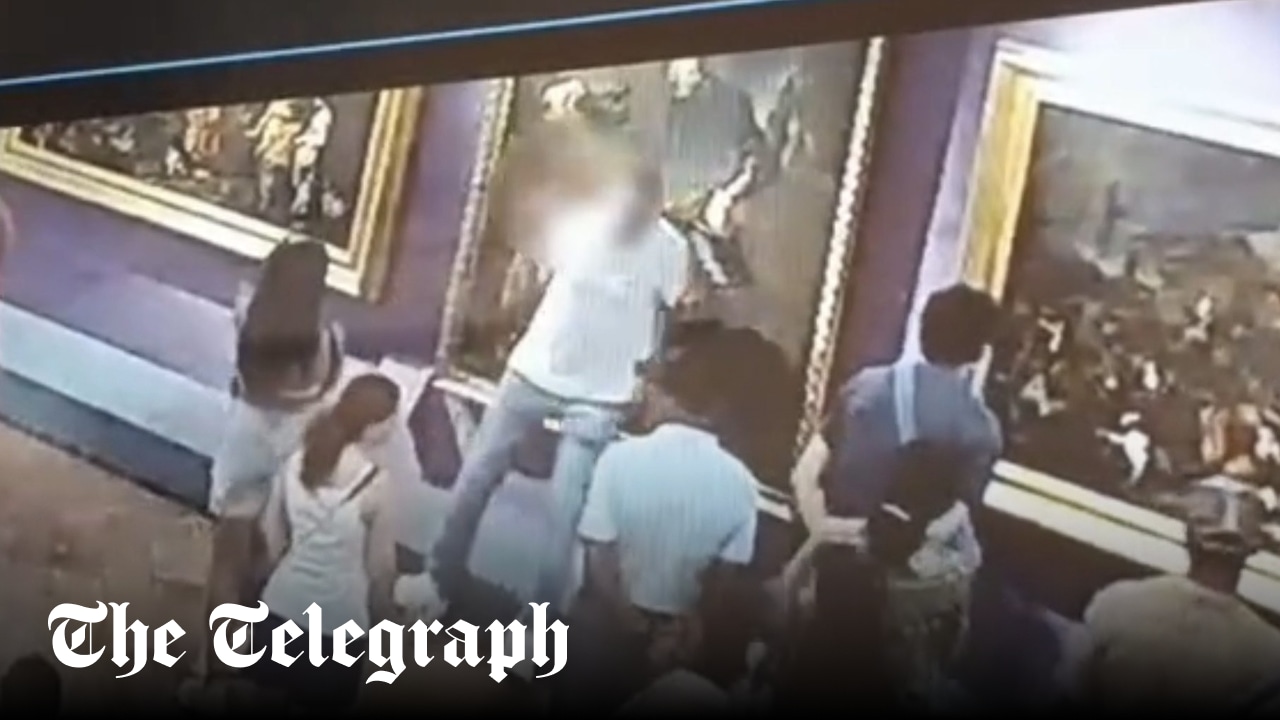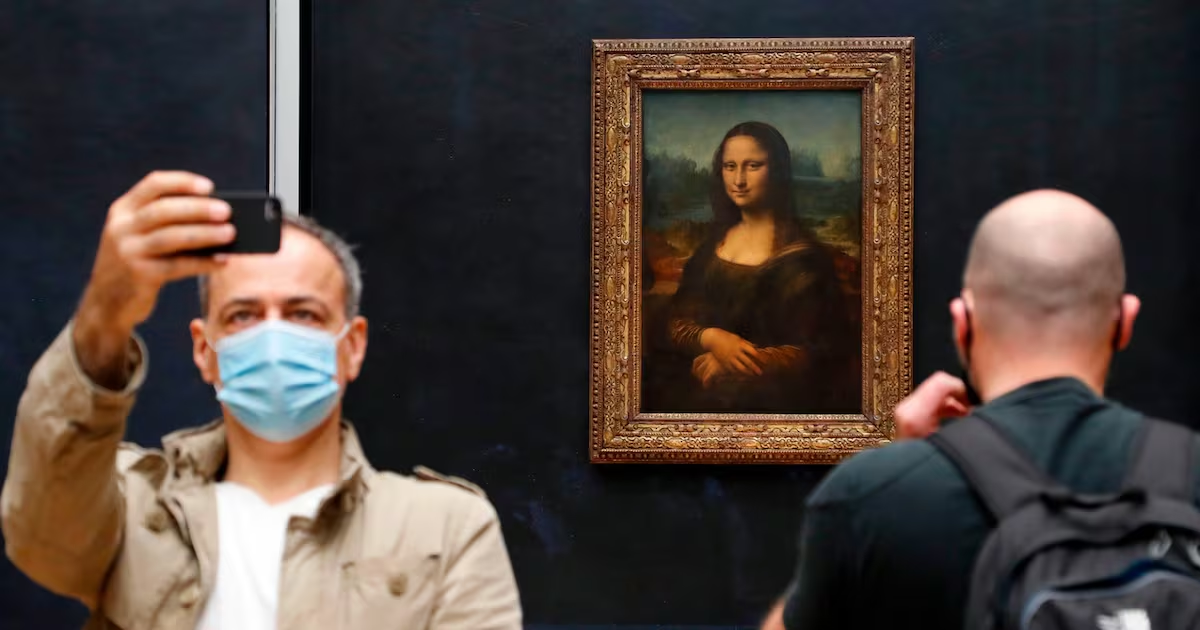
Any visitor to a major European museum will be familiar with the phenomenon: crowded galleries clogged with people who don’t seem focused on viewing the artworks, but more on taking photographs to show they were there.“I’ve seen them. In big museums, they come around, they’ve got their camera, they take pictures of all the main things, they move on, and they’re out,” says Robert Read, who is the head of art and private clients at the specialised insurance company Hiscox.Many visitors primarily view the artwork “through their screens”.“It’s as though they just have to record having been there, rather than to stop, look at the work, and enjoy it,” Read says. For other visitors, “it can be bloody annoying.”It’s a trend that the art and heritage industry has seen rise “exponentially” over the last 15 years as smartphones with cameras became embedded in daily life.Now accompanied by a post-Covid tourism boom that has led to record visitor numbers in top museums around Europe, experts are warning that the behaviour can pose risks to the art.A succession of photo-related accidents in galleries and museums around the world has left a trail of smashed statues and ripped canvases in its wake.The Uffizi Galleries in Florence toughened rules for visitors last year after a man stumbled back over a low barrier in front of a painting. His hand smashed through a 1712 painting of Ferdinando de’ Medici, Grand Prince of Tuscany by Anton Domenico Gabbiani, tearing through the canvas where the artist had captured the lustrous fabric over the prince’s stockinged legs.The gallery linked the incident to the phenomenon of taking photos to post online.Visitors angle for a photograph of the Mona Lisa at the Louvre. Photograph: Andrea Mantovani/The New York Times
The selfie problem: Europe’s museums grapple with problem crowds
Putting the focus on photos dilutes the experience for visitors and has led to a trail of smashed statues and ripped canvases
1,649 words~7 min read