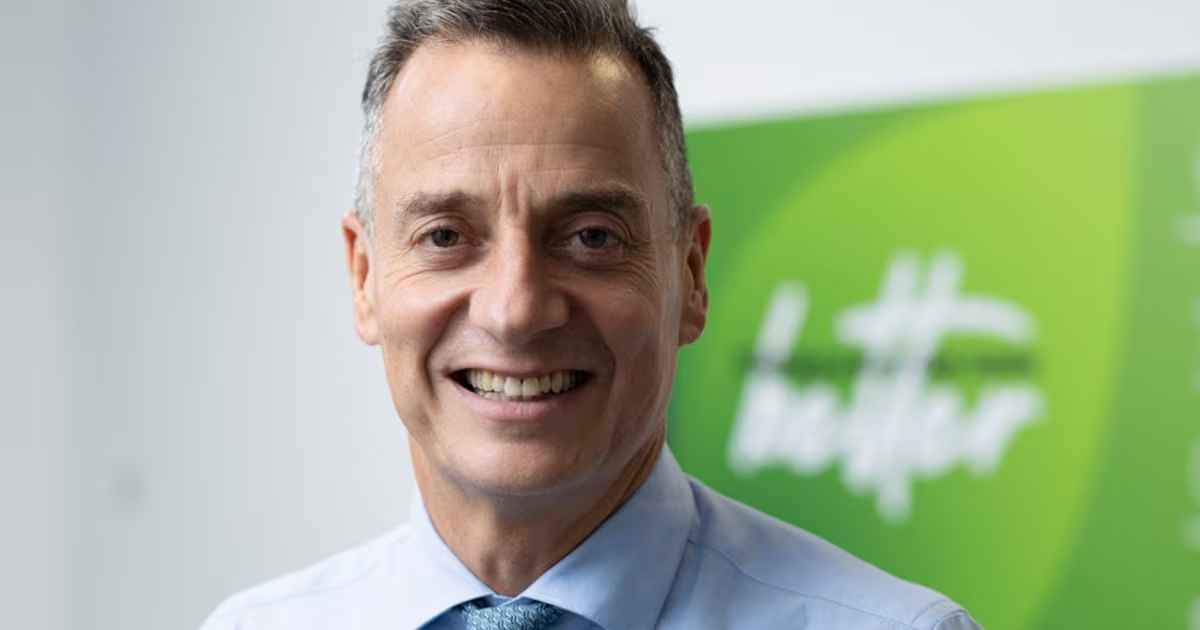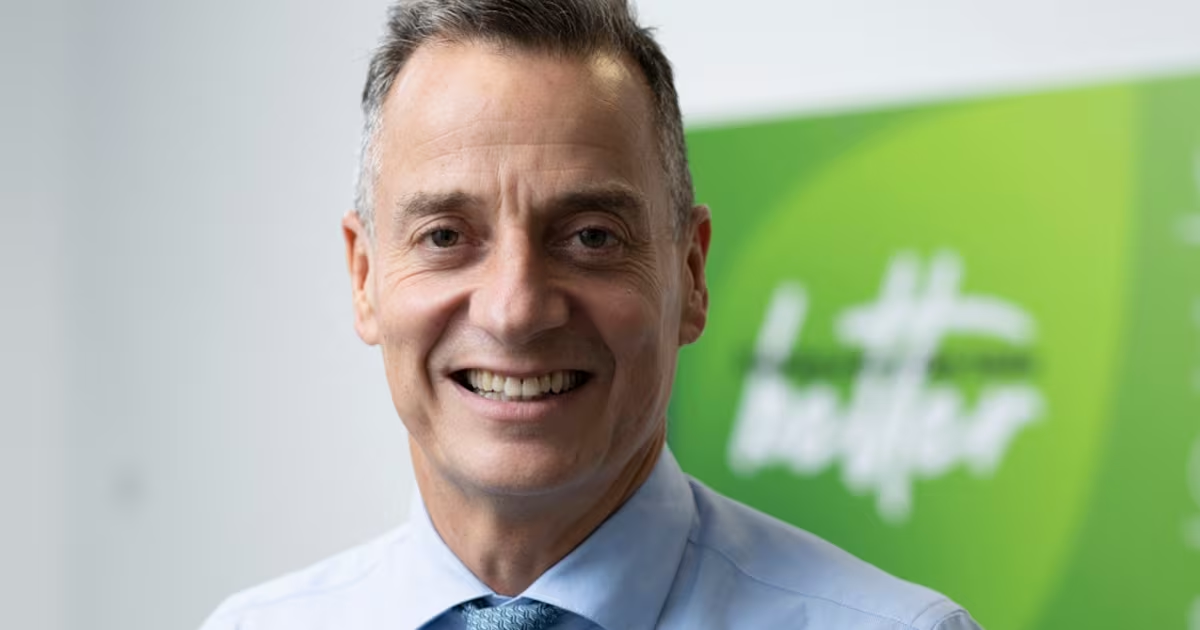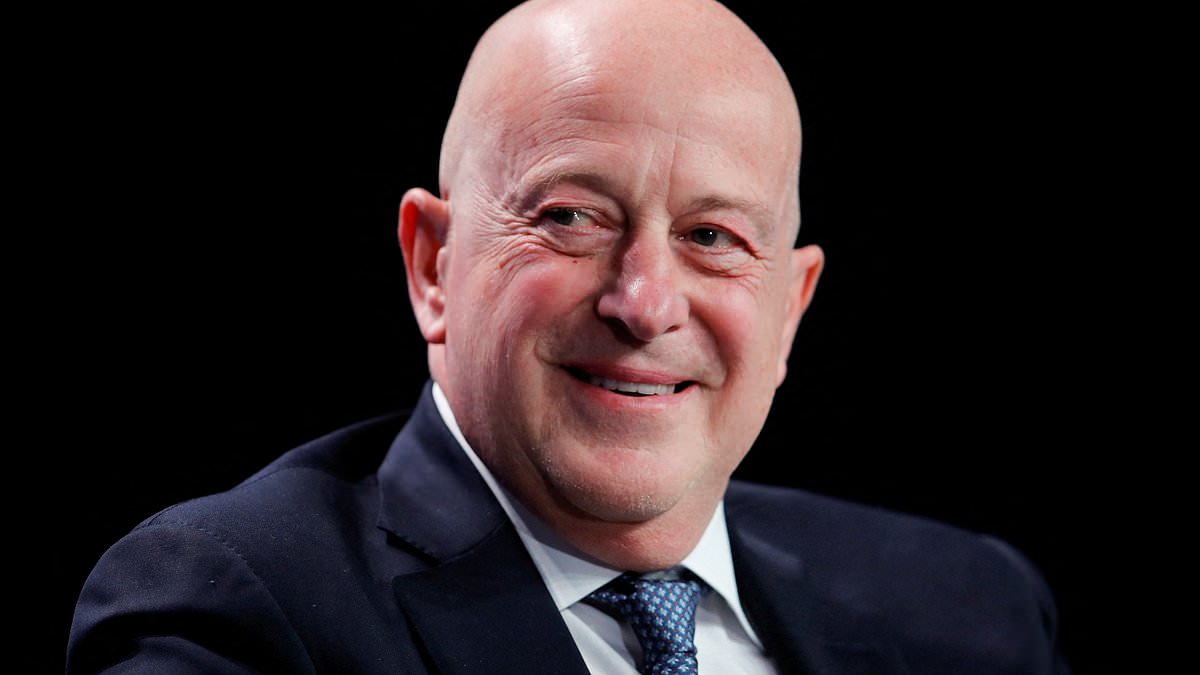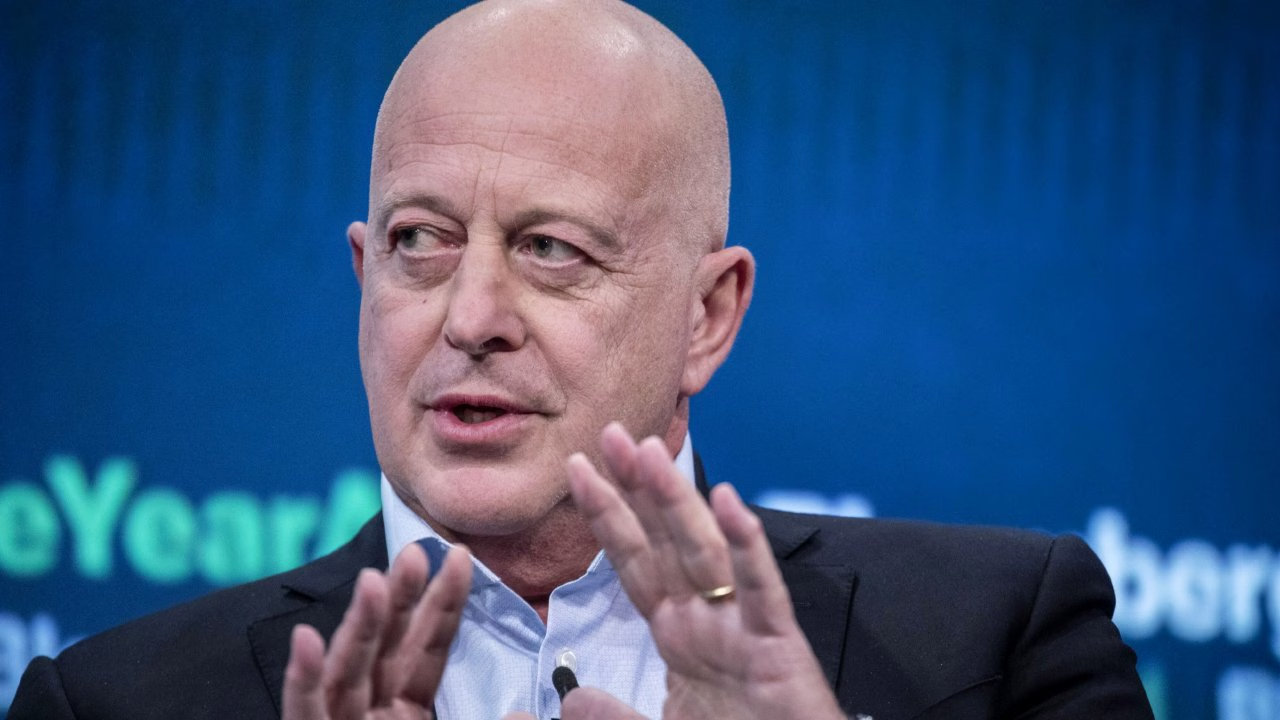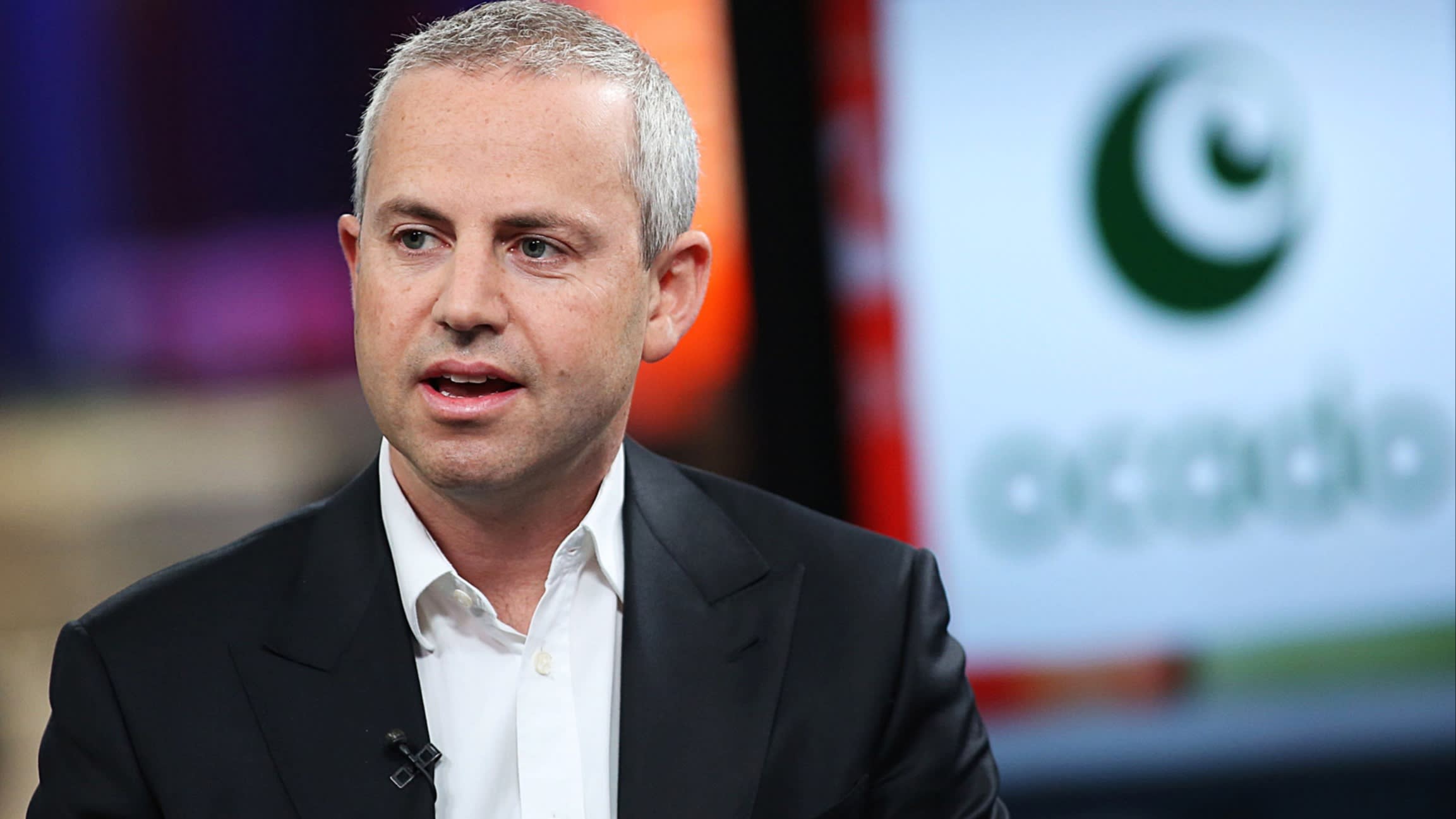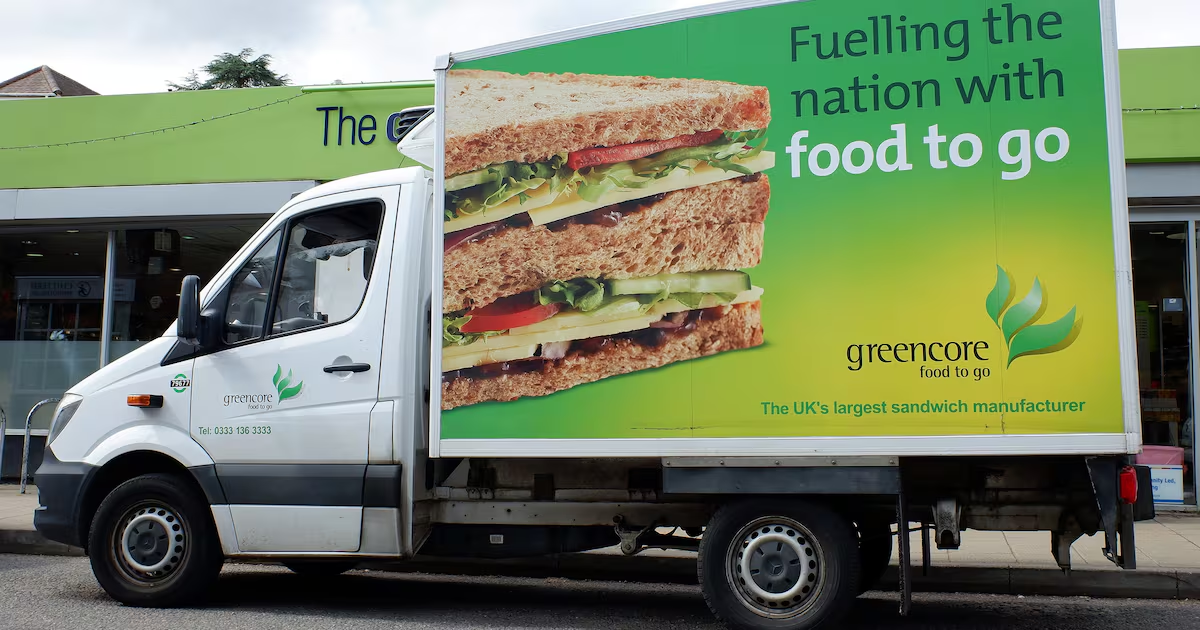
Leslie Van de Walle, the golf-loving Frenchman and FTSE 350 boardroom grand fromage, has used his chequebook to make his view clear on a recent slump in the value of Greencore, where he is chairman. The former boss of packaging group Rexam and biscuits-to-crisps outfit United Biscuits – who has also logged boardroom miles at the likes of SIG, HSBC UK Bank and Dublin-based DCC – has spent more than £580,000 (€670,000) in the past three months buying stock in the sandwich and ready-meals maker in a series of transactions. That outlay is comfortably in advance of the fees he has collected since joining the board in January 2023, and it has effectively tripled his personal stake in the company.Greencore could do with the support. The group has seen its share price slide by more than 35 per cent from a 10-year peak in early February, just weeks after completing its £1.2 billion takeover of rival Bakkavor. It now ranks among the weakest-performing London-listed food and beverage stocks over the period, while the broader sector has been largely flat.Greencore’s slump has come against the backdrop of a decline in consumer confidence in the UK, by far its biggest market, amid the war in the Middle East – and concerns that inflation, driven by a spike in energy costs as a result of the conflict, will squeeze the group’s margins. But while the new US-Iran peace plan sent Brent crude oil prices tumbling as much as 12 per cent this week to below $77 a barrel – and sparked a surge in stock prices globally – Greencore has continued its losing streak, falling almost 6 per cent since the start of trading in London on Monday. It’s far from the honeymoon period Van de Walle and his chief executive, Dalton Philips, would have hoped for after completing the group’s biggest deal. Bakkavor has brought its range of pizza, bread, desserts and dips to Greencore’s spread of sandwiches to salads, sushi and microwaveable dinners to create one of the largest convenience foods companies in the UK market. Greencore and Bakkavor share many of the same customers among big UK supermarkets – including Tesco, Marks & Spencer, Sainsbury’s, Waitrose and Asda – but have limited crossover in products. The group only had to sell one asset, a chilled sauces and soups facility in Bristol that was generating less than £50 million in annual sales, to appease the UK competition watchdog as it assessed the sale. Will a Middle East peace deal make any difference to inflation? Listen | 32:03Much of the share price’s recent decline has come since Greencore reported results for the first half of its financial year a little over three weeks ago. Greencore’s 3.2 per cent increase in revenues to £1.32 billion – driven by price increases as the group recovered the impact of inflation from supermarkets – was in line with market expectations. But some quarters of the market were spooked by a 1.3 per cent drop in sales volumes from the Bakkavor side of the business in its first 10 weeks of ownership by the Irish group. Philips said it had been hit by contract losses a year ago, around the time that both companies had come together. “We recognise this volume performance isn’t where we want it to be, but we have dedicated teams driving volume across the portfolio and we feel positive about our go-forward trajectory,” he said, adding that the group was already starting to win new business as a combined group. Legacy Greencore reported 0.3 per cent volume growth in a flat overall UK market, as high street footfall declined amid one of the wettest winters on record. “We think that the current valuation is anomalous with both the quality of the underlying business, scope for profit growth driven by both synergy cost savings and improved profit conversion,” Damian McNeela, an analyst with Deutsche Numis, said in a report this week. “Over the medium term, we believe there are incremental revenue growth opportunities through leveraging the enlarged organisation’s capabilities and further investments in [manufacturing] automation.” Addressing concerns about the state of UK consumers, McNeela noted that consumer confidence – measured by market research firm GfK – was minus 24 (meaning 24 percentage points more negative than positive responses in a survey) in May and marginally better than the longer trend since June 2021, after the worst of the Covid pandemic had passed. (The index remained at minus 24 in June, GfK said on Friday.) “We do not see consumer confidence as a material headwind to broader category demand, which has seen good volume growth in recent years,” he added. On inflation, McNeela noted that Greencore and Bakkavor have historically successfully managed to recover raw material cost rises through the contract arrangements with major customers, albeit with some degree of a lag. UK inflation was running at 3 per cent in June. “We do not see the anticipated price inflation as a direct risk to either underlying profit improvement journey or delivering its synergy cost savings,” he said. Not everything has been rising. Cream, which is important to Greencore’s desserts business, and has fallen by more than 50 per cent in the past year. Butter is down almost as much, while cheddar cheese has declined by more than 25 per cent – tracking global wholesale dairy prices. Berenberg analyst Karl Burns has also come to Greencore’s defence in recent weeks, telling clients that the stock has been “harshly treated” recently by the market. “We think that the acquisition of Bakkavor could transform Greencore by significantly increasing the moat around the business, deepening relationships with its existing customer base, supporting category expansion and enhancing its new product development pipeline, while also driving sustained revenue growth and margin improvement,” he said in a report. “The combined business will effectively lock out the competition due to its scale, enabling it to become a category leader in the food-to-go and freshly produced food market.”But for now, the only thing that’s locked out is broad investor goodwill – even if Van de Walle keeps going back for more helpings.
Investors put Greencore back on the shelf after merger, even as chairman returns for more
Bakkavor deal was expected to send shares into overdrive but that hasn’t happened
1,019 words~5 min read