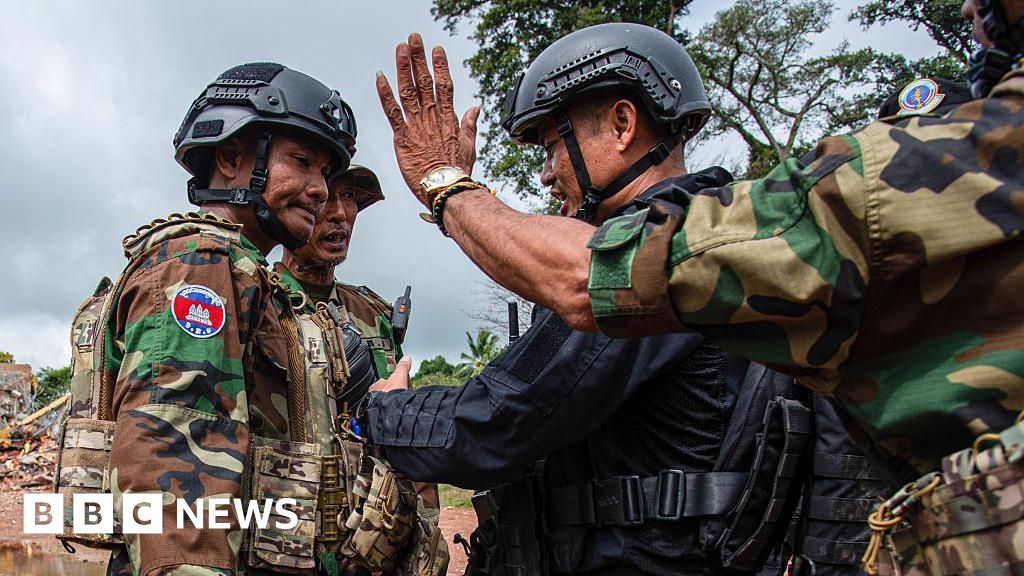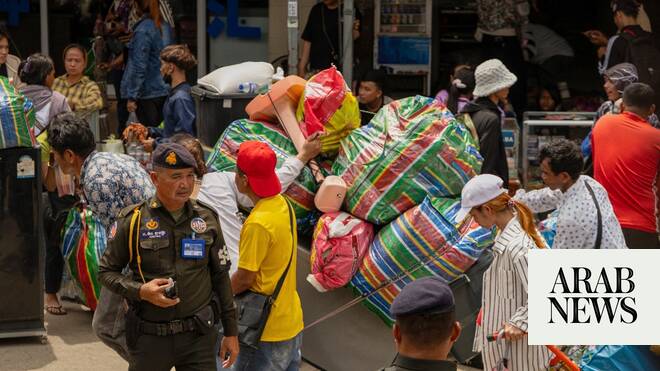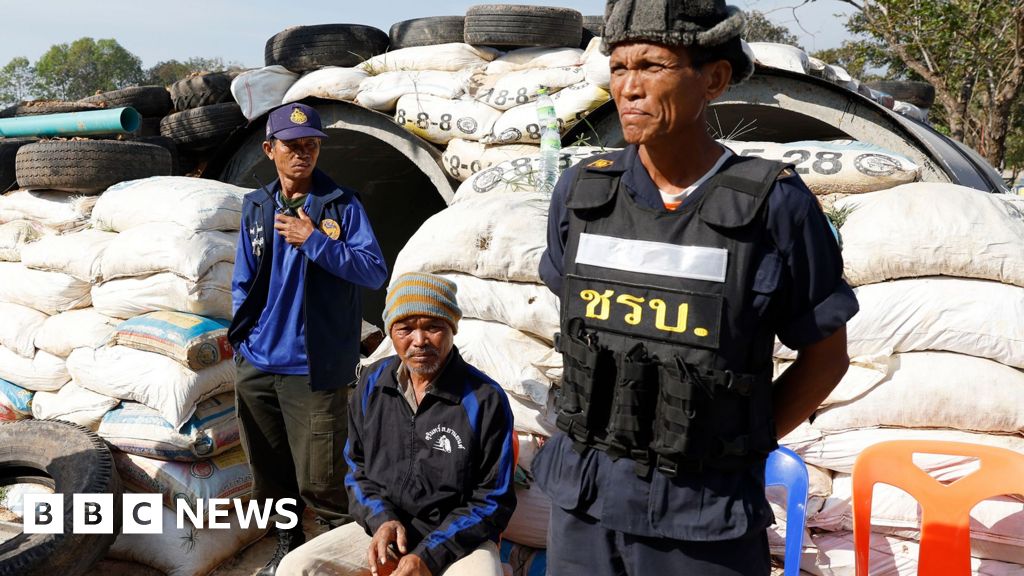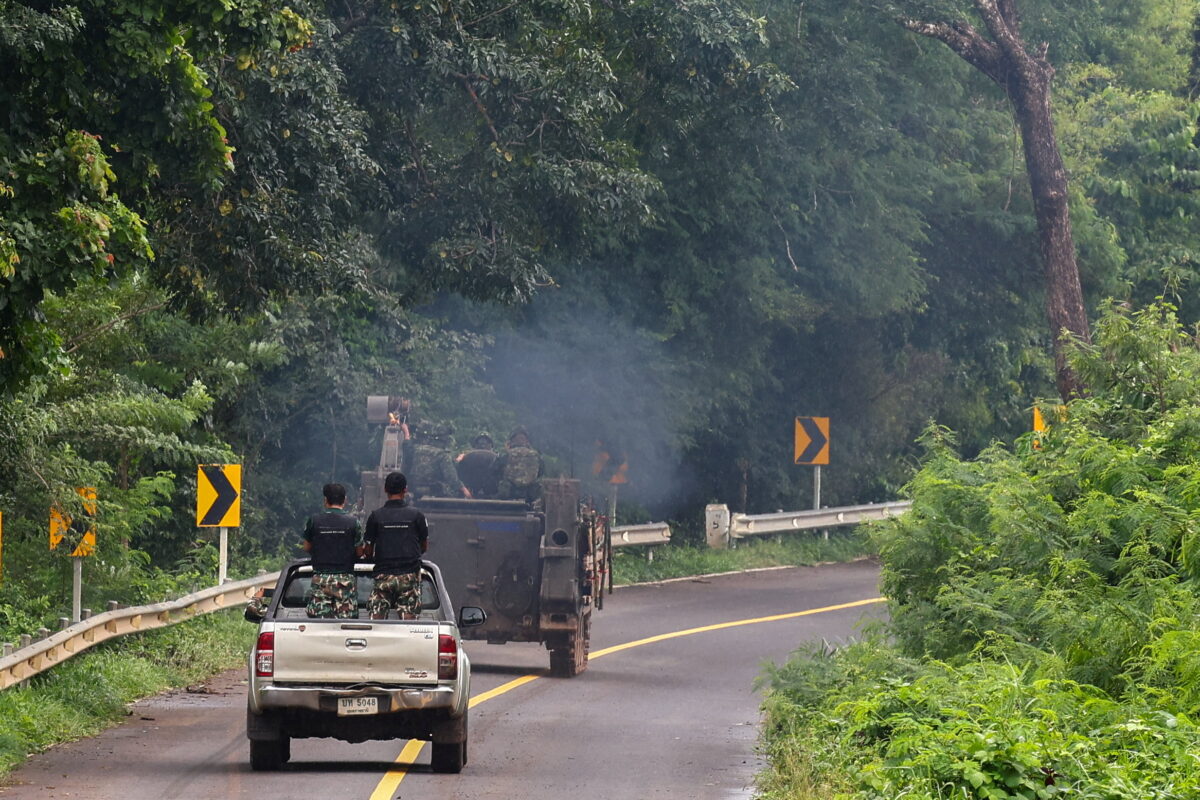
Since its outbreak in mid-2025, the Cambodia–Thailand border conflict has disrupted cross-border trade and worsened livelihoods on both sides. The United Nations reports several waves of displacement across northeastern Thailand and northern Cambodia. Even after the fragile December 2025 ceasefire, the conflict’s long-term effects will continue to undermine years of economic progress in both countries.
Though Cambodia and Thailand are economically interdependent, the impact of the conflict is likely to be uneven, with Cambodia facing greater economic vulnerability. Heightened tensions and border restrictions reduce labour mobility between the two countries, generating costs for both countries — Cambodia, which relies heavily on migrant remittances, and Thailand, which depends on migrant labour in several labour-intensive sectors.
Thailand is increasingly dependent on Cambodian workers due to its looming demographic crisis, with its population ageing rapidly over the past few decades. Thailand’s total fertility rate has been below the replacement rate of 2.1 since 1991, falling to 1.2 in 2025, the second lowest in ASEAN. In 2023, Thailand’s median age was 39.7, compared with 25.8 in Cambodia. Young Cambodian workers usually fill ‘3D’ (dirty, dangerous and demanding) jobs in Thailand’s construction and restaurant sectors. Labour shortages driven by population ageing will increase demand for trainable Cambodian workers, especially in manufacturing. Conflict makes it harder to recruit such workers.