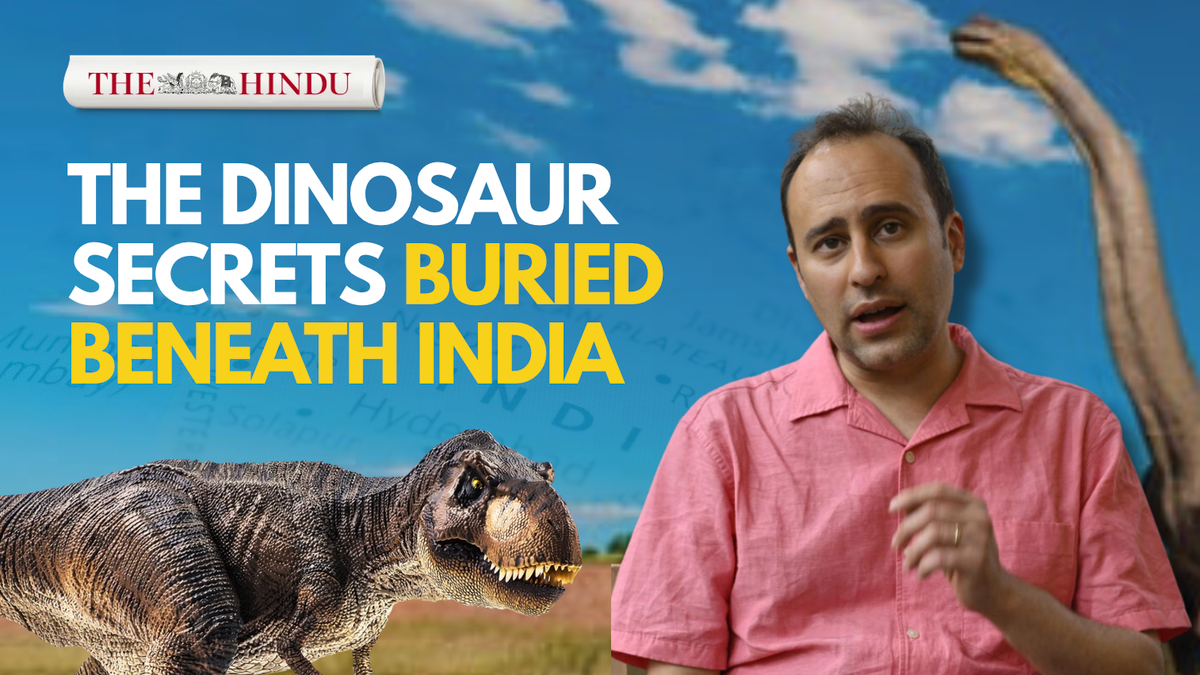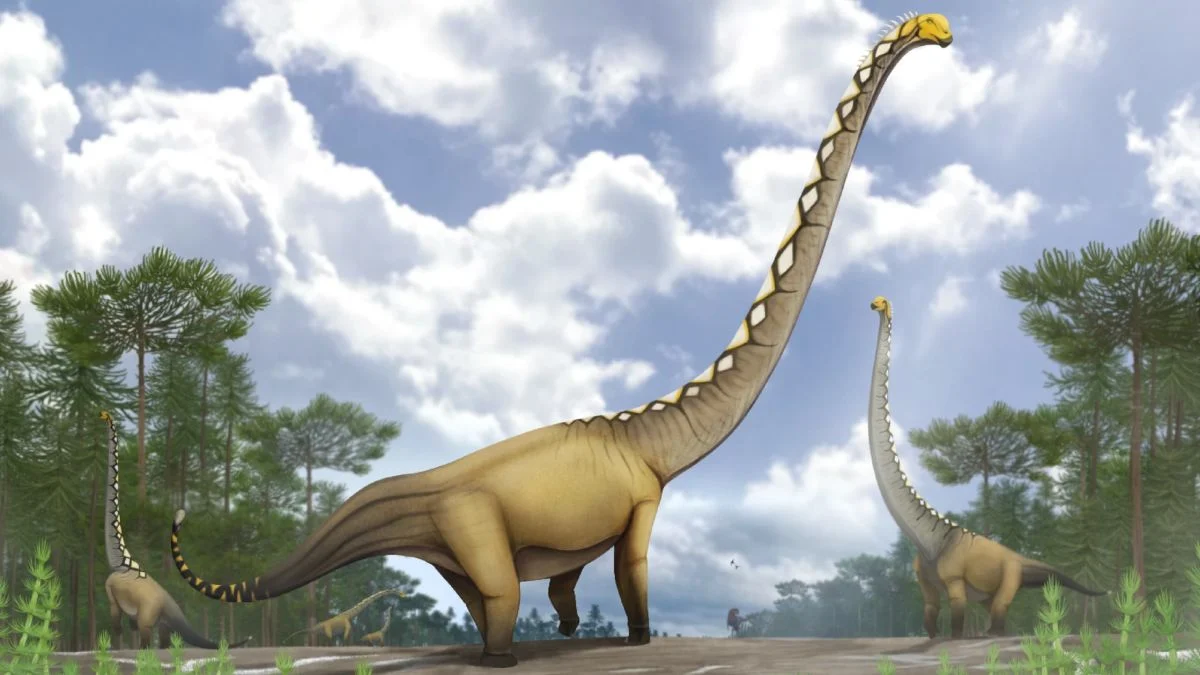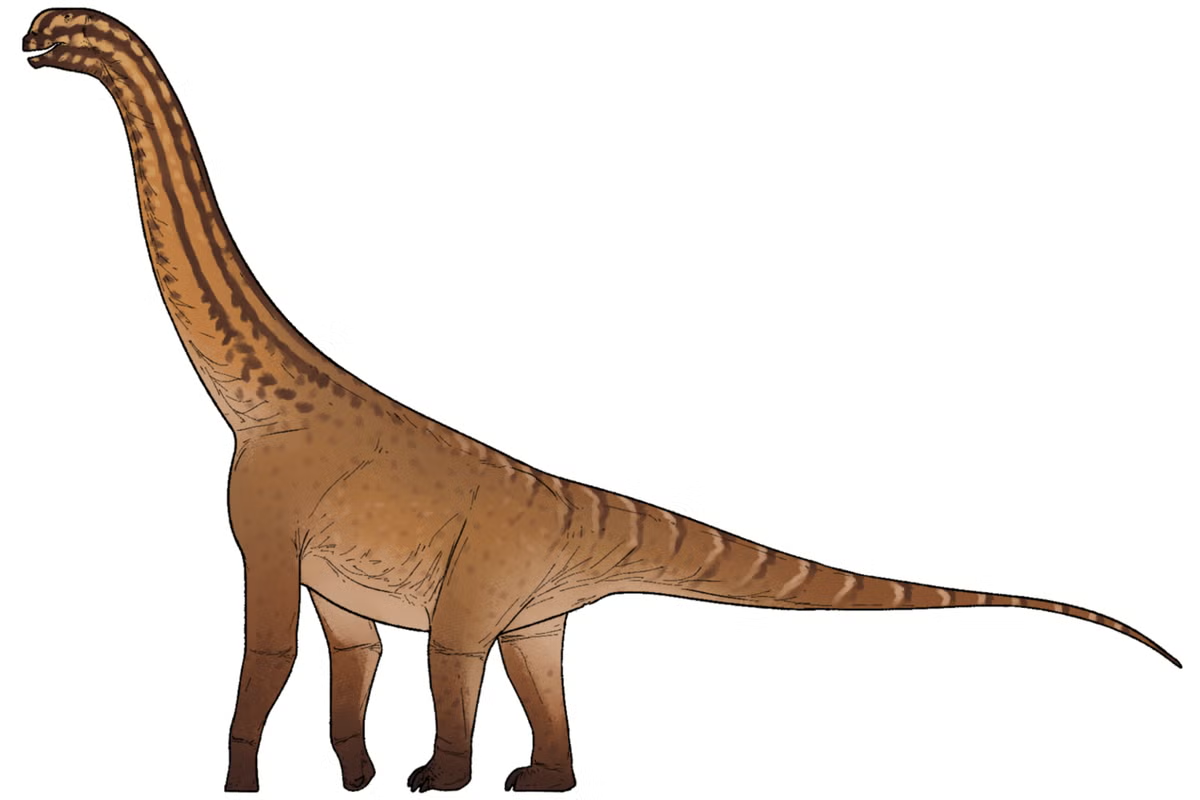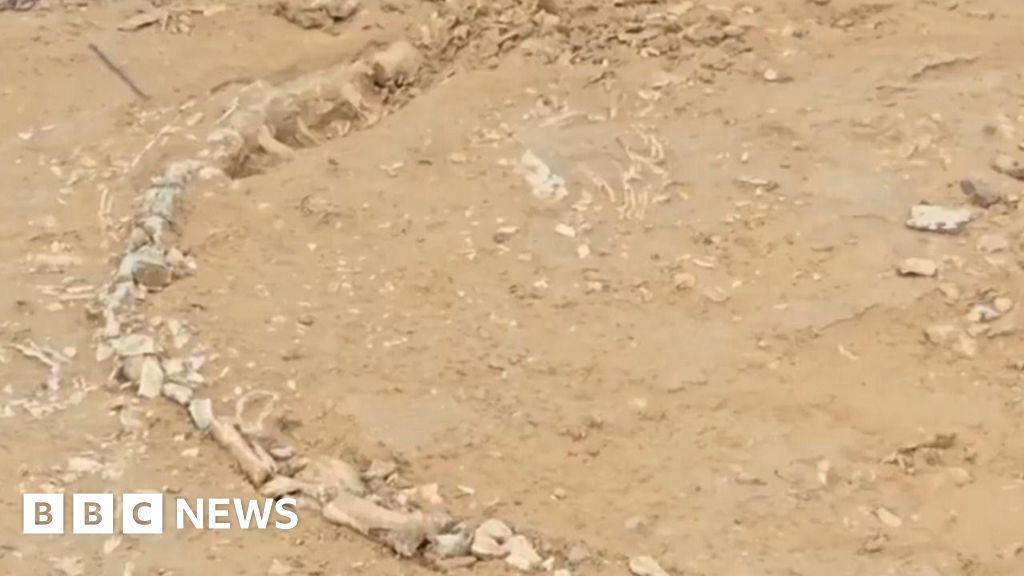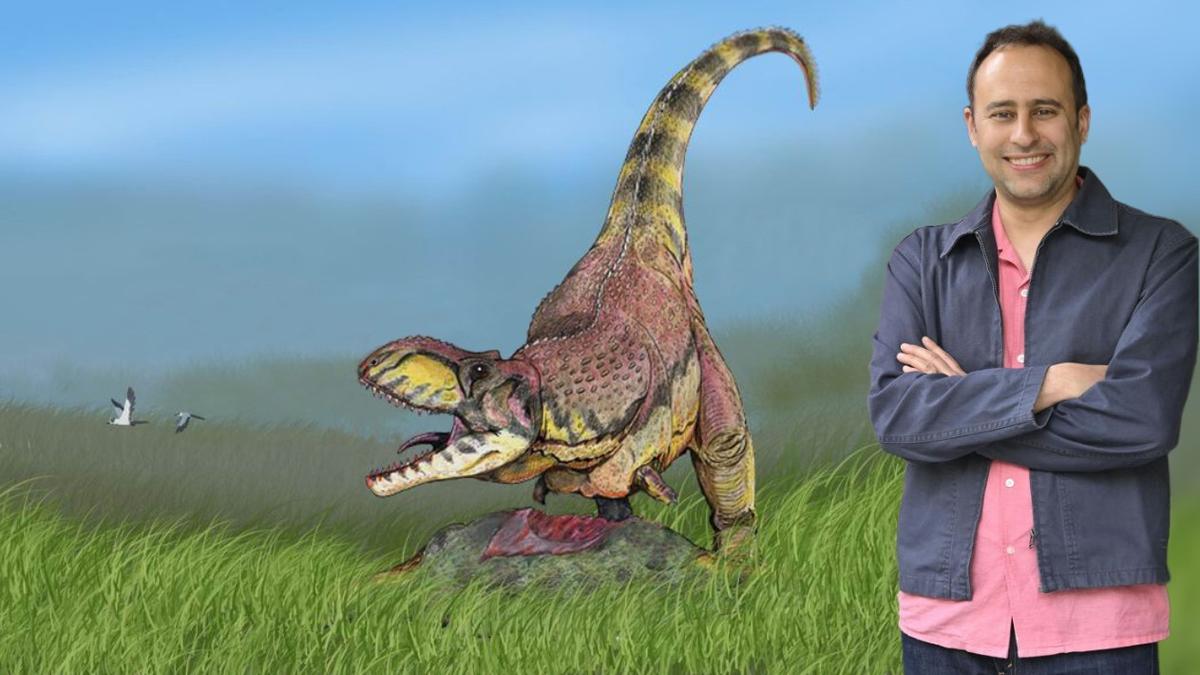
Roughly once a week, a creature dead for tens of millions of years is introduced to science for the first time. Around 50 new dinosaur species are named every year — a pace the species might have struggled to match even at their peak in the Cretaceous period, between 145 and 66 million years ago. Steve Brusatte, the University of Edinburgh palaeontologist who consults on the Jurassic World films and wrote the bestselling The Rise and Fall of the Dinosaurs (2018), calls it “a golden age”.Brusatte was in Delhi recently — on only his second-ever trip to India — lecturing at the Lodha Genius Programme run by Ashoka University, to high-schoolers he calls “incredibly bright”, but with wrinkled optimism. The new discoveries are pouring out of China, Argentina, Brazil, Mongolia and South Africa — the big, fast-growing countries throwing young people at the rocks; however, India is conspicuously under-represented at the dig site, and not for want of fossils, which are “spectacular”.Some of the oldest dinosaurs are Indian, from an era when the subcontinent was wedged into Pangaea, when Earth was a single continent, and sitting almost on the South Pole. These include long-necked giants that weighed as much as a Boeing 737, and Rajasaurus, a homegrown meat-eater nearly the size of a T. Rex, plus a celebrated trove of fossilised nests and eggs. “We need more from India,” Brusatte says. “The destiny is there waiting” — needing only a handful of good students with itchy pickaxes.
Interview | Steve Brusatte on why India could be the world’s next dinosaur hotspot
Palaeontologist Steve Brusatte discusses India's potential as a dinosaur hotspot and the importance of young scientists in discovery.
TL;DRAI
Roughly 50 dinosaur species are discovered annually; China, Argentina, Brazil lead while India is absent despite world-class fossils (Rajasaurus, 737-weight sauropods, egg nests) due to scarce university paleontologists. India's rapid development creates a parallel opportunity: construction-driven discoveries combined with university talent investment could establish it as a paleontology hub within years.
1,035 words~5 min read