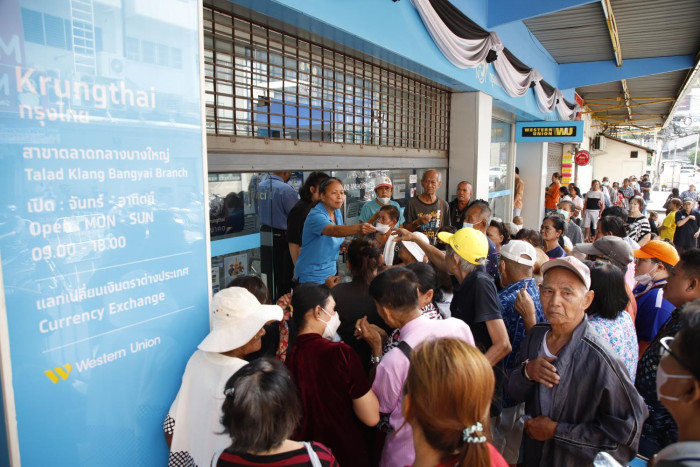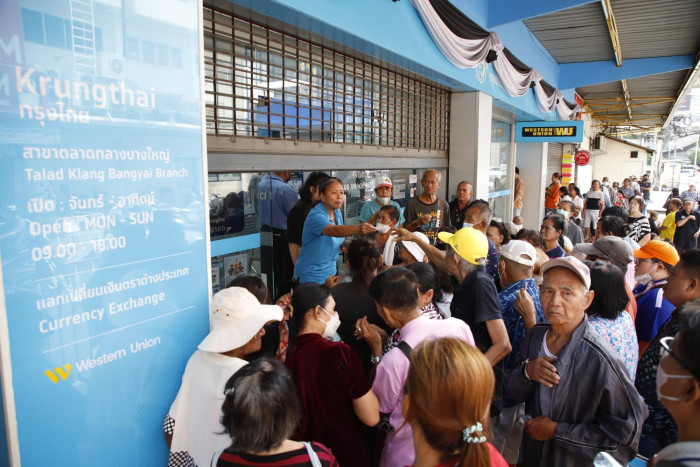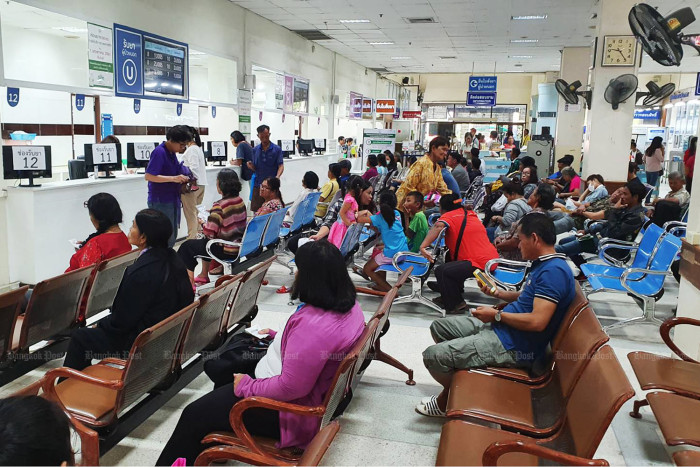
The Finance Ministry is expediting its review of welfare reforms to ensure the benefits target those most in need, minimise duplication across programmes, and promote greater participation in the labour force.This approach is based on the concept of a negative income tax (NIT) system.
According to a ministry source who requested anonymity, NIT differs fundamentally from the existing personal income tax (PIT) system, which is a positive income tax.
Under the PIT, individuals whose income exceeds a specified threshold are required to pay taxes. NIT operates in the opposite manner: when an individual's income falls below a specified threshold, that person receives a cash transfer from the government.
Key conditions include recipients of the transfer payments must be employed and must file a PIT return.
Under the NIT system, transfer payments are divided into three stages. The first is the phase-in stage, when an individual's income is below the threshold set by the government. The government provides a welfare payment, and the amount of the transfer increases as the individual works more and earns a higher income, provided that the income remains below the specified threshold.