See more Daily Mail on Google - save us as a Preferred SourceBy MARK NICOL, DEFENCE EDITOR Published: 23:59 BST, 19 June 2026 | Updated: 00:01 BST, 20 June 2026
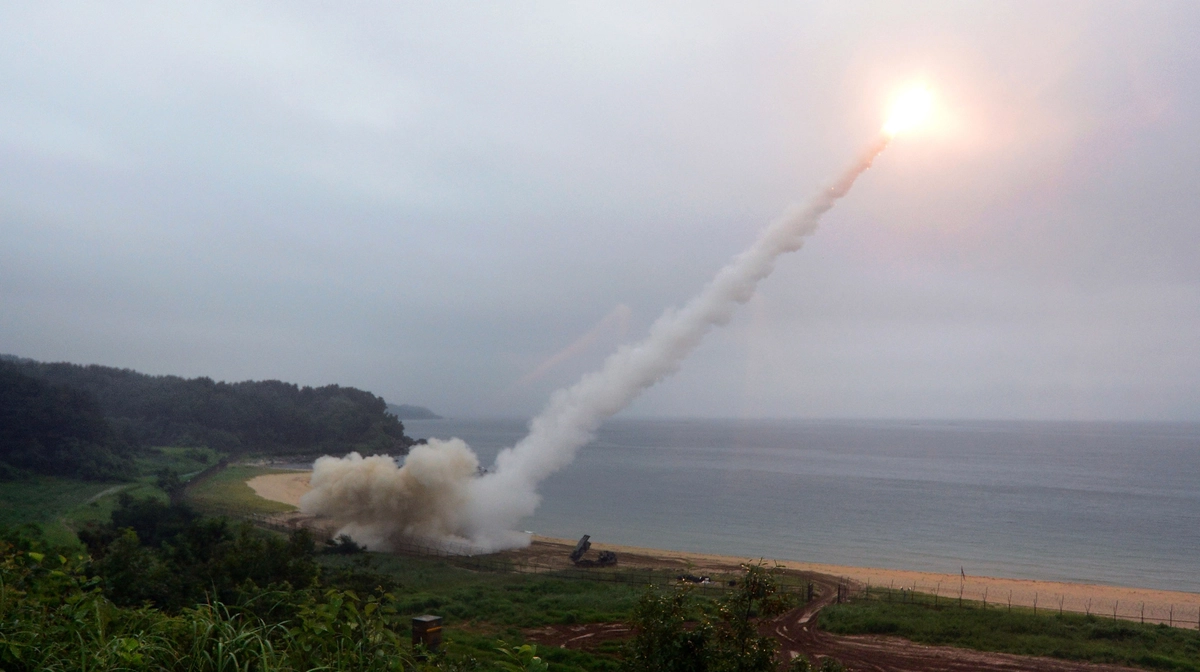
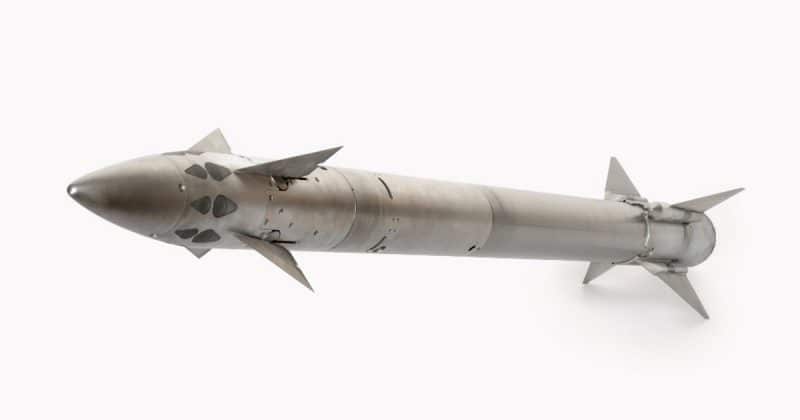
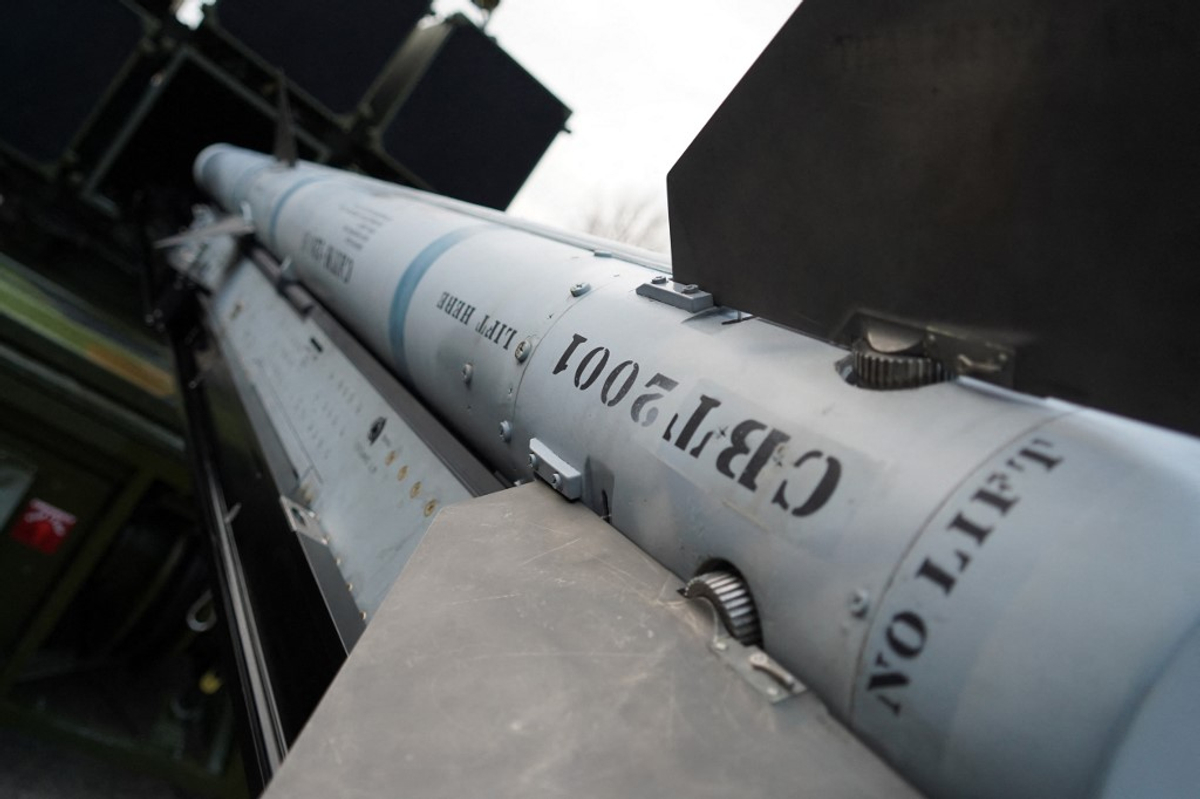
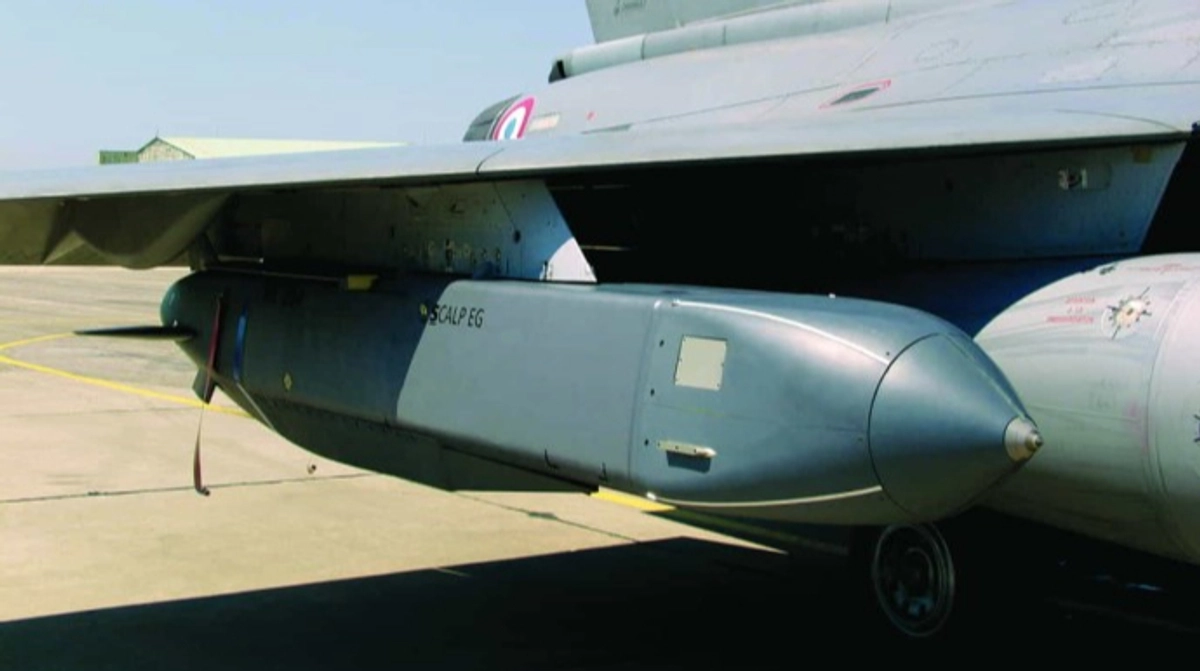
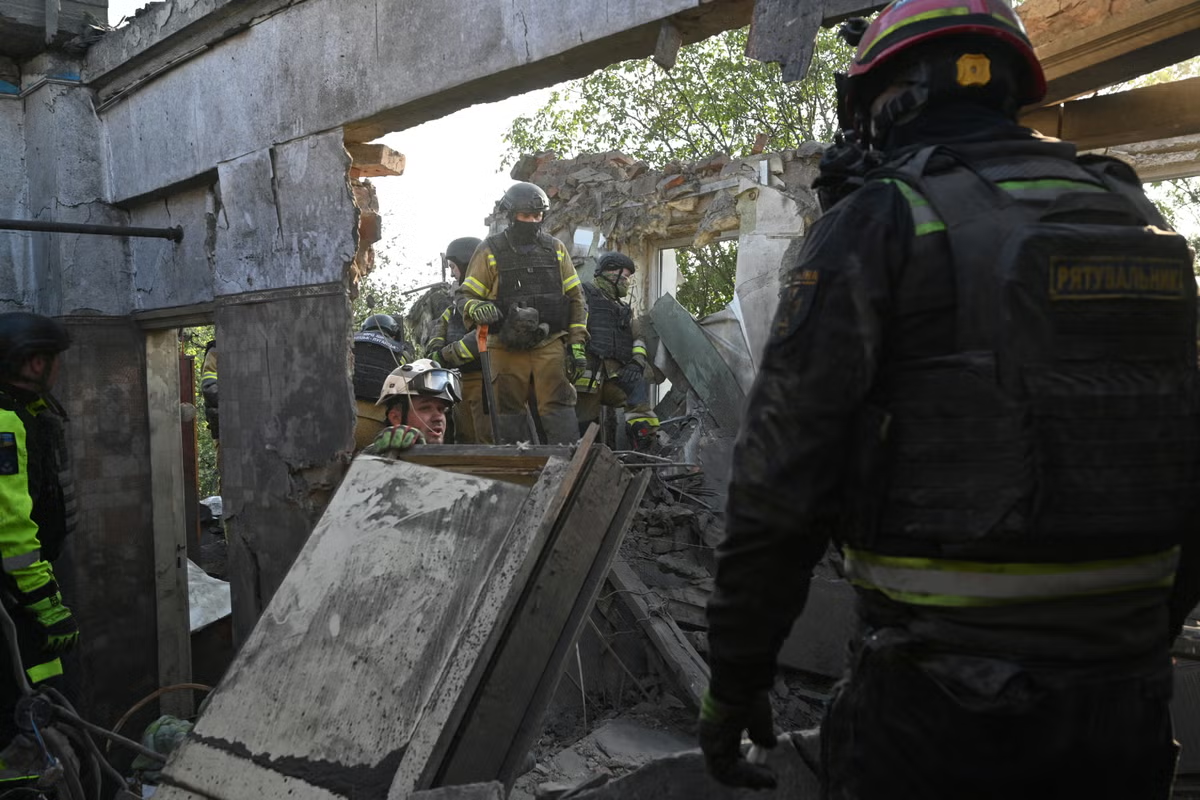
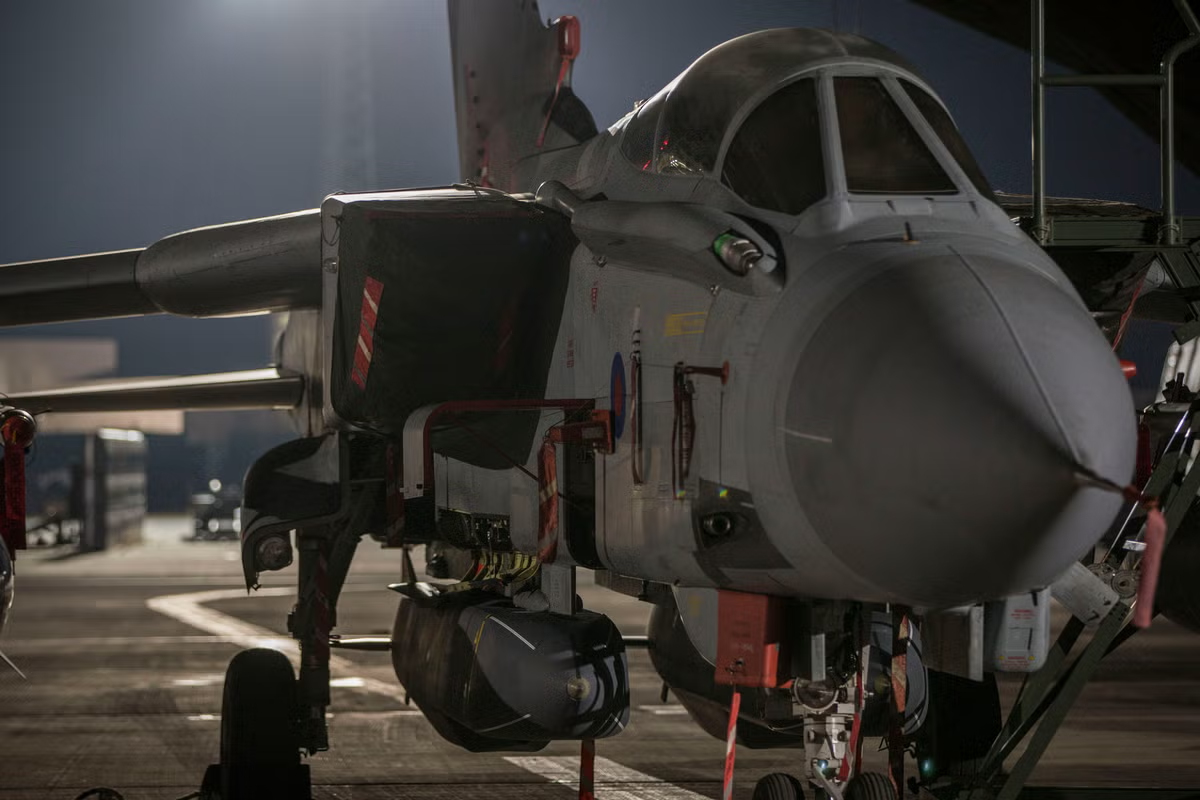
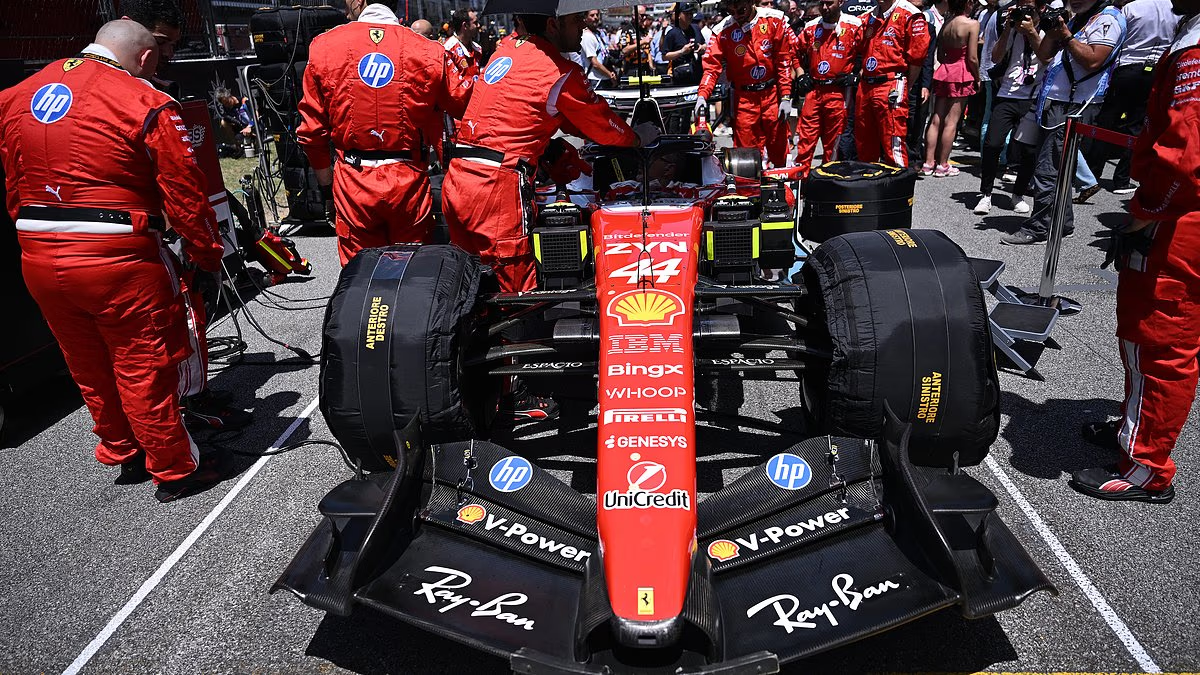
British missile innovators are bringing Formula 1 technology and hardware to the battlefields of Ukraine for the first time.Grand Prix aerodynamics and carbon composite chassis from racing cars are being used in UK-built long range missiles destined to destroy Vladimir Putin’s forces.MGI Engineering, founded by a former F1 tech chief, is making autonomous drones that are faster and lighter than competitors.While, like other leading UK manufacturers such as MBDA UK, the company puts a premium on constructing weapon systems from British-sourced materials and parts.So called ‘UK sovereign capability’ allows the Ukrainians to launch missiles into Russia – a capability essential to the defending forces.By contrast, weapons with US parts are subject to licensing agreements that preclude strikes outside Ukraine. UK licensing agreements are less discretionary. Formula 1 car chassis and aerodynamics expertise are being incorporated into the latest long-range missiles being designed for Ukraine Ukraine's deep strike ability inside Russia is gradually turning the conflict in their favour. Project Brakestop was unveiled today by newly appointed Armed Forces Minister Louise Sandher-Jones.MGI Chief Executive Mike Gascoyne, who previously worked for the McLaren and Jordan F1 teams, said: ‘Formula 1 is 25 years ahead, as an industry, as teams will spend any amount of money to get ahead.‘The UK is world leading in F1 and in aerodynamics. So we are ideally placed to bring a depth of knowledge and technology to the defence sector. I’m proud of British engineering and excited about what we can bring to the battlefield.‘These long range drones are not a million miles from a racing car, so a lot of the tech, materials and design have transferred seamlessly.’MGI’s Tigershark and Skyshark drones also use F1 sensors to map the battlefield, providing a targeting backup should the Russians successfully jam the drones’ GPS navigation systems.MGI was one of three UK suppliers, alongside MBDA UK and Rotron Aerospace, selected to provide long-range strike capability for Ukraine as part of the Ministry of Defence’s Project Brakestop.The challenge was to develop low cost, ground-launched weapons capable of hitting targets more than 300 miles away and carrying a 500lb warhead. The unit cost of each drone was capped at £400,000 and companies needed to produce at least 20 drones per month to ensure consistency of supply.Some 27 companies applied. Final candidates tested their weapons at a Ministry of Defence range in the Hebrides. The chosen manufacturers hope to begin delivering their uncrewed systems to the conflict zone in the months ahead.Earlier this week the UK agreed, separate to Project Brakestop, to supply Ukraine with 150,000 drones and 350 air defence missiles and radar systems paid for by a £2.26billion Extraordinary Revenue Acceleration loan.The loan is backed by the proceeds of immobilised Russian sovereign assets. Those drones and missiles will be built in Ukraine and will be ready for action by late 2026.Last night, Armed Forces Minister Louise Sandher-Jones, said: ‘Project Brakestop shows what happens when we combine the UK’s commitment to Ukraine with the talent and ingenuity of British industry.‘In less than a year UK companies have taken an ambitious concept from the drawing board to flight testing, delivering a new generation of capability at a remarkable speed.’The Mail has also learned that to improve UK readiness for a major conflict the testing of ballistic missiles is to resume in this country after 50 years.