Alexander Fiske-Harrison
‘Rain squalls drifted across their russet face, and the heavy, slate-coloured clouds hung low over the landscape, trailing in grey wreaths down the sides of the fantastic hills.’ This was how Arthur Conan Doyle described Dartmoor following his visit in June 1901, and that was what I expected to find 125 years after his research for what would become The Hound Of The Baskervilles.
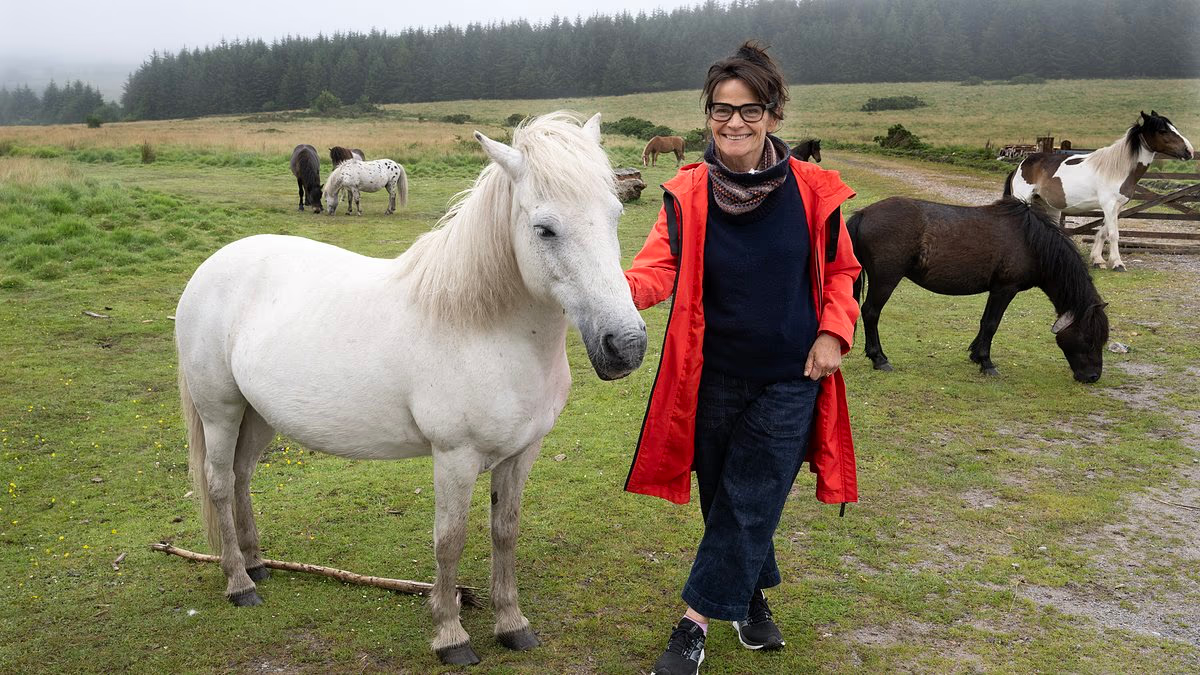
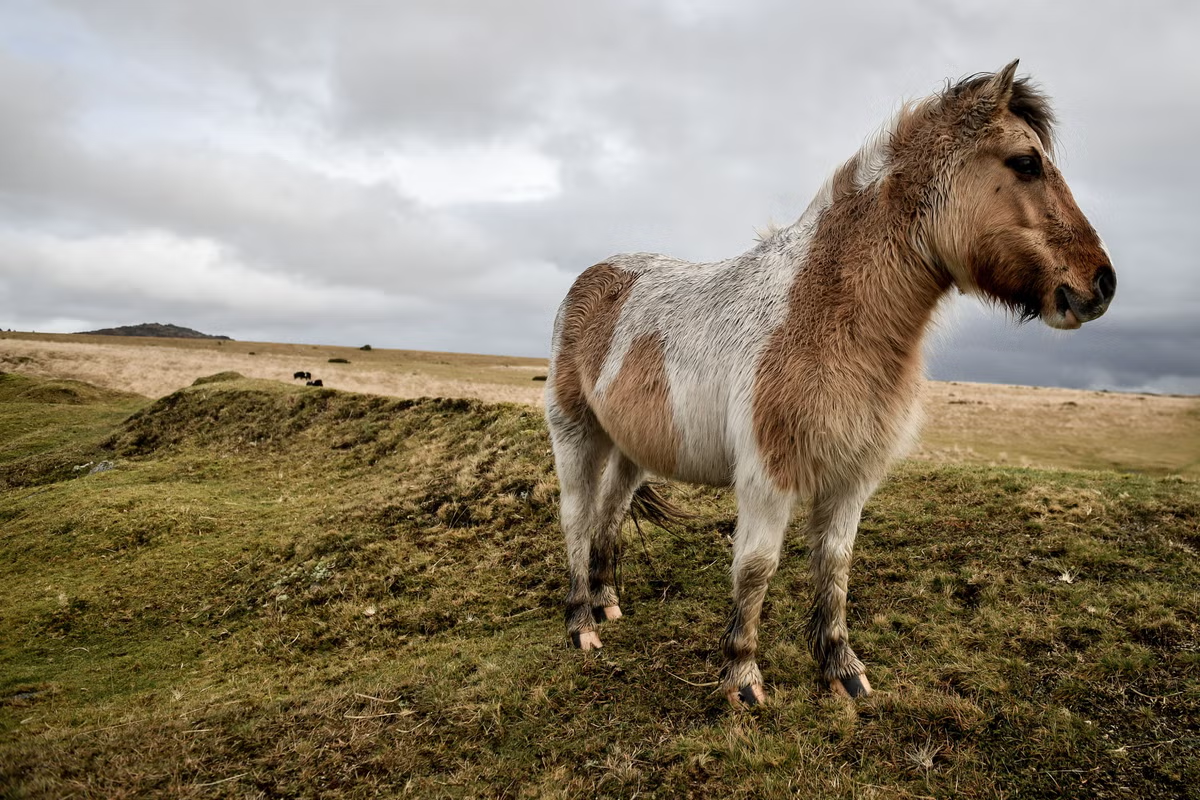
Those who live with Dartmoor Hill Ponies call them semi-wild, but the reality is more interesting
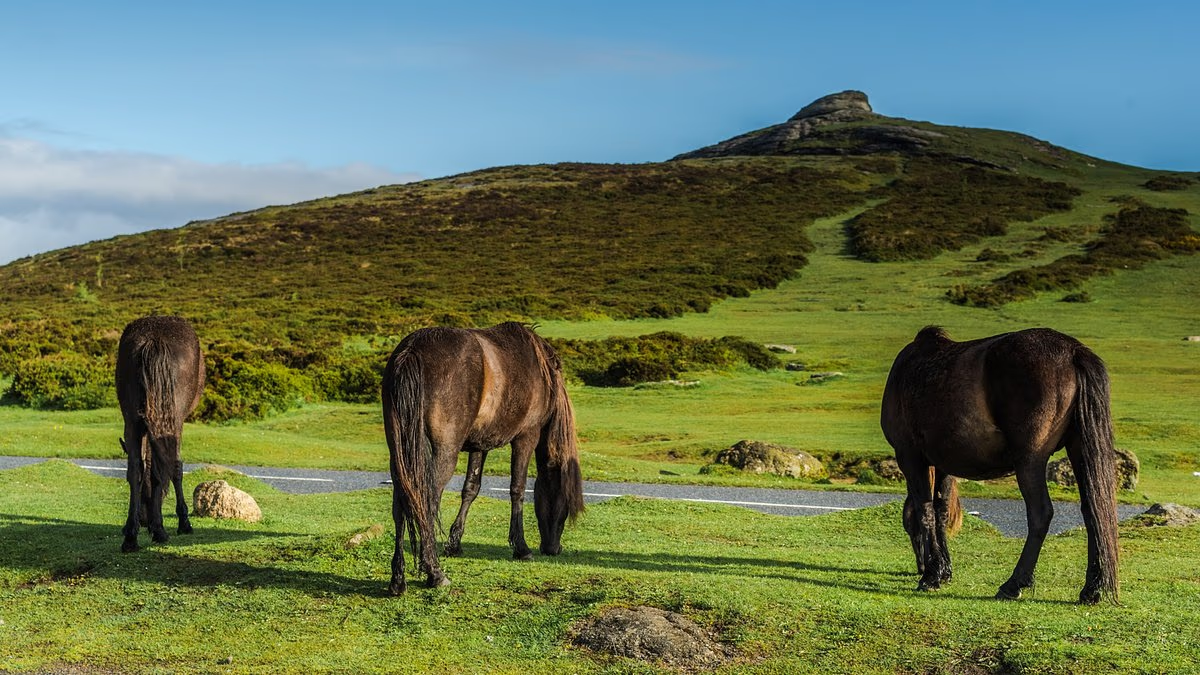
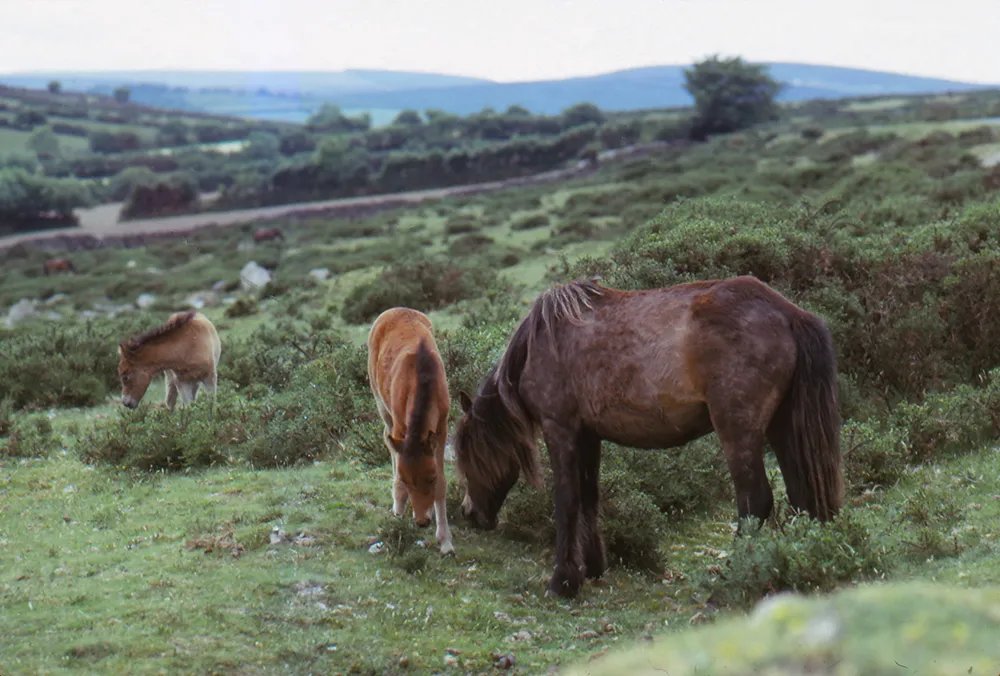
In its place, I found the bright, beautiful light of Devon in summer, revealing a landscape which is almost voluptuously organic, an excess of life, great trees and stones coated in rich mosses, criss-crossed with streams and rivers rushing into rapids. Suitably, I was shown Dartmoor by a pair of hounds I was tasked with caring for, Shelka, a blond German Shepherd who resembles a pretty white wolf, and her wildling daughter, Bolero, whose father was a Carpathian wolf-dog hybrid.
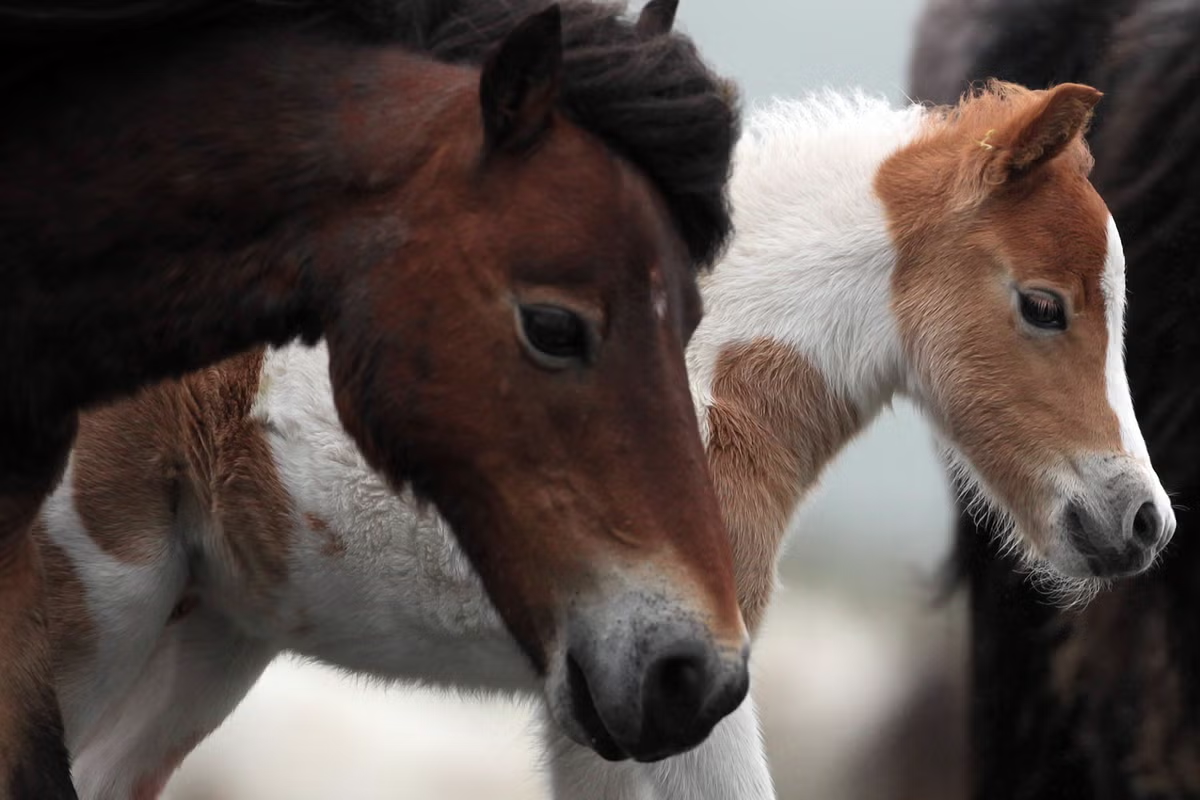
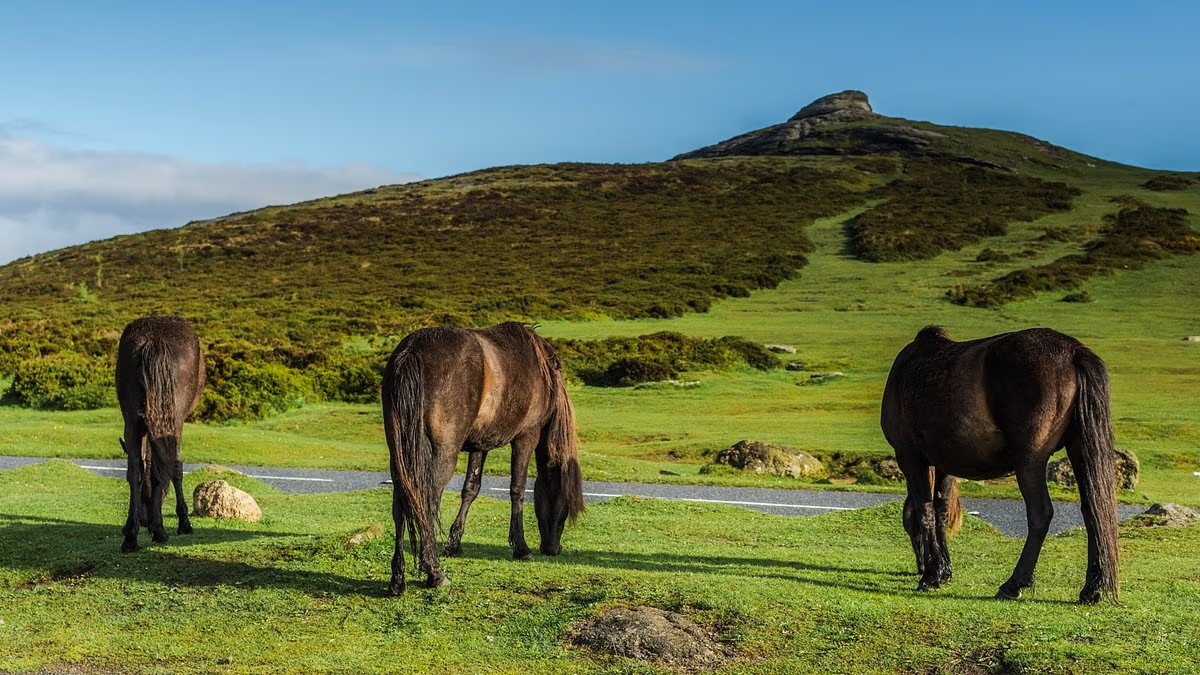
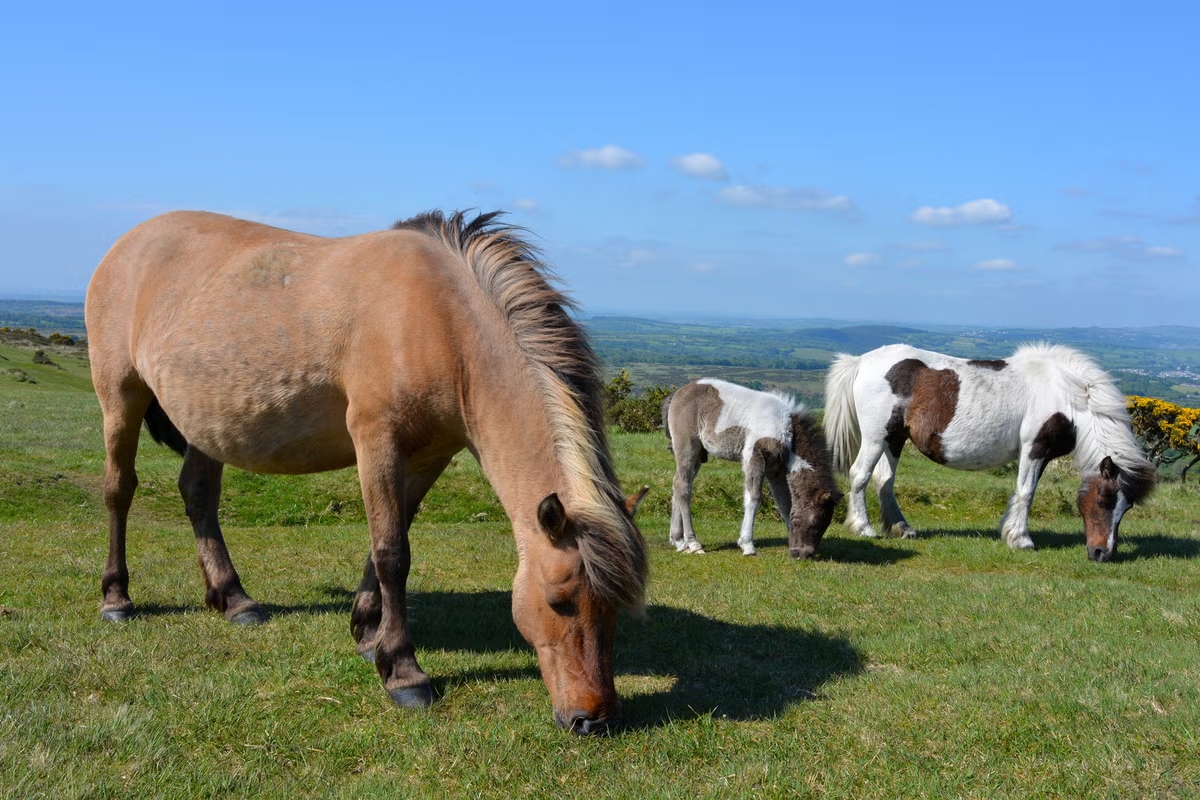
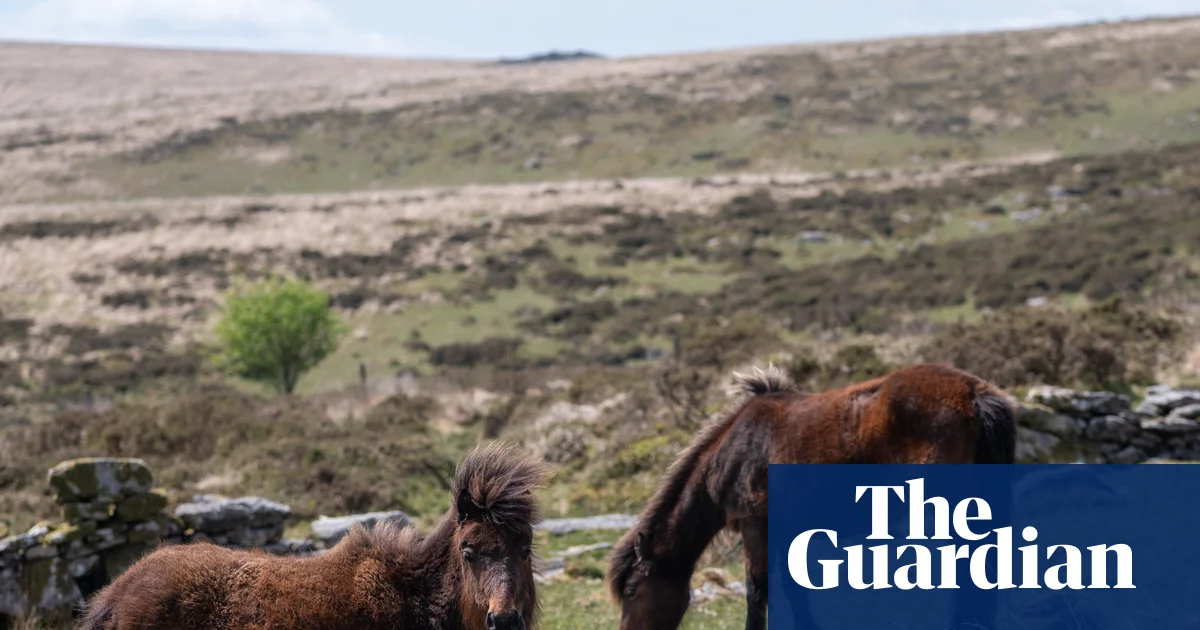
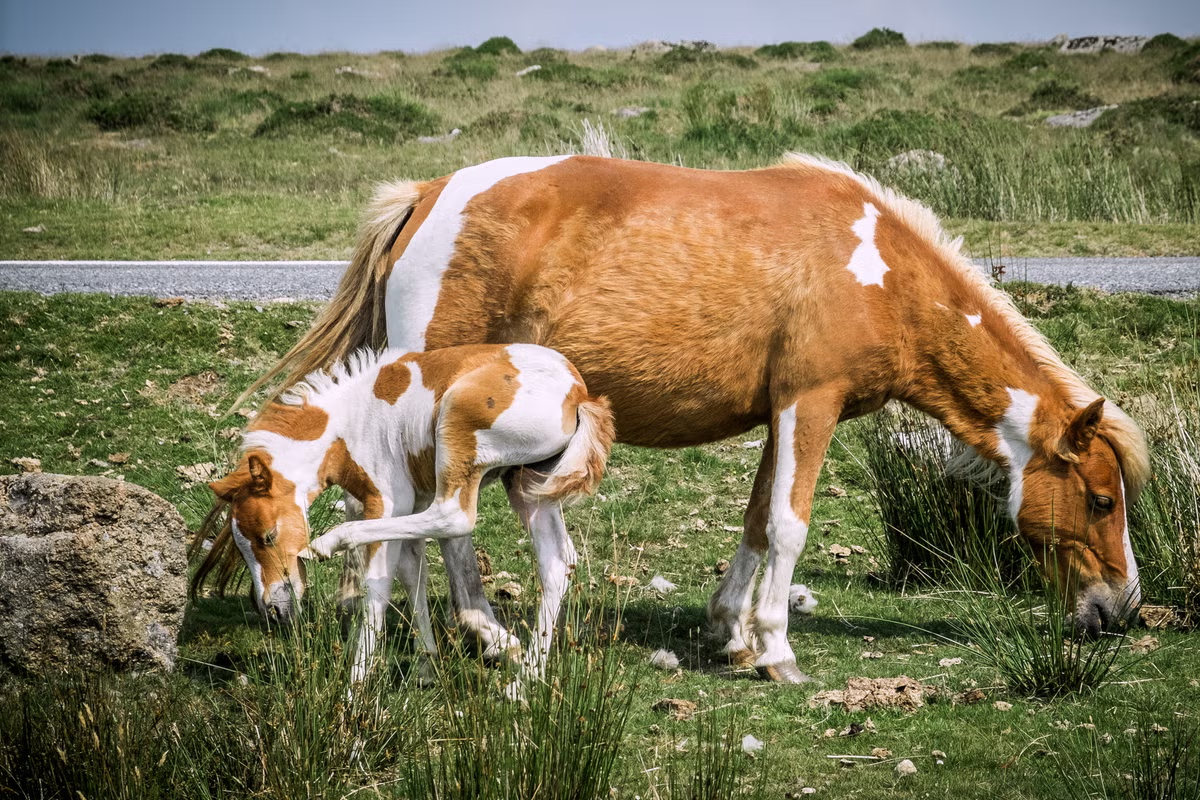
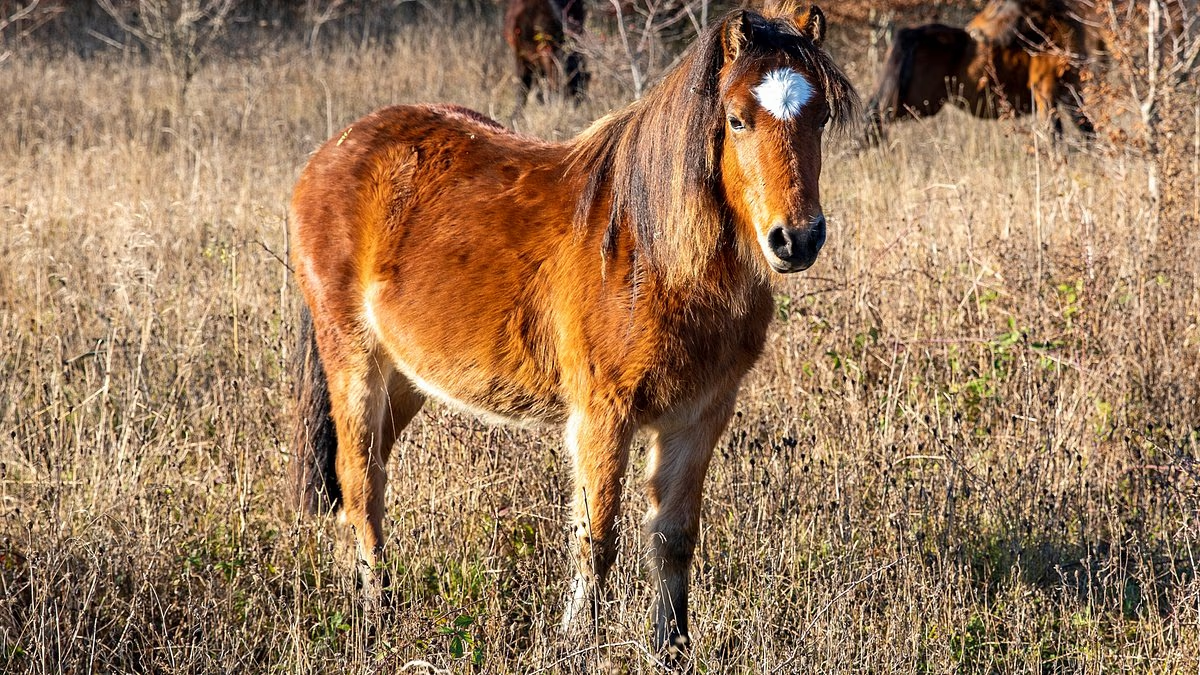
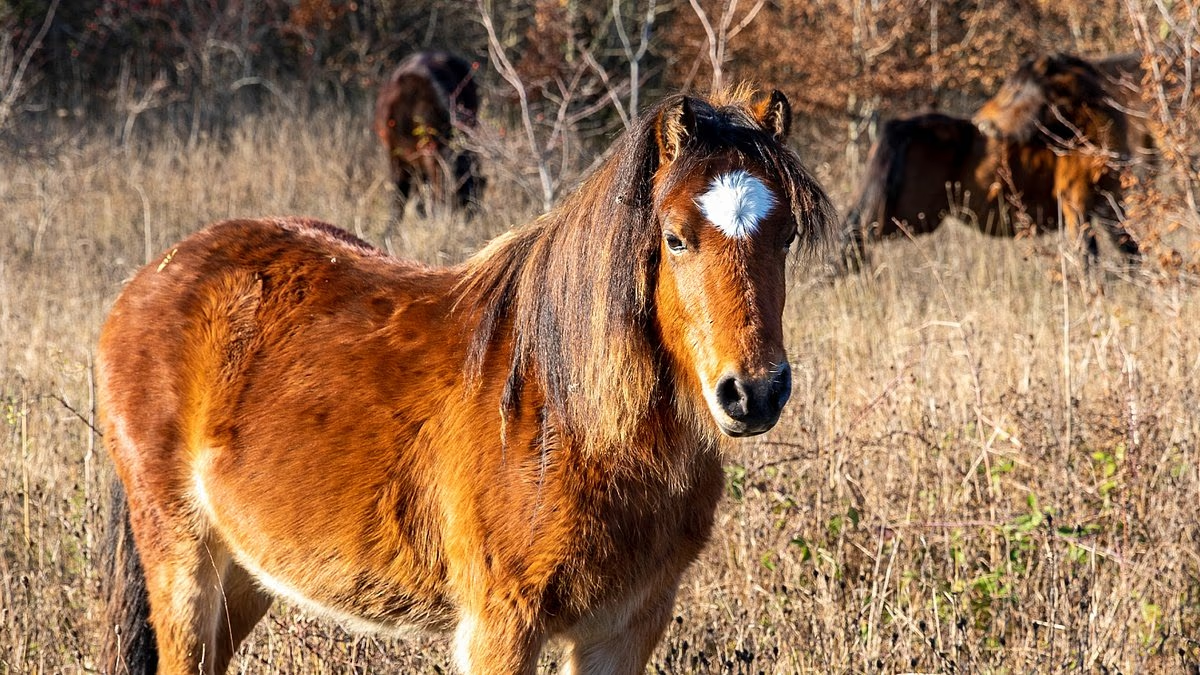
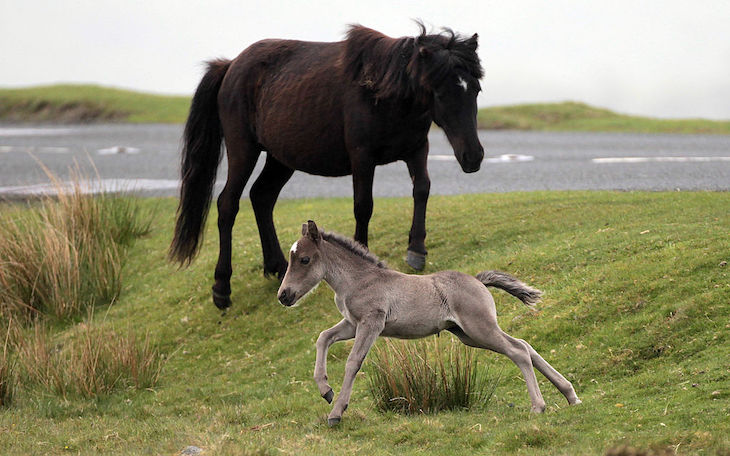
As we walked among the herds of sheep and cattle in that sunlit wilderness there was another, shyer, less civilised animal standing in small groups eyeing me and my lupo-canine companions. They intrigued both the horse-breeder in me and the former biology student. These are the semi-wild Dartmoor Hill Ponies. These creatures have lived here for thousands of years, but they are facing an existential threat thanks to Natural England, a quango that could consign these animals to history.