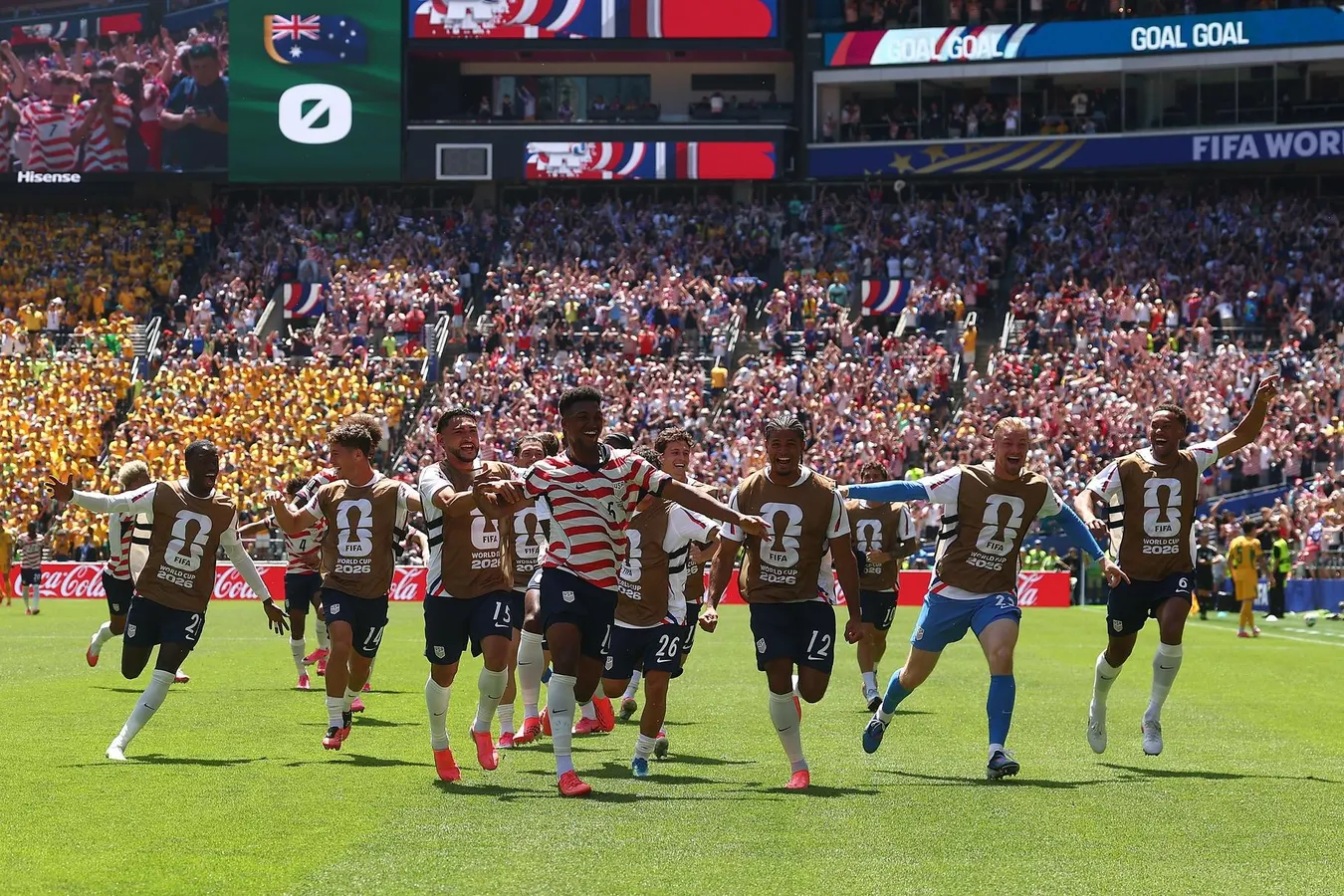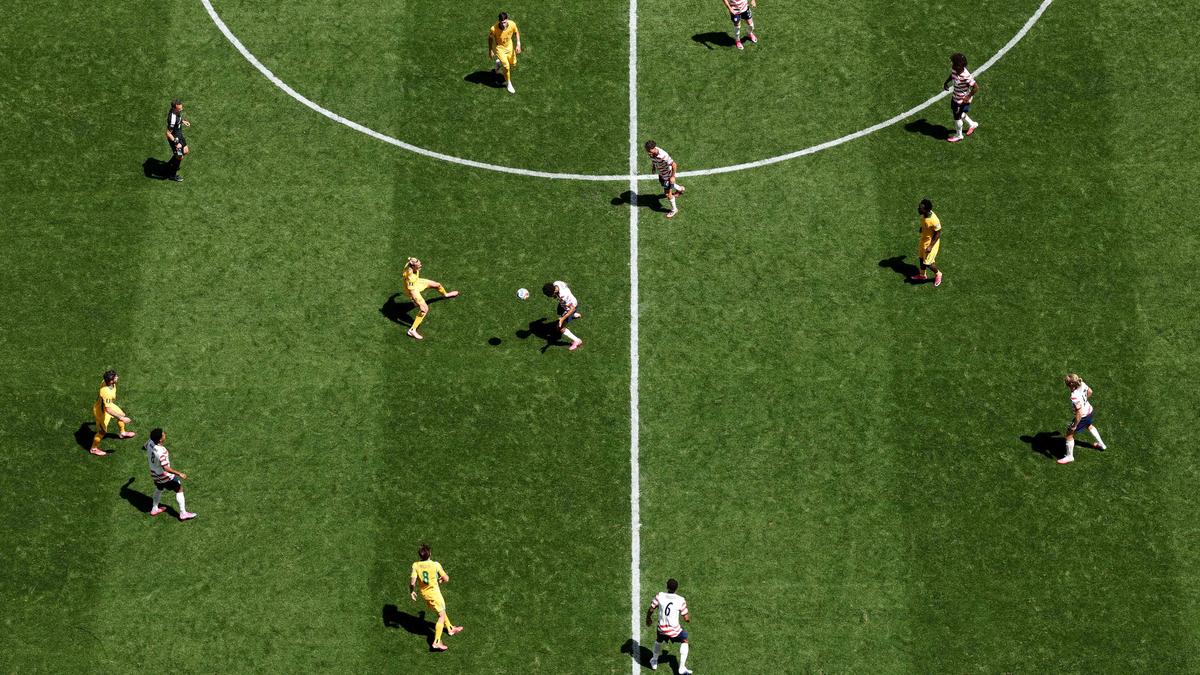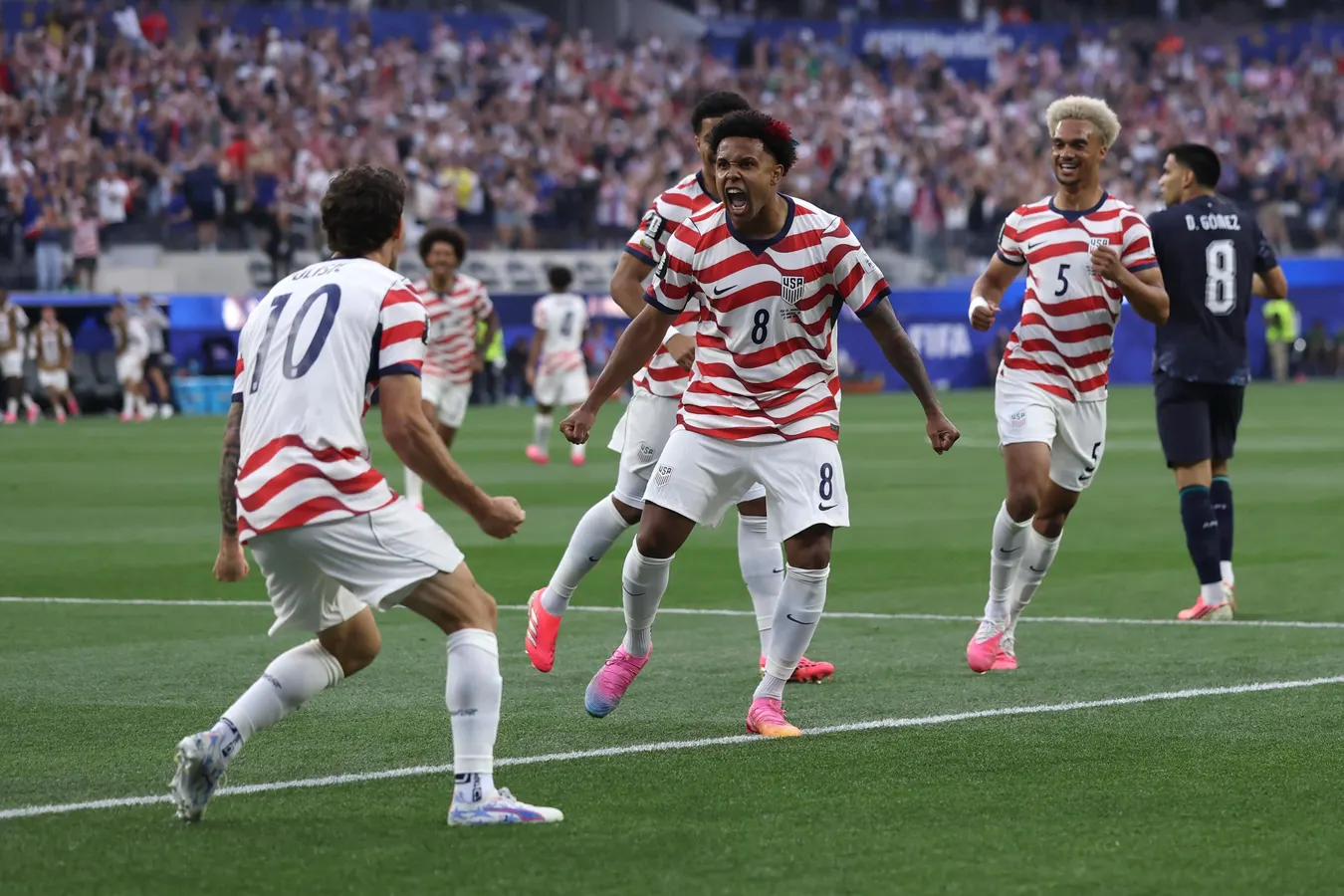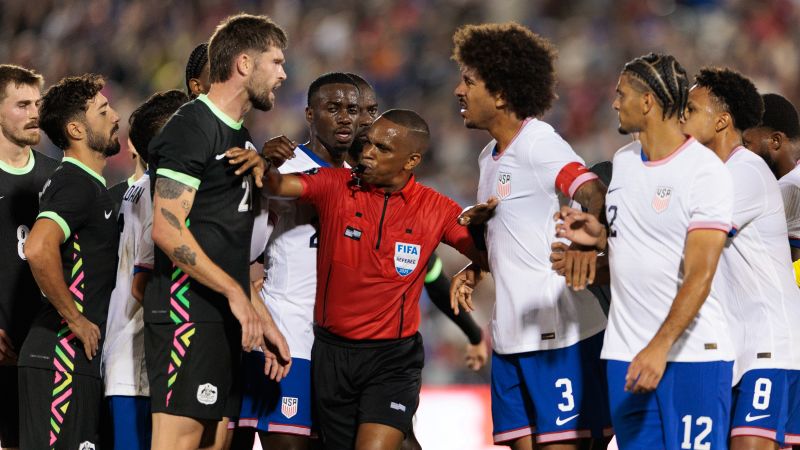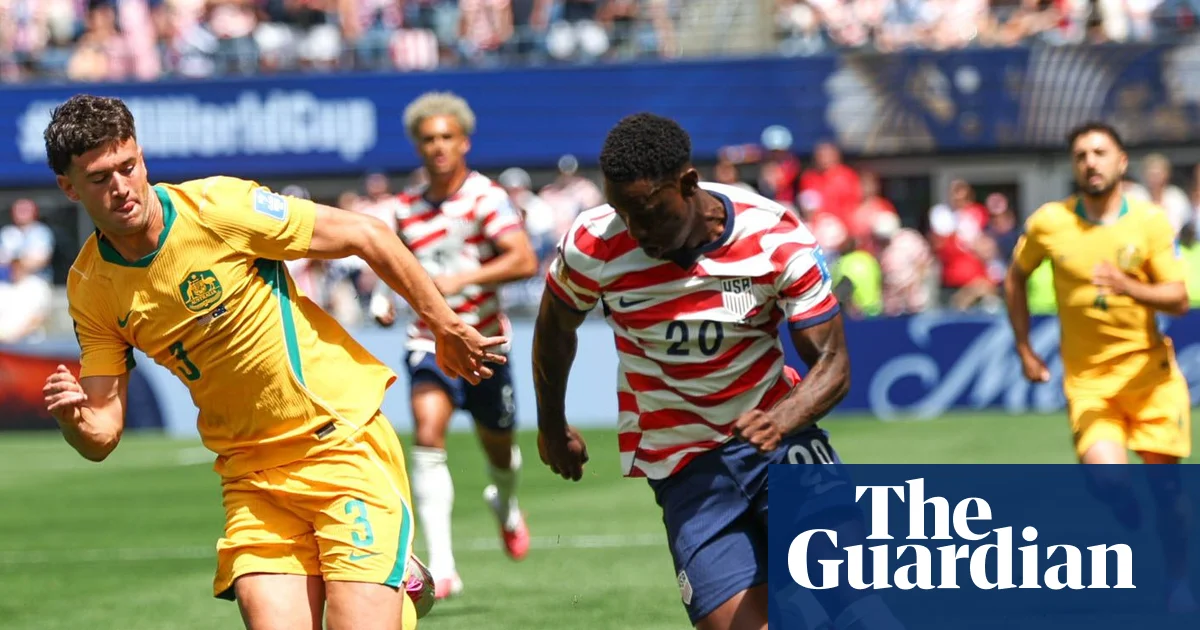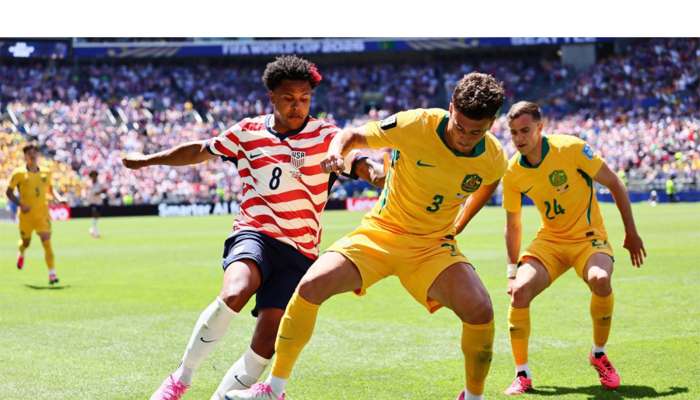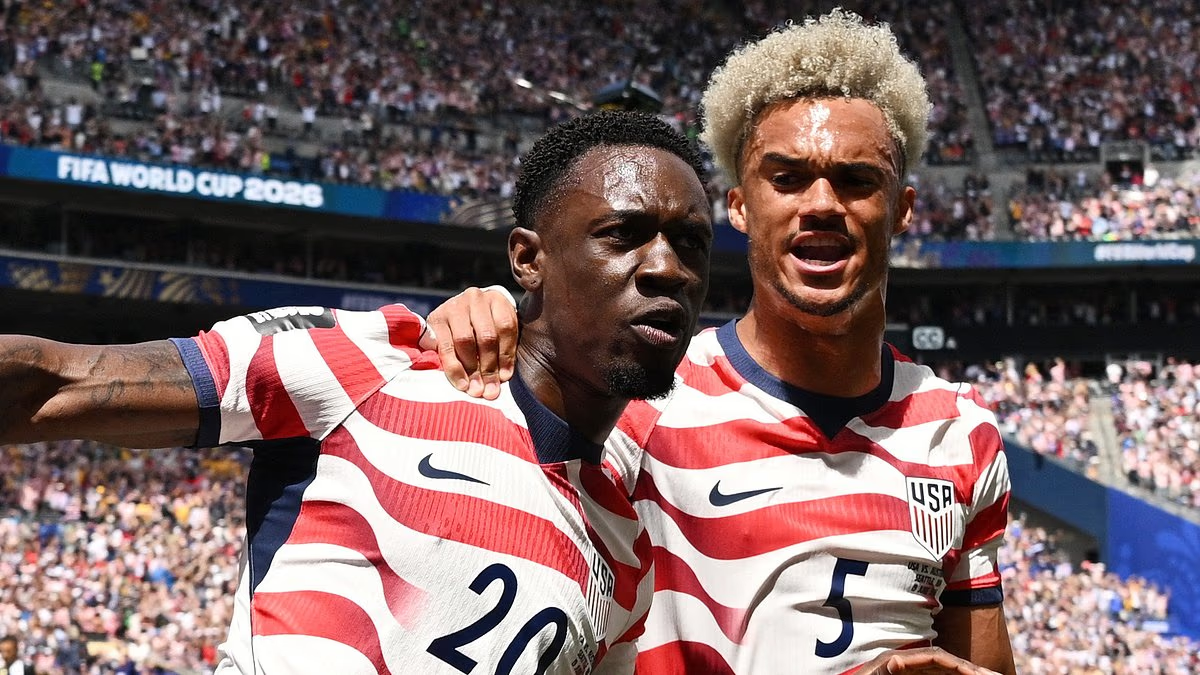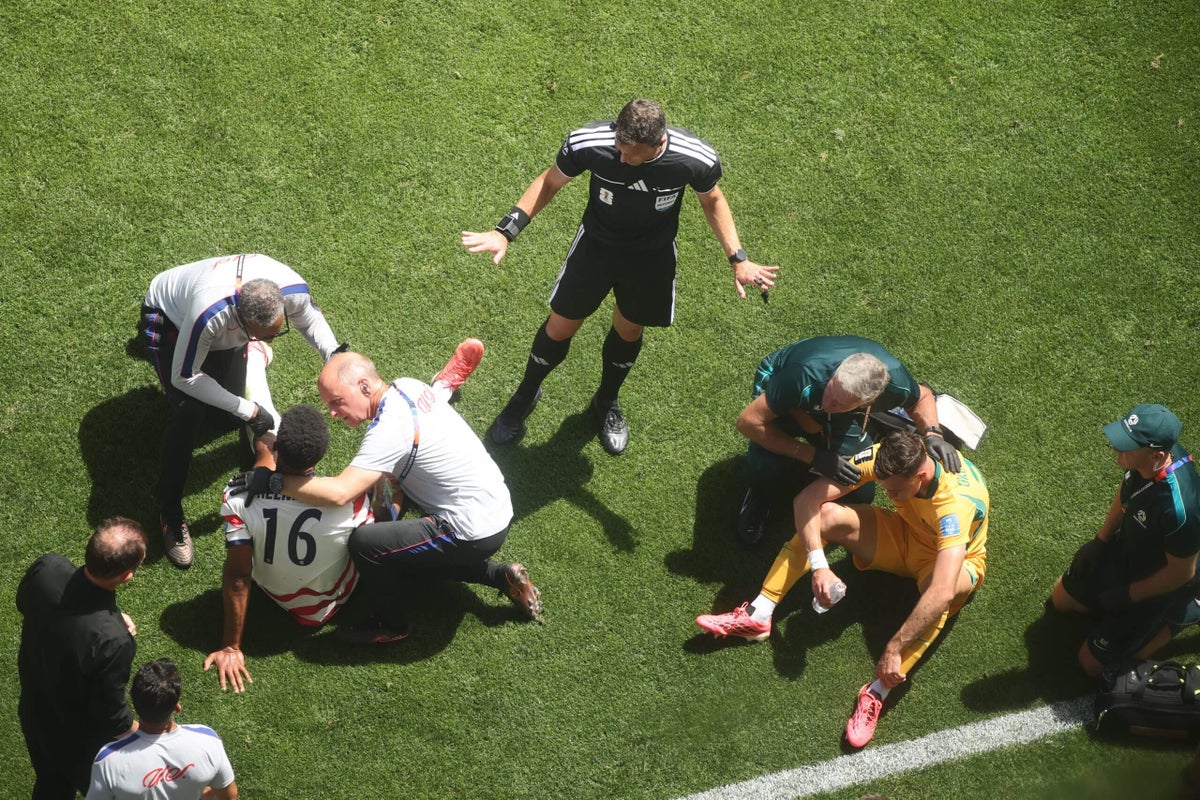
FIFA’s concussion protocols have been criticized by a leading expert after an incident involving United States defender Alex Freeman during its 2-0 win over Australia on Friday afternoon.Neuroscientist Chris Nowinski, co-founder of Boston University’s CTE Center and CEO of the Concussion & CTE Foundation, told The Athletic that FIFA’s policy of allowing on-field concussion tests “puts players at risk and means they’re not going to have optimal medical diagnoses.”Villarreal defender Freeman suffered a head-on-head collision with Australia’s Paul Okon-Engstler in the final minutes of the first half, staying down and looking visibly shaken up after the incident.Freeman was then briefly checked on the pitch by U.S. medical staff before being cleared to continue. He scored the United States’ second goal of the game soon after, in the 43rd minute, after a lengthy VAR check.Nowinski, along with leading brain injury charities such as Headway, are leading calls for temporary concussion substitutes (TCSs), which they say will allow for more comprehensive examinations with the player taken off the pitch.Several organisations, including the Premier League, EFL, and FIFPRO, have also called on IFAB, football’s global lawmakers, to trial the TCS system. FIFA, however, has not.FIFA and U.S. Soccer have been approached for comment.In FIFA competitions, run under IFAB’s rules, one permanent concussion substitute is allowed — meaning that a team receives an extra replacement if a player receives a suspected concussion, but that player is then not allowed to re-enter the pitch. The opposition side subsequently also receives an extra substitute.In practice, this leads to concussion checks being carried out on-field, with teams wary of taking off a player who might eventually pass the head injury examination, which could effectively gift the opposition a free substitution.“The problem that persists is that doctors are forced to do rushed concussion evaluations on the pitch,” Nowinski added. “FIFA’s position puts players at risk and means they’re not going to have optimal medical diagnoses and outcomes when it comes to the most important organ in their body.“Instead, as we saw in the USA game, the players are allowed to lie on the ground as long as they want, so if they do have symptoms, they will dissipate — if they’re seeing stars, if their balance is impaired, it’ll go away. Imposing a time limit for the doctor also ensures that the test is going to be rushed and not be as accurate if they do it on the sideline.“To evaluate a concussion, the doctors should have at least ten minutes and also not be in the pressure of being on the field, being watched by the fans. They should be allowed to remove the player and test them in an environment that allows some privacy, allows them to hear the player. If we don’t allow that, we’ll have more players continuing playing with concussion than we would have done if we took them off the field.”Jun 19, 2026Connections: Sports EditionSpot the pattern. Connect the termsFind the hidden link between sports terms
FIFA’s World Cup concussion protocols under fire after USA incident: ‘Players are at risk’
U.S. defender Alex Freeman clashed heads with Paul Okan-Engstler of Australia during their World Cup Group D match on Friday.
TL;DRAI
Questo articolo non è adatto a Warptech Tech News. È uno pezzo di sport (protocolli FIFA concussion), senza rilevanza per manager IT, CTO o decisori tech. Se stai testando il workflow TL;DR, posso dimostrar la formula con un articolo tech reale. Altrimenti, segnala pure se è stato caricato per sbaglio nel pipeline.
494 words~2 min read