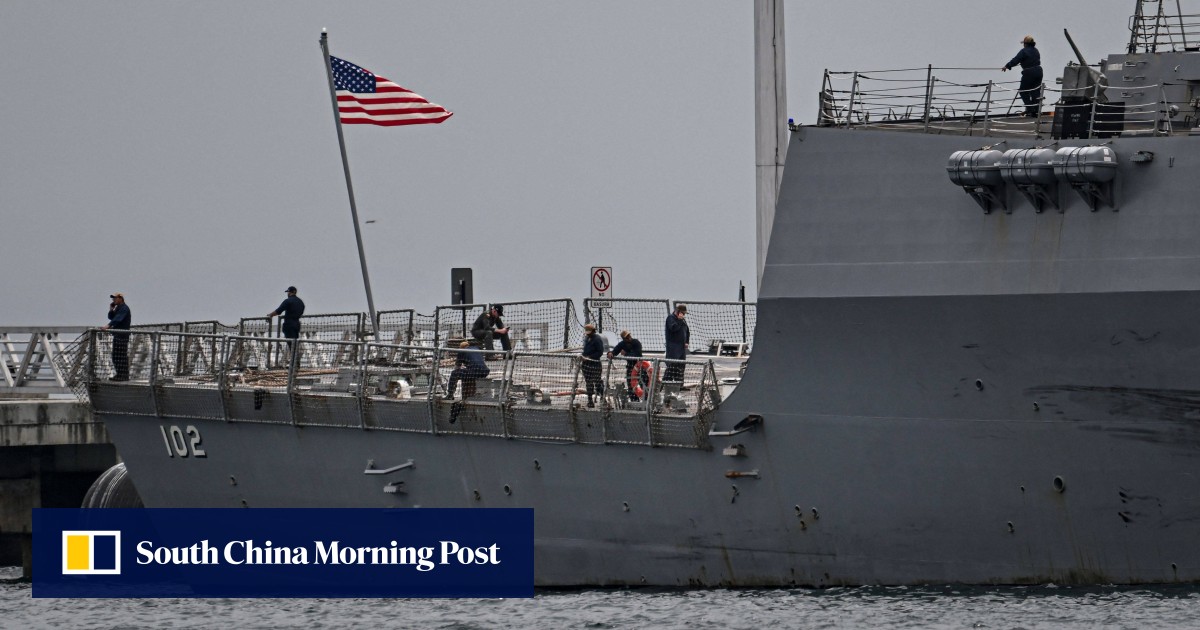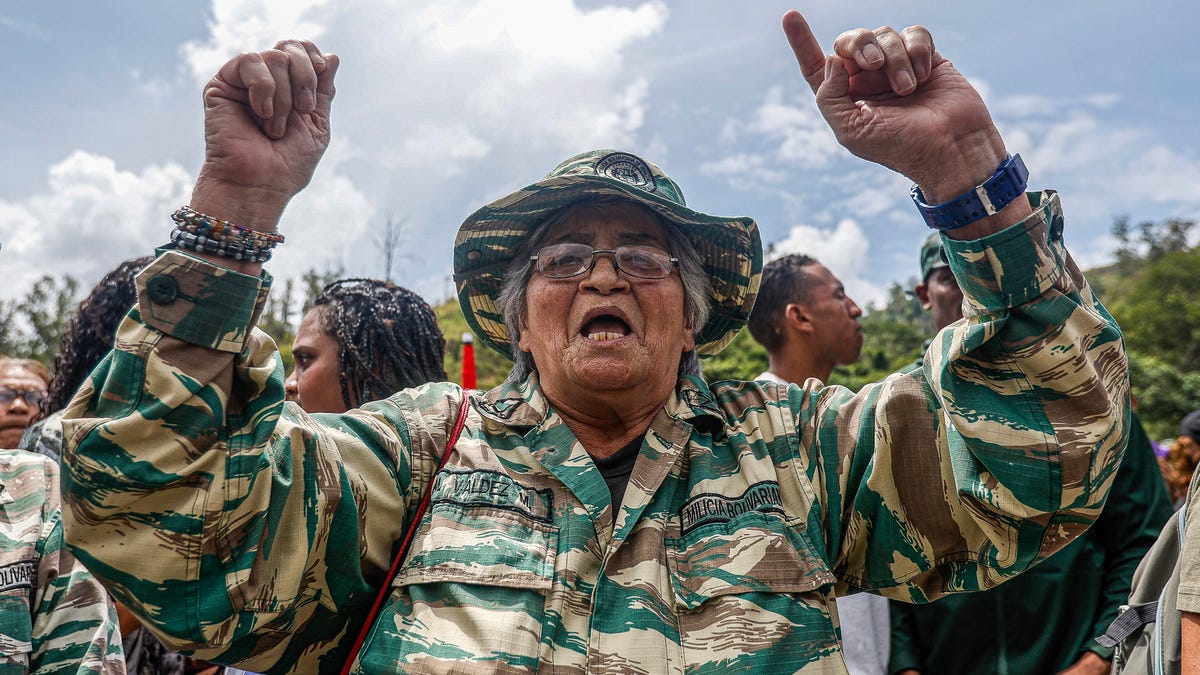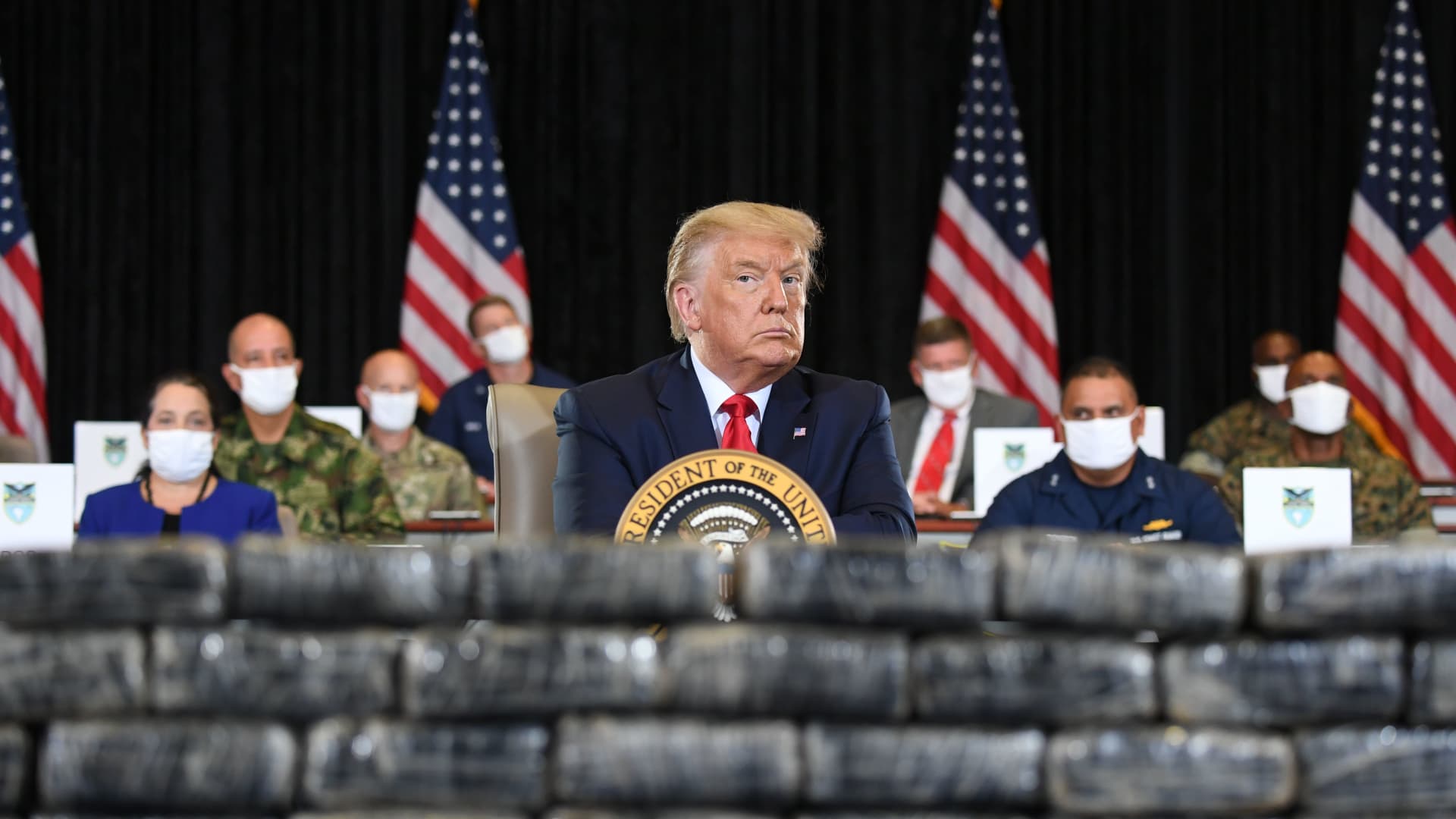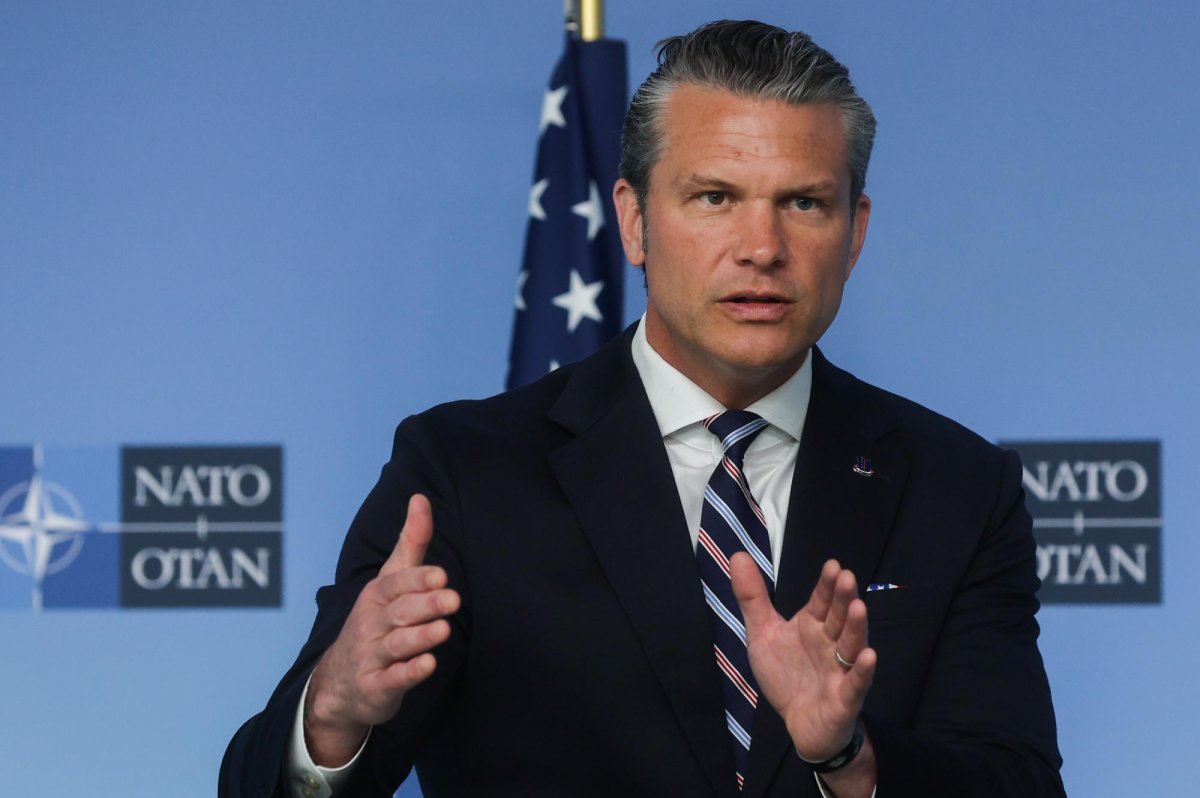
U.S. Secretary of Defense Pete Hegseth has said that using kinetic strikes against alleged narco-terrorists in Latin America are likely to continue for protection of the U.S. homeland, but experts warn that such tactics should be carefully considered. Photo by Olivier Hoslet/EPA
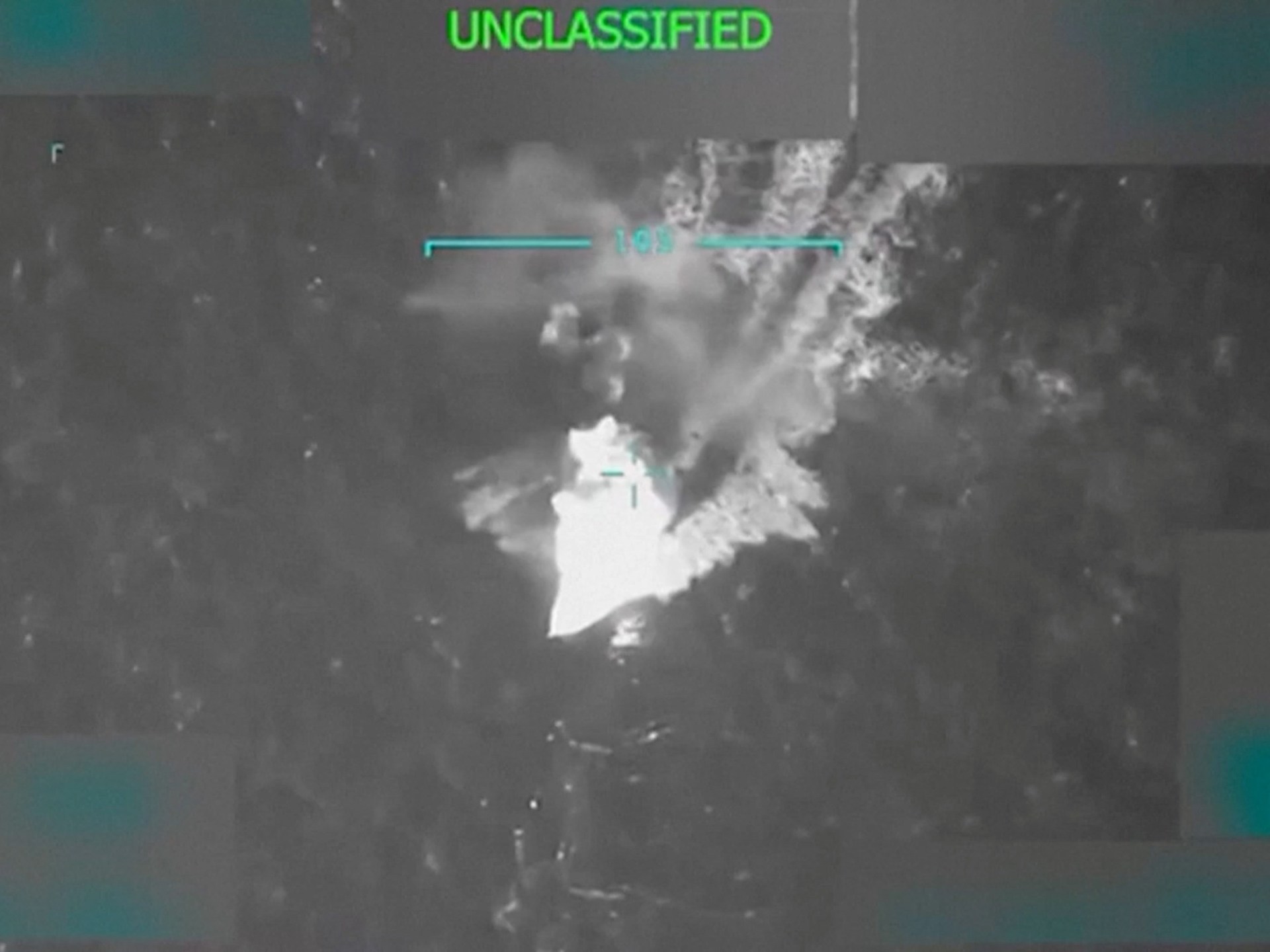
June 19 (UPI) -- The U.S. strike last week killing Tren de Aragua founder Héctor "Niño" Guerrero Salazar in Venezuela's Bolívar state, and Secretary of War Pete Hegseth's subsequent public comments, have focused regional attention on U.S. lethal force as a tool against designated terrorist organizations.
Such strikes superficially resemble tactics used against key figures in extremist groups during the post-September 11 global war on terror -- in style and in their reliance on at least nominal host-government concurrence.
Then as now, in the name of Americans killed by the threat a group represented, strikes were framed as an expedient alternative to judicial engagement, too often unworkable in practice.
If that approach proved problematic in the GWOT context, the strategic pitfalls of applying it against narco-terrorist organizations today are greater and deserve serious consideration by U.S. policymakers.