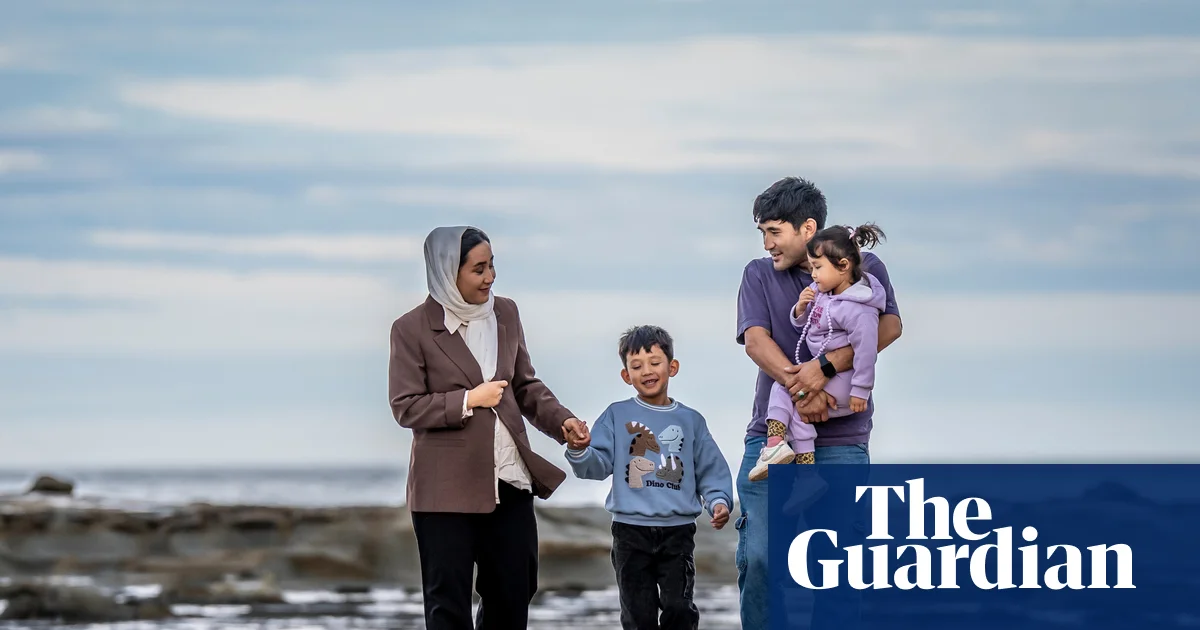
They came in the chill of winter to hear their speaker, a man known to most only as a name.“Thank you,” Mohammad Ibrahim told the people of Apollo Bay. “Today I am proud to call Australia my home.”Mohammad Ibrahim thanks Apollo Bay from the stage in the town’s Mechanics Hall. Photograph: Douglas Gimesy/The GuardianHere, assembled before him in the Mechanics Hall, was the town that made that happen. A town that raised money so he could eat and his children could be clothed, raised hell with members of parliament, ministers, bureaucrats, journalists – anyone who would listen, and many who wouldn’t – to see that Australia upheld its obligation to him.Four years on behalf of a family they’d never met.“Never underestimate the power of kindness,” he said. “Because what may seem like a small action to you can become the difference between hope and despair for someone else.”Branded an ‘infidel’During this country’s longest war in Afghanistan, Mohammad Ibrahim worked on Australia’s behalf, as an interpreter for a government-sponsored aid project in Uruzgan province.The program built and ran schools for children in one of Afghanistan’s poorest provinces, it taught girls to read in places where few ever set foot in a classroom.It vaccinated children who’d never visited a hospital, and trained midwives and doctors in a country with one of the highest infant mortality rates in the world.Ibrahim was proud of the difference his work was making: “Working on those projects was an honour for me to serve my country and also help the Australian government.”But when Afghanistan fell with terrifying swiftness to the Taliban in August 2021, Ibrahim was abandoned.Ibrahim and his family spent four years in hiding from the Taliban. Photograph: Douglas Gimesy/The GuardianLike thousands who had believed in the mission of Republican Afghanistan, who’d trusted the promises of peace and prosperity, who’d been repeatedly assured by the countries they served they would be protected in the event of calamity, he and his family were forsaken.International hopes for a reformed Taliban, that their desire for international legitimacy would restrain their most grotesque excesses – their brutality towards women, their violent persecution of minorities – were short-lived. The Taliban were unreformed.
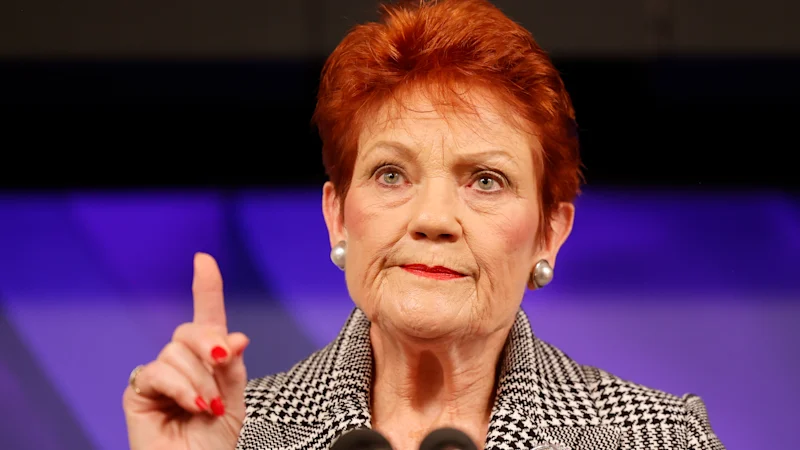
The Afghan family who are safe at last and full of hope, thanks to an Australia Pauline Hanson will never know
In International Refugee Week, two speeches paint starkly different visions of the country
1,244 words~6 min read